
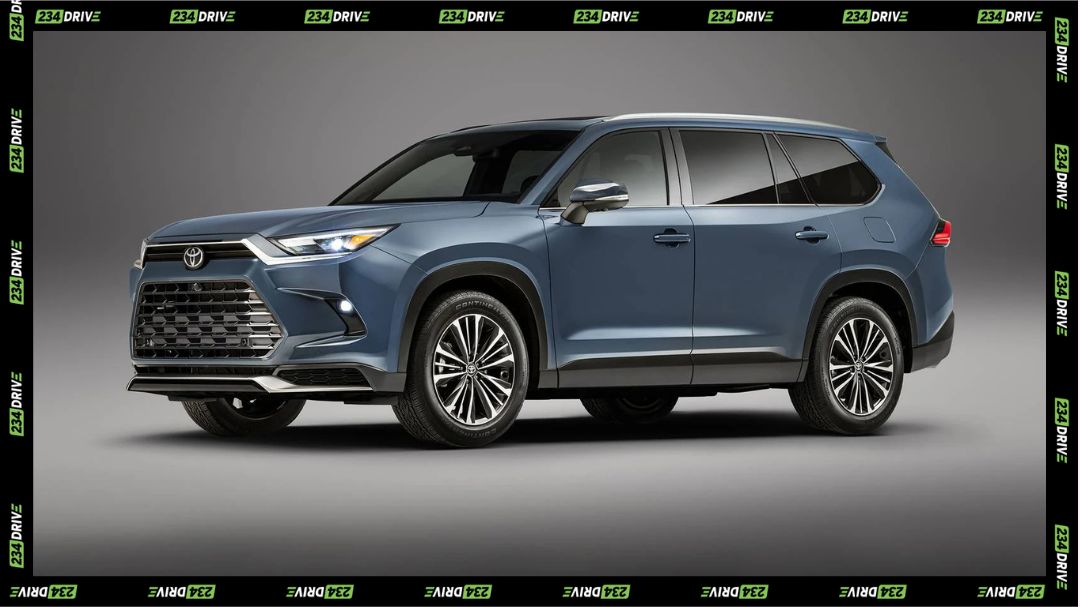
The arrival of the Toyota Grand Highlander marked a pivotal moment in the competitive three-row SUV segment, specifically addressing one of the most persistent criticisms of its segment predecessor, the standard Highlander: restricted third-row space. Launched for the 2024 model year and seeing continued refinements into 2025, this vehicle is not merely a stretched version; it is a meticulously engineered solution for modern families who require genuine, adult-friendly accommodation across all three rows, alongside best-in-class hybrid efficiency. The Grand Highlander’s core brand image is rooted in Toyota’s unwavering commitment to longevity and value, positioning it as the pragmatic yet capacious choice for buyers who prioritise functional versatility, safety, and exceptionally low running costs above fleeting premium flair.
This strategic expansion into the “midsize-plus” category immediately establishes the Grand Highlander as a formidable contender, occupying a vital niche in Toyota’s comprehensive utility vehicle catalog. Manufactured in Princeton, Indiana, the SUV quickly achieved significant sales milestones, demonstrating strong consumer confidence in its proposition. The vehicle’s philosophy perfectly aligns with the global shift towards larger family transport that does not compromise on modern safety standards or powertrain diversity, offering consumers the flexibility of efficient gas, standard hybrid, and high-performance Hybrid MAX options. It represents a mature evolution of the family hauler, designed for seamless day-to-day use and effortless long-distance travel.
The Grand Highlander: A Trio of Powertrain Excellence
The Grand Highlander’s appeal is bolstered by its triple-threat approach to powertrains. Rather than relying on a single engine choice, Toyota offers three distinct configurations, catering to varying driving priorities—from maximum efficiency to outright performance. This diversity allows the buyer to select a vehicle that feels tailored to their specific lifestyle, whether that involves suburban commuting or towing a recreational vehicle.
The Turbo Gas Standard
The base model, equipped with the 2.4-litre turbocharged four-cylinder engine, provides the entry point into Grand Highlander ownership. This unit delivers a healthy 265 horsepower and 310 lb-ft of torque, ensuring it has more than enough motive force for merging onto highways or executing overtakes, even when fully loaded. The engine is mated to an eight-speed automatic transmission, offering smooth, conventional gear shifts. While not its most economical iteration, the gas version still achieves respectable fuel economy figures of 21 city, 28 highway, and 24 combined miles per gallon (MPG) for the front-wheel-drive (FWD) version, making it a capable and reliable workhorse. Pricing for the base LE gas model starts around $43,870 (excluding destination fees).
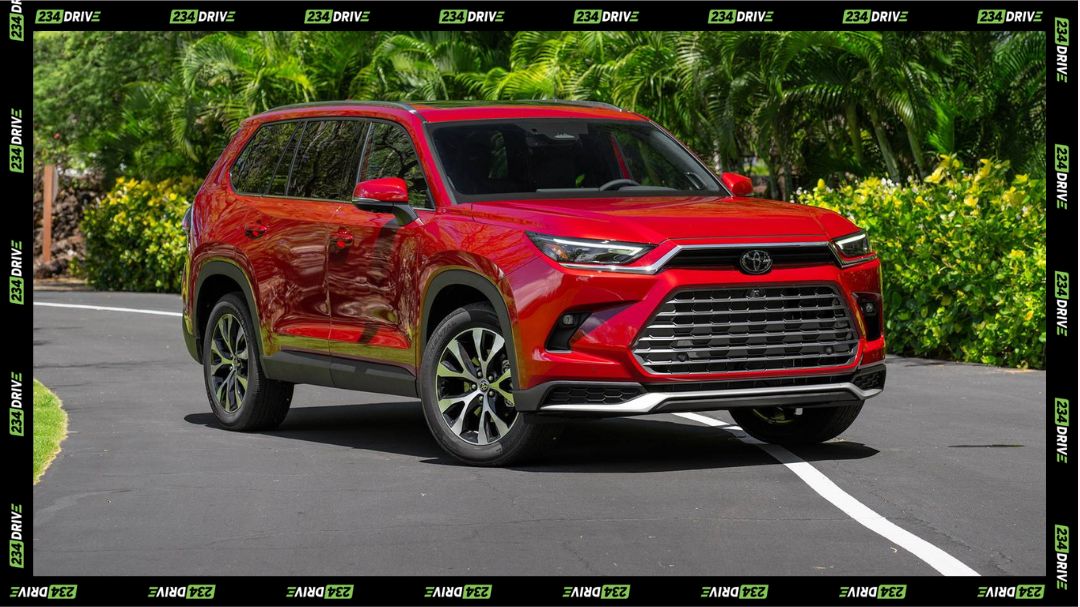
From a styling perspective, the Grand Highlander adopts a bold, almost brutish road presence, distinguishing itself markedly from the more rounded aesthetic of the standard Highlander. The exterior is defined by its length (201.4 inches) and width (78.3 inches), giving it a robust, planted stance. Styling cues include the aggressive, hammered grille design and slim LED lighting signature that conveys a modern, purposeful look. Inside, this engine variant offers comfortable cloth upholstery in the LE trim, alongside a 7-inch digital instrument cluster and a standard 8-inch touchscreen infotainment display. The emphasis here is on durability and straightforward functionality, providing ample space (97.5 cubic feet of total cargo volume) that genuinely transforms the experience of family travel, particularly the adult-friendly 33.5 inches of third-row legroom.
The Efficient Hybrid
For buyers focused on minimising environmental impact and maximising miles per gallon, the standard Hybrid model stands out as a class leader. This setup pairs a 2.5-liter four-cylinder engine with electric motors, resulting in a system output of 243 net horsepower. The powertrain operates through an electronic Continuously Variable Transmission (eCVT), seamlessly managing the delivery of gas and electric power to achieve remarkable efficiency. This is where the Grand Highlander shines most brightly in its class, with FWD models achieving an impressive 36 MPG combined, significantly undercutting most seven-seater rivals. This efficiency makes the Hybrid variant an immensely practical choice for families undertaking long daily drives or frequent highway trips.
Higher trims like the XLE Hybrid, priced from $47,970, introduce more premium features, including synthetic leather upholstery, a hands-free power liftgate, and the upgraded 12.3-inch infotainment touchscreen. Despite the focus on economy, the Hybrid maintains all the core utility features, including the flexible seating (seven- or eight-passenger configurations) and the full suite of Toyota Safety Sense 3.0 technologies. The Hybrid components are neatly packaged, meaning there is no compromise on the 5,000-pound maximum towing capacity shared across the range, making it a supremely versatile option that masterfully balances family logistics, cargo hauling, and cost-efficient motoring.
The Hybrid MAX Performer
Sitting atop the range is the potent Hybrid MAX powertrain, which caters to the driver who demands both efficiency and brisk acceleration. This variant marries the turbocharged 2.4-litre engine with a performance-tuned hybrid system to deliver a muscular 362 horsepower and 400 lb-ft of torque. Power is delivered through a dedicated six-speed automatic transmission coupled with an advanced all-wheel-drive system, which is standard on Hybrid MAX models. This configuration drastically improves driving dynamics, achieving a 0–60 mph sprint time of approximately 6.3 seconds—an impressive figure for an SUV of this size.
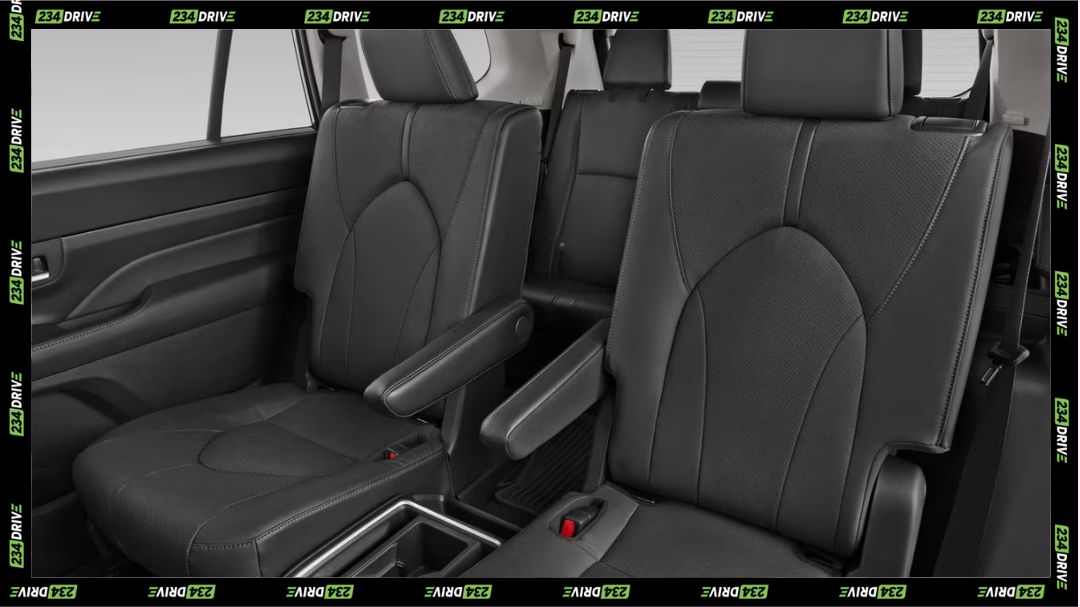
The Hybrid MAX is typically found in the Limited and Platinum trims, enhancing the road presence with large 20-inch aluminum wheels and a wealth of luxury features. The Platinum trim, starting at $57,485, further elevates the experience with a panoramic moonroof, a 12.3-inch digital instrument cluster, and a premium JBL audio system. Interior comfort is paramount, featuring leather upholstery and heated/ventilated seating for both front and second rows. While performance is heightened, the Hybrid MAX still manages a respectable 27 MPG combined, positioning it as an ideal choice for the discerning driver who refuses to sacrifice efficient gas running for robust power and premium appointments.
Market Fit and Ownership in the US
The Toyota Grand Highlander is expertly tailored for the American lifestyle, where road trips, suburban school runs, and utility are paramount. Unlike in regions with size constraints, the Grand Highlander’s expansive 201.4-inch length is a distinct asset, providing the crucial interior volume that truly differentiates it from standard midsize SUVs. This size translates into unmatched practicality for families: the large cargo capacity ensures all sports equipment or holiday luggage can be stowed easily, and the adult-friendly third row eliminates the need to upgrade to a full-size SUV or minivan purely for passenger comfort.
The core value proposition for US buyers rests heavily on Toyota’s established reputation for reliability, a factor that minimises unexpected repair costs and downtime—a major convenience for busy households. The vehicle’s high fuel economy, especially the 36 MPG Hybrid, provides substantial financial relief against fluctuating US gas prices, making high-mileage commuting and cross-country adventures far more affordable than in comparable V6 or large turbocharged gas SUVs. When coupled with the excellent safety ratings and the comprehensive Toyota Safety Sense 3.0 suite, the Grand Highlander meets the core criteria of the American family buyer: safe, spacious, dependable, and efficient.
Comparative Market Analysis
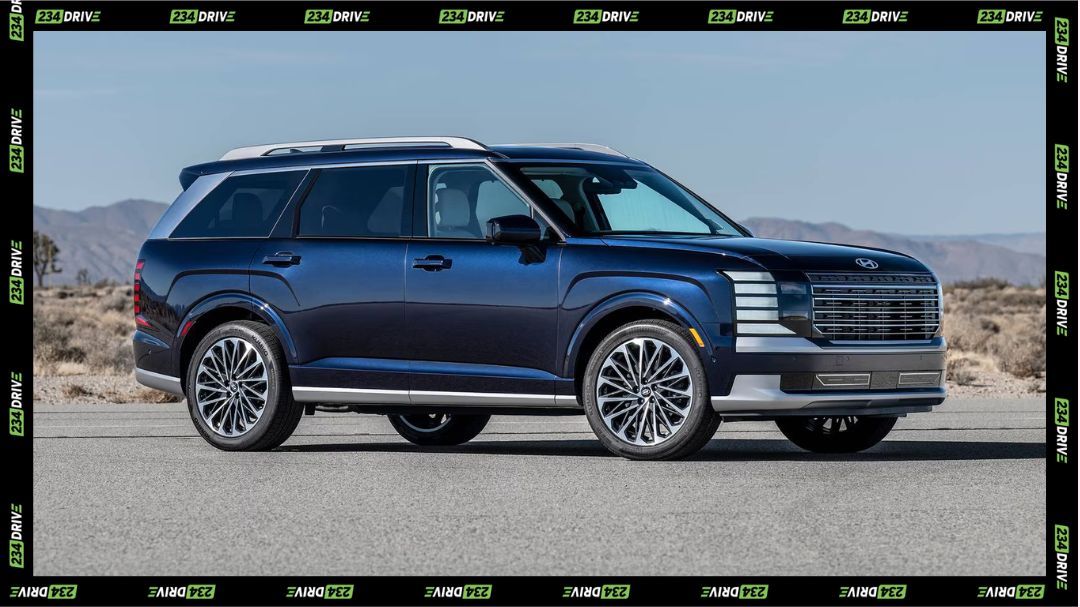
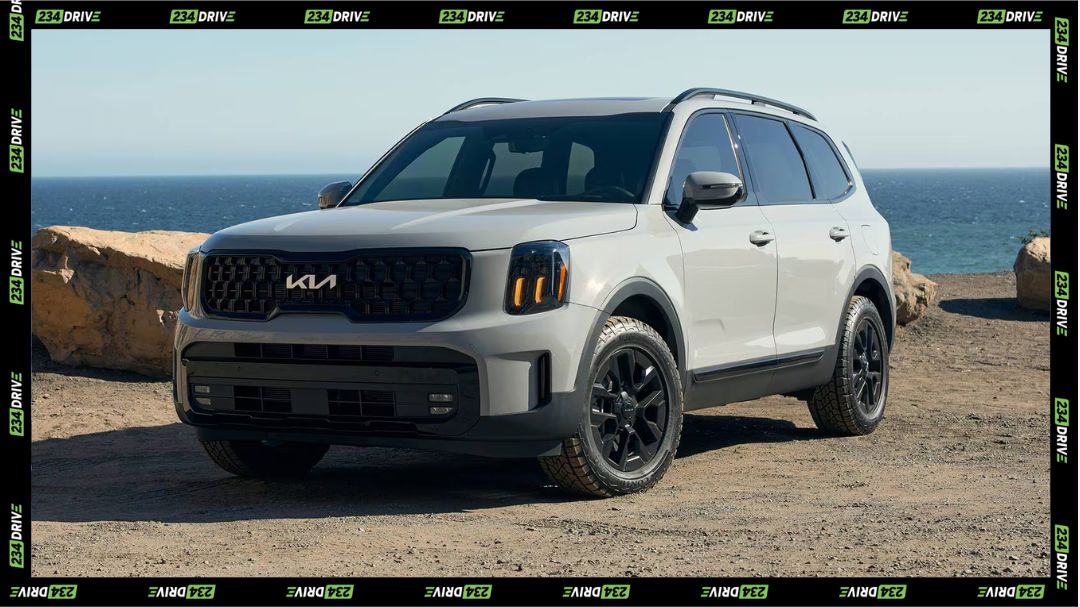
When assessed against its key segment rivals, the Grand Highlander firmly establishes itself as the functional champion, though it does face stiff competition in certain areas. In its native North American market, it competes directly with the Chevrolet Traverse and Honda Pilot, but its true rivals in terms of efficiency and value lie with the Hyundai Palisade and Kia Telluride. The Grand Highlander immediately wins the efficiency battle, offering hybrid powertrains that significantly outperform the purely gas-powered base engines of most competitors. While vehicles like the Kia Telluride often receive higher marks for their luxurious interior design and longer warranty period (Kia offering 10 years/100,000 miles on the powertrain versus Toyota’s 5 years/60,000 miles), the Grand Highlander compensates with superior predicted long-term durability, evidenced by its high reliability ratings (80/100 from Consumer Reports).
In the context of durability, maintenance, and resale value, the Toyota platform proves difficult to beat. While the starting price of the Grand Highlander (from approximately $44,000) positions it slightly above base models of some competitors like the Pilot, this premium is often quickly recouped through lower running costs and exceptional retained value. Kelley Blue Book figures suggest the Grand Highlander is projected to retain approximately 60% of its initial value after three years, which is a key financial metric for American families concerned with long-term cost of ownership. Unlike the more design-forward Kia Telluride and Hyundai Palisade, the Grand Highlander leverages Toyota’s reputation for mechanical simplicity and widespread serviceability, resulting in lower projected annual maintenance costs—averaging around $500. Therefore, the Grand Highlander stands as the practical choice, offering unparalleled space and proven longevity where other, more style-focused competitors may fall short.
Conclusion
The 2025 Toyota Grand Highlander successfully delivers on its promise to provide a no-compromise, family-focused three-row SUV perfectly suited to the American family’s needs. Its key strengths are undeniable: genuinely useable space across all three rows, exceptional powertrain diversity ranging from highly efficient hybrid to brisk Hybrid MAX performance, and the foundational reliability that the Toyota marque guarantees. From its comprehensive Safety Sense 3.0 suite to its ample 97.5 cubic feet of cargo capacity, the Grand Highlander is engineered for practical excellence. While some competitors may offer a slightly more “premium” feel or a longer warranty, few can match the Grand Highlander’s holistic combination of efficiency, durability, and family-friendly utility. For families seeking a dependable, long-term motoring solution, the Grand Highlander has confidently set a new, high standard.
We would be keen to hear your thoughts. Do you think the Hybrid MAX’s performance justifies the premium over the standard Hybrid’s economy, or is the exceptional 36 MPG figure the real game-changer for large family SUVs? Share your opinions in the comments below.