
The Kia Sportage has evolved from a humble, budget-conscious alternative into a dominant force within the global compact SUV sector, establishing a reputation built on striking aesthetics and substantial value. In South Africa, a market that demands versatility and durability, the Sportage has become a household name, favoured by families and urban professionals alike. The latest iteration, updated for 2026, marks a significant maturation for the brand. It sheds the conservative styling of its predecessors for a bold, futuristic visual language, signalling Kia’s intent to not merely compete with European and Japanese rivals but to set the benchmark for design and standard specification.
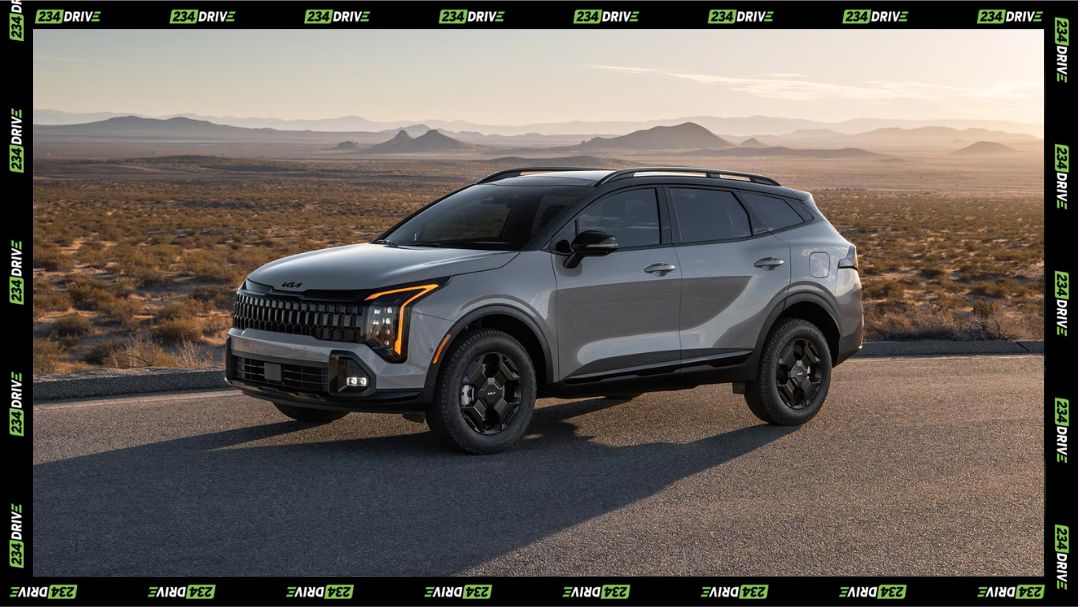
The public image of the Sportage is now one of accessible premium quality, a vehicle that offers the technology and comfort of high-end German SUVs without the prohibitive price tag. For the South African consumer, the Sportage represents a “smart” purchase; it is viewed as a pragmatic choice that does not require a compromise on style or driving enjoyment. With a lineup that balances punchy petrol engines with economical diesels, the range is curated to suit the diverse driving habits of the region, from the stop-start traffic of Sandton to the long, open highways of the Karoo. The 2026 facelift further cements this status, introducing refined features that keep it fresh in a fiercely competitive segment.
Exterior Design, Styling, and Road Presence
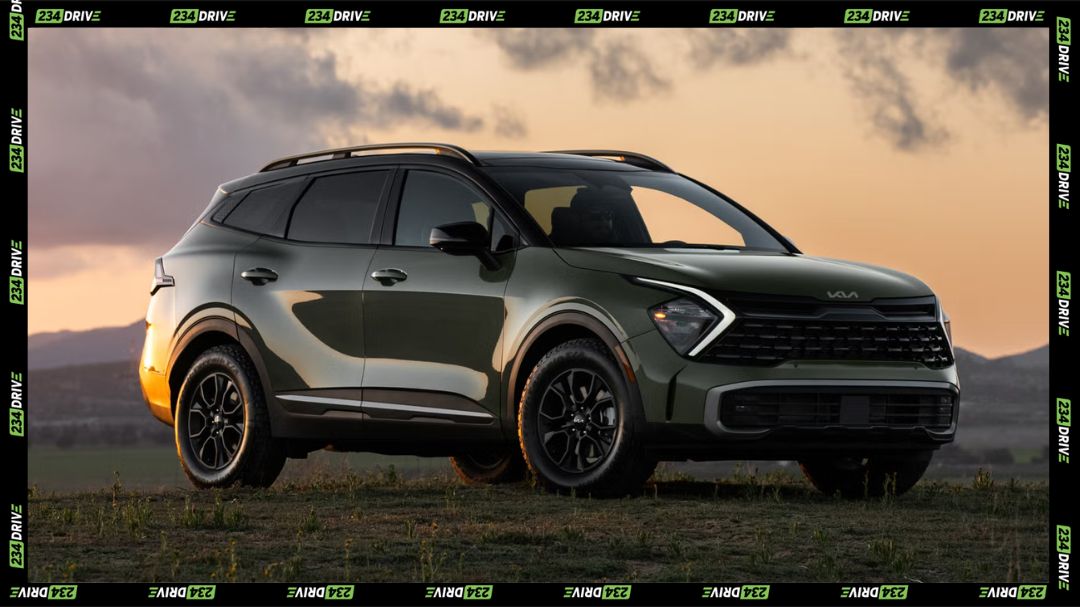
The exterior design of the 2026 Kia Sportage is defined by the brand’s “Opposites United” philosophy, creating a tension between crisp lines and fluid surfaces. The front fascia is dominated by an expansive “Tiger Nose” grille, flanked by distinctive “Star Map” daytime running lights that give the vehicle an unmistakable signature, particularly at night. The facelift has introduced sleeker headlights and a revised front bumper, lending the car a wider, more planted stance. In terms of road presence, the Sportage punches above its weight; its athletic silhouette and muscular haunches draw the eye, making it stand out in a sea of generic crossovers. Wheel sizes range from 17 to 19 inches depending on the trim, with the range-topping GT-Line S models featuring intricate alloy designs and a contrast black roof that enhances the vehicle’s sporting pretensions.
Interior Comfort, Technology, and Performance
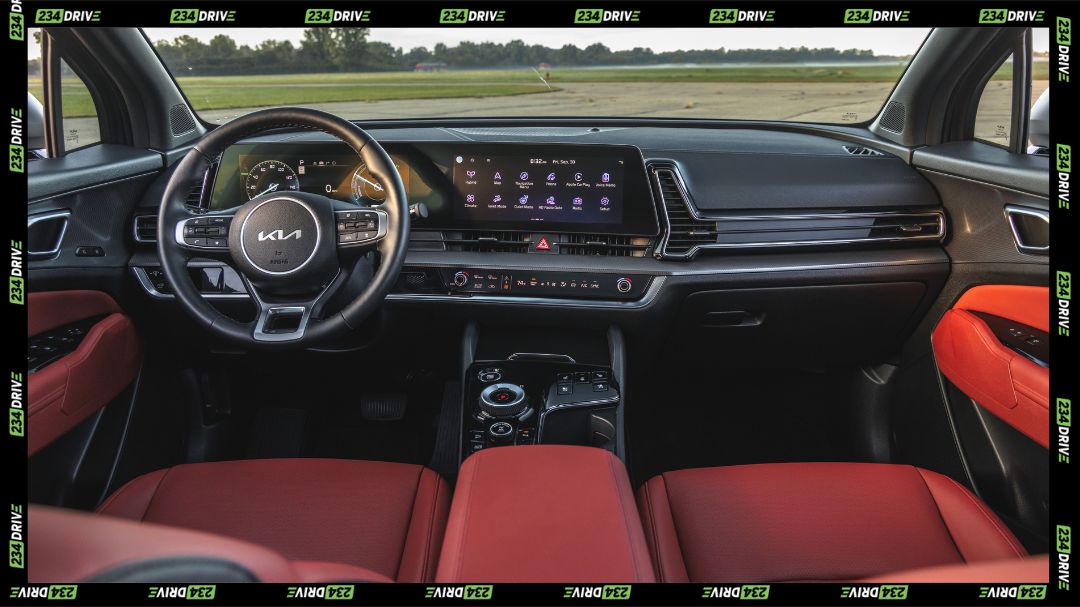
Inside, the cabin is a testament to Kia’s rapid upward trajectory in build quality and ergonomics. The dashboard is anchored by a panoramic curved display that houses dual 12.3-inch screens for the instrument cluster and infotainment system, offering a digital experience that rivals luxury marques. Materials are soft to the touch, with higher trims featuring a blend of leatherette and suede, while the lack of excessive gloss black plastic is a practical nod to maintenance. Space is generous, with a boot capacity of 590 litres that expands significantly with the rear seats folded, accommodating everything from school bags to camping gear.
Performance is delivered through two primary powertrains tailored for the local market. The 1.6-litre CRDi diesel engine is a standout for efficiency, producing 100 kW and 320 Nm of torque, making it ideal for towing and highway cruising. For those seeking more urgency, the 1.6-litre T-GDi petrol turbo generates 132 kW, propelling the SUV from 0-100 km/h in a respectable 8.8 seconds. Power is managed by a 7-speed dual-clutch transmission (DCT) which provides snappy shifts, although some drivers may find it hesitates slightly in heavy traffic. Pricing is competitive, starting at approximately R662,995 for the entry-level LX diesel and rising to R823,995 for the fully-loaded GT-Line S, ensuring there is a model to suit various budgets within the upper-middle class.
Owning the Sportage in South Africa
The relevance of the Kia Sportage in the South African context cannot be overstated, primarily due to the country’s unique and often challenging driving environment. Road conditions vary drastically, from smooth national highways to pothole-riddled suburban streets and gravel access roads. The Sportage’s suspension tuning strikes a commendable balance here; it is compliant enough to absorb significant imperfections without unsettling the chassis, yet firm enough to maintain composure at speed. The availability of diesel variants is particularly pertinent given the high cost of fuel, with the diesel model’s consumption figuring around 5.0 l/100km, offering a significant long-term saving over petrol rivals. Furthermore, the standard inclusion of robust tyres on entry-level models—rather than low-profile rubber that is prone to damage—demonstrates an understanding of local infrastructural realities.
Beyond the mechanics, the ownership experience is shaped by Kia’s comprehensive after-sales support, which is a critical factor for South African buyers. The 5-year/unlimited kilometre warranty provides immense peace of mind, especially for families who travel long distances for holidays such as the popular pilgrimage from Gauteng to the coast. The brand’s dealership network is extensive, ensuring that maintenance and parts are accessible even in smaller towns. While the Sportage is primarily a front-wheel-drive vehicle in this market (limiting its use for serious off-roading), its ground clearance and traction control systems are more than adequate for the “school run safari” and the occasional dirt road to a game reserve, aligning perfectly with the lifestyle of its target demographic.
Competitive Positioning and Market Rivals
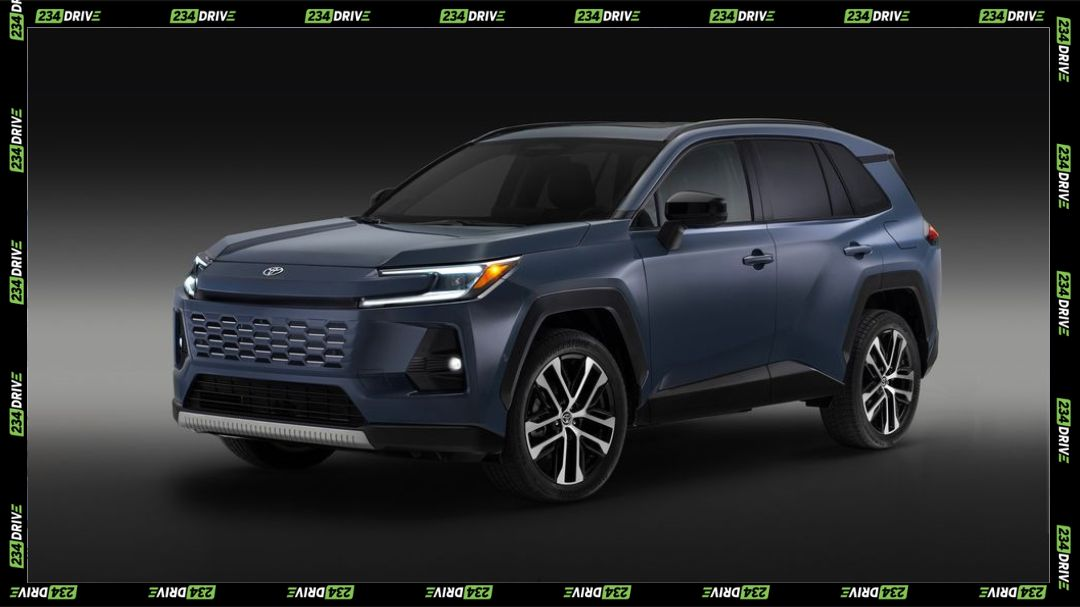
When compared to its arch-rival, the Hyundai Tucson, the Sportage shares the same platform and mechanical underpinnings but diverges significantly in styling and packaging. The Tucson leans towards a more avant-garde, geometric aesthetic, whereas the Sportage offers a slightly more conventional, albeit modern, athletic look. In terms of cost, the Sportage often edges out the Tucson by offering slightly better standard specifications at similar price points. Against the Toyota RAV4, the market leader, the Sportage faces a stiffer challenge regarding perceived reliability and resale value. However, the Kia Sportage specs and prices reveal that it offers a far superior interior ambience and modern tech suite compared to the aging Toyota, although it currently lacks the hybrid powertrain options that make the RAV4 a hit with eco-conscious buyers.
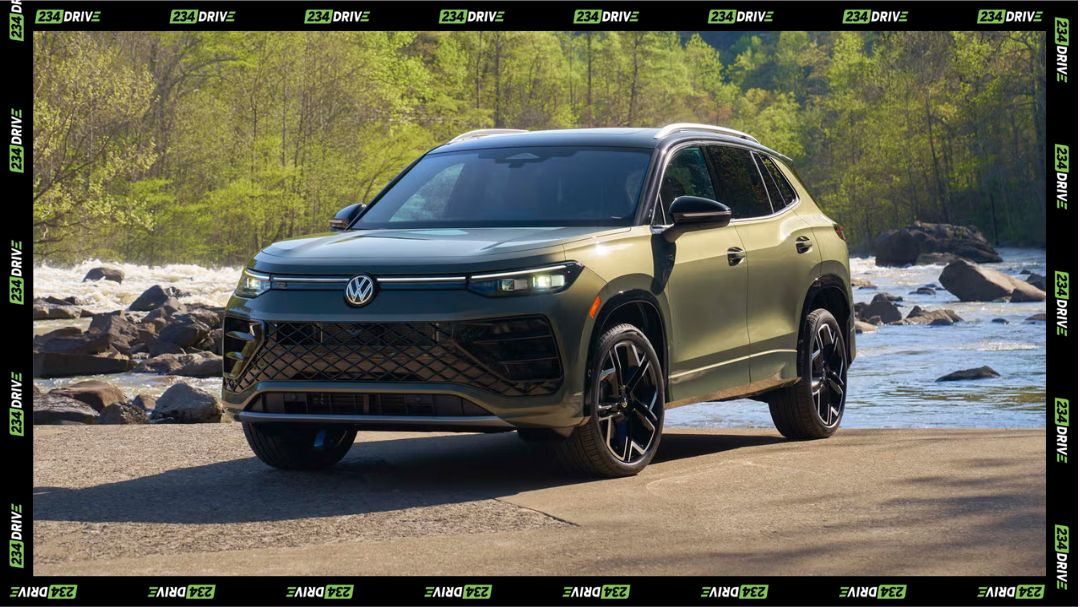
The Volkswagen Tiguan remains the benchmark for premium feel in this segment, but the Sportage has closed the gap considerably. While the Tiguan may offer a slightly more refined drive and badge prestige, it comes with a premium price tag and a shorter warranty period. Reviews suggest that the entry-level Kia Sportage now offers a compelling alternative to the German stalwart, providing similar levels of build quality and better standard equipment for less money. In terms of durability, while European competitors often face higher out-of-warranty maintenance costs, the Kia’s proven drivetrain reliability suggests it will hold its value well, making it a safe bet for buyers looking to retain their vehicle for 5 to 7 years.
Volkswagen Tiguan. Source: Car and Driver
Summary
The 2026 Kia Sportage stands as a formidable all-rounder that successfully marries style, practicality, and value. Its strengths lie in its high-quality interior, generous standard equipment list, and the economical performance of its diesel engines—a crucial advantage in the current economic climate. While it may lack the hybrid options of some competitors and the outright badge snobbery of German rivals, it compensates with a warranty and driving experience that are perfectly tailored to South African roads. It is a rational purchase that appeals to the heart as well as the head.
What are your thoughts on the new facelift? Do the 2026 updates make it the clear leader in the mid-size SUV segment, or would you stick with the trusted Toyota RAV4?