

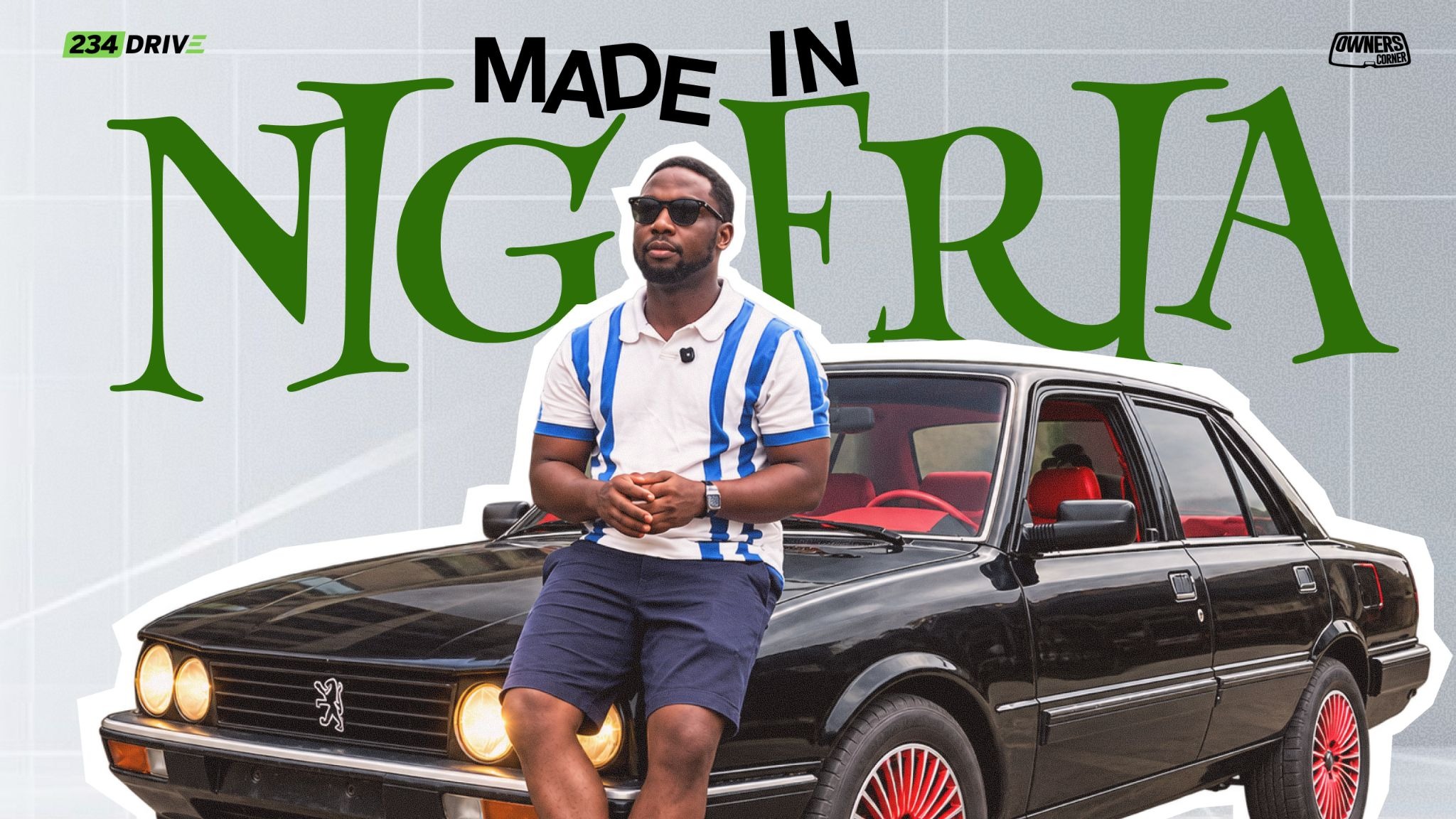
For Ameen, a musician with a deep sense of pride in Nigeria, owning a car is not about chasing the latest model or showing off an expensive import. What matters to him is the story behind his Peugeot 505: where it was built, the era it came from and what it represents.
At a time when many motorists have their sights set on imported European SUVs and crossovers, Ameen has chosen something much closer to home: a 1987 Peugeot 505 assembled by Peugeot Automobile Nigeria at its Kaduna plant. To him, the car is more than a means of transport. It is a surviving piece of Nigeria’s motoring and industrial history and a reminder of a time when many of the vehicles on the country’s roads were assembled locally. Peugeots are again assembled in Kaduna today by Dangote Peugeot Automobiles Nigeria, a separate company.
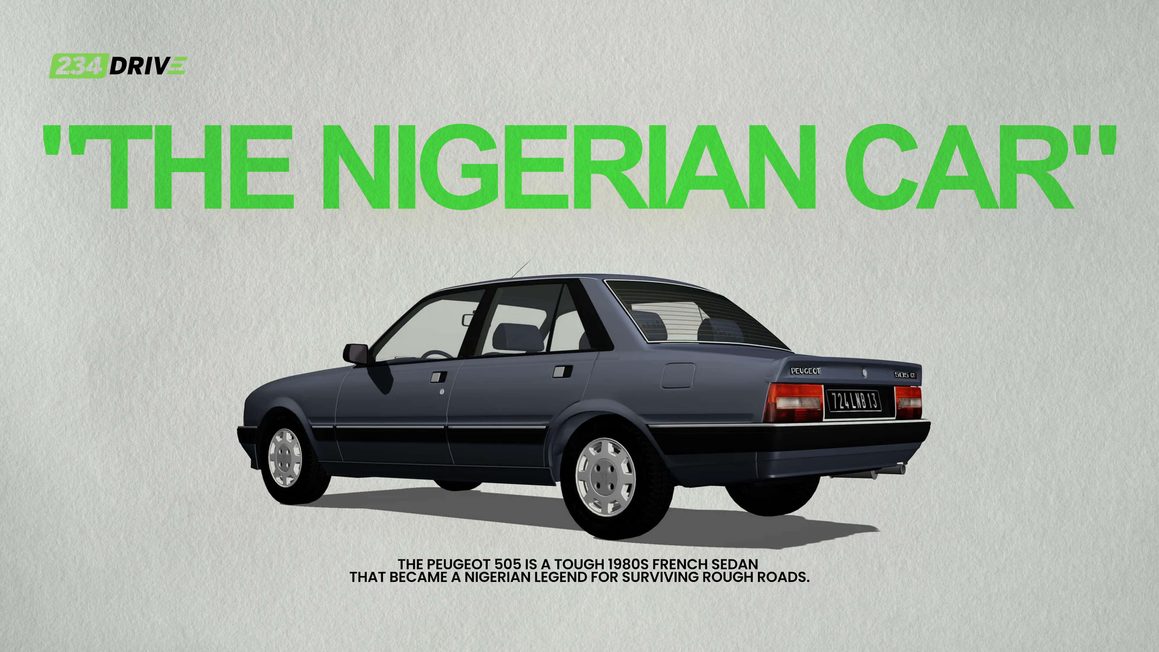
A Model with Presidential History
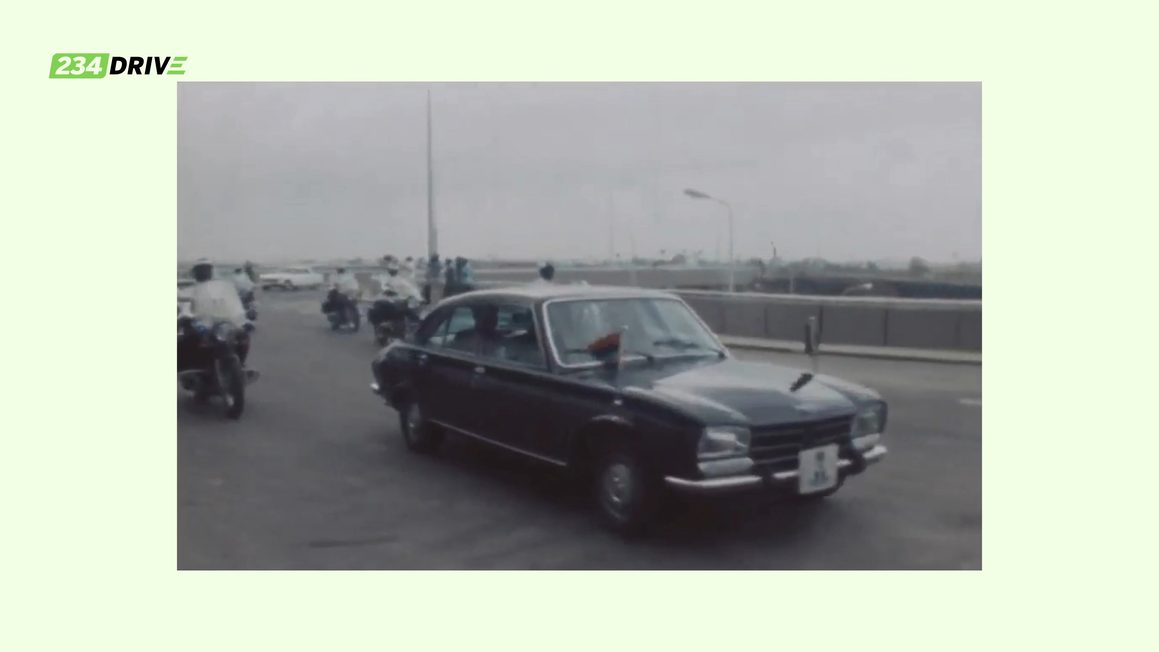
The car also has a connection to Nigeria’s political history. Before Ameen bought it, it had served as the official vehicle of a senior Nigerian judge. The Peugeot 505 model itself became closely associated with government in Nigeria, serving as official transport for former heads of state, including General Ibrahim Babangida and General Sani Abacha during Nigeria’s golden era of local industrialisation.
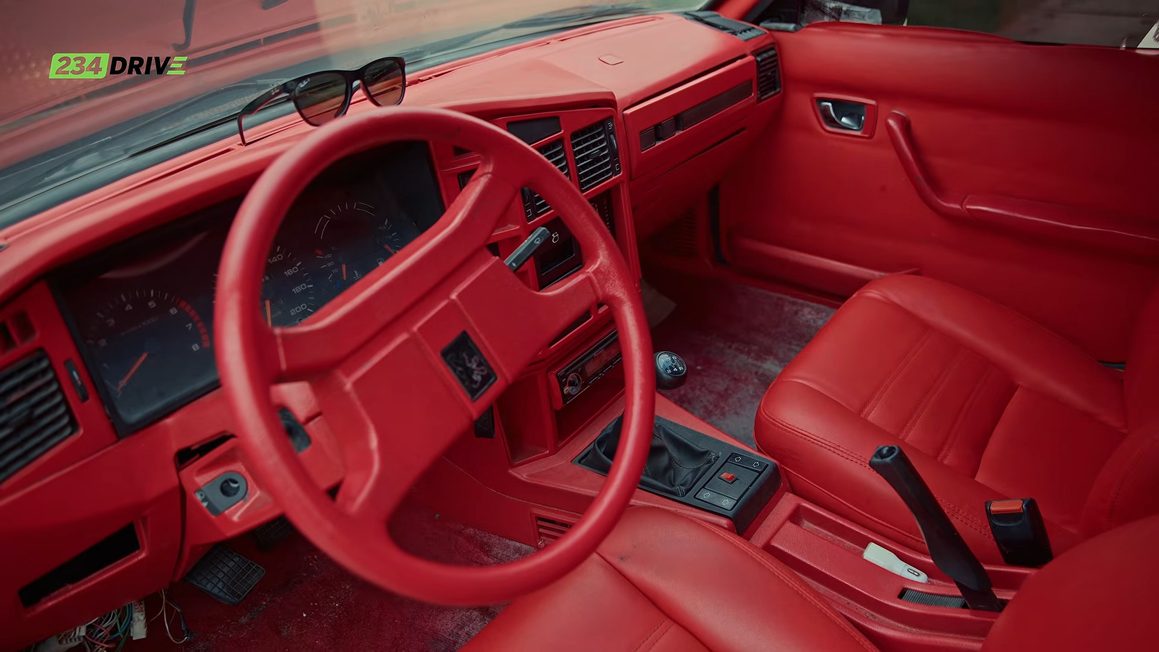
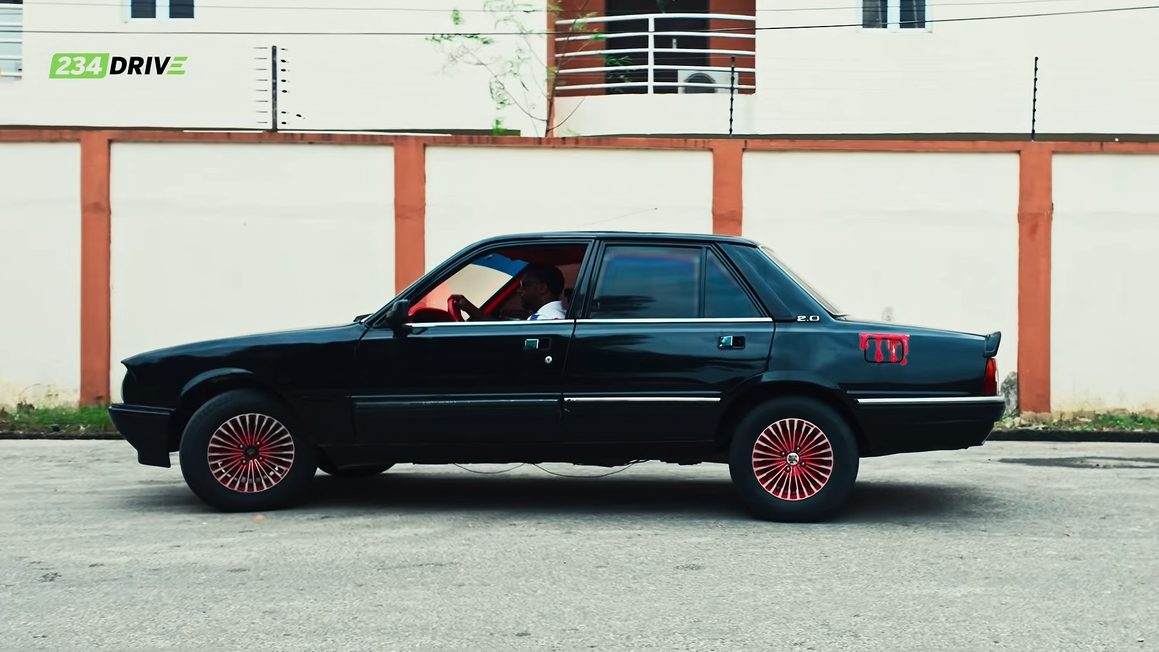
Ameen bought the car in 2013 from an elderly judge who had owned it since 1996. The judge was selling it to help pay his grandson’s tuition abroad. Although the car was already in excellent mechanical and physical condition, Ameen wanted to give it a distinctive new look. He kept the classic black exterior but stripped out the interior, removing the seats and panels before refitting the cabin with custom red leather upholstery. The striking result has caught the attention of film crews and music video directors.
A Music Video Magnet
In Ameen’s day-to-day life as a music industry creative, the vintage Peugeot is more than a weekend car. It also earns him money through appearances in music videos. Its well-preserved retro look has made it a sought-after prop for productions in Lagos.
Well-known artists and directors, including Bella Shmurda and Zlatan, have used the car in their visual projects. Ameen recalls occasions when emerging artists or their teams sent security guards to his door with cash, sometimes paying as much as ₦700,000 to film with the car for a few hours outside his home. On one occasion, the shoot took place while he was asleep.
Reliability and Mechanical Simplicity
Beneath the bonnet is a simple carburetted two-litre engine that, according to Ameen, still performs remarkably well for its age. Although the car is nearly forty years old, he describes it as ‘a lion on the highway’. On roads such as the Third Mainland Bridge, he says it can hold its own against newer economy cars when pushed.
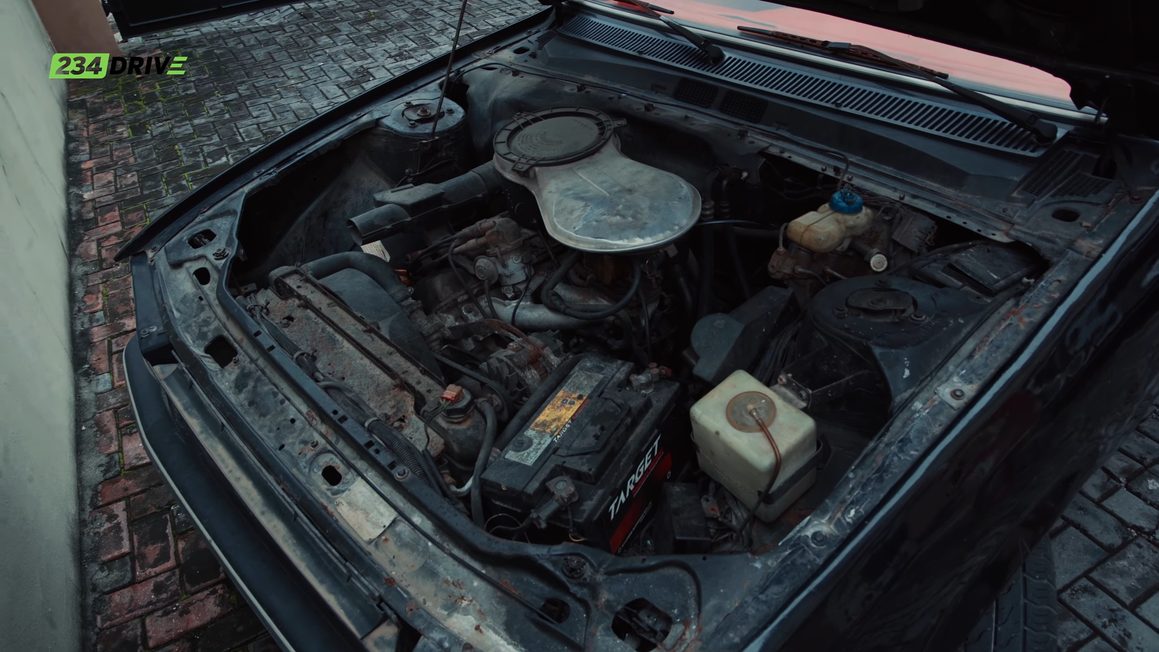
Ameen says that during three years of regular driving, he has not once needed to top up the car’s coolant. Its straightforward mechanical design is similar to that of vehicles used for commercial transport, helping to keep fuel consumption moderate. He also says most local mechanics can diagnose and repair minor faults within an hour or two, usually without the need for a tow truck.
Navigating Lagos Roads and Turning Down Millions
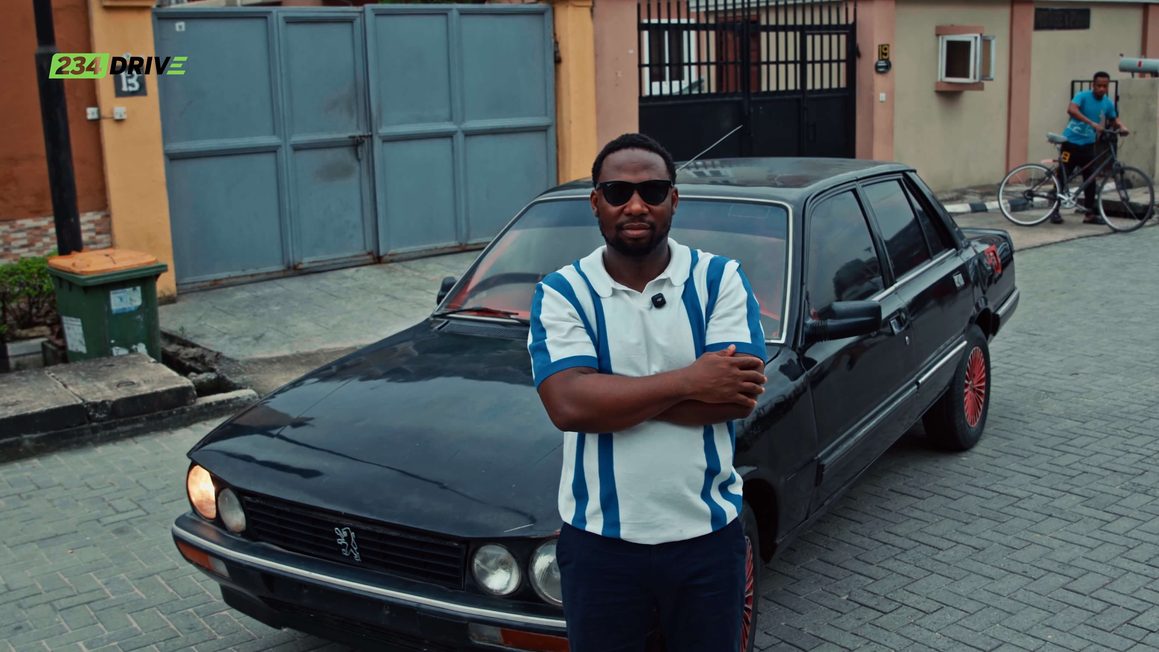
Owning a vintage car in a busy city like Lagos comes with challenges, particularly when body repairs are needed. After a serious accident on Awolowo Road in Ikeja, the Peugeot’s sturdy construction protected Ameen, allowing him to walk away without a scratch despite the lack of airbags.
However, replacing damaged body panels like fenders and bumpers proved arduous, requiring extensive searches of local scrap markets and a trip to Ibadan to track down replacement lights; reports suggest that dealers keep larger spare parts in Kaduna. Driving a rolling piece of Nigerian industrial history naturally attracts intense public attention. Whether he parks in his estate or navigates traffic lights in upscale neighbourhoods like Ikoyi, wealthy motorists and curious passersby constantly flag Ameen down.
People routinely approach him with blank cheques, throwing out staggering offers of ₦18 million, ₦20 million and a peak bid of ₦25 million. While Ameen admits that an offer as high as ₦25 million occasionally makes him pause, the car remains far more than a commodity because it is a living testament to Nigerian resilience, local manufacturing prowess, and a golden era when the nation proudly built what it drove.