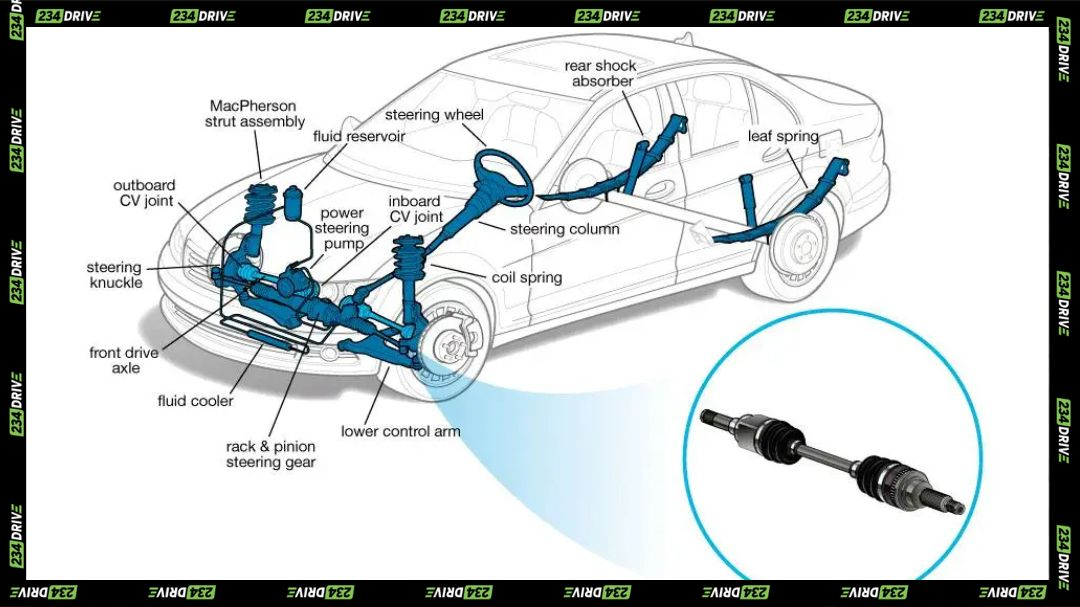

When it comes to automotive reliability, few debates generate as much passion as Toyota versus Honda. Both Japanese automakers have built sterling reputations over decades, consistently ranking among the most dependable brands on the market. But if you’re shopping for a new vehicle in 2025, which brand truly offers superior long-term reliability? The answer isn’t as straightforward as you might think.
The Numbers Tell an Interesting Story
The latest data from trusted sources reveals that Toyota holds a slight edge in overall reliability metrics. Consumer Reports’ 2025 survey, which analysed data from over 380,000 vehicles, awarded Toyota the top position with a score of 66 out of 100. Honda followed respectably in fourth place at 59 out of 100, with Subaru and Lexus positioned between them.
J.D. Power’s 2025 study paints a similar picture. Toyota ranked third among mass market brands with 162 problems per 100 vehicles, earning recognition with six model-specific awards including the Camry and RAV4. While Honda didn’t crack the top three in this particular ranking, the brand maintains strong marks elsewhere—RepairPal ranks Honda first overall among 32 brands with a 4.0 out of 5.0 rating, noting that only 10% of Honda repairs are severe compared to the 12% industry average.
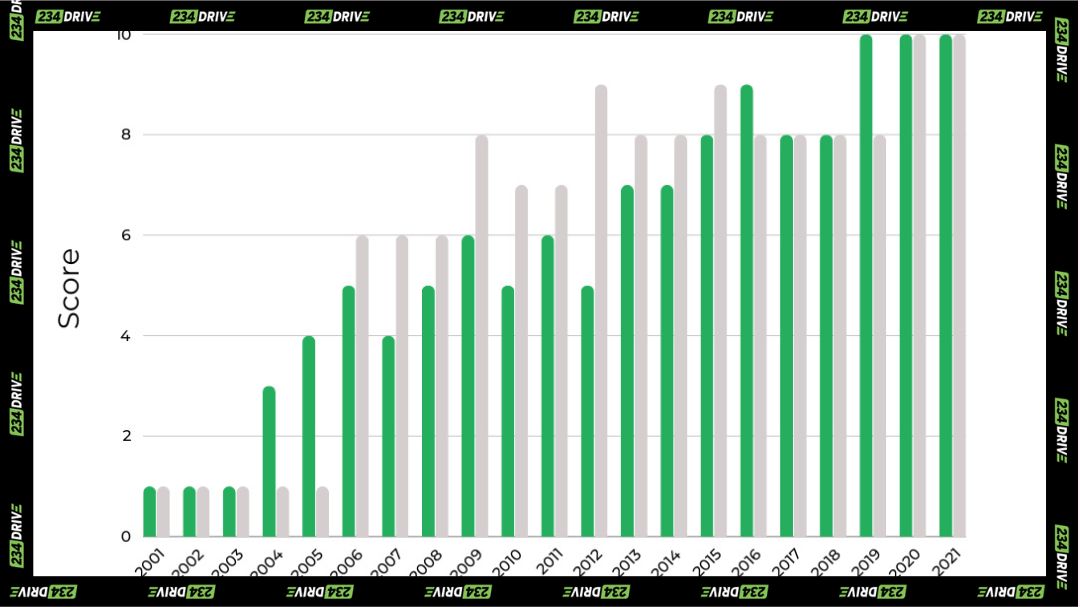
These statistics suggest that while Toyota may lead in raw reliability scores, the gap between these two automotive giants is narrower than many assume.
What Makes These Brands So Reliable?
Toyota’s approach to reliability stems from its legendary Toyota Production System, a manufacturing philosophy that prioritises quality control and defect minimisation. The brand takes a conservative stance on technology adoption, preferring to perfect features before rolling them out widely. This cautious strategy means Toyota vehicles often avoid the early teething problems that plague brands rushing to incorporate the latest tech.
Honda, founded by innovative engineer Soichiro Honda, has always emphasised performance alongside reliability. The brand’s famous VTEC engine technology balances power and efficiency, delivering a more engaging driving experience. While this performance focus occasionally introduces additional complexity, Honda has largely succeeded in maintaining strong dependability ratings while offering more dynamic vehicles.
Both brands excel in the hybrid segment, which shows 15% fewer issues than traditional gas vehicles according to recent studies. Toyota’s hybrid systems, particularly in models like the Prius, are renowned for longevity and minimal maintenance requirements. Honda’s hybrid offerings, including the CR-V and Civic Hybrid, deliver impressive efficiency with sporty handling characteristics, though some owners have reported occasional air conditioning concerns.
The Model-by-Model Breakdown
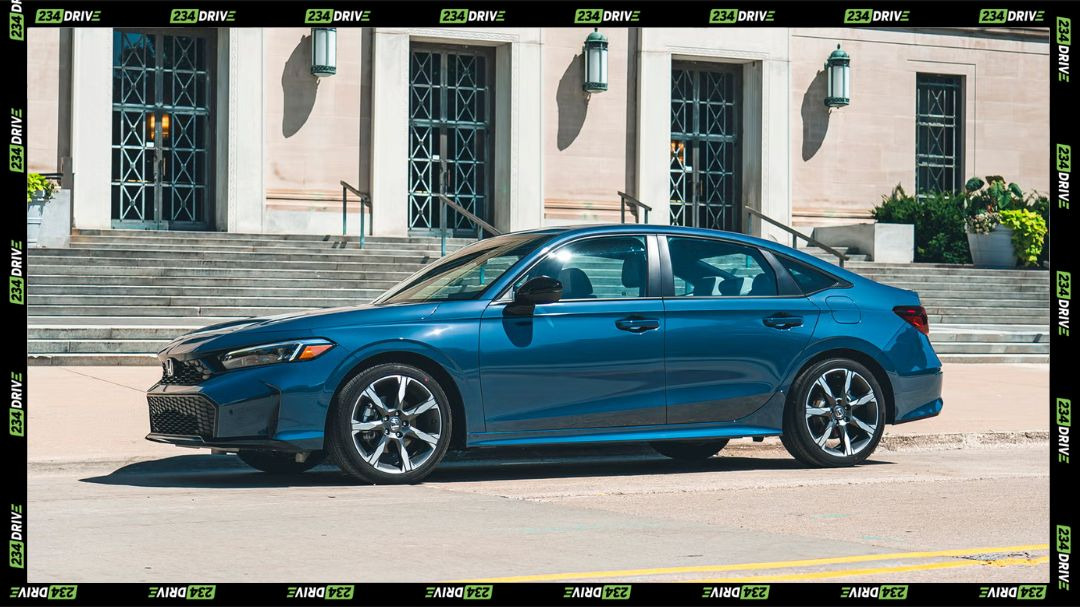
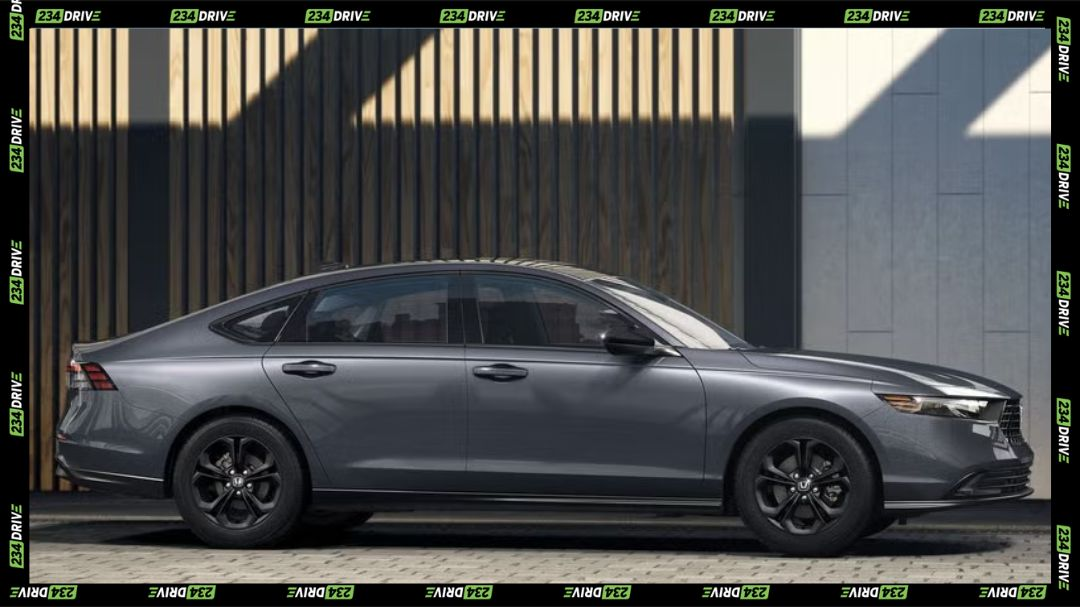
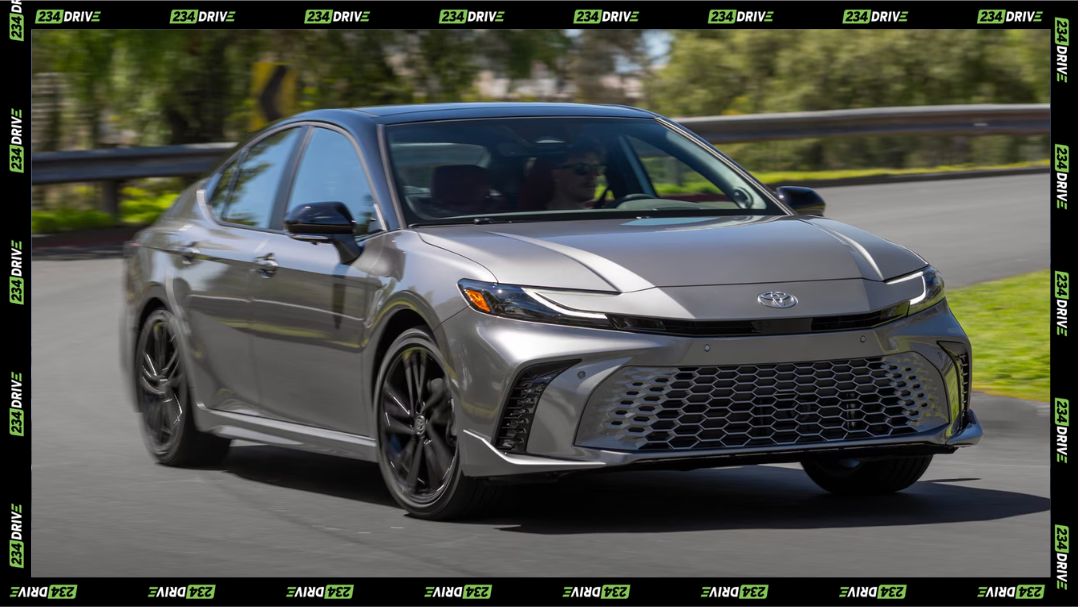
Looking at specific vehicle comparisons reveals where each brand shines. In the midsize sedan category, the Toyota Camry edges out the Honda Accord with a U.S. News score of 9.5 versus 9.3 out of 10. The Camry’s standard hybrid powertrain and stellar reliability record give it the advantage, though the Accord offers more interior space and a more engaging driving experience.
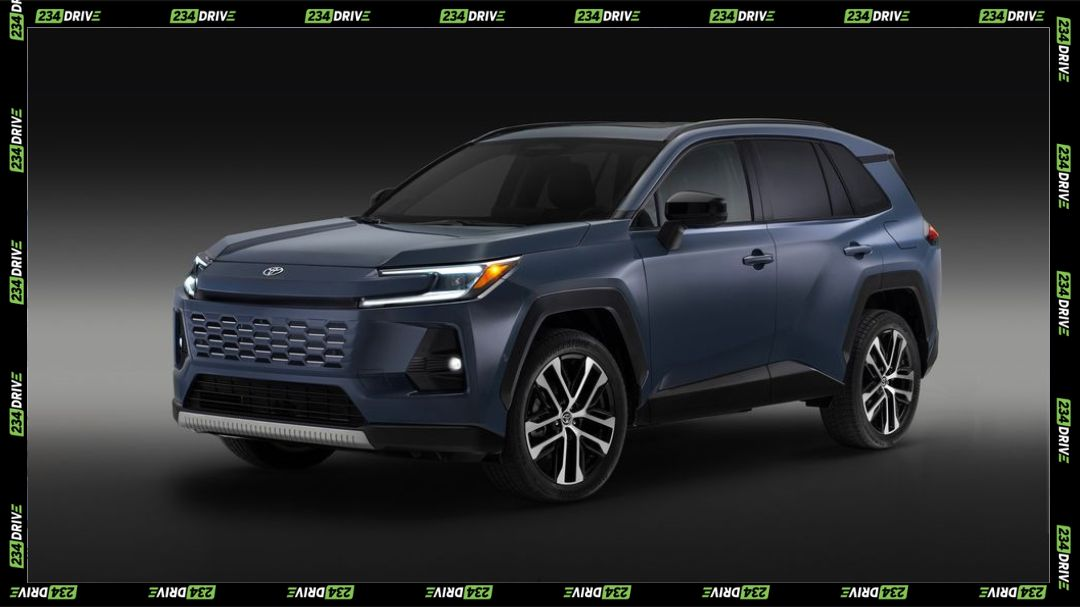
For small SUVs, the Honda CR-V slightly outpaces the Toyota RAV4 with scores of 8.9 and 8.8 respectively. The CR-V’s superior handling and refined ride quality appeal to drivers who prioritise dynamics, while both models demonstrate excellent hybrid reliability. In the compact car segment, Honda’s Civic dominates with a 9.2 rating compared to the Corolla’s 8.4, though Toyota’s hybrid variant offers unbeatable fuel efficiency.
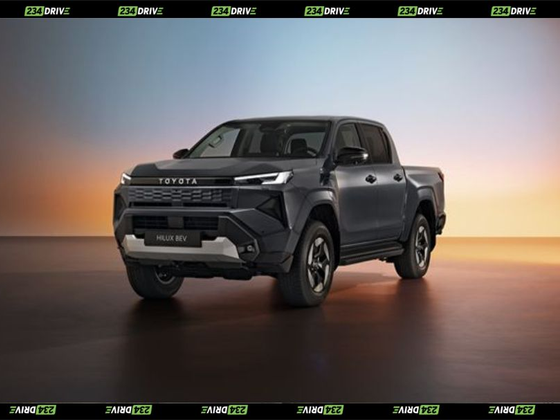
The truck category presents an interesting case study. Honda’s Ridgeline scores 9.0 against the Tacoma’s 8.9, offering a smoother, more car-like driving experience. However, Toyota’s Tacoma maintains better resale value, retaining over 64% of its value after five years—a testament to the brand’s reputation for durability.
The Real Cost of Ownership
While both brands are affordable to maintain, slight differences exist. Honda averages $428 in annual maintenance costs, slightly lower than Toyota’s $441. Over a decade, Honda owners can expect to spend around $7,500 compared to Toyota’s $6,000, though these figures vary significantly by model and driving habits.
Where Toyota truly excels is resale value. Models like the Camry retain 62-64% of their value after five years, outperforming most competitors. This stronger resale value often offsets any difference in maintenance costs, making Toyota vehicles attractive investments for buyers concerned about long-term value retention.
Parts availability also favours Toyota slightly. With a larger global footprint and extensive dealer network, finding replacement parts and qualified mechanics is often easier for Toyota owners. This translates to less downtime and faster repairs when issues do arise.
No Brand Is Perfect
Neither brand is immune to problems. Toyota faced what some called a “reliability crisis” in 2024-2025, with recalls affecting 100,000 Tundra trucks due to engine debris concerns. The redesigned Tacoma experienced transmission issues that prompted a Technical Service Bulletin. These problems, while addressed promptly, reminded consumers that even the most reliable brands face occasional setbacks.
Honda has its own challenges, particularly with its 1.5-litre turbocharged engines, which have experienced oil dilution issues in certain conditions. Some earlier Pilot models suffered from transmission problems, and the 2025 CR-V hybrid saw reports of air conditioning failures. These concerns, while not widespread, demonstrate that Honda’s pursuit of performance can sometimes introduce additional complexity.

What Owners Are Saying
Real-world feedback from owners reveals nuanced perspectives. Toyota owners consistently praise their vehicles as “bulletproof,” with many reporting trouble-free operation beyond 200,000 miles. However, some criticize the brand for conservative styling and outdated infotainment systems that lag behind competitors.
Honda enthusiasts appreciate the brand’s superior driving dynamics and more modern interiors. The consensus among Honda fans is that their vehicles offer a better balance of reliability and enjoyment. Some note that Honda’s sportier character comes with slightly higher fuel consumption in non-hybrid models, but most consider this a worthwhile trade-off.
Making Your Decision
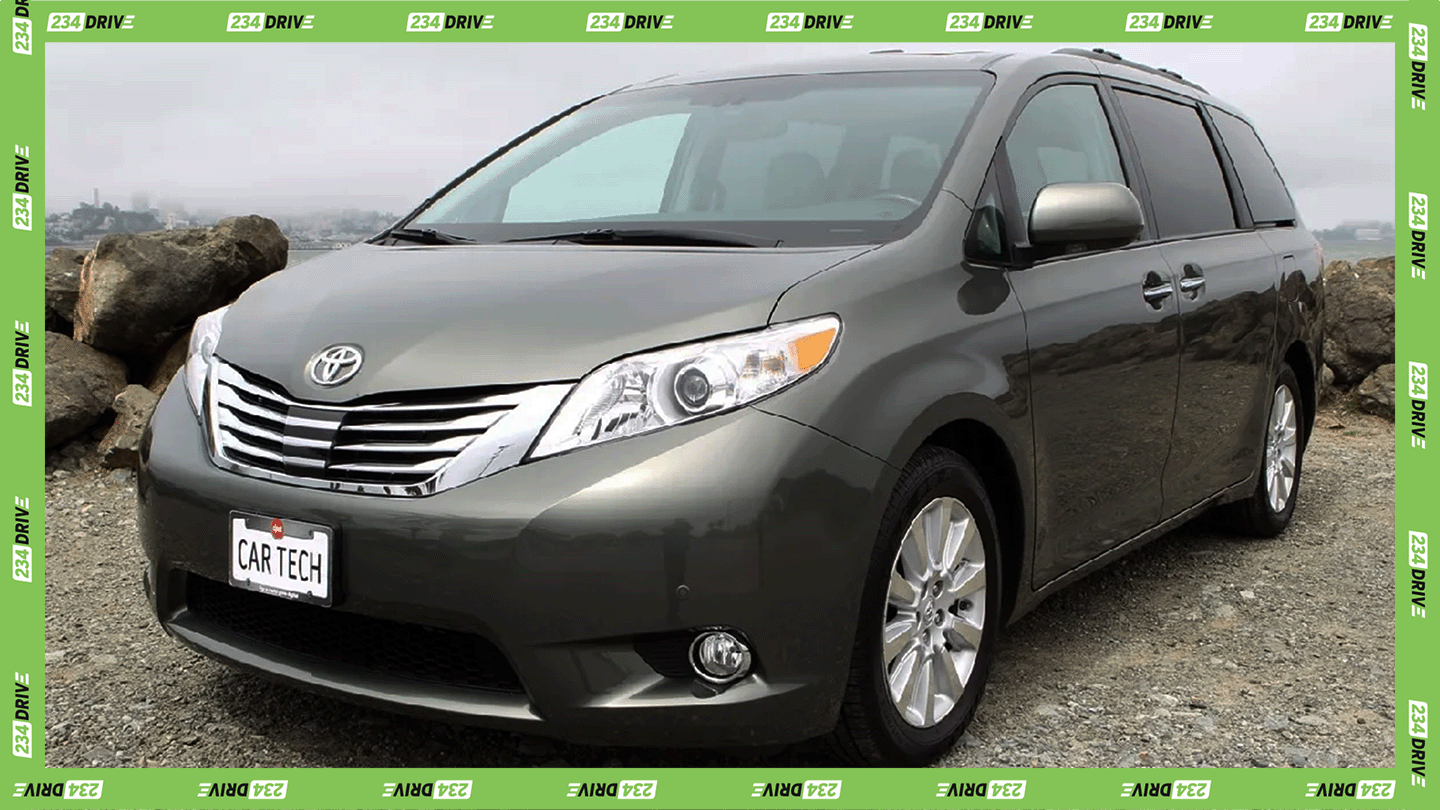
So which brand should you choose? The answer depends on your priorities. If maximum long-term durability and resale value top your list, Toyota’s slight statistical advantage and conservative engineering approach make it the safer bet. Models like the Camry, RAV4, and Prius represent some of the most dependable vehicles ever produced.
If you value driving engagement and want a vehicle that’s both reliable and fun, Honda deserves serious consideration. The Civic, Accord, and CR-V offer excellent dependability while delivering more spirited performance and modern features. For families prioritising versatility, the Honda Pilot or Odyssey provide flexible seating and strong reliability records.
Ultimately, both brands consistently rank among the industry’s best for dependability. You can’t go wrong with either choice—it’s more about finding the right model that matches your lifestyle and preferences. Whether you prioritise Toyota’s legendary durability or Honda’s blend of reliability and performance, you’ll be driving one of the most dependable vehicles on the road today.