
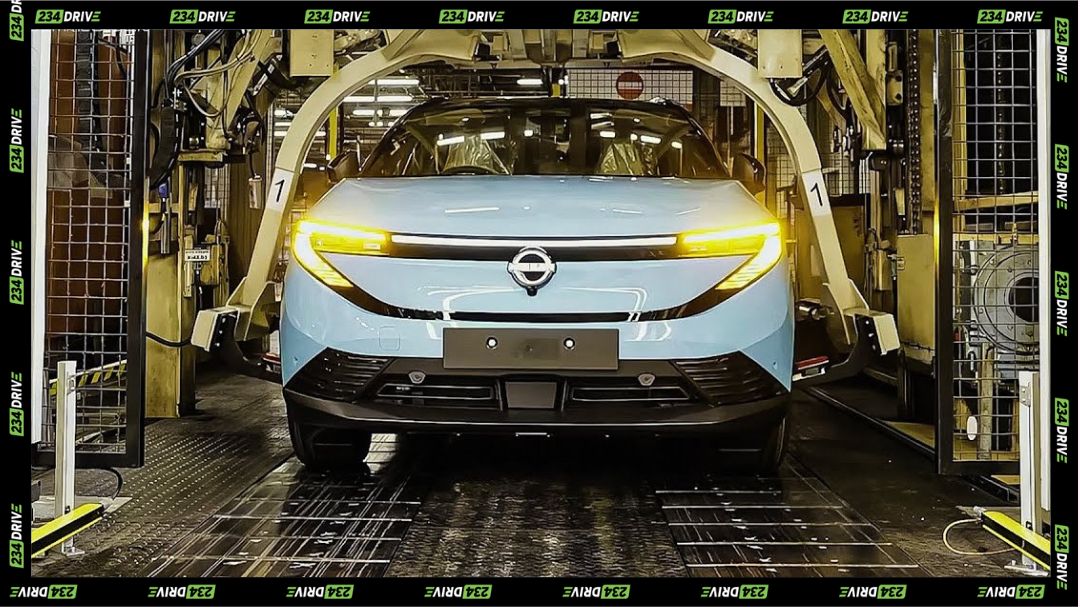
A massive £450 million investment has just galvanised the UK’s automotive sector, confirming the nation’s largest car factory is now firmly focused on an electric future. Nissan officially marked a pivotal moment in the UK’s transition to electric mobility on 16th December 2025, commencing high-volume production of the third-generation Leaf electric crossover at its revitalised Sunderland plant. This colossal investment, over £300 million of which was poured directly into the North East site, secures the future of 6,000 jobs at the factory and supports thousands more throughout the supply chain, representing the first new high-volume electric car to be produced in the UK since 2020.
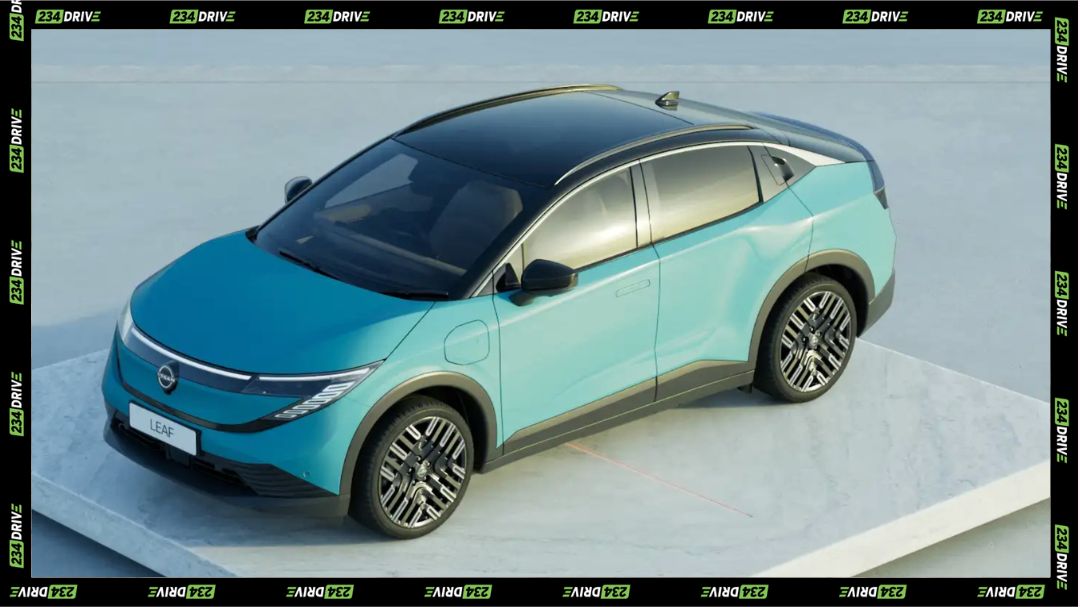
The new Leaf is no longer the compact hatchback of old, but a sophisticated electric crossover built on the CMF-EV platform, which underpins several models across the Renault-Nissan-Mitsubishi Alliance. Equipped with a liquid-cooled battery capacity of up to 75 kWh, it boasts an impressive WLTP range of up to 622 kilometres (or approximately 386 miles) and supports next-generation 150 kW DC fast charging, allowing drivers to recoup up to 420 km of range in just half an hour. Inside, the vehicle is future-proofed with twin 14.3-inch integrated screens and the adoption of Google built-in infotainment, alongside advanced driver assistance systems like ProPILOT Assist, positioning it as a genuinely compelling alternative to traditional internal combustion engine vehicles.
This initiative operates under Nissan’s world-first EV36Zero strategy: Nissan is the manufacturer, combining its advanced, highly automated Sunderland facilities—now capable of producing one car per minute—with the adjacent AESC gigafactory which acts as the dedicated battery power source. The UK Government has played a crucial role as the facilitator, with the Leaf qualifying for the full £3,750 electric car grant and additional funding having been allocated to the North East region to support this transition. Business and Trade Secretary Peter Kyle hailed the news, underscoring the massive state investment in the auto sector delivered through the modern Industrial Strategy.
The commencement of high-volume Leaf production is a profound vote of confidence in British manufacturing and a clear strategic pivot by Nissan. It signals a dedication to securing a resilient, regional EV supply chain, aligning perfectly with Nissan’s Ambition 2030 plan to achieve carbon neutrality by 2050, with Sunderland positioned as the company’s dedicated European hub for electrified vehicles.
This rapid transformation demonstrates the accelerating pace required to remain competitive in the global EV arms race. While the second-generation Leaf, with its 62 kWh battery, offered a maximum range of around 385 km, the third generation’s superior range, faster charging, and crossover styling immediately places it in direct competition with newer European rivals. The technological leap is stark, demonstrating how quickly market demands and platform sharing—such as the CMF-EV base—are driving performance improvements across the board.
Nissan’s execution of the transformation has been meticulous, enabling the production of electric vehicles on the plant’s Line Two for the first time. The facility received significant technological enhancements, including 137 new press dies, 78 high-tech robots, and 475 automated guided vehicles to optimise parts delivery. The efficiency of the operation is highlighted by the state-of-the-art battery marriage facility, which precisely installs the large battery pack in a lightning-fast 56 seconds. This massive shift in production strategy was underpinned by an investment of more than 360,000 hours of training provided to the 6,000-strong workforce, ensuring a seamless adoption of advanced manufacturing skills.
As a pioneer in mass-market electric vehicles, Nissan’s track record is well-established, with over 282,000 Leafs having been manufactured in Sunderland since 2013. This Leaf relaunch is merely the start for the site, which is already gearing up to produce an all-electric version of the popular Juke model on Line Two starting next year, further cementing the North East’s status as a centre for green, high-quality jobs.
As Business and Trade Secretary Peter Kyle stated, Sunderland is now the “beating heart” of the UK’s automotive industry. This massive investment and subsequent production launch successfully moves the UK’s EV ambition from a policy discussion to large-scale, fleet-ready operations, signalling a definitive turning point for electric vehicles in the region and ensuring the country remains a serious contender in the future of transport.