
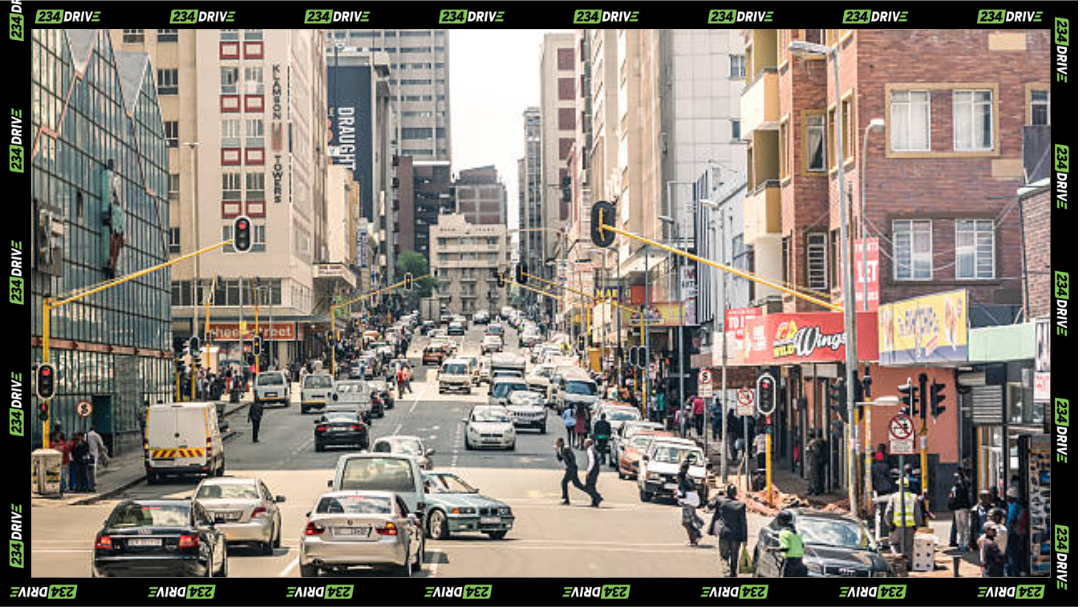
Busy city streets hint at a future where used cars may soon outnumber new buys, gradually reshaping daily traffic and urban movement. | Source: istockphoto
Secondhand cars are slowly becoming a centrepiece for new owners in South Africa’s car market. This trend change is mainly due to changes in living costs, the overall expense of vehicle finance, and a shift in buyer priorities that have pushed used vehicles from a backup option to the first choice for many motorists.
Dealerships and online marketplaces are seeing sustained demand for pre-owned cars as buyers look for value, reliability, and predictable ownership costs. For households and small businesses that rely on cars daily, affordability now matters more than showroom appeal.
Why Buying a Used Car Is No Longer a Gamble in South Africa
Used-car purchases are increasing because they make financial sense. Now that higher interest rates are raising monthly repayments on new cars, insurance premiums and running costs have followed the same upward path. Buying secondhand reduces upfront prices and cuts long-term financial exposure.
At the same time, modern vehicles last longer. A well-maintained car that is four or five years old is no longer viewed as risky or outdated. Buyers see these vehicles as proven products that have already absorbed the steepest depreciation while still offering years of usable life.
Moreover, technology has also removed much of the ‘guesswork’. Vehicle history reports, pricing tools, and certified pre-owned programmes have made the used market transparent and professional. This has led to growing confidence in used cars, and buyers moving faster when clean, well-priced cars appear on the market.
Car Ownership Is Shifting From Status to Practicality
Car ownership in South Africa is becoming increasingly practical rather than just a milestone marking. Buyers these days are checking fuel efficiency, reliability, and service availability over novelty and basic aesthetics. Models with strong track records and affordable maintenance dominate demand, especially among younger professionals and families working within limited budgets.
One could say the mentality shift is spurred by economic realities and available information. The thought that cars are tools that need to work consistently, not assets meant to impress, seems to be on the minds of many.
Used-Car Demand Is Growing, but South Africa Is Not Lifting Its Import Ban
While local demand for used cars is rising, South Africa maintains a strict ban on importing used vehicles. The policy, enforced under trade and safety regulations, aims to protect local manufacturing and prevent the inflow of unsafe or outdated vehicles.
Only narrow exceptions apply, including returning residents, immigrants, inherited vehicles, and classic cars, all of which require permits from bodies such as the International Trade Administration Commission and the National Regulator for Compulsory Specifications.
Some political voices have called for reform, suggesting a time-based import limit similar to systems used in Nigeria and Ghana to ease price pressure. Industry groups oppose this, warning that loosening the rules could weaken local production and undermine the automotive sector.