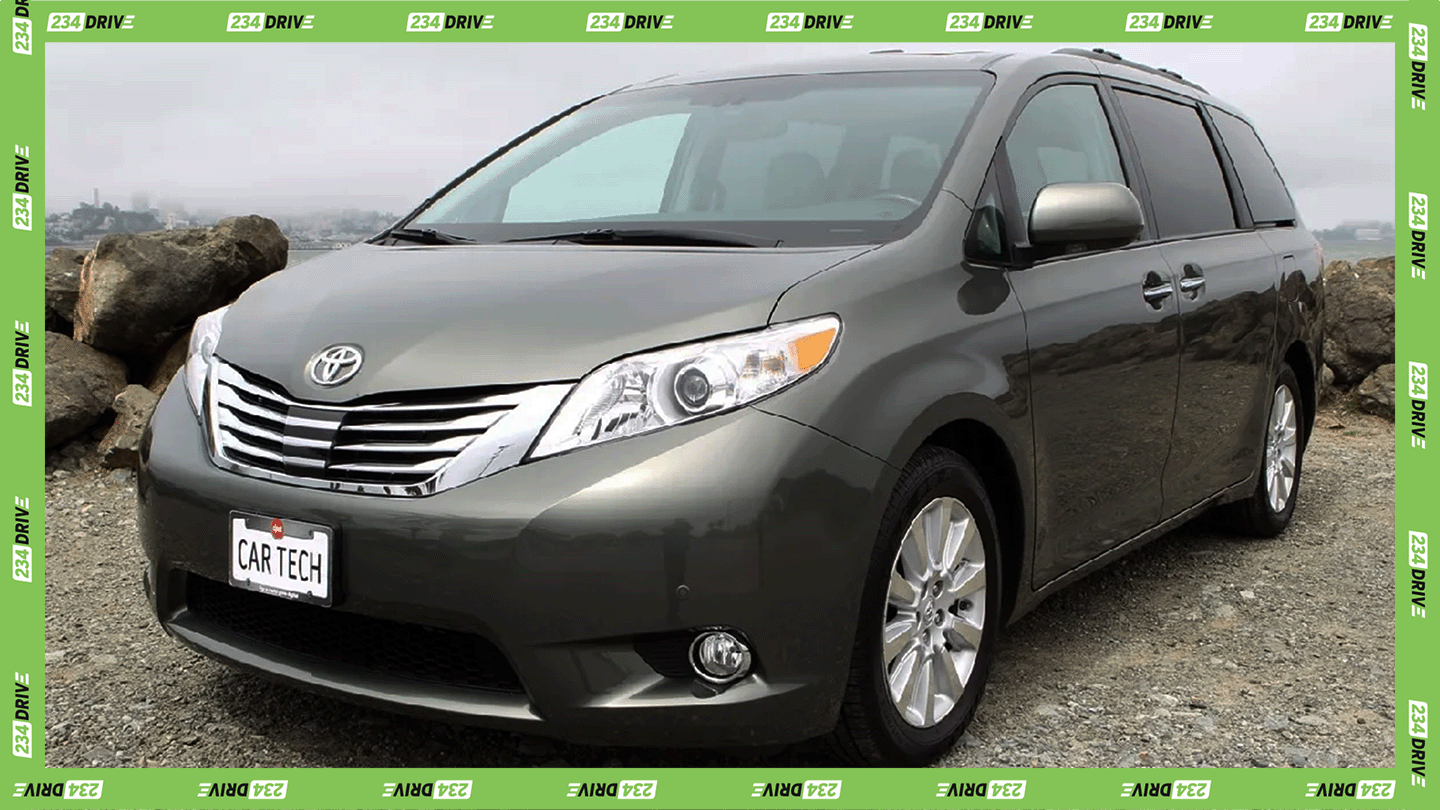

The Toyota Premio has established itself as a definitive icon within the Kenyan automotive landscape since its inception in 2001. Over two decades, this Japanese saloon has transitioned from a fresh import to the “gold standard” of reliability for the nation’s burgeoning middle class. Its career is defined by a consistent adherence to Toyota’s core philosophy of durability and functional elegance, spanning three distinct generations: the T24 series, the mid-cycle facelifts, and the final T26 series which concluded production in 2021. In the public eye, the Premio is viewed as more than just a vehicle; it is a statement of stability and sensible taste, favoured by professionals, families, and business owners who require a car that performs as well in the congested streets of Nairobi as it does on long-distance trips to the countryside.
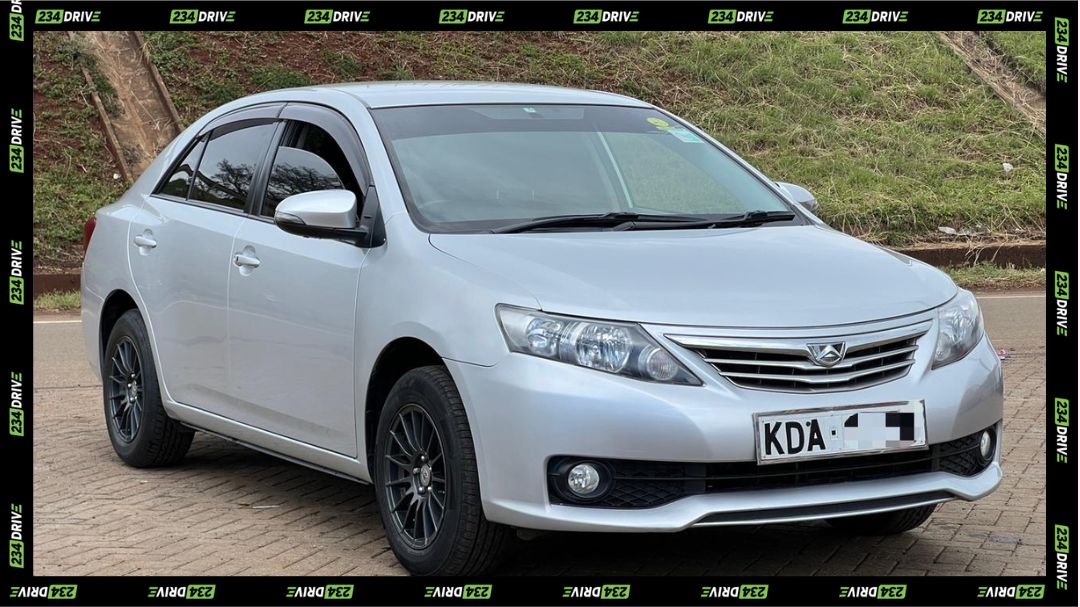
The public image of the Premio is inextricably linked to its reputation for retaining exceptional resale value and its ease of maintenance. While it may not possess the aggressive styling of a sports car, its understated aesthetic and premium-feel interior have secured its position as a highly aspirational yet attainable vehicle. Imported primarily from Japan through major ports like Mombasa, the Premio thrives on platforms like Jiji for sale, where its presence is ubiquitous. Owners are often identified as individuals who prioritise long-term value over transient trends, appreciating the vehicle’s “bulletproof” engineering. This article provides a detailed analysis of the various iterations of the Premio available in Kenya, exploring their specifications, pricing trends, and suitability for the local environment.
Pre-2010 Toyota Premio Models
The exterior design of the earlier Toyota Premio models, particularly the T24 generation and the early T26 series (2007–2009), is characterised by a clean, aerodynamic silhouette that was ahead of its time. These models feature a prominent chrome grille and large, swept-back headlamps that provide a dignified road presence. Despite their age, the paint quality and panel fitment often remain impressive, reflecting the high manufacturing standards of the era. The T24 models (2001–2007) offer a more rounded, classic look, while the early T26 versions introduced sharper lines and a more contemporary stance that helped the car age gracefully on Kenyan roads.
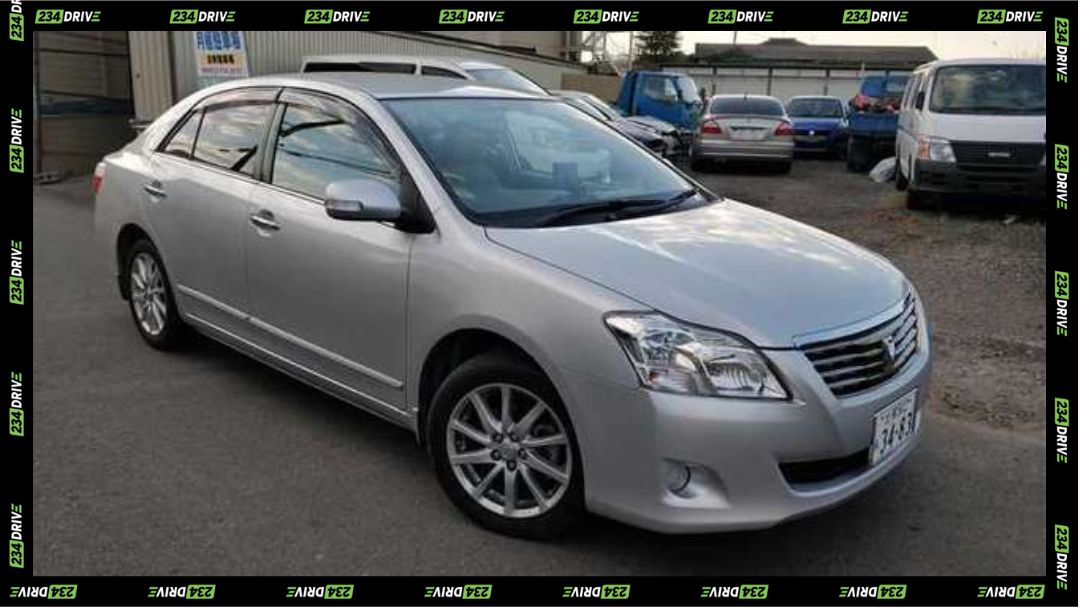
Inside, these older variants offer a surprisingly spacious cabin that accommodates five adults with ease. The interior is often finished in high-quality fabrics or synthetic leather, with wood-grain accents on the dashboard that lend an air of sophistication. Performance is delivered through the reliable 1.5-litre (1NZ-FE) or 1.8-litre (1ZZ-FE) petrol engines. The 1.5-litre variant produces approximately 109 hp, offering a balanced drive for city commuting, while the 1.8-litre engine provides a more robust 132 hp. These models are typically paired with a four-speed automatic or a CVT transmission. In the current Kenyan market, these budget Premio options are priced between KSh 350,000 and KSh 1,100,000, depending on the specific year and local usage history.

2010–2014 Toyota Premio Models
Models produced between 2010 and 2014 represent the sweet spot for many Kenyan buyers, offering a more modern aesthetic without the premium price tag of a fresh import. The exterior styling during this period saw the refinement of the T26 platform, featuring more intricate headlight clusters and a streamlined body that improves fuel efficiency. The road presence is subtle yet authoritative, making it equally suitable for corporate environments and personal use. These models often come equipped with 15-inch or 16-inch alloy wheels, which complement the car’s sleek profile and provide a stable footprint on varied road surfaces.
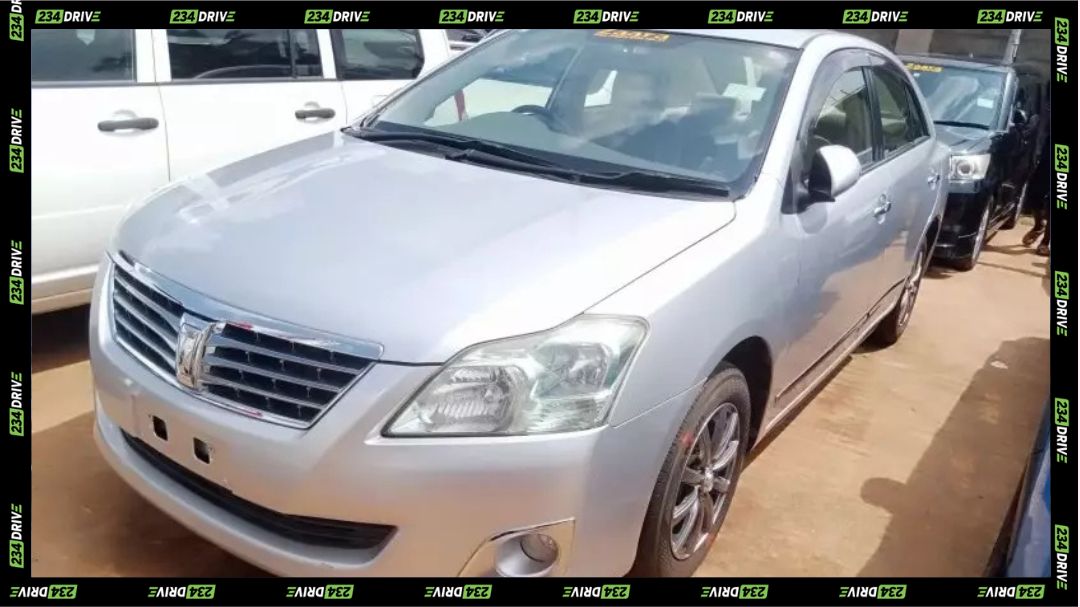
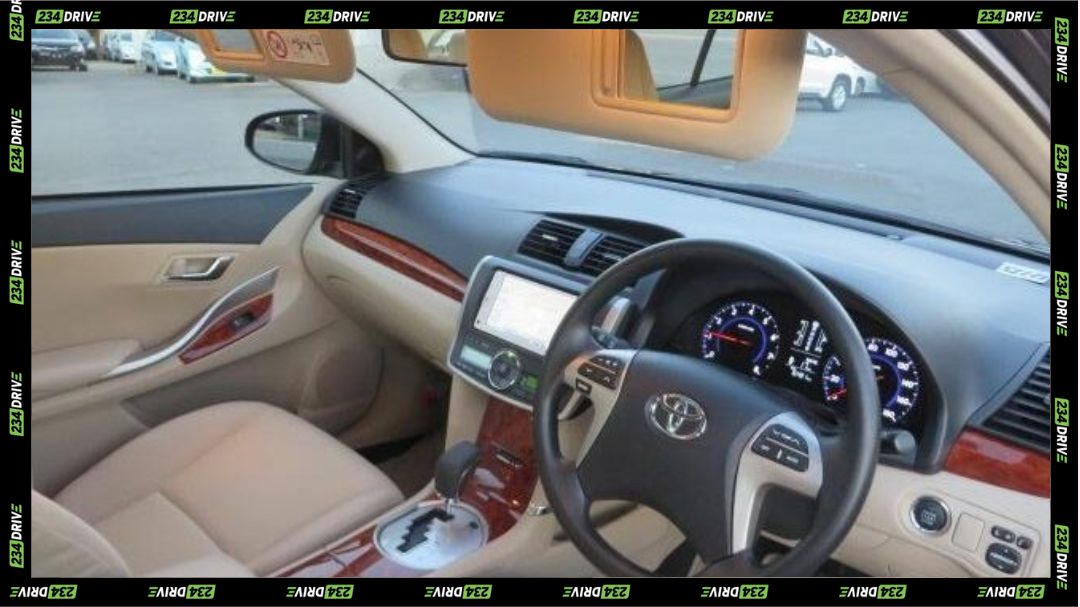
The interior of the 2010–2014 models saw significant upgrades in materials and technology. Drivers benefit from improved sound insulation and more ergonomic seating, with later models in this range introducing basic touchscreen infotainment systems and reverse cameras. Under the bonnet, the 1.8-litre engine was updated to the 2ZR-FAE variant, featuring Valvematic technology that boosts output to 143 hp while improving fuel economy to a range of 13–15 km/L. The driving dynamics are tuned for comfort, with a soft suspension setup that excels at absorbing minor road imperfections. Prices for these mid-range models typically fluctuate between KSh 720,000 and KSh 1,900,000, influenced heavily by the mileage and the specific trim level, such as the popular ‘F’ or ‘X’ variants.
2015–2017 Toyota Premio Models
The 2015 to 2017 iterations of the Premio introduced a more aggressive and premium exterior design language. This era is marked by the introduction of sharper LED daytime running lights and a redesigned front fascia that gives the car a much more modern and “executive” appearance. The chrome detailing is more pronounced, and the overall build feels more substantial, providing a road presence that rivals many European saloons in its class. These models are highly sought after in the “freshly imported” market in Kenya, as they often arrive with lower mileage and in pristine condition.
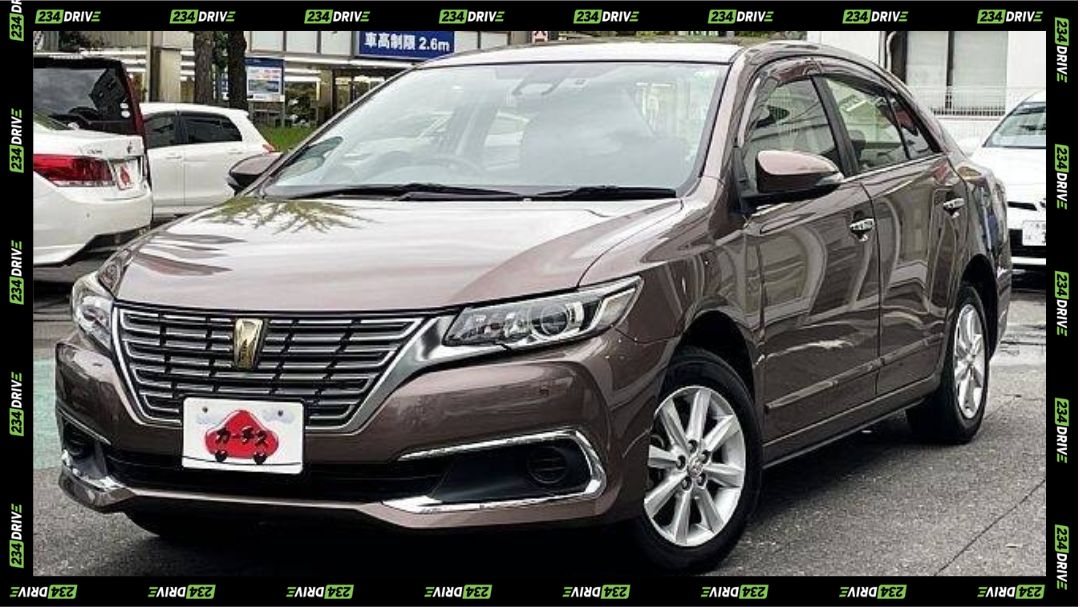
Technologically, the 2015–2017 models are a significant step up. The interior comfort is enhanced by automatic climate control, multi-function steering wheels, and improved safety kits including multiple airbags and Electronic Stability Control (ESC). The 1.5-litre and 1.8-litre engines remain the staples, paired with an optimised Super CVT-i transmission that ensures seamless power delivery and excellent fuel efficiency, often reaching up to 16 km/L on the highway. These models are ideally suited for the professional who demands reliability without compromising on modern amenities. Currently, these vehicles command prices between KSh 1,700,000 and KSh 3,200,000, reflecting their high demand and modern feature set.
2018–2021 Toyota Premio Models
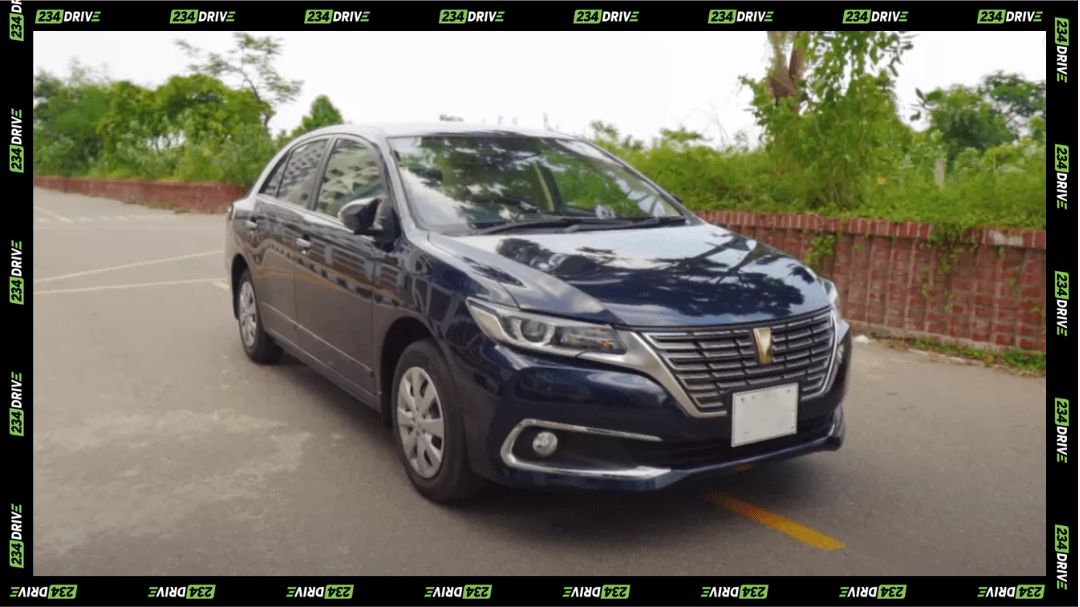
As the final production run of this legendary nameplate, the 2018–2021 models represent the pinnacle of the Premio’s evolution. The exterior design is the most refined in the series, featuring a sophisticated grille design, elegant LED tail lights, and a more aerodynamic profile that minimises wind noise. The road presence is decidedly upscale, often mistaken for more expensive luxury brands from a distance. These units are frequently seen with premium paint finishes and 17-inch alloy wheels, making them stand out in Nairobi’s competitive automotive scene.
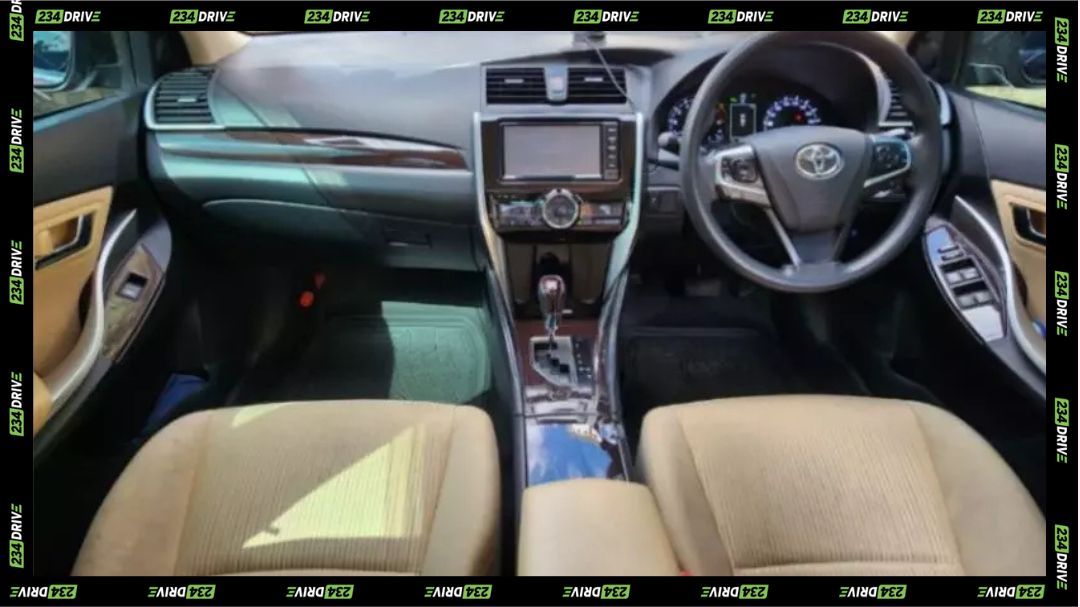
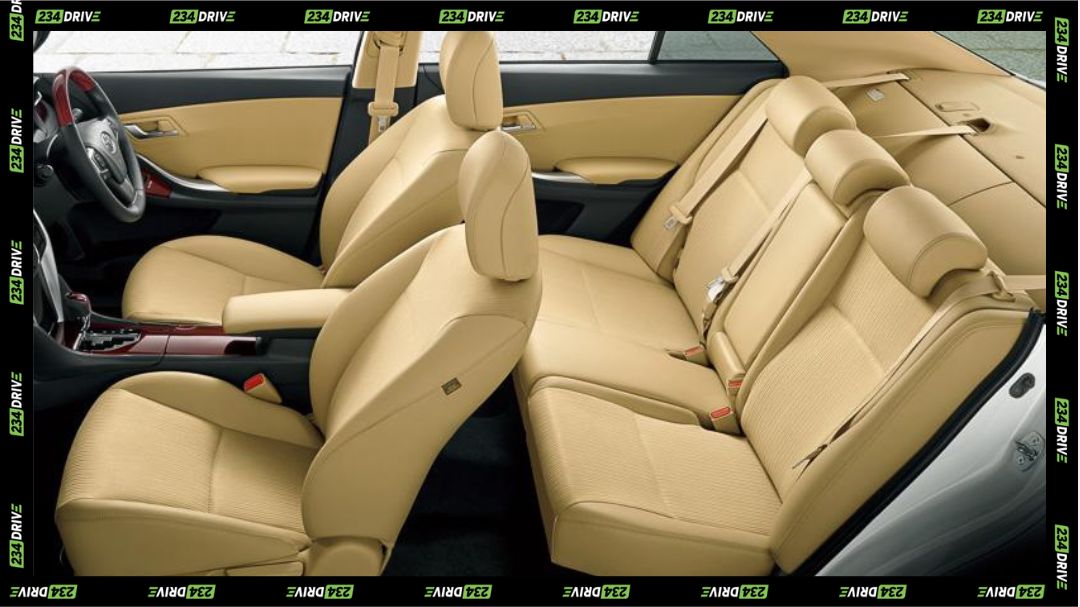
The interior of these final models is a masterclass in functional luxury. Premium G and EX trims often feature high-quality leather upholstery, advanced infotainment with smartphone integration, and the Toyota Safety Sense package, which includes lane departure alerts and pre-collision systems. The performance is smooth and refined, with the 1.8-litre engine offering ample power for overtaking on Kenyan highways while maintaining a quiet cabin environment. With mileages typically ranging from 16,000 km to 60,000 km, these near-new imports are the best choice for long-term ownership. However, they come at a premium, with prices ranging from KSh 2,915,000 to over KSh 4,500,000 for top-tier 2021 models.
How It Fits in Kenya.
In the context of the Kenyan driving environment, the Toyota Premio’s relevance cannot be overstated. Kenya’s diverse terrain, which includes everything from smooth multi-lane highways to potholed urban roads and dusty rural paths, requires a vehicle with a robust suspension and reasonable ground clearance. The Premio’s 145–150mm clearance is generally sufficient for most paved and semi-paved roads, and its suspension is specifically tuned for comfort, making it a favourite for long-distance travel between cities like Nairobi and Kisumu. Furthermore, Kenya’s tropical climate demands cooling systems that are both durable and efficient; the Premio’s air conditioning and engine cooling systems are renowned for their ability to withstand high temperatures without failure.
From a lifestyle and practical perspective, the availability of maintenance and spare parts is a critical factor for Kenyan owners. The Premio shares many mechanical components with other popular Toyotas like the Allion and the Corolla, ensuring that parts—both new and used—are readily available in hubs like Kirinyaga Road in Nairobi or through official channels. This widespread availability keeps maintenance costs low and reduces downtime. Additionally, the vehicle’s prestige remains high; owning a clean, late-model Premio is a recognised symbol of success and reliability in Kenyan society. It serves as a versatile tool for the modern Kenyan, functioning as a professional commuter during the week and a dependable family carrier for the “shamba” (farm) visits over the weekend.
Competitive Positioning and Market Rivals
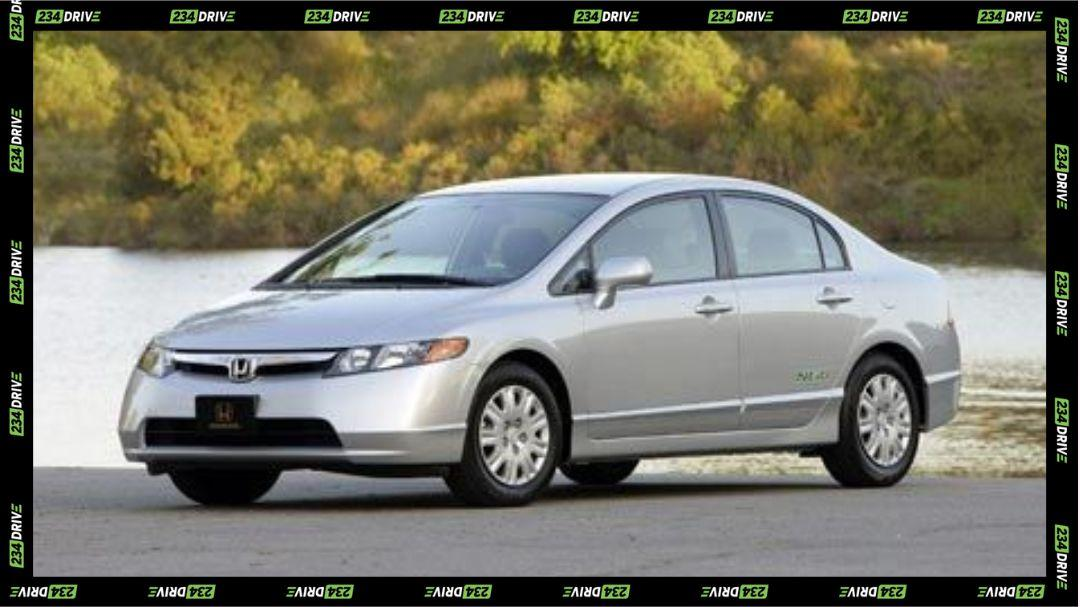
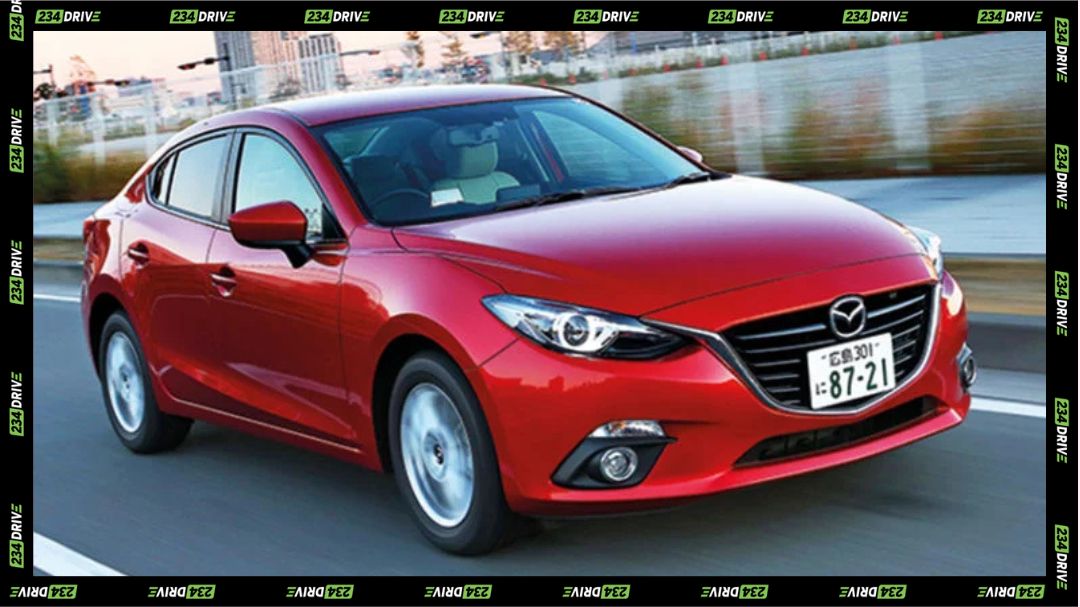
When compared to its closest rival, the Toyota Allion, the Premio is often positioned as the more “mature” and “executive” sibling. While both cars share the same platform and mechanical underpinnings, the Premio typically holds a slightly higher resale value in the Kenyan market due to its more conservative styling, which appeals to a broader demographic. Against non-Toyota competitors like the Honda Civic or the Mazda Axela, the Premio excels in terms of durability and the sheer scale of the support network available in Kenya. While the Civic might offer a more engaging driving experience and the Axela more avant-garde styling, neither can match the Premio’s reputation for withstanding the rigours of local conditions over a decade of use.
In terms of maintenance and long-term cost, the Premio consistently outperforms rivals in its segment. The simplicity of its naturally aspirated engines makes them easier to service for local mechanics compared to the turbocharged or direct-injection units found in some European or newer Japanese competitors. Resale value remains the Premio’s strongest asset; whereas a competitor might lose 40% of its value in three years, a well-maintained Premio often retains a much larger portion of its initial price. This makes it not just a transport solution, but a sound financial investment for the average Kenyan motorist who views their vehicle as a liquid asset.
Conclusion
The Toyota Premio remains a towering figure in the Kenyan automotive market, offering a blend of reliability, comfort, and value that is difficult to surpass. Whether you are looking at an older budget-friendly model or a premium 2021 import, the Premio delivers a consistent experience that prioritises the needs of the driver. Its strengths lie in its “bulletproof” engines, exceptional resale value, and the ease with which it can be maintained anywhere in the country. We invite you to share your thoughts—have you owned a Premio, or are you considering one for your next purchase? Let us know your experiences in the comments below!