
The 2025 BMW M5, internally designated as the G90, marks a transformative chapter in the history of the world’s most iconic performance sedan. For the first time, BMW’s M division has integrated plug-in hybrid technology into the M5, a move designed to reconcile staggering power outputs with the evolving global demands for efficiency. In the Kenyan automotive market, the M5 has long been a symbol of ultimate executive prestige, favoured by high-net-worth enthusiasts who demand a vehicle capable of seamless transitions between professional urban commuting and high-speed continental touring. This seventh-generation model arrives with a public image of “electrified aggression,” cementing its position as a high-technology benchmark within the local luxury segment.
The arrival of the G90 generation coincides with a period of significant change in Kenya’s import regulations and tax structures, making the M5 a notable investment for the discerning collector. Its reputation in the country is built upon decades of motorsport heritage, where the M badge commands immediate respect on the streets of Nairobi and Mombasa. While previous iterations relied solely on internal combustion, the 2025 model’s ability to operate in a silent, electric-only mode offers a new dimension of versatility for navigating congested city centres. This guide provides a detailed analysis of the new hybrid powerhouse and the thriving market for its celebrated predecessors in the region.
The 2025 BMW M5 (G90) Hybrid
The exterior design of the 2025 BMW M5 is a masterclass in functional aggression, featuring significantly wider wheel arches and a revised front fascia that distinguishes it from the standard 5 Series. The G90 generation incorporates a partially closed BMW kidney grille with M-specific double bars and an illuminated contour, creating a striking nighttime signature. Aerodynamic efficiency is prioritised through a prominent rear diffuser, quad exhaust outlets, and a subtle boot-lid spoiler, all of which contribute to its imposing road presence. In signature colours such as Isle of Man Green, the vehicle’s muscular silhouette is further accentuated, making it one of the most visually arresting saloons currently available on Kenyan roads.
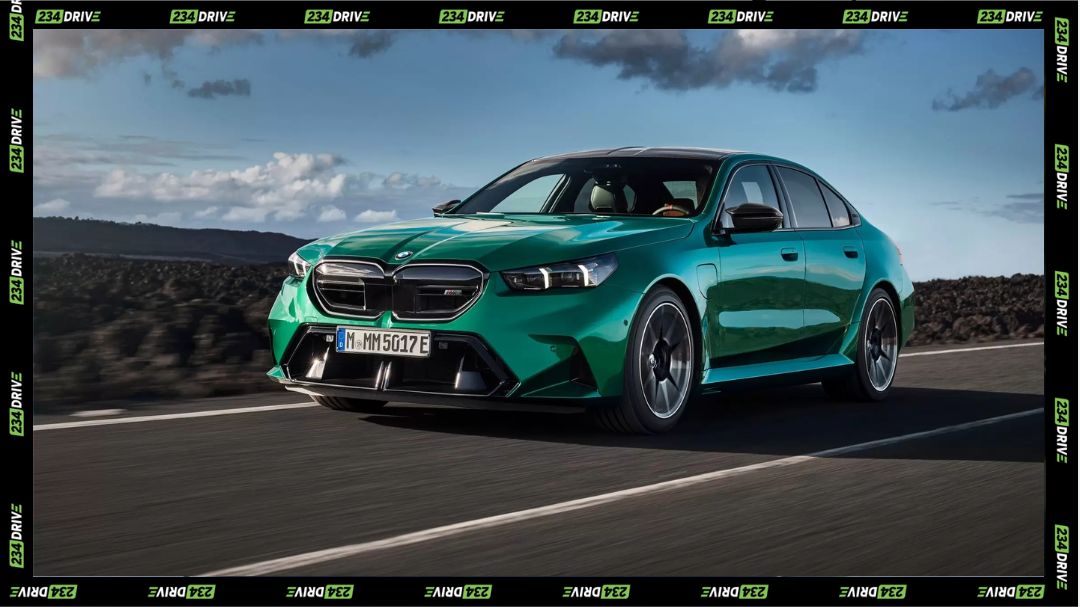
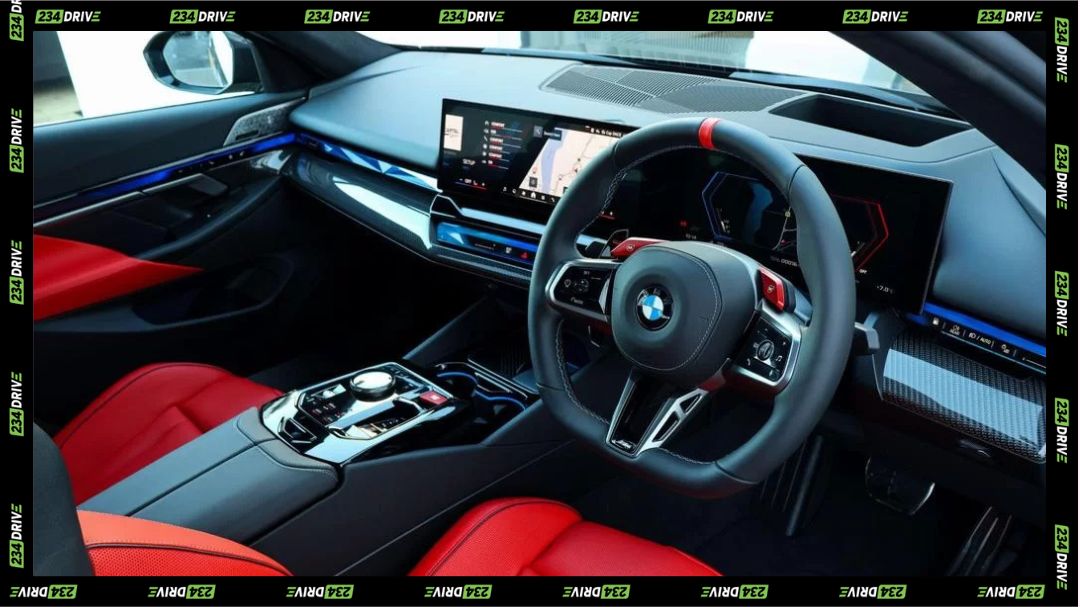
Beneath the metal, the G90 combines a 4.4-litre twin-turbocharged V8 engine with a 194-hp electric motor to produce a combined 717 horsepower and 738 lb-ft of torque. This powertrain is managed by an 8-speed M Steptronic transmission and the M xDrive all-wheel-drive system, enabling a 0-100 km/h sprint in just 3.5 seconds. The interior is equally impressive, featuring a 14.9-inch curved display running iDrive 8.5 and Merino leather upholstery as standard. In Kenya, new 2025 models are priced between KES 17 million and KES 23 million, depending on options such as the M Driver’s Package. Prospective owners often consult detailed technical specifications to understand the full capabilities of this complex hybrid system.
The 2017–2022 BMW M5 (F90 Generation)
The F90 generation remains a highly sought-after model in the Kenyan used car market due to its slightly more traditional approach to performance and lighter kerb weight. Its exterior design is characterised by a more restrained, classic “sleeper” aesthetic compared to the new hybrid, featuring an aluminium bonnet with M-specific creases and a carbon-fibre reinforced plastic (CFRP) roof to lower the centre of gravity. The styling is timeless, with the iconic 20-inch M light-alloy wheels and functional side gills that have become staples of the M5’s visual identity. For many Kenyan enthusiasts, this generation represents the pinnacle of M5 styling, offering a perfect balance of executive elegance and sporting intent.
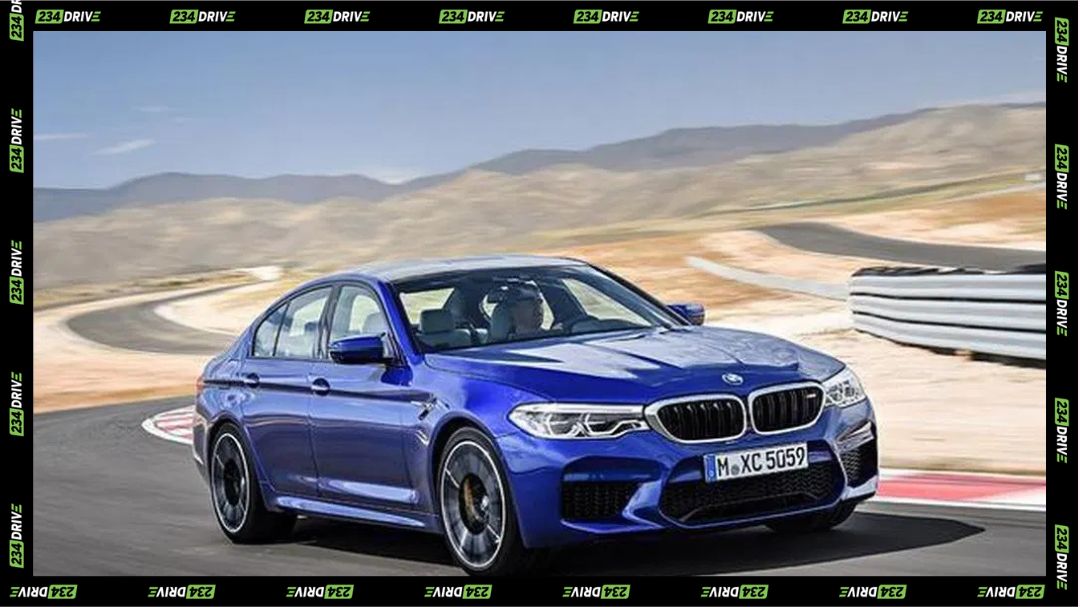
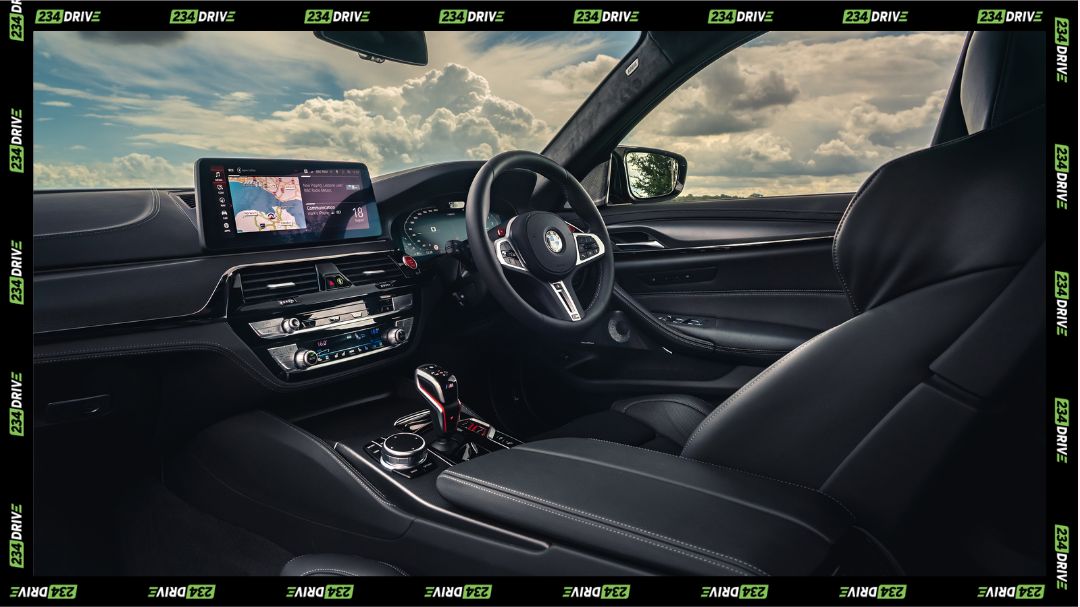
The F90’s cabin provides a luxurious sanctuary with M Multi-function seats and a driver-oriented dashboard that remains technologically relevant today. Powered by a non-hybrid 4.4-litre V8 producing up to 617 hp in Competition trim, it offers a raw, visceral driving experience that some purists feel is diluted in newer models. Performance remains world-class, and these units are frequently found available for purchase through premium local dealerships. Pricing for used F90 models in Kenya is varied; 2017–2019 units typically range from KES 6.5 million to KES 12 million, while low-mileage 2021–2022 examples can reach up to KES 13.8 million, including all requisite import duties.
Regional Suitability and Kenyan Driving Environment
Owning a BMW M5 in Kenya presents a unique set of practical considerations, primarily centred around the country’s diverse road infrastructure and fuel quality. The 2025 model’s adaptive M suspension is highly capable of managing the varied tarmac found in urban areas, though the low profile of the performance tyres and the car’s overall weight require caution when navigating large potholes or high speed bumps. Furthermore, the hybrid system’s 22.1 kWh battery offers up to 40 km of electric range, which is ideal for the crawl of Nairobi’s peak-hour traffic, though the lack of public charging infrastructure means most owners will rely on home-based wallbox chargers.
Prestige and lifestyle play a significant role in M5 ownership, as the car serves as a dual-purpose tool for both daily business and weekend retreats. High-performance maintenance is a critical factor; while standard servicing is available through authorised outlets like Inchcape Kenya, the specialised hybrid components of the G90 may require expert attention as the technology matures locally. Furthermore, the 2025 tax updates and the revised Current Retail Selling Price (CRSP) schedules mean that importing information is essential for anyone looking to bring a unit into the country. Despite these complexities, the M5 remains the vehicle of choice for those who value the combination of a high-end luxury cabin and supercar-rivalling performance.
Market Comparison and Rival Analysis
In the competitive landscape of high-performance executive saloons, the BMW M5 faces stiff competition from the Mercedes-AMG E63 and the Audi RS6 Avant. The M5 has historically held a slight edge in Kenya due to its perceived reliability and a more robust second-hand market. The transition to a plug-in hybrid powertrain in the 2025 model places it in a different tax bracket compared to older, purely petrol-powered rivals, which can influence the initial purchase price significantly. While the Mercedes-AMG E63 is often praised for its “brute force” character and luxurious interior, the M5 is frequently cited in performance testing as having a more sophisticated and adjustable chassis.
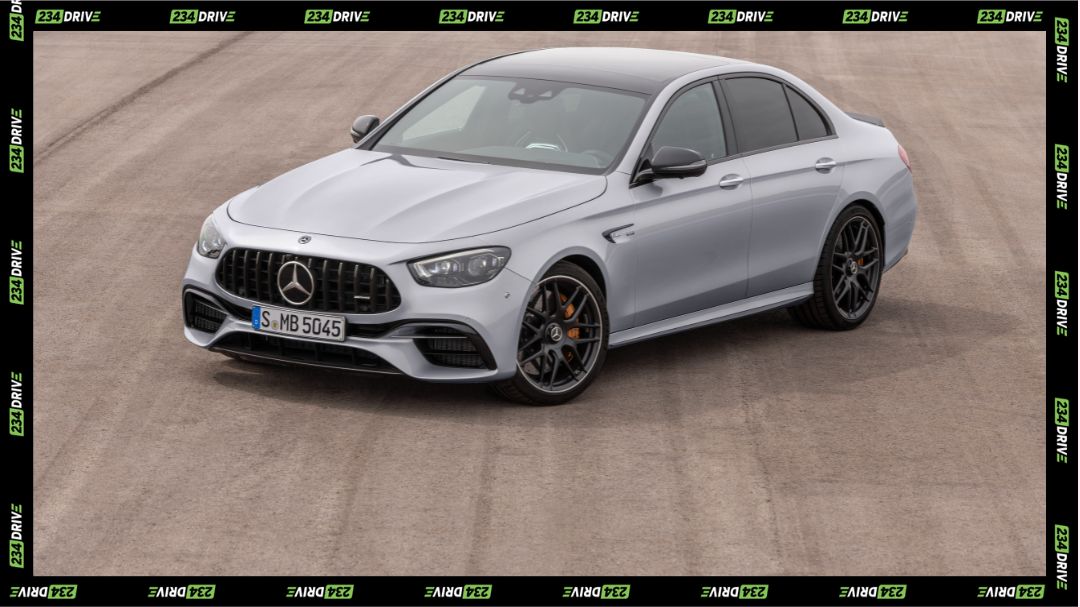
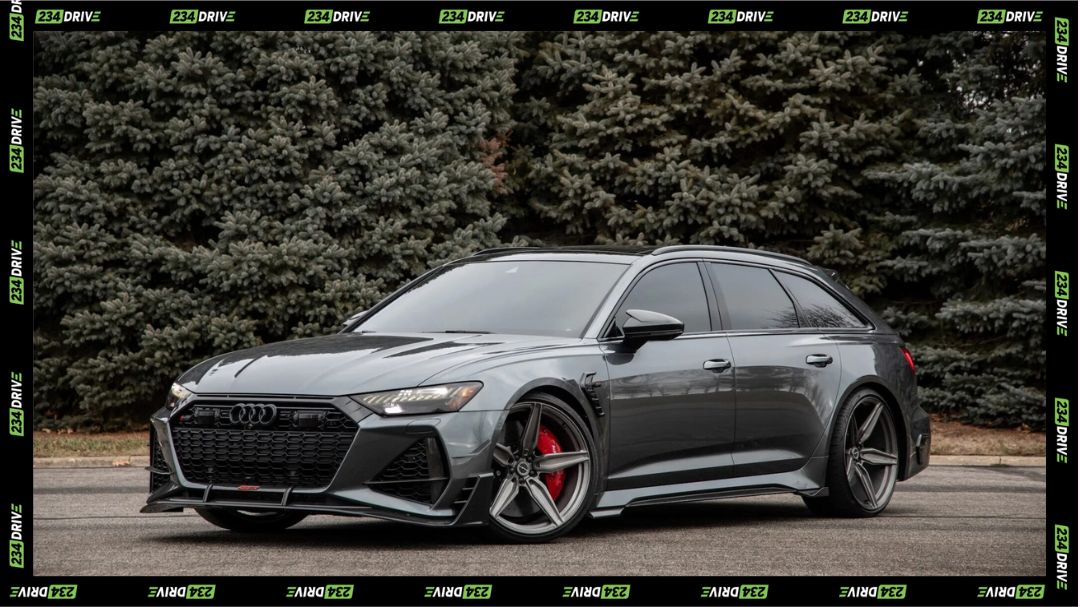
Resale value for the M5 in Kenya is remarkably resilient, particularly for well-documented units with full service histories. Maintenance costs for the M5 can be higher than its competitors, particularly regarding the complex electronics and the xDrive system, but its durability in the Kenyan climate is well-regarded among the enthusiast community. The availability of parts through both official and specialised independent dealers gives it a practical advantage over more niche European performance cars. For those looking to enter the segment, it is often useful to look through local market valuations to see how the M5 holds its value against the AMG and RS alternatives over a five-year ownership cycle.
Conclusion
The 2025 BMW M5 is a bold step forward, successfully integrating electrification into a package that remains defined by its explosive performance and executive luxury. While the added weight of the hybrid system is a point of discussion among purists, the G90’s ability to offer silent city driving alongside a 717-hp V8 makes it uniquely suited to the modern Kenyan lifestyle. With prices for new models reaching KES 23 million and the used market offering accessible entry points from KES 6.5 million, there is an M5 for every tier of high-performance enthusiast.
What is your take on the M5’s shift to hybrid power? Does the electric-only range make it more appealing for Nairobi’s traffic, or do you prefer the lighter, non-hybrid generations? Join the conversation in the comments below!