
The automotive luxury hierarchy has long been a fortress guarded by German and Japanese giants, but a formidable challenger from South Korea has effectively breached the walls. Genesis Motors, once a mere ambitious experiment within Hyundai, has evolved into a standalone powerhouse that is reshaping consumer expectations of premium mobility. With cumulative global sales surpassing one million units and a rapidly expanding footprint in the US and Europe, the brand has transitioned from a plucky upstart to a genuine heavyweight, leveraging a unique blend of audacious design and engineering prowess to unsettle the status quo.
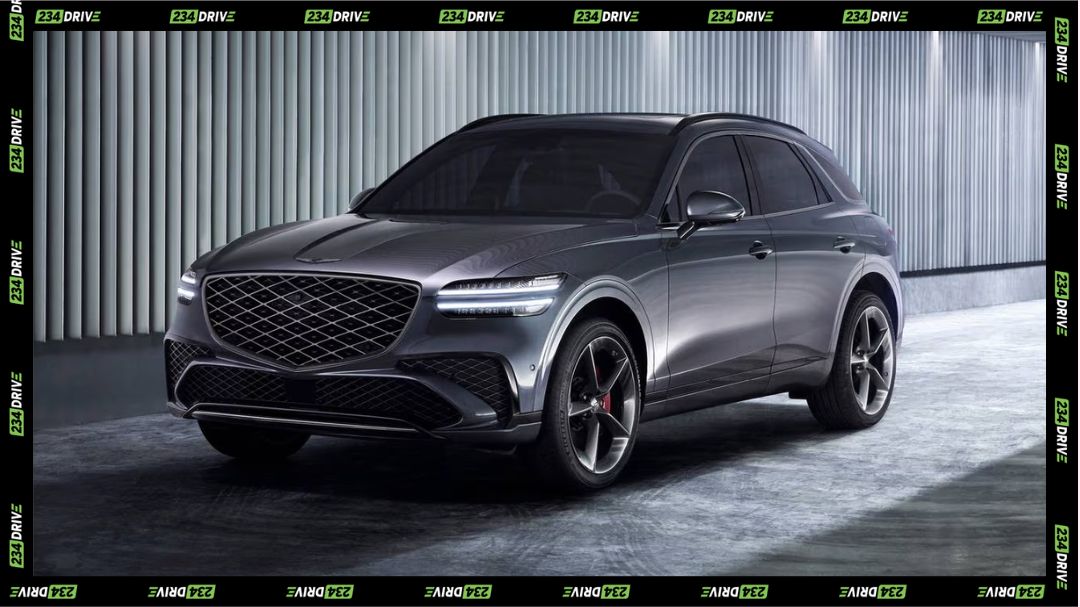
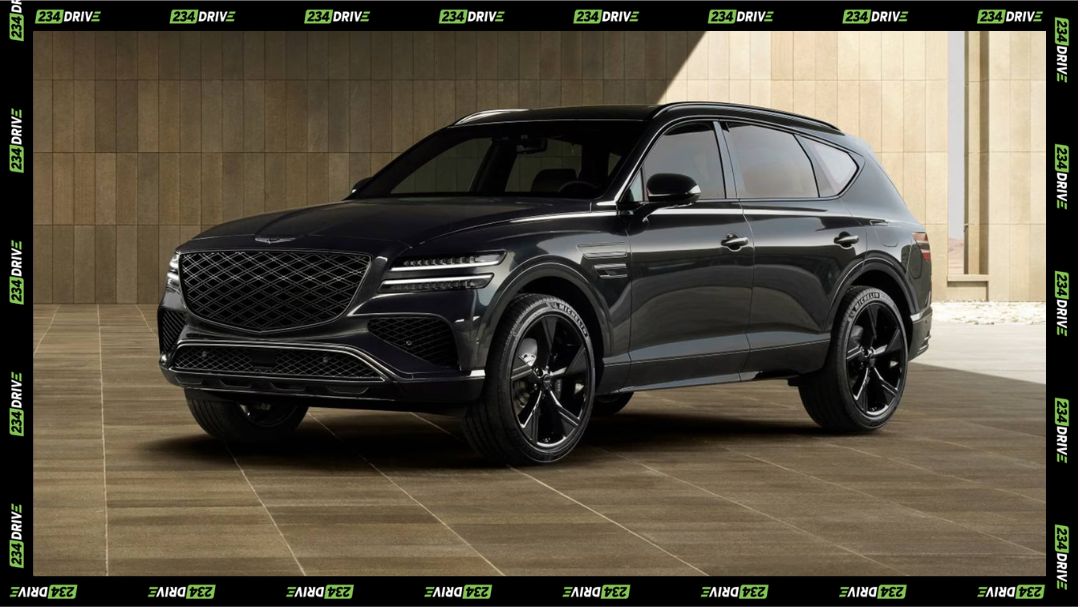
At the heart of this ascent is a strategic separation that began in earnest in 2015. While the Genesis nameplate first appeared on a Hyundai sedan in 2008, the decision to spin it off into an independent marque allowed for a radical reimagining of its identity. Led by an executive dream team poached from the likes of Bentley, Lamborghini, and BMW M, the brand shed its mass-market associations to forge a distinct philosophy known as “Athletic Elegance”. This is visible today in signature design elements like the Two Lines architecture and the crest grille, which give models like the G90 and GV80 a presence that rivals competitors costing significantly more.
The product offensive has been relentless and precise, targeting the most lucrative segments of the global market. The current lineup is a sophisticated mix of traditional luxury and futuristic tech, anchored by sedans like the sporty G70 and the flagship G90, but driven by high-demand SUVs. The GV70 and GV80 have become volume sellers, particularly in North America, where their assembly at the manufacturing hub in Alabama has helped bypass logistical bottlenecks. This localisation is complemented by the brand’s primary production base in Ulsan, South Korea, a facility renowned as one of the world’s largest automotive plants, ensuring that the surge in quantity does not come at the cost of the build quality that has earned the brand top rankings in J.D. Power dependability studies. This reputation is vital as the brand explores markets as diverse as Genesis cars in Nigeria.
Technologically, Genesis is aggressively pivoting toward a sustainable future without abandoning the thrill of driving. The introduction of the “Magma” performance sub-brand signals an intent to compete with AMG and M divisions, while the electrification strategy is already bearing fruit with the GV60 and electrified versions of the G80 and GV70. Unlike legacy manufacturers burdened by decades of internal combustion tradition, Genesis has the agility to implement these shifts rapidly, aiming for a fully electrified lineup from 2025 onwards. This dual focus on high-performance EVs and distinct, lounge-like interior aesthetics—inspired by the Korean concept of “Beauty of White Space”—offers a compelling alternative to the clinical approach often found in rival cabins.
The business implications of this rise are profound for the wider industry. By sharing platform architecture with Hyundai yet maintaining complete autonomy in design and customer experience, Genesis operates with the financial safety net of a massive conglomerate while moving with the speed of a boutique manufacturer. This efficiency has allowed them to undercut German rivals on price while often exceeding them in standard features and warranty coverage. As the brand eyes further expansion into motorsport with its entry into the FIA World Endurance Championship, it is clear that Genesis is no longer just participating in the luxury conversation; it is beginning to dictate the terms, echoing the broader South Korea’s market offensive.