
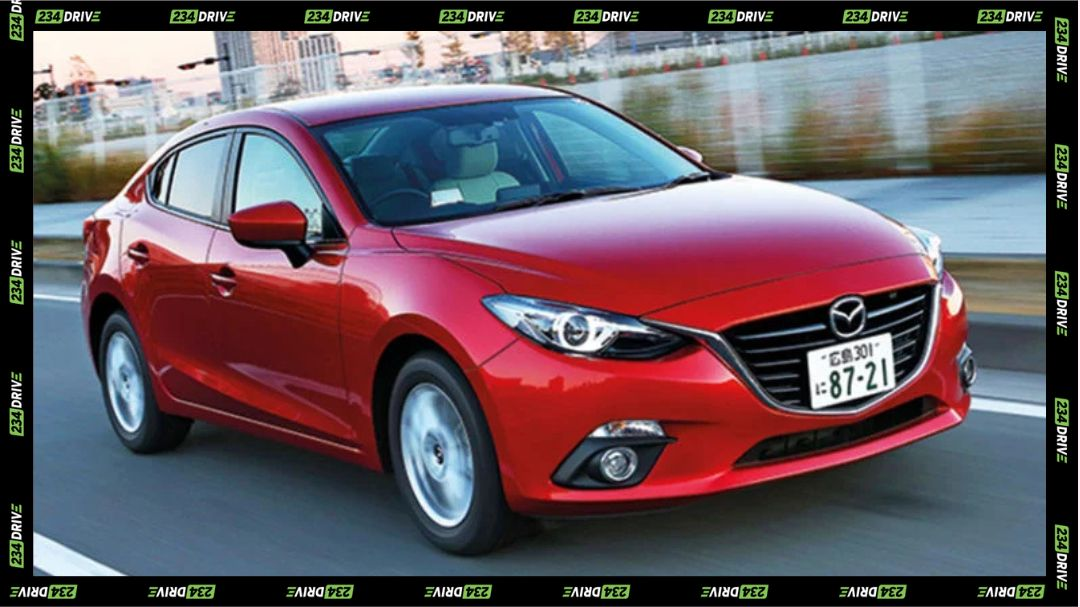
The Mazda Axela, known globally as the Mazda3, has carved out a significant niche in Kenya’s automotive market, evolving from an underdog to a formidable contender against the long-standing dominance of Toyota. As a compact vehicle available in both sedan and hatchback configurations, it appeals to a diverse range of drivers—from young professionals seeking a stylish daily commuter to small families requiring efficient urban transport. Its popularity has surged in recent years, driven by a compelling combination of fuel efficiency, modern aesthetics, and competitive pricing in a market heavily reliant on Japanese imports.
In the Kenyan context, where reliability and resale value are paramount, the Axela has proven itself as a robust alternative. It breaks the monotony of the ubiquitously conservative Toyota Allion and Premio, offering a driving experience that is engaging without being impractical. As of January 2026, the demand for the Axela continues to grow, reflected in its appreciation in value. Whether you are navigating the bustle of Nairobi’s CBD or cruising on the highway to Naivasha, the Axela promises a blend of “Jinba Ittai”—horse and rider as one—that few other budget-friendly cars can match.
The Mazda Axela (Third Generation 2013-2019)
Exterior Design and Road Presence
The third-generation Mazda Axela is arguably the model that changed the brand’s fortune in Kenya, introducing the striking “Kodo: Soul of Motion” design language. Unlike the boxy shapes of its competitors, the Axela features aggressive, swooping lines that mimic the tension of an animal ready to pounce. The front fascia is dominated by a bold, five-point grille connected to sleek, eagle-eye headlamps, giving it a road presence that punches well above its price tag. The hatchback variant, with its condensed rear and roof spoiler, offers a particularly sporty silhouette that appeals to younger buyers, while the sedan maintains a more executive, elongated profile suitable for corporate use.
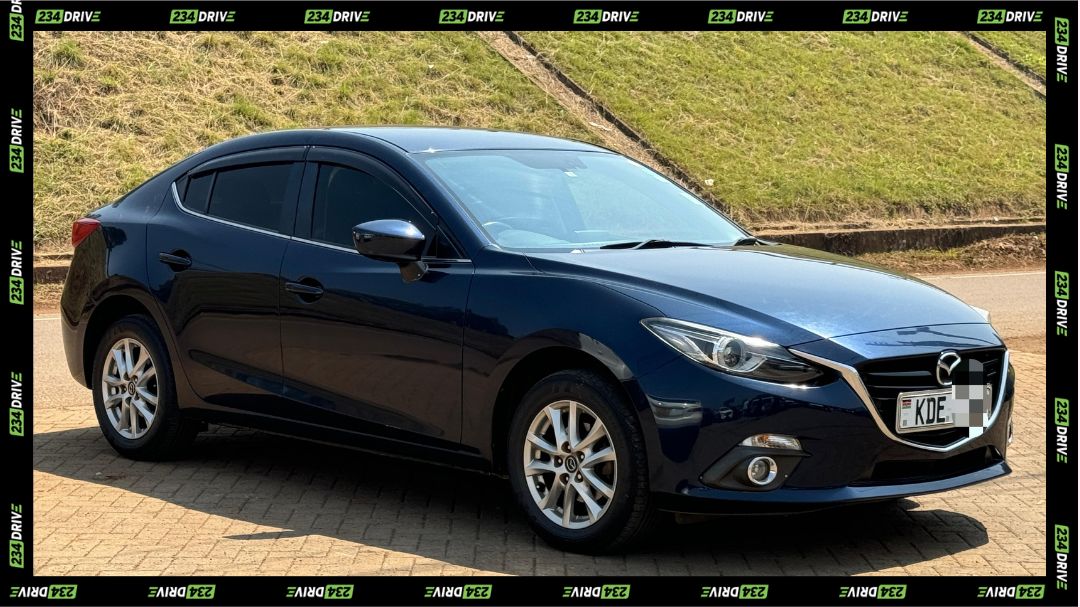
On Kenyan roads, the Axela stands out for its visual flair. The build quality of the exterior is solid, with paintwork that generally withstands the harsh equatorial sun better than some budget rivals. However, owners must be mindful of the ground clearance. While sufficient for standard tarmac, the Axela sits lower than a Subaru Impreza, requiring a careful approach to the oversized speed bumps found in residential estates. Despite this, the car’s aerodynamic shape is not just for show; it contributes significantly to stability at high speeds and reduces wind noise, making it a comfortable cruiser for long-distance travel across the country.
Interior Comfort, Technology, and Performance
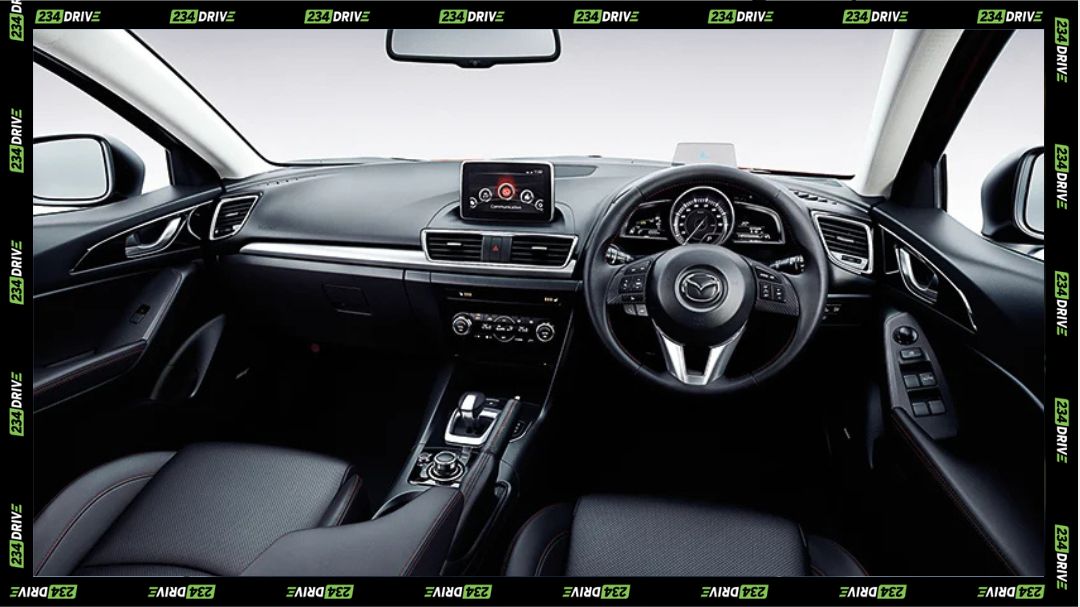
Stepping inside the Axela reveals a cabin that feels remarkably premium for its segment. Mazda adopted a driver-centric philosophy, with a clean, uncluttered dashboard and a free-standing infotainment screen controlled by a rotary dial on the centre console—a feature reminiscent of luxury European marques. The seats are ergonomically designed to support the spine during long drives, a crucial factor for daily use on Kenyan roads which can often be unforgiving. Space is adequate for four adults, though the sedan’s boot (approx. 408 litres) is generally preferred by families over the hatchback’s smaller cargo area (308 litres), which is better suited for light shopping or weekend bags.
Under the bonnet, the Axela shines with its Skyactiv technology. The most common engine in the Kenyan market is the 1.5-litre Skyactiv-G petrol, delivering around 110 horsepower. It is favored for its exceptional fuel economy, often achieving between 15 to 20 km/l, making it a wallet-friendly option amidst fluctuating fuel prices. For those seeking more torque, the 2.2-litre Skyactiv-D diesel engine is a powerhouse, offering up to 420 Nm of torque, ideal for overtaking on single-lane highways. Performance is aided by G-Vectoring Control, a system that subtly adjusts engine torque to improve steering response, providing a planted and confident feel through corners that enthusiasts genuinely appreciate.
Suitability for the Kenyan Environment
Owning a Mazda Axela in Kenya is generally a rewarding experience, provided one understands its specific needs. The car’s suspension is tuned to be firm yet compliant, handling the minor imperfections of Nairobi’s roads well, though it can feel jittery on rough, unpaved surfaces compared to the softer Toyota Allion. Maintenance is affordable, with service parts like oil filters and brake pads shared across the Mazda lineup and readily available in major cities. A standard service can cost between KSh 10,000 and KSh 20,000, which is very competitive.
However, a notable challenge lies in the availability of body parts. Unlike Toyotas, where spare headlights or bumpers can be found at almost any corner, Axela body panels can be scarcer and pricier, often requiring sourcing from specialised dealers. Additionally, the diesel variants require strict adherence to high-quality fuel and regular maintenance to avoid DPF (Diesel Particulate Filter) issues, a common headache for owners who neglect service intervals. Despite these minor drawbacks, the Axela’s rising popularity suggests that Kenyans are increasingly willing to trade a little convenience for a much better driving experience and superior aesthetics.
Market Comparison and Competitors
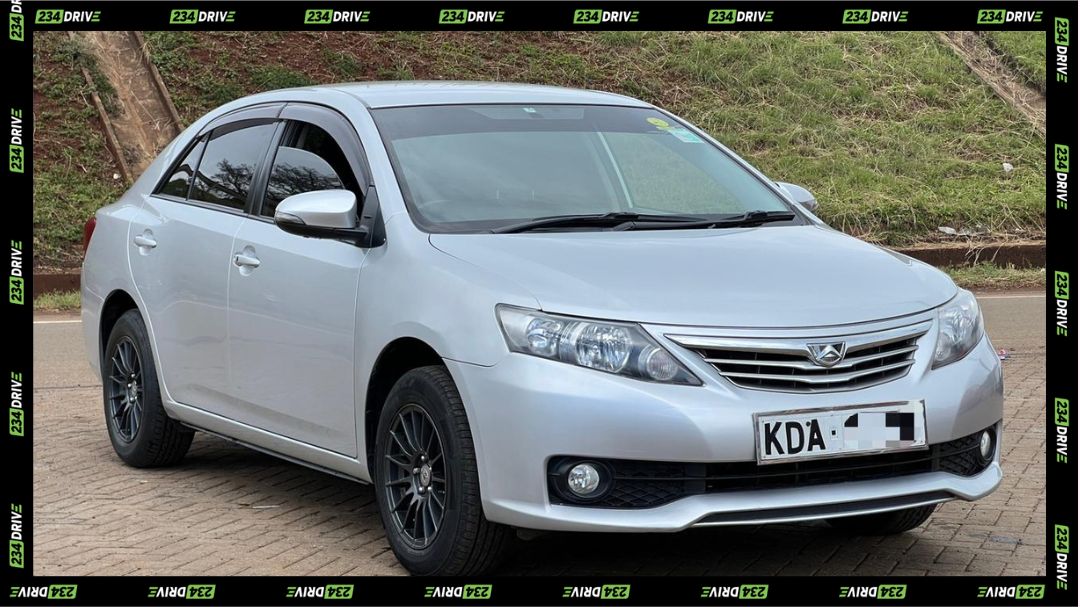
The compact sedan segment in Kenya is fiercely competitive, with the Mazda Axela often pitted against the Toyota Allion, Toyota Premio, and the Subaru Impreza. The Toyota twins are the traditional safe bets, commanding high resale values and unmatched parts availability. However, they are often criticised for their uninspiring driving dynamics and inflated prices due to high demand. In contrast, the Axela offers a modern interior and superior fuel efficiency for a lower entry price, making it the “thinking man’s” alternative.

Against the Subaru Impreza, the Axela holds its own in terms of style and fuel economy but concedes the advantage of All-Wheel Drive (AWD), which comes standard on the Subaru. For drivers living in areas with poor roads or steep inclines, the Impreza might be the pragmatic choice. Yet, for the majority of urban dwellers, the Axela’s Front-Wheel Drive setup is more than adequate and lighter on the pocket at the fuel pump. Prices for the Axela have been appreciating; what was once a KSh 1.3 million car a few years ago now commands higher figures, yet it still offers better value for money feature-for-feature than its rivals.
Conclusion
The Mazda Axela represents a maturation of the Kenyan automotive consumer, moving away from purely utilitarian choices towards vehicles that spark joy. It successfully bridges the gap between budget-friendly reliability and premium aspiration. With Mazda Axela Price in Kenya 2026 ranging from KSh 900,000 for older models to over KSh 2.4 million for pristine, high-spec imports, there is an entry point for almost every budget.
Its strengths lie in its stunning Kodo design, frugal Skyactiv engines, and a cabin that punches above its weight class. While potential buyers should be aware of the body parts situation and the ground clearance, these are small prices to pay for a car that offers so much character. For those ready to make the purchase, trusted Mazda dealers and importers are bringing in high-quality units to meet the demand. Ultimately, the Mazda Axela proves that you do not need to spend a fortune to drive a car that looks good, feels great, and respects your bank balance.