
The European electric vehicle market has received a sophisticated new challenger as XPENG officially introduces the P7+, a vehicle that promises to shift the conversation from mere battery range to artificial intelligence and ultra-fast charging. The Chinese automaker made its European debut at the Brussels Motor Show on January 9, 2026, unveiling a premium fastback sedan that is not just imported, but strategically localised. With deliveries scheduled for April 2026 across 25 markets, this launch represents a calculated expansion, backed by a manufacturing partnership in Austria that circumvents traditional import hurdles and places XPENG firmly on continental soil.
The P7+ is positioned as the world’s first “AI-defined vehicle,” built on the proprietary SEPA 2.0 platform. It eschews the raw horsepower wars for computational dominance, utilising the Turing AI chip to deliver 750 TOPS of processing power—the brain behind its advanced driver assistance and personalised cabin features. Physically, it is a formidable executive saloon, stretching over five metres and offering a cavernous 1,931 litres of maximum cargo space. However, its headline technical feat is the 800V architecture, which enables ultra-fast charging capabilities that can replenish the battery from 10% to 80% in just 12 minutes, effectively neutralising range anxiety for long-distance travellers.
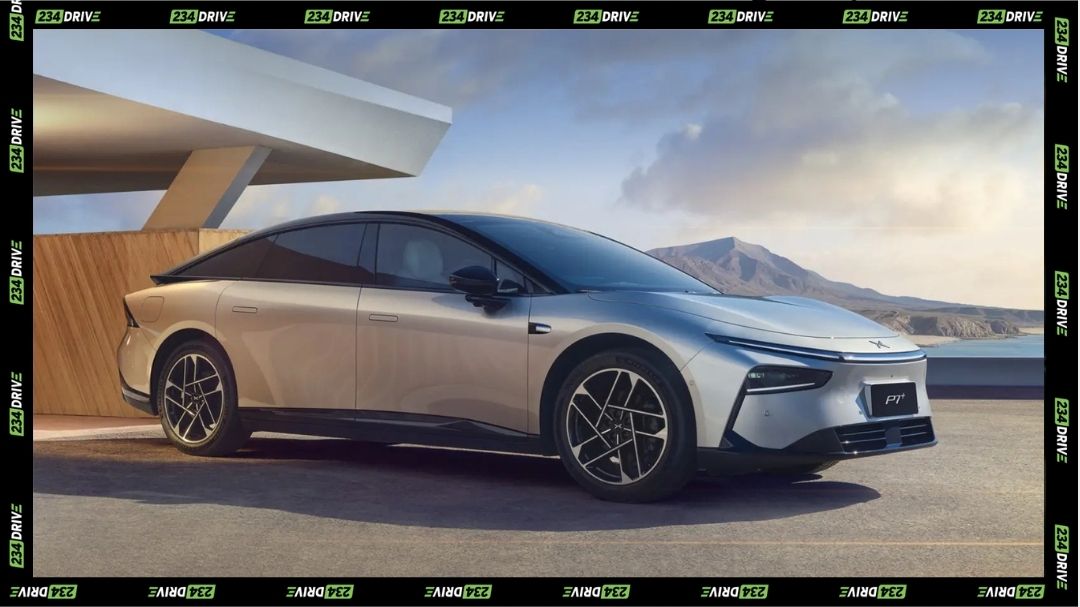
Operationally, this launch signifies a maturation of XPENG’s European strategy. While the design and software engineering stem from the company’s headquarters in Guangzhou, the physical execution leverages European expertise. The trial production at Magna Steyr’s facility in Graz, Austria, underscores a commitment to local compliance and build quality, moving beyond the “ship-and-sell” model used by many Asian competitors. This dual approach allows XPENG to maintain rapid software innovation cycles while ensuring the hardware meets the exacting standards of European legacy markets.
From a business perspective, the P7+ serves as a technological flagship designed to undercut established premium rivals on value while outmanoeuvring them on tech. With starting prices hovering around €46,600 in key markets like Germany, it sits aggressively against the Volkswagen ID.7 and the Hyundai Ioniq 6. The strategy is clear: entice buyers with executive-level luxury—Nappa leather, massage seats, and hospital-grade silence—and lock them in with a software ecosystem that improves over time via over-the-air updates.
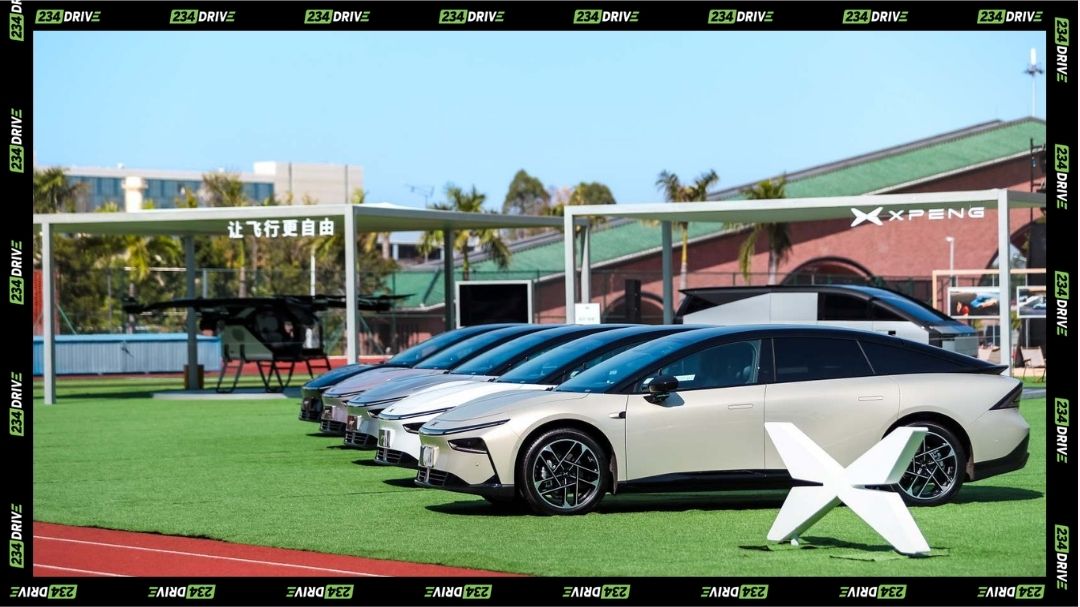
When compared to the broader market, XPENG is taking a distinct path by prioritising charging speed and AI utility over maximum theoretical range. While competitors push for 700km+ WLTP figures, the P7+ offers a modest but capable 530 km, betting that its lightning-fast charging curve is more valuable to daily users than a heavier, longer-range battery. This contrasts with the approach of legacy European marques, which have often focused on familiarity and range to convert combustion engine drivers, rather than the radical software-first experience XPENG offers.
Early reception suggests this gamble may pay off. Real-world testing highlights the vehicle’s spaciousness and the fluidity of its ADAS features in heavy traffic, validating the AI-centric pitch. However, the true test will be infrastructure; while the car can charge at 446 kW, finding stations that support such speeds remains a challenge in many regions. XPENG is addressing this by deploying its own charging network, mirroring the vertical integration that propelled Tesla to dominance a decade ago.
The P7+ arrives at a time of robust growth for the brand, with European sales surging by 126% in 2025. It stands as the third pillar in their European lineup, following the G6 and G9, and signals that Chinese EVs have moved beyond budget alternatives to become genuine technological trendsetters. As the first units prepare to roll out in April, the industry is left to ponder a critical question: will European consumers embrace a car defined by its chip speed as readily as they do one defined by its badge?