
The race for electric vehicle dominance has shifted gear in the North East, where a £1bn gamble on green technology has finally paid off with the completion of the UK’s newest industrial powerhouse. Envision AESC, in partnership with Nissan and Sunderland City Council, has officially commenced operations at its massive battery gigafactory as of December 2025, delivering a critical jolt to the nation’s automotive infrastructure. The facility, which commanded a £1bn investment package comprising government guarantees and private funding, marks a definitive step away from speculative planning towards concrete production, boasting an initial annual capacity of 15.8 GWh—enough to power over 200,000 electric vehicles a year.
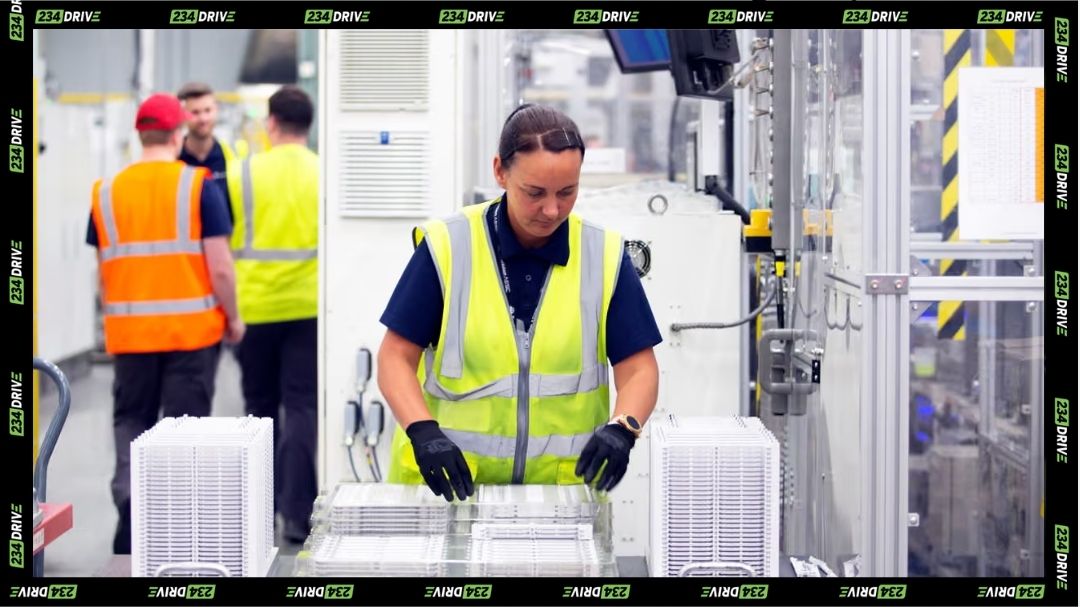
At the heart of this development is the production of advanced lithium-ion battery cells, engineered specifically to drive Nissan’s next generation of electric models, including the enduringly popular Leaf, the Juke, and the Qashqai. The plant is not merely a factory but a high-tech cleanroom environment operating at hospital-grade hygiene standards to ensure the flawless manufacture of high-energy-density cells. Powered entirely by net-zero carbon energy, the facility integrates renewable power directly into the manufacturing process, setting a new benchmark for sustainable industrial output that aligns strictly with the UK’s ambitious decarbonisation targets.
The operational dynamics of the EV36Zero initiative are defined by a tightly knit ecosystem where distinct roles converge to create a seamless supply chain. AESC serves as the technological and manufacturing engine, operating the site and managing the complex chemical engineering required for battery cell production. Nissan acts as the primary anchor customer and strategic partner, integrating these cells directly into vehicles manufactured just down the road, thereby eliminating costly and carbon-heavy logistics. Meanwhile, Sunderland City Council and the UK government have played the crucial role of enablers, providing the necessary infrastructure support and financial backing through the National Wealth Fund and UK Export Finance to de-risk the massive capital expenditure.
This launch signals a profound strategic pivot for the UK automotive sector, moving from a reliance on imported components to securing a domestic sovereign capability in battery manufacturing. By localising the most valuable component of an electric vehicle, the project insulates the UK supply chain from volatile global market fluctuations and logistics disruptions that have previously plagued the industry. It represents a long-term bet on the viability of British manufacturing, transitioning the region’s historic expertise in car making into the modern era of electrification to protect jobs and maintain export competitiveness in a post-combustion world.
When viewed against the broader international landscape, the Sunderland plant highlights both the progress and the pressures facing the UK market compared to its European neighbours. While nations like Germany and France have aggressively courted battery giants with vast state aid packages and accelerated timelines, the UK has faced criticism for a slower pace of development and the high-profile failure of other ventures such as Britishvolt. However, with this facility now active, the UK has successfully established an operational foothold that rivals continental competitors, proving that it can deliver large-scale gigafactories even if the road to completion involved recalibrating initial capacity targets to match softer global EV demand.
The execution of the project underscores a rigorous focus on technical precision and speed, with construction giant Wates Group delivering the facility on a timeline that spanned just three years from the groundbreaking ceremony in late 2022 to full operational status in late 2025. The build required the installation of 14,000 km of electrical cabling and the deployment of over 350 prefabricated mechanical and electrical modules, ensuring the plant could ramp up quickly. Unlike competitors that are still entangled in planning permission battles or funding rounds, AESC leveraged its existing footprint—operational since 2012—to navigate the complex commissioning phase and move rapidly from a construction site to a live production line delivering cells for the third-generation Nissan Leaf.
Building on more than a decade of battery manufacturing experience in Sunderland, AESC has solidified its reputation as a stable operator in a volatile market, quadrupling its local workforce to approximately 1,000 skilled employees. This track record provides a degree of certainty that is often missing in the burgeoning greentech sector. As the first cells roll off the line, the question for policymakers and industry leaders shifts from whether the UK can build these factories to whether it can scale them fast enough; this plant is a significant milestone, but it remains to be seen if this momentum will catalyse the broader supply chain revolution required to meet the looming 2035 ban on internal combustion engines.