
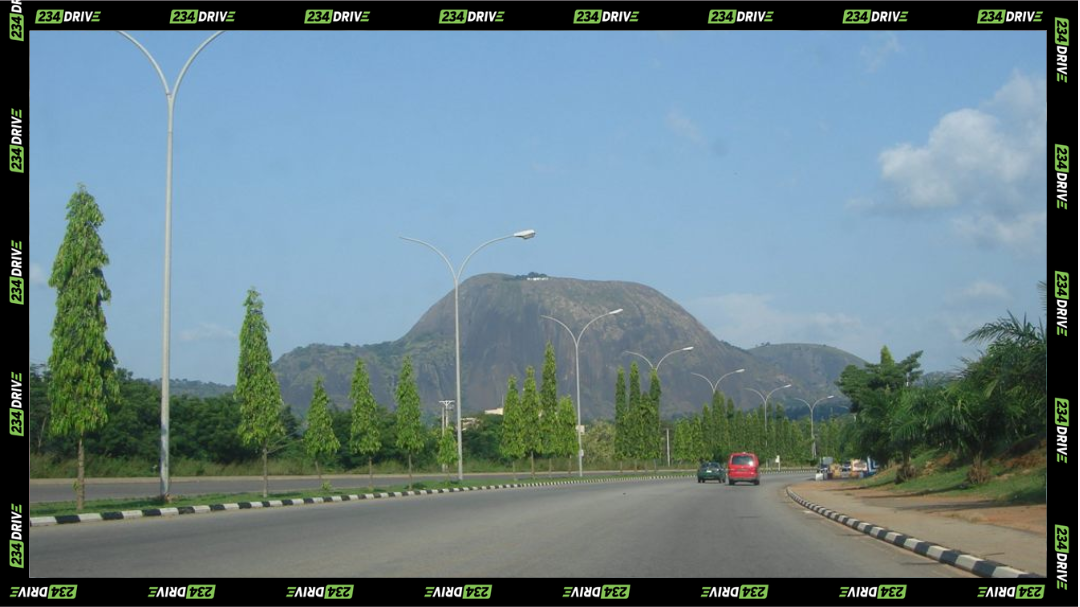
Abuja’s long roads are slowly adding private cars to the transport mix |Source: Guardian
Women in Abuja are increasingly turning their private cars into informal taxis (kabu-kabu), as rising fuel prices and the cost of living push households to find extra income. Many drivers say the move is not just about making money but about staying ahead of the current petrol price. Across major junctions and bus stops in the Federal Capital Territory, commuters now regularly see women in personal vehicles stopping to pick up passengers during busy hours.
Rising Fuel Prices Reshape Transport Realities
Many of the women say financial pressure pushed them into the business.
Jane Nwaogara explained that her salary no longer covers household expenses. School fees, feeding, utility bills and medical costs continue to rise, while the pump price of petrol keeps increasing transport expenses. To manage the gap, she now uses her private car to pick up passengers and earn additional income.
Blessing Okafor, who operates along the Lugbe–Area 1 route said she began carrying passengers earlier this year when daily expenses became harder to manage. She usually positions her car near busy junctions during morning and evening rush hours where commuters search for rides.
Drivers say the demand is already there. As transport fares climb across the city, many commuters now accept rides from private vehicles rather than waiting for regular taxis or buses.
Residents of Nigeria’s capital city say the trend has become more noticeable at major junctions during peak hours. One civil servant, Samuel Olatunde, observed that many workers now rely on side activities to supplement their income, including using their cars to carry passengers before or after work.
Some commuters say the growing number of private cars offering rides has shortened waiting times. A trader, Ruth james, added that passengers sometimes find clean, comfortable vehicles stopping to pick them up, which makes daily commuting easier.
Economist Eric Eze said the development reflects wider economic pressure and rising fuel prices across the country. He noted that more women are entering sectors traditionally dominated by men, including transport services, as families look for ways to maintain financial stability.
Why Fuel Prices Still Rise Despite Local Refining
234Drive previously reported and called attention to how global conflicts quickly affect mobility systems. Tensions in the Middle East involving countries such as the United States, Israel and Iraq have disrupted some refinery operations and tightened global fuel supply.
When refinery production drops and freight costs rise, crude prices move up. Those increases eventually reflect in fuel prices and transport costs across many countries, including Nigeria.
Dangote Petroleum Refinery recently increased its ex-depot petrol price by ₦100 per litre, about a 12% rise. The refinery said the adjustment is a partial reflection of rising global crude oil and freight costs. Brent crude prices climbed by about 26% in a short period and moved above $84 per barrel.
According to the refinery, crude oil now lands at its facility at about $88 to $91 per barrel after freight and pricing premiums are added. Earlier, crude landed at around $68 per barrel when petrol sold at roughly ₦774 per litre.
The refinery also explained that Nigerian crude sometimes sells for $3 to $6 above the Brent benchmark. Although it receives some crude shipments from the Nigerian National Petroleum Company in naira, it still buys many cargoes through international traders and pays in foreign exchange.
Dangote Refinery says local refining still helps cushion Nigeria from severe supply disruptions by prioritising supply to the domestic market.
To improve nationwide fuel distribution, the refinery is also preparing to roll out trucks powered by compressed natural gas. The company says the move should lower logistics costs and help improve delivery timelines.