
The transition from high-octane petrol engines to silent, high-performance electrons marks the most significant pivot in Alpine’s seventy-year history as it prepares to unveil the all-electric A110 successor in early 2026. This move represents a high-stakes gamble to prove that the visceral, lightweight agility of a French sports car can survive the transition to a heavy battery-electric architecture. With a targeted reveal in 2026 and a production start scheduled for 2027, Alpine is not merely replacing a model; it is launching a manifesto for the future of the lightweight sports car in a zero-emission era.
The core of this announcement centres on the Renault-owned brand’s commitment to a 100% electric Dream Garage, with the A110 Electric serving as the emotional and technical flagship. The current internal combustion engine model, which has been the darling of automotive purists since its 2017 revival, will cease production in mid-2026 following a final, exclusive run of 1,750 units at the historic Dieppe factory. Its successor will aim for staggering performance benchmarks, including a power output exceeding 464 horsepower from a sophisticated dual-motor, rear-wheel-drive configuration. Perhaps more importantly for the brand’s identity, engineers are chasing an ambitious weight target under 1,300kg, a figure that would make it one of the lightest performance EVs on the global market.
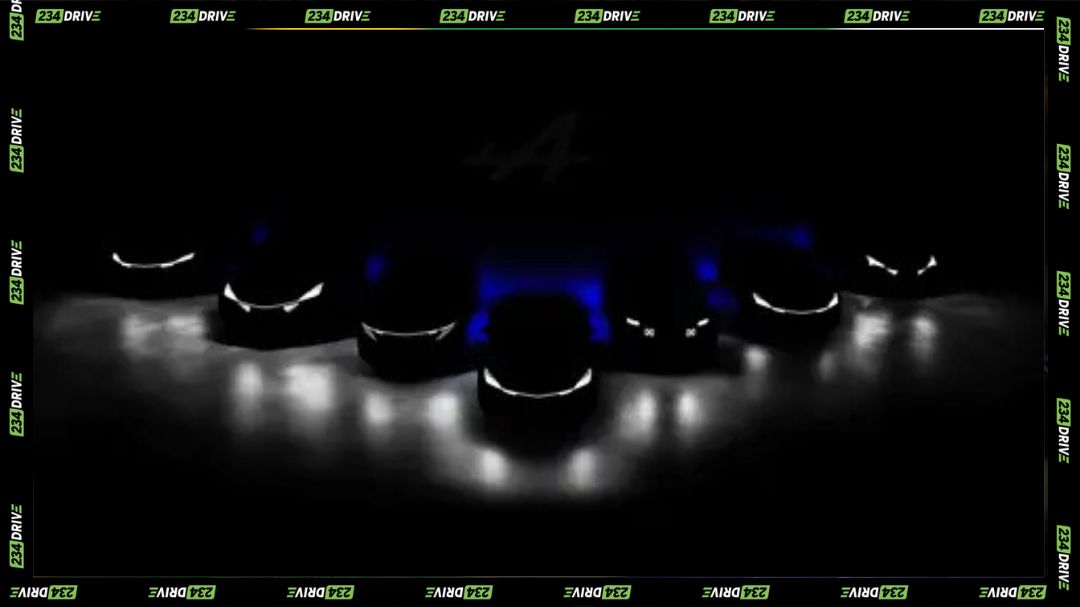
At the heart of this technical achievement is the Alpine Performance Platform, a bespoke, modular aluminium architecture designed specifically to manage the unique packaging requirements of a low-slung sports car. Unlike standard EV “skateboard” platforms that raise the floor and seat height, the Alpine design utilises a distributed battery layout, likely placing four modules in the front and eight in the rear to achieve a 50/50 weight distribution that mimics the balance of a mid-engined car. This hardware is expected to support an 800-volt architecture for ultra-rapid charging and provide a range of approximately 600 kilometres (370 miles) on the WLTP cycle, addressing the primary concern of usability for weekend touring and track day enthusiasts.
The roles within this development are clearly defined: Alpine’s engineering team in Dieppe and Les Ulis leads the chassis and aerodynamic design, while Renault’s Horse Powertrains and Ampere divisions provide the foundational electric motor technology and electric vehicle battery pack integration. This synergy allows Alpine to benefit from the industrial scale of the Renault Group while maintaining the artisanal focus required for a premium sports car. The platform is also inherently flexible, designed to accommodate various body styles including the traditional two-seat coupe, a convertible, and potentially a 2+2 grand tourer, ensuring the A110 family can compete across multiple segments of the luxury market.
This move signals a profound business strategy shift for Alpine, transitioning from a niche European manufacturer to a global performance brand. A key pillar of this expansion is the confirmed entry into the United States market by 2027, where the A110 Electric will lead a charge that includes two larger electric SUVs. By 2030, Alpine aims for 50 per cent of its sales to come from outside Europe, a target that necessitates a product that is as reliable and technologically advanced as it is fun to drive. The A110 Electric is the vanguard of this “global offensive,” intended to establish Alpine as a credible alternative to established titans like Porsche and Lotus, as well as the rapid Xiaomi electric vehicle push currently disrupting the global market.
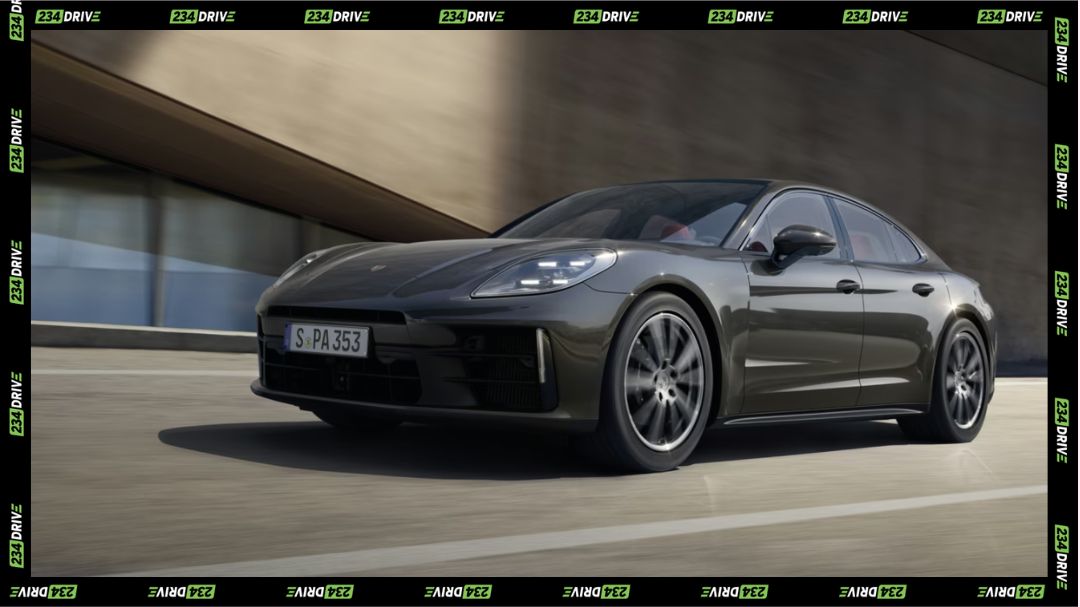
When compared to the global market, the Alpine A110 Electric positions itself as a direct disruptor to the upcoming electric Porsche 718 Cayman and Boxster. While Porsche has faced delays and complex transition periods for its smaller sports cars, Alpine is leveraging its agility to hit the market with a car that is significantly lighter than the competition. While luxury performance beasts like the Yangwang U9 Xtreme offer blistering straight-line speed, they operate in a vastly different weight class; Alpine’s execution focuses on the “unsprung weight” and rotational inertia that defines true sports car handling. The French marque is essentially betting that there is a global audience—stretching from European mountain passes to the emerging market for Wuling electric cars in Nigeria—willing to pay a premium for a car that prioritises “the feeling” over raw, computer-aided acceleration.
The track record leading to this moment provides significant credibility to these ambitious claims. The 2022 A110 E-ternité concept was a functioning proof of concept that demonstrated Alpine could add an electric powertrain to the existing A110 chassis with only a 258-kilogram weight penalty. Since then, the brand has successfully launched the A290 hot hatch and teased the A390 crossover, proving that it can translate racing DNA into various electric formats. The development cycle from the E-ternité prototype to the 2026 production reveal shows a disciplined, four-year engineering programme focused on refining battery chemistry and active torque vectoring software.
Historically, Alpine has always been the underdog that punches above its weight, from winning the first World Rally Championship in 1973 to its modern-day Formula 1 involvement. The electrification of the A110 is the latest chapter in this story of technical defiance. By moving to a bespoke platform rather than a shared Renault hatchback base, Alpine is securing its long-term future as an independent-thinking entity within a massive industrial group. This independence is what allows them to target a sub-1,300kg weight in an era where most EVs are trending toward greater mass and complexity.
As we look toward the 2027 launch, the Alpine A110 Electric represents the final shift from the hype of “electric prototypes” to fleet-scale, high-performance operations. It poses a fundamental question for the industry and regulators alike: as we move toward a mandatory zero-emission future, will there be a protected space for lightweight, driver-centric machines that prioritise engagement over utility? If Alpine successfully delivers a 464-horsepower sports car that weighs less than a modern petrol saloon, it may provide the definitive answer that the “soul” of the sports car can indeed survive the plug-in revolution.