
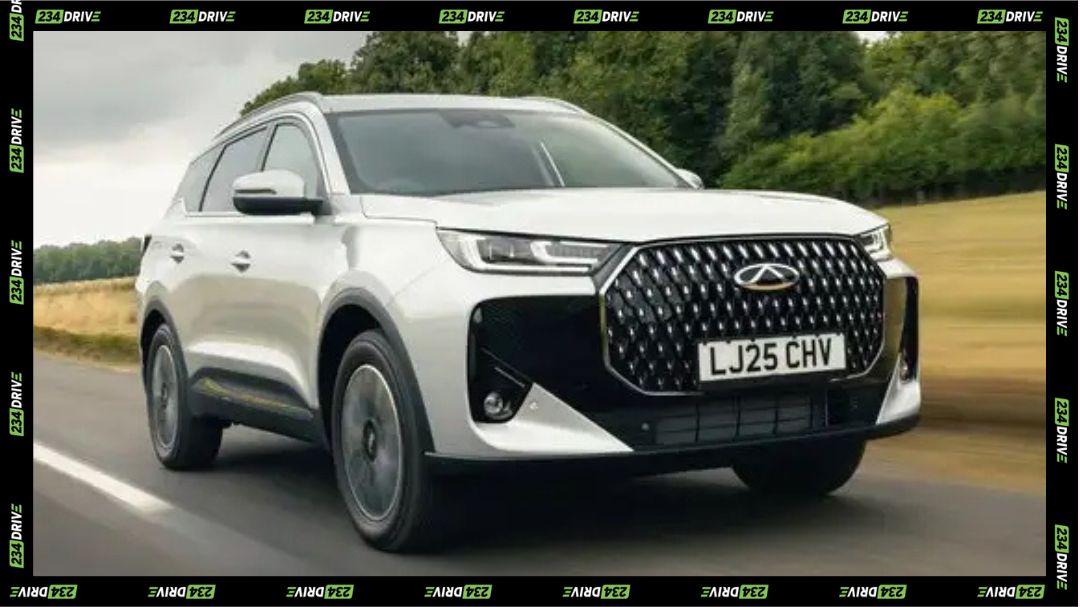
The UK automotive market is currently witnessing a tectonic shift as Chinese manufacturing giant Chery makes its long-awaited debut, led by the budget-disrupting Tiggo 7 SUV. With a starting price of just £24,995, this vehicle is not merely another entry into a crowded segment; it is a direct challenge to the pricing structures of established giants like Nissan, Kia, and Hyundai. At a time when the cost of living remains a primary concern for British families, the arrival of a mid-size SUV that undercuts its closest rivals by up to 20 per cent signals a transition from high-margin prestige to volume-driven value. This move by Chery, which follows the success of other leading Chinese manufacturers in global markets, represents a strategic play to capture the pragmatist market, offering a “super hybrid” variant alongside traditional internal combustion engines to bridge the gap between the fossil-fuel era and the electric future.
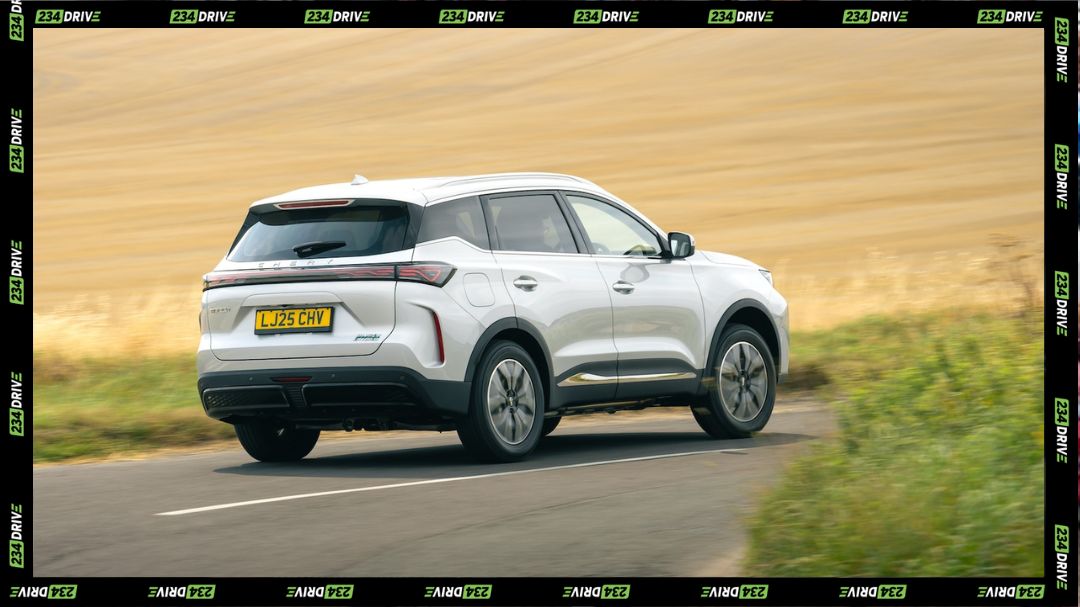
Chery’s strategy revolves around the Tiggo 7, a vehicle that reviewers have frequently described as “inoffensively modest” yet surprisingly premium in its execution. The core announcement of its UK rollout includes two primary powertrains: a 1.6-litre turbocharged petrol engine and a 1.5-litre plug-in hybrid (PHEV) known as the “Super Hybrid.” The petrol model starts at the aforementioned £24,995, while the PHEV enters the market at £29,995, making it the most affordable plug-in hybrid currently available in the UK. This pricing strategy is designed to lower the barrier to entry for electrified motoring, mirroring the aggressive pricing seen with Geely’s UK entry earlier in the year. For many families, this represents the “sweet spot” of range confidence and urban efficiency, allowing for daily commutes on battery power alone while maintaining the flexibility for longer motorway journeys.
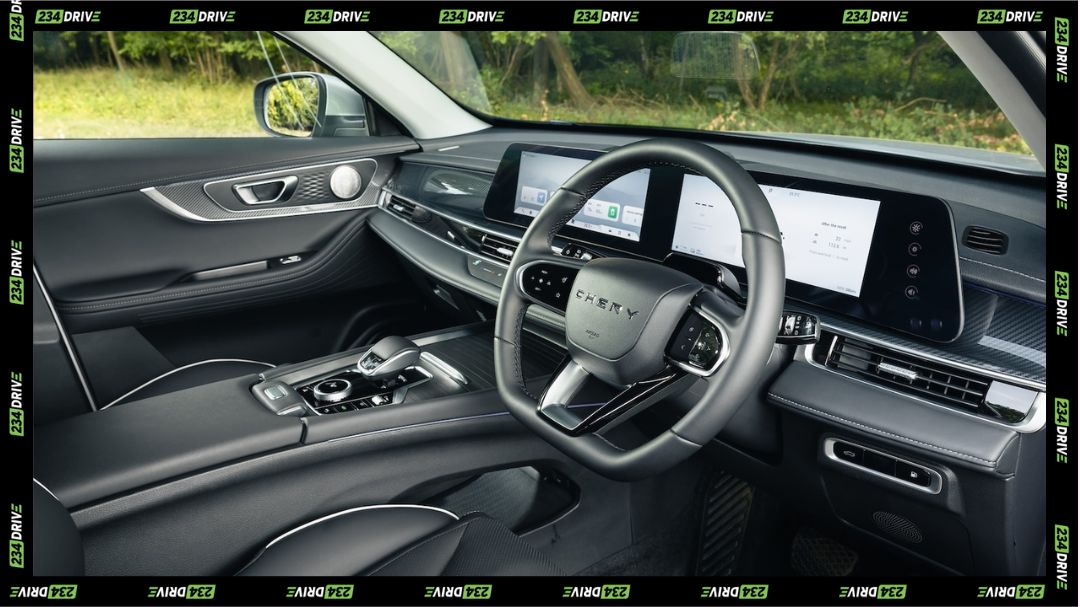
Technologically, the Tiggo 7 punches well above its weight class. The interior is defined by a sophisticated twin 12.3-inch screen setup that handles both infotainment and instrumentation, a feature often reserved for the higher trim levels of European competitors. Chery has also opted for physical climate controls—a decision praised by motoring journalists for its user-friendliness compared to the menu-heavy touchscreens found in many modern vehicles. The use of soft-touch materials, dual-zone climate control, and an electrically adjustable driver’s seat as standard equipment highlights a business shift towards “democratised luxury.” Higher specifications even include a panoramic sunroof and an eight-speaker Sony audio system, further blurring the lines between budget and premium segments.
Under the bonnet, the performance metrics are respectable, if not ground-breaking. The 1.6-litre turbo petrol unit produces between 145 and 147 bhp, delivering a 0-62 mph time of approximately 9.1 seconds. It is paired with a seven-speed dual-clutch automatic transmission that offers smooth, predictable shifts. The Super Hybrid variant is the more potent of the two, combining a 1.5-litre petrol engine with a high-torque electric motor for a total output of 201 bhp, dropping the 0-62 mph sprint to roughly 8.2 seconds. While the hybrid performance is punchy, early testing suggests the dynamics are tuned heavily for comfort, resulting in an inoffensively modest ride. The Tiggo 7 handles potholes and urban imperfections with ease, though it does exhibit more body lean in corners and lighter steering than more “driver-focused” models like the Vauxhall Mokka GSE.
The reception in the UK has been one of cautious optimism. While the value proposition is undeniable, the Tiggo 7 earned a four-star Euro NCAP rating, which, while solid, falls just short of the five stars achieved by some of its more expensive peers. Protection for adult occupants was rated at 80 per cent, with child protection at 77 per cent. To mitigate concerns regarding long-term reliability for a brand new to the region, Chery is offering an industry-competitive seven-year or 100,000-mile warranty, with the PHEV battery receiving an eight-year guarantee. This level of support is crucial for building consumer trust as the brand attempts to scale its operations across a growing network of UK dealerships, including partnerships with Sytner and Greenhous.
This launch does not exist in a vacuum; it is part of a broader global transformation within the automotive sector. As we look toward 2030, the industry is accelerating toward a “Software-Defined Vehicle” (SDV) model. This involves the standardisation of Over-the-Air (OTA) updates, which allow manufacturers to remotely enhance vehicle features, fix software bugs, and even improve battery efficiency without the customer ever visiting a service centre. Experts project that the market for software and electronics will reach a staggering $469 billion by 2035. Vehicles like the Tiggo 7 are already incorporating elements of this, with integrated telematics and smart connectivity becoming standard rather than optional extras. Furthermore, the rise of generative AI is expected to enhance up to 70 per cent of vehicle features, from more natural voice assistants to predictive maintenance schedules.
Sustainability is another pillar of this transformation. Global automotive trends indicate a rapid shift toward recycled and bio-based materials for vehicle interiors. Manufacturers are increasingly moving away from traditional leathers in favour of vegan alternatives and fabrics derived from recycled ocean plastics or agricultural waste, such as sugarcane bioplastics. This alignment with net-zero targets is becoming a competitive advantage, as eco-conscious consumers look for vehicles that are as green on the inside as they are under the bonnet. Chery’s entry into the UK coincides with these mandates, as the country prepares for the transition away from pure internal combustion engines.
One of the most exciting future-facing technologies currently moving from the laboratory to the windscreen is Augmented Reality (AR). AR windscreens, which project real-time navigation prompts, safety alerts, and speed data directly onto the glass, are growing in popularity. While currently found primarily in luxury vehicles or as part of advanced driver-assistance systems (ADAS), advancements in holographic displays suggest that AR could become mainstream by 2030. These systems improve safety by ensuring the driver’s eyes never leave the road, highlighting pedestrians in low light or projecting a “virtual cable” for the driver to follow through complex junctions. As autonomous driving technology matures, the windscreen will transition from a piece of safety glass into a primary human-machine interface (HMI), offering an immersive environment for passengers—just like in an action film.
The Chery Tiggo 7 represents the vanguard of a new era in British motoring: one where the “Chinese car” is no longer a niche curiosity but a mainstream contender. By offering a compelling mix of technology, interior quality, and aggressive pricing, Chery is forcing a reassessment of what constitutes “value” in the SUV market. As the industry moves toward 50 per cent EV adoption by 2030 and continues to integrate budget electric cars into the mainstream, the Tiggo 7’s positioning reflects a balanced evolution. It provides an affordable gateway to hybrid technology today while paving the way for the high-tech, software-driven landscape of tomorrow. This marks a significant shift from the hype of experimental tech to the reality of fleet-scale operations. The question for the UK market is no longer whether Chinese brands will arrive, but how quickly established manufacturers will have to adapt their own business models to survive this new wave of competition.