
The era of the “affordable electric adventure” has officially arrived on South African shores, signaling a tectonic shift in the regional automotive landscape as China’s largest vehicle exporter prepares to democratise zero-emission mobility. Chery Automobile has confirmed that its dedicated electric sub-brand, iCAR, will make its local debut in May 2026, spearheading a strategic offensive designed to capture the burgeoning middle-class appetite for sustainable yet rugged transport. By introducing the V23 electric SUV—a vehicle that successfully marries retro-inspired aesthetics with cutting-edge battery technology, Chery is not merely launching a new model but also challenging the long-held South African perception that electric vehicles are a luxury reserved for the elite.
This milestone rollout centres on the iCAR V23, a compact SUV originally conceptualised under the Jaecoo banner but now repositioned as a standalone, EV-focused icon. The initial launch in May 2026 will feature the V23 and its sportier 03T variant, with a more substantial V27 model slated to follow before the year concludes. While final pricing remains subject to the vagaries of homologation, early industry estimates suggest this could be the first electric SUV starting at approximately R550,000 for the rear-wheel-drive base model. This aggressive pricing strategy targets a sweet spot in the market, undercutting premium European competitors while offering a level of customisation and tech-forward design that traditional internal combustion alternatives in the same price bracket struggle to match.
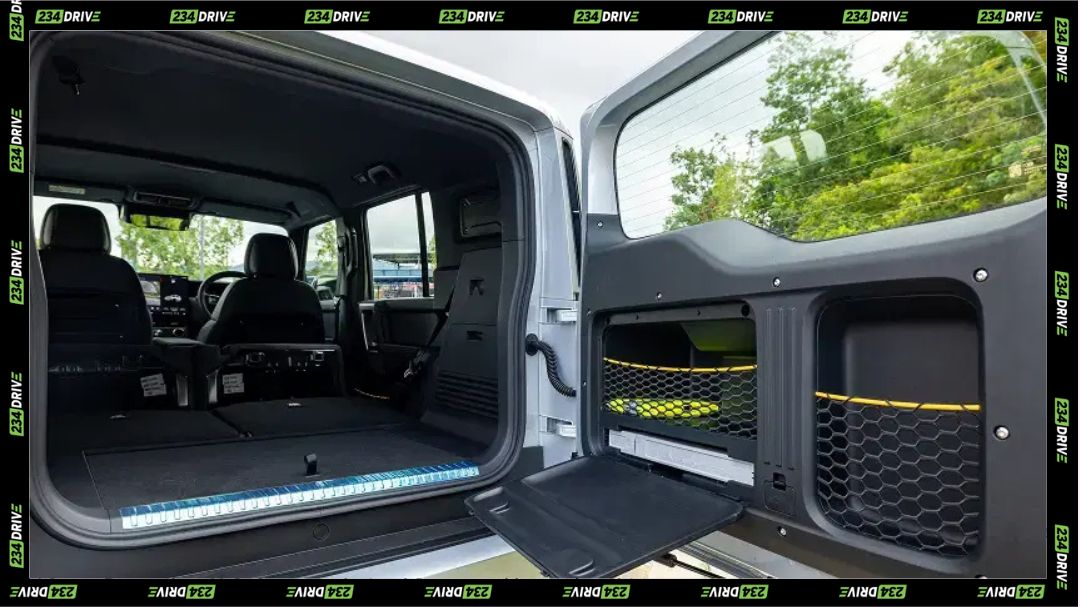
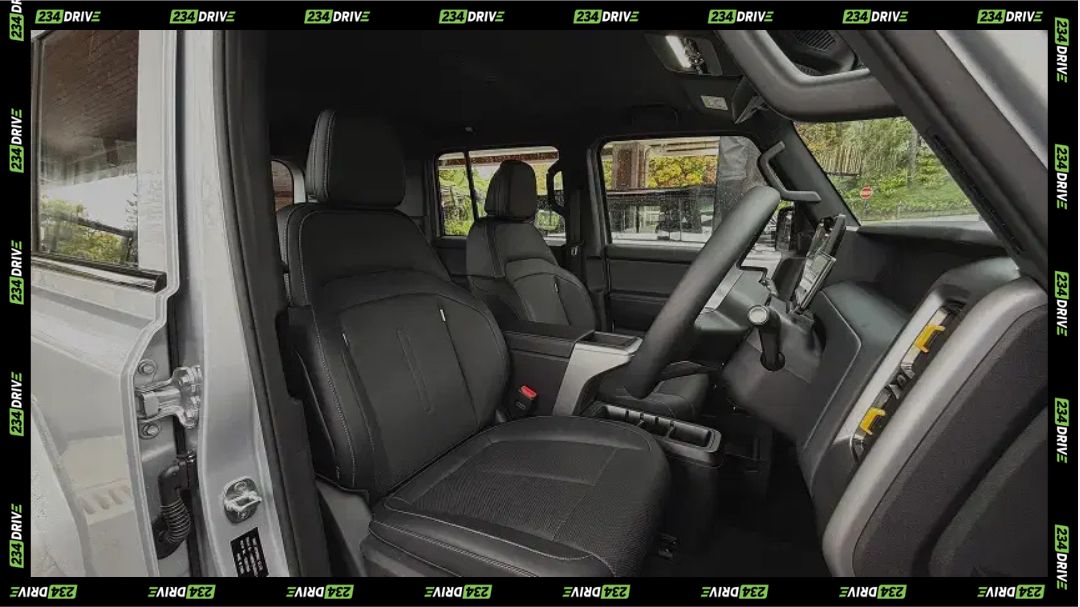

The iCAR V23 itself is a masterclass in “boxy-chic” engineering, drawing clear visual inspiration from utilitarian legends like the Mercedes G-Class and Suzuki Jimny, yet it remains firmly rooted in the future. Measuring between 4.2 and 4.5 metres, the funky new V23 is perfectly sized for navigating Johannesburg’s urban sprawl while boasting the 200mm ground clearance and flared arches required for weekend excursions. Performance figures are equally compelling; the dual-motor All-Wheel Drive flagship, which has been confirmed for SA, delivers a potent 292 kW and 455 Nm power and torque rating capable of dispatching the 0-100 km/h sprint in under six seconds. Range anxiety is addressed through a choice of LFP battery packs providing a WLTP-rated distance of up to 501 km, supported by 150 kW DC fast-charging.
The collaborative framework behind the iCAR launch sees Chery providing the core vehicle architecture and battery integration, while its expanding South African dealer network manages the highly anticipated “personalisation hubs.” These hubs allow owners to specify factory-fitted wraps, bespoke rims, and rugged accessories at the point of purchase, effectively turning the dealership into a lifestyle boutique. Meanwhile, Chery’s global technical team handles the over-the-air updates and the advanced driver-assistance systems that power the minimalist, screen-heavy cabin. This tripartite approach— centralised manufacturing, local customisation, and digital-first support—ensures the brand can scale rapidly without the logistical bottlenecks that have historically plagued new EV entries in the region.
This move signals a decisive pivot in Chery’s international business strategy, shifting focus away from the saturated, price-war-ravaged domestic Chinese market toward high-growth emerging economies. By establishing a dedicated EV foothold in South Africa, Chery is securing its long-term profitability and protecting its supply chain against the escalating tariffs imposed by the US and EU. The strategy is clear: transform South Africa into a lighthouse market for the rest of the continent, proving that Chinese EVs can thrive in environments where charging infrastructure is still maturing.
When compared to the pace of adoption in Western Europe or North America, the Chinese execution in Africa is remarkably agile. While Western manufacturers often hesitate due to infrastructure concerns, Chinese brands like BYD, GWM, and now Chery are adopting a “build it and they will come” philosophy. In markets like Kenya and Morocco, Chinese firms have moved from market entry to full-scale assembly and dealership saturation in less than 24 months. This speed is mirrored in South Africa, where Chery has leveraged the massive success of its Tiggo series to build a foundation of trust and service infrastructure, allowing the iCAR brand to bypass the typical “early adopter” friction that often stalls new marques.
The success of this launch is underpinned by a robust track record of market penetration. Chery has spent the last three years consistently climbing the South African sales charts, proving it can deliver reliability and luxury-adjacent features at a fraction of the cost of legacy brands. This credibility is vital as the company expands into the more technically demanding EV space. By utilising its existing revenue streams from the Tiggo 8 Pro Max and other ICE models, Chery is effectively subsidising the initial infrastructure and marketing costs required to make the V23 a household name, creating a self-sustaining loop of growth that competitors without a diversified powertrain portfolio may find impossible to match.
Ultimately, the arrival of the iCAR V23 marks the definitive shift from electric vehicle hype to fleet-scale operations in South Africa. Local journalists already sampling the new V23 suggest that its combination of city practicality and off-road capability will resonate with urban adventurers. As the first dedicated, value-oriented EV nameplate to enter the mainstream consciousness, it poses a significant question for both consumers and policymakers: are we ready to treat EV charging networks as essential public infrastructure to match the speed of this private-sector innovation? While the V23 offers a compelling solution to rising fuel costs and environmental concerns, its long-term legacy will depend on whether the local energy grid can keep pace with the “Chinese EV invasion” that is now well and truly underway.