
Nigeria’s automotive landscape is undergoing a silent but seismic shift as the roar of internal combustion engines begins to give way to the quiet hum of electric motors. With petrol prices frequently breaching the ₦1,000 per litre mark across various regions, the economic argument for electric vehicles (EVs) has transitioned from a niche environmental concern to a mainstream financial necessity. Research indicates a rapidly expanding selection of full EVs capable of exceeding 300 kilometres on a single charge, with many entering the market in the 30 to 40 million Naira range. This emergence is not merely a result of foreign imports but is increasingly bolstered by local assembly plants and significant domestic investments, signalling a strategic pivot toward energy independence and sustainable urban transport.
The current market is defined by a diverse array of players, ranging from global giants like BYD to homegrown champions such as Innoson and Saglev. Leading the charge in the compact SUV segment is the BYD Song SUV lineup, which offers a substantial range of 520 to 605 kilometres. This model features a sophisticated 71.8kWh battery system that supports fast charging, allowing drivers to replenish 30 to 80 per cent of their power in approximately 30 minutes. Available through dealers like DNT Autos in Lagos, the Song Plus is priced between 30 and 58 million Naira, offering premium features such as a 360-degree camera and regenerative braking. Simultaneously, the Innoson IVM EX02 has emerged as a symbol of domestic industrial pride. As Nigeria’s flagship locally assembled EV, the EX02 provides a reliable 330 to 400-kilometre range, tailored for the unique demands of Nigerian roads and priced competitively at roughly 38.4 million Naira.
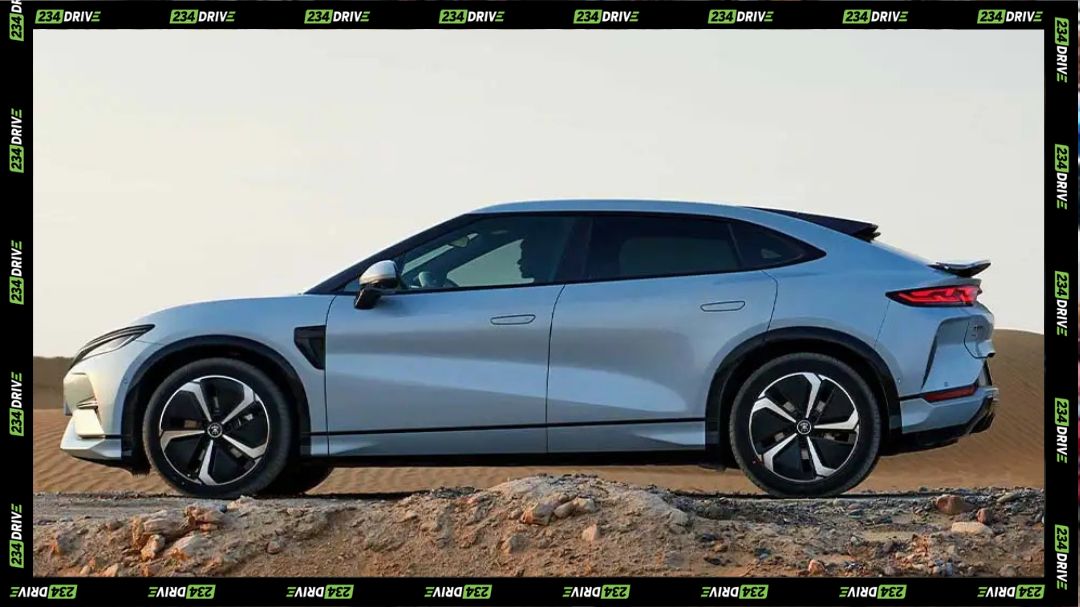
The technical ecosystem is further strengthened by Saglev’s Aeolus E70 Pro, a sleek sedan designed for high-performance urban commuting. Boasting a 420-kilometre range and a 120kW motor, the E70 Pro is listed according to Saglev model pricing at 44 to 48 million Naira at showrooms in Lagos and Abuja. For those seeking even greater accessibility, the secondary market has begun to include foreign-used imports such as the NETA V. These models, often listed around 39 million Naira, provide a 400-kilometre range and modern touchscreen infotainment, bridging the gap between luxury and affordability. While manufacturers like Innoson and Saglev focus on the assembly and distribution of hardware, entities like JET EV prototypes and Qoray are managing the critical infrastructure and prototypes required to power this transition, including the deployment of charging stations along major corridors like the Lagos-Benin route.
This strategic shift is primarily driven by the volatility of the global oil market and the removal of local fuel subsidies, which has made traditional motoring prohibitively expensive for many. The business model for EVs in Nigeria is increasingly focused on the “fuel-free” advantage, where a full charge can cost as little as ₦3,800 compared to tens of thousands of Naira for a tank of petrol. Dealerships are now positioning EVs as tools for long-term profitability, particularly for ridesharing and logistics operators. This move signals a broader transition away from “tokunbo” or foreign-used petrol vehicles toward newer, more efficient electric alternatives that offer lower maintenance costs and longer warranties, often spanning six to eight years on the electric vehicle battery pack components.
When compared to other African nations, Nigeria’s pace of adoption is accelerating rapidly, following trends seen in East Africa with the rise of electric boda-bodas and Ethiopia’s recent restrictions on internal combustion imports. While others have focused on smaller-scale two-wheelers, Nigeria is prioritising full-sized passenger vehicles and SUVs to meet the needs of its growing urban population. This includes the introduction of compact, city-friendly options like Wuling electric cars which are becoming increasingly visible on Nigerian streets. The execution has been remarkably swift; in just a few years, the market has moved from experimental prototypes to fully certified, road-ready fleets. Innoson’s 2024 launch of its EV line and Saglev’s aggressive rollout of showrooms demonstrate a mature understanding of the supply chain, clearing certifications and starting full service in record time.
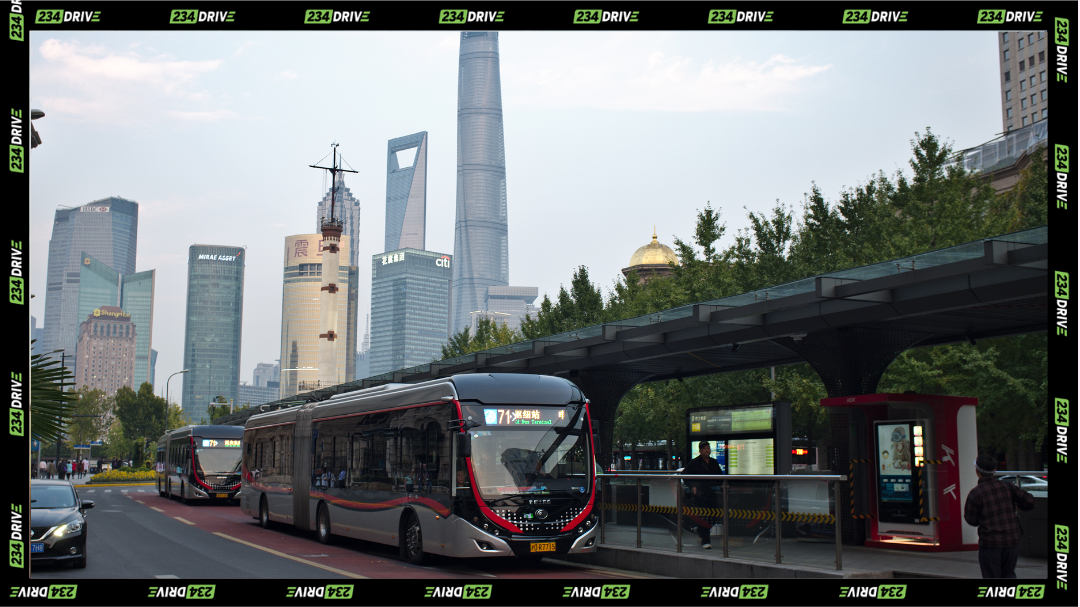
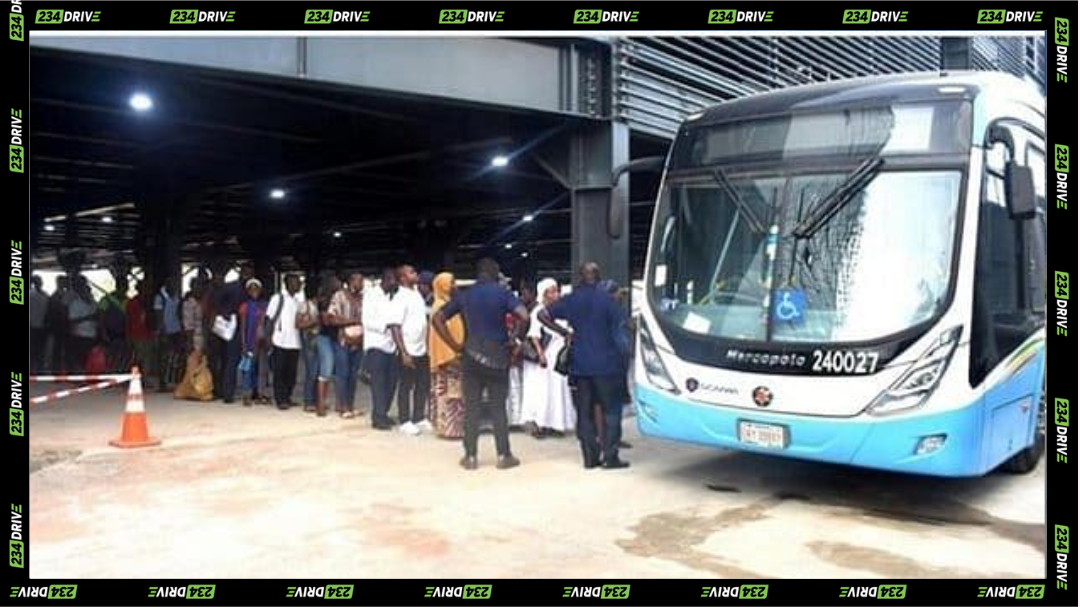
The track record of these organisations provides further credibility to the movement. Innoson Vehicles has already proven its ability to manufacture robust commercial vehicles, while Saglev, a US-incorporated firm, brings international standards to local assembly. Public sector involvement is also growing, highlighted by initiatives like the Abia Green Shuttle, the nation’s first state-led electric bus scheme. The success of JET EV’s 300-kilometre test drive from Lagos to Benin served as a proof of concept that long-distance electric travel is viable within the country’s existing geography. These milestones have shifted the conversation from whether EVs can work in Nigeria to how quickly the infrastructure can be scaled to support the growing electric bus momentum. Innovations like 7kW home chargers, which can provide a full charge in roughly six hours, are already mitigating the challenges of a fragmented public charging grid.
Ultimately, this transition marks the definitive shift from speculative hype to fleet-scale operations. As local production increases and financing options become more flexible—such as the 10 per cent down payment schemes offered by some providers—the barrier to entry will continue to fall. However, the long-term success of the sector depends on more than just car sales. It raises a fundamental question for the future of national planning: should regulators and private developers treat electric charging stations as essential public infrastructure, similar to telecommunications and electricity, to ensure that the momentum of this fuel-free revolution does not stall?