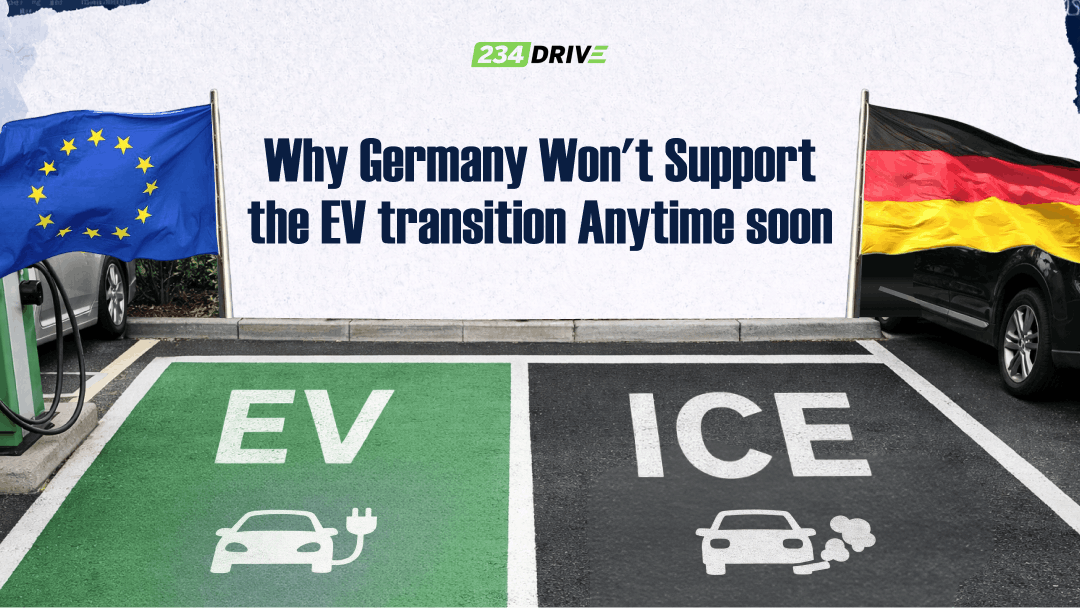

The global automotive industry has entered a “Great Recalibration” in 2026, as the initial fervour for a total transition to electric vehicles (EVs) meets the sobering reality of consumer indifference and economic volatility. At the start of the year, Emanuele Cappellano, the European operations head for Stellantis—the automotive giant behind Vauxhall, Peugeot, and Citroën— issued a blunt warning that there is no natural demand for electric cars. According to Cappellano, sales only manifest when governments provide generous subsidies or when manufacturers slash prices to the point of eroding profit margins. This sentiment is shared across the sector, with market data from early 2026 suggesting that global EV sales growth has slowed to roughly 12%, down from 23% just a year prior. In the UK and Europe, the industry is increasingly vocal in its opposition to strict EV mandates, arguing that forcing adoption faster than the infrastructure and consumer appetite allow will lead to unsustainable financial losses for legacy brands.
This cooling demand has prompted a significant strategic retreat from several of the world’s most prestigious and mainstream brands, signalling a move away from “EV-only” timelines. Ferrari, which once planned a rapid expansion of its electric portfolio, has officially pushed the launch of its second fully electric model back to at least 2028. Sources within the Italian marque suggest that sustainable interest in high-performance luxury EVs is virtually non-existent, as wealthy buyers remain loyal to the mechanical soul and auditory experience of internal combustion engines. While Ferrari’s first electric model is still scheduled for a symbolic release in late 2026, the company is using the delay of its subsequent models to further refine proprietary technology that might eventually sway sceptics. Similarly, Mazda has delayed its first bespoke EV platform until 2029, with CEO Masahiro Moro emphasising the need to “listen to the market’s voice” and pivot toward the hybrid options that customers are actually choosing on the showroom floor.
The vacuum left by the EV slowdown is being rapidly filled by a resurgence in hybrid technology, which is now positioned as the pragmatic bridge to the future. In the first quarter of 2025, hybrid registrations surged to 13.6% of the market, and by early 2026, they have established themselves as the preferred choice for consumers wary of range anxiety and high upfront costs. This shift is most visible in the North American market, where the “Big Three” —Ford, General Motors, and Stellantis— have dramatically reallocated resources. Ford has notably pivoted its F-150 Lightning strategy, introducing a range-extended electric vehicle (EREV) variant for 2026 that uses a petrol generator to target over 700 miles of total range. This move follows a massive multi-billion-pound write-down on pure EV projects, signalling that even the most iconic electric nameplates must adapt to survive a market that is increasingly price-sensitive and infrastructure-constrained.
In regions like China, the deceleration is equally pronounced as subsidies are scaled back and the market matures. The halving of EV tax breaks and new restrictions on discount programmes have led to a halving of growth rates, forcing even dominant players to look toward plug-in hybrids (PHEVs) to maintain volume. Meanwhile, European regulators are facing intense pressure to soften the 2035 combustion engine phase-out, with ongoing debates regarding the long-term inclusion of carbon-neutral e-fuels and advanced hybrids. These policy adjustments reflect a growing recognition that forcing technology ahead of consumer readiness risks severe economic fallout. For manufacturers, the goal has shifted from being “first to electric” to “last to profitable combustion,” as they balance the massive capital expenditure required for future tech against the immediate cash flow generated by traditional and hybrid models.
As the industry navigates this “EV winter,” the way automakers react in 2026 will define the next decade of mobility. Analysts suggest that the next few years will mark a “Darwinian era” for the sector, where only the most cost-competitive or technologically flexible manufacturers will thrive. While Chinese manufacturers like BYD continue to exert pressure with affordable electric exports, nations are witnessing global confidence in diverse strategies for e-mobility leadership. Among the key trends to watch are the integration of advanced software and the securement of critical mineral supply chains. The automotive landscape is currently being defined by a return to realism and the steady, reliable pull of the hybrid engine, serving as a reminder that the path to zero emissions is a complex negotiation between innovation, policy, and the person behind the wheel.