
The Ferrari SF90 represents the pinnacle of Italian automotive engineering, combining a plug-in hybrid powertrain with nearly 1,000 horsepower to create one of the most technologically advanced supercars ever produced. Available in both Stradale (coupé) and Spider (convertible) variants, this hypercar has captured the attention of Nigeria’s elite automotive enthusiasts, though its presence on Nigerian roads remains exceptionally rare. With only a handful of units confirmed in the country, the SF90 has become a symbol of ultimate luxury and exclusivity in West Africa’s largest economy.
Understanding the true cost of owning a Ferrari SF90 in Nigeria requires navigating a complex landscape of import duties, exchange rate fluctuations, and limited official dealer networks. Whilst the global manufacturer’s suggested retail price provides a starting point, the landed cost in Nigeria can be substantially higher due to customs regulations and forex market realities. This comprehensive guide examines both the international pricing structure and the specific factors that influence what Nigerian buyers can expect to pay, drawing on recent market transactions and import cost breakdowns to provide prospective owners with accurate, actionable information.
Global Pricing and Model Variants
The 2025 Ferrari SF90 Stradale commands a base manufacturer’s suggested retail price of approximately $525,000 USD in international markets, whilst the Spider convertible variant begins at around $575,000 USD. These figures represent the starting point before any optional equipment or customisation, which can significantly elevate the final purchase price. Ferrari’s extensive personalisation programme allows buyers to specify bespoke paint finishes, interior materials, and performance upgrades that can add tens of thousands to the base cost.
Special editions and track-focused variants command substantial premiums over standard models. The SF90 Assetto Fiorano package, which includes lightweight components, Multimatic shock absorbers, and carbon fibre elements, adds approximately $50,000 to the base price. The ultra-exclusive SF90 XX Stradale, designed for track enthusiasts, starts at approximately $900,000 and can exceed $995,000 with optional equipment. A notable 2025 SF90 Spider Assetto Fiorano with nearly $325,000 in options carried an original MSRP of $902,907, demonstrating how extensively specified examples can approach seven figures.
Nigerian Market Pricing Reality
In Nigeria, the Ferrari SF90’s price range typically falls between ₦1.2 billion and ₦1.5 billion, with recent high-profile transactions confirming the upper end of this spectrum. In December 2025, forex trader Jeffrey Benson acquired an SF90 Stradale for ₦1.5 billion, identified as one of only four such vehicles in the entire country. Earlier 2025 sightings documented SF90 models with Assetto Fiorano specifications valued at approximately ₦1.4 billion, whilst December 2023 marked the arrival of Nigeria’s first SF90 at ₦1.2 billion.
This substantial markup over international pricing stems from Nigeria’s import duty structure and currency dynamics. Combined with customs duties reaching 35% for passenger vehicles, additional levies of 15-20%, VAT at 7.5%, and various clearing fees, the landed cost can easily double the original MSRP. A sample calculation for a $540,000 CIF value (including freight and insurance) yields a total landed cost of approximately ₦1.58 billion after all duties, levies, and charges are applied.
Import Costs Breakdown
Understanding the full import cost structure proves essential for prospective buyers. Nigeria’s customs regime applies a 35% duty on the CIF value for standard passenger vehicles, though luxury sports cars may face rates as high as 70%. The National Automotive Council levy adds another 20% for new vehicles, whilst used imports face a 15% surcharge. Additional fees include the 0.5% ECOWAS Trade Liberalisation Scheme charge, 1% Comprehensive Import Supervision Scheme fee, and clearing costs ranging from ₦250,000 to ₦500,000 for luxury vehicles.
Port clearance procedures and banking charges can add another ₦250,000 to ₦500,000 to the final bill. These cumulative tariffs have sparked ongoing debates about vehicle affordability in Nigeria, with some arguing that such duties price average citizens out of car ownership, though proponents maintain these measures support local automotive industry development. For ultra-luxury imports like the SF90, these costs prove less prohibitive to the target demographic but nonetheless represent a significant portion of the total investment required.
Exterior Design and Road Presence
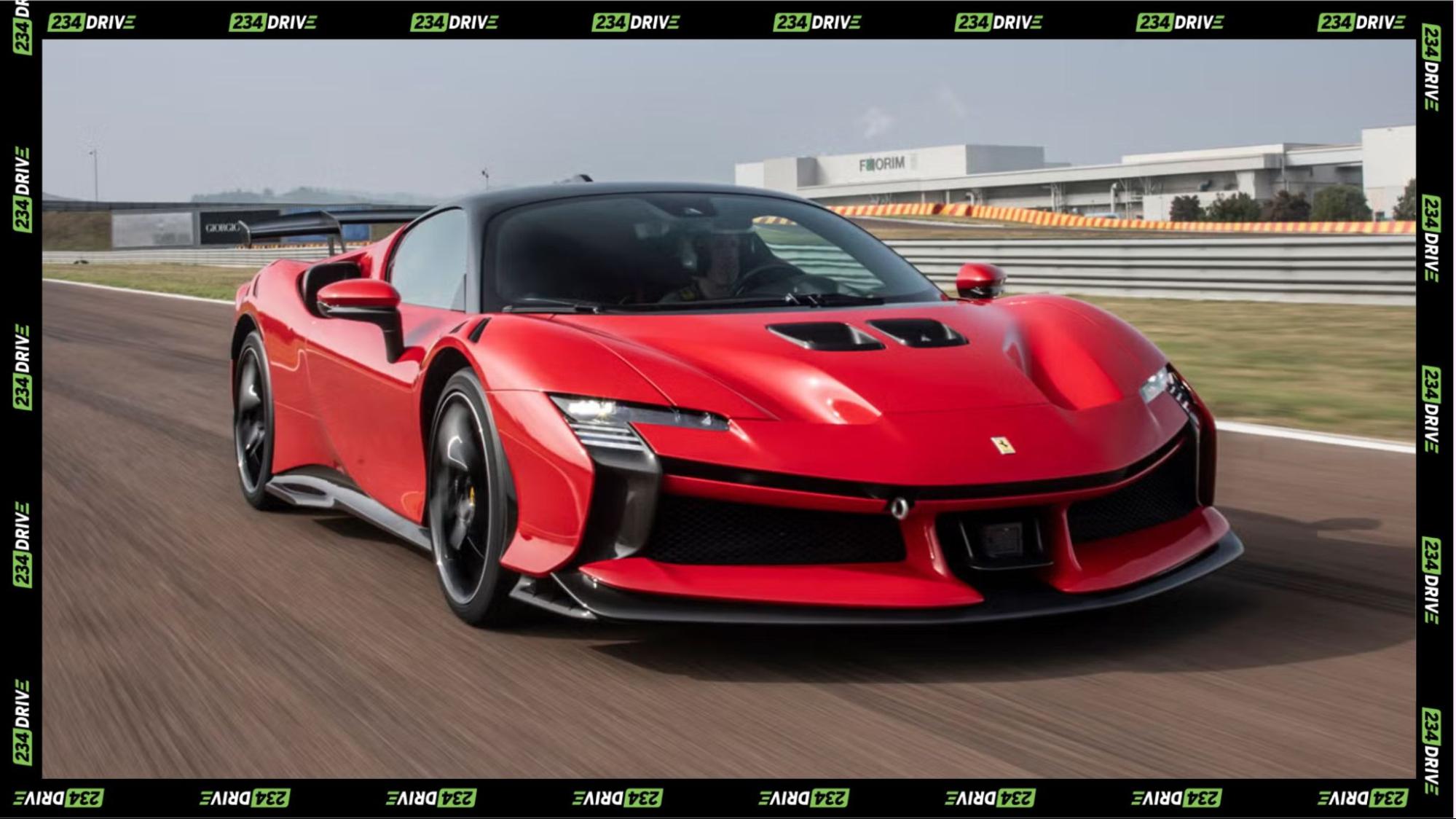
The Ferrari SF90 Stradale commands attention with its aggressive, aerodynamically sculpted bodywork that blends function with dramatic Italian styling. The front fascia features distinctive S-Duct technology, channelling air over the bonnet to generate downforce whilst maintaining the brand’s signature prancing horse emblem. Sharp LED headlamps flank a low, wide grille opening, whilst active aerodynamic elements adjust automatically to optimise performance. The side profile showcases muscular haunches, deeply sculpted air intakes feeding the mid-mounted powertrain, and distinctive flying buttresses that frame the engine bay whilst enhancing rear visibility.
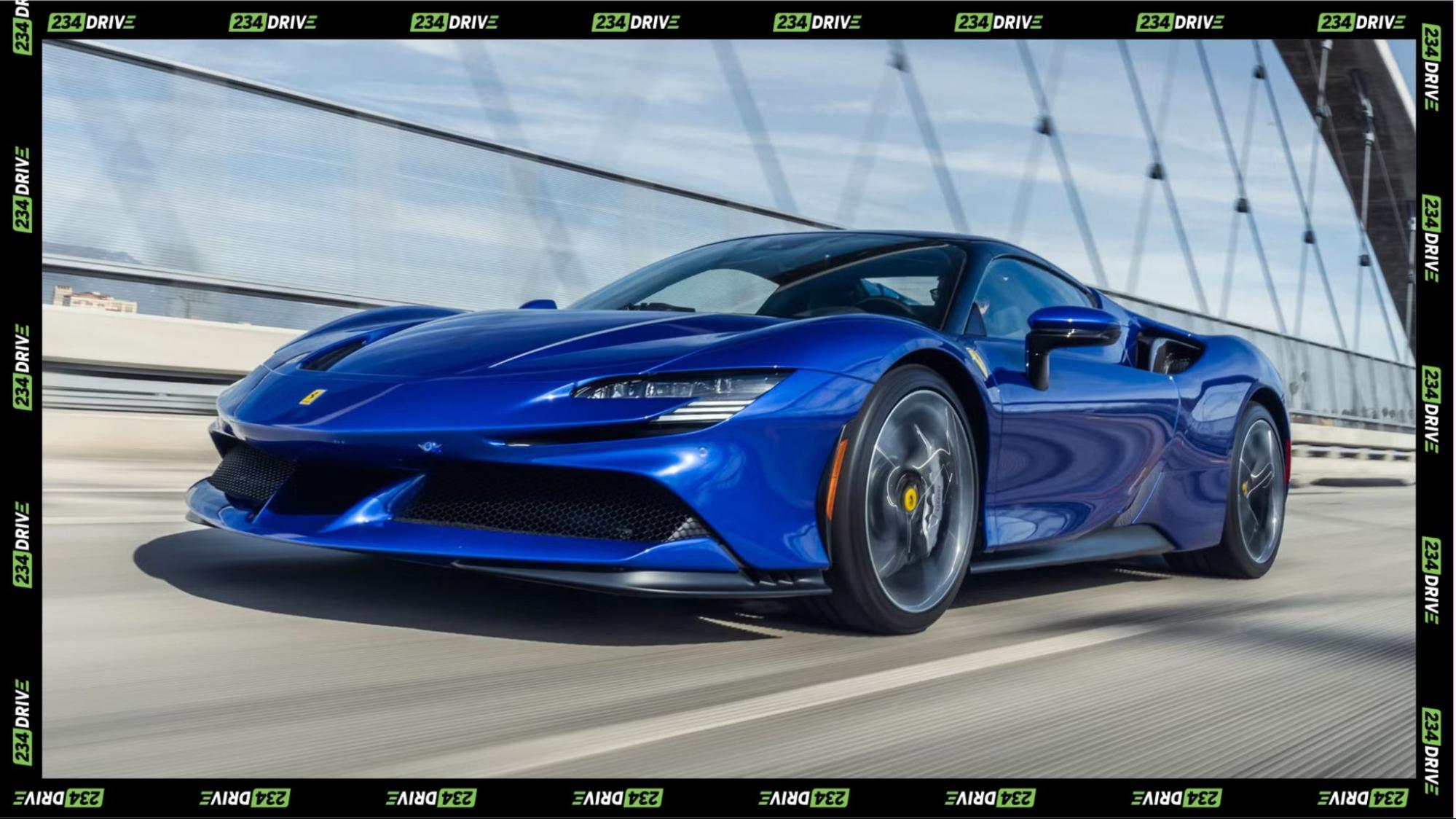
From the rear, the SF90 presents a purposeful stance with quad exhaust outlets integrated into a prominent diffuser, flanked by slim LED taillamps that echo Ferrari’s modern design language. The available Assetto Fiorano package adds visible carbon fibre components, including a more aggressive front splitter and rear spoiler, enhancing both visual impact and aerodynamic efficiency. Optional forged aluminium wheels measuring up to 20 inches amplify the car’s sporting character, whilst bespoke paint colours such as Blu Corsa, Rosso Corsa, and Bianco Italia allow owners to personalise their vehicle’s appearance to exacting standards.
Interior Luxury and Technology
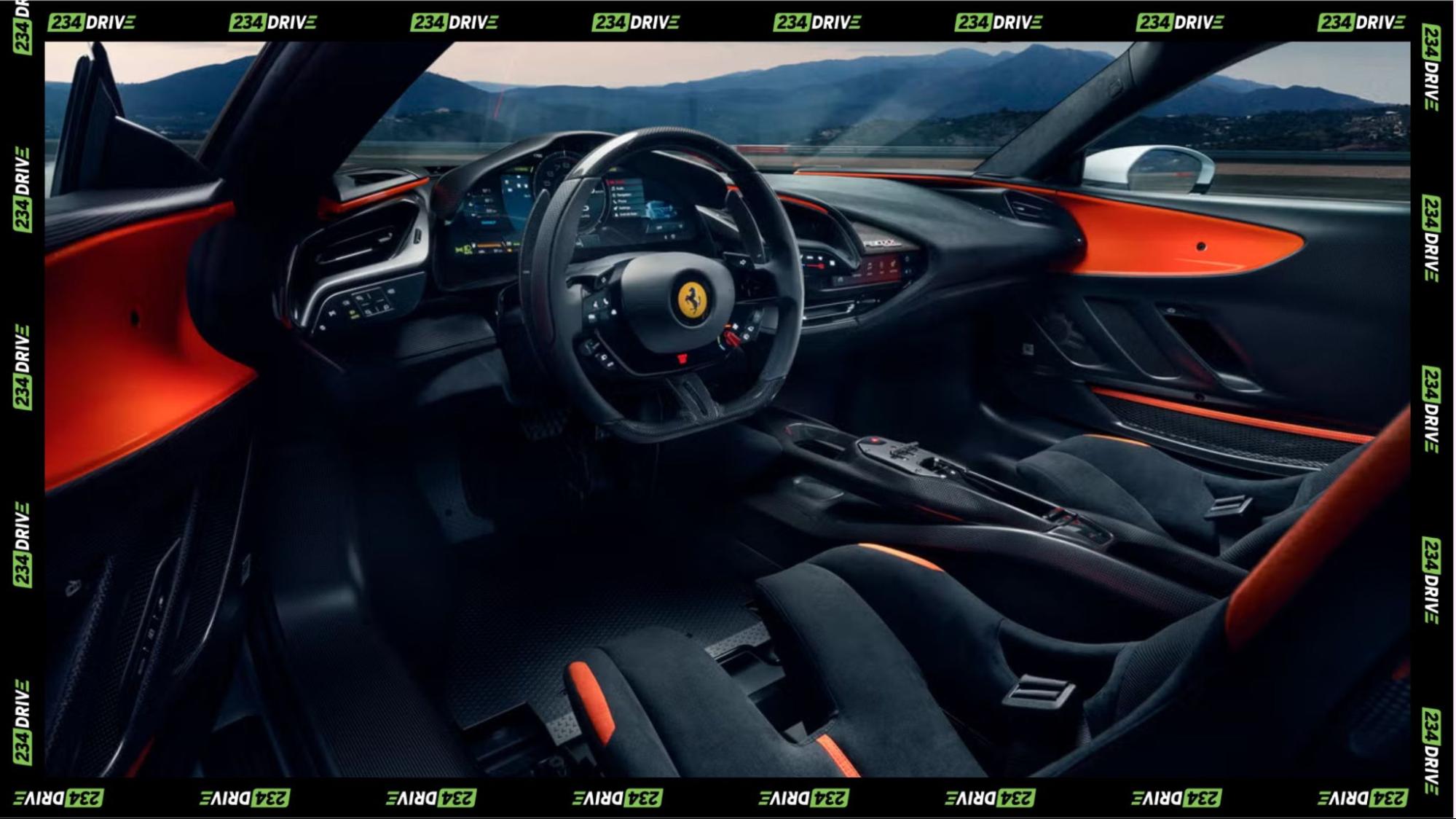
Inside, the SF90 envelops occupants in a driver-focused cockpit blending traditional Ferrari craftsmanship with cutting-edge digital interfaces. The steering wheel houses virtually all major controls, following Formula 1 philosophy, with buttons and rotary selectors for drive modes, indicators, and wipers eliminating the need to remove hands from the wheel. A 16-inch curved digital instrument cluster provides comprehensive vehicle information, whilst a portrait-oriented central touchscreen manages infotainment, navigation, and vehicle settings. Premium leather upholstery, optional Alcantara trim, and exposed carbon fibre elements create an atmosphere of purposeful luxury.
Performance credentials justify the SF90’s hypercar designation, with a 4.0-litre twin-turbocharged V8 engine producing 769 horsepower, supplemented by three electric motors contributing an additional 217 horsepower for a combined output of 986 horsepower. This plug-in hybrid powertrain delivers devastating acceleration, achieving 0-100 km/h in just 2.5 seconds and reaching a top speed of 340 km/h. The eight-speed dual-clutch transmission ensures instantaneous gear changes, whilst advanced torque vectoring and all-wheel drive provide exceptional handling dynamics. An electric-only mode offers approximately 25 kilometres of zero-emissions driving, though Nigerian charging infrastructure limitations may constrain this feature’s practical utility.
Ownership Considerations in Nigeria
The Nigerian ownership experience for an SF90 presents unique challenges distinct from European or North American markets. Lagos’s congested urban environment, with notorious traffic gridlock on routes like the Third Mainland Bridge and Lekki-Epe Expressway, means the SF90’s performance capabilities remain largely untapped during daily driving. Road surface quality varies dramatically, with potholes and uneven tarmac posing risks to the car’s low ground clearance and performance-oriented suspension tuning. The Assetto Fiorano’s track-focused setup, whilst exceptional on smooth surfaces, may prove particularly compromising on Nigeria’s challenging road infrastructure.
Climate considerations also influence the ownership proposition. Nigeria’s tropical environment, with high temperatures and humidity year-round, places demands on the vehicle’s cooling systems and challenges interior materials. However, the SF90’s advanced features prove well-equipped to handle such conditions. Service and maintenance present perhaps the most significant practical concern, as Nigeria lacks an official Ferrari dealership network. Owners must rely on specialist importers like Polanco Exotic Cars in Lekki, Lagos, for routine servicing, with major repairs potentially requiring the vehicle to be shipped overseas. This reality underscores the importance of purchasing through reputable importers who can facilitate ongoing maintenance support.
Competitive Context and Market Position
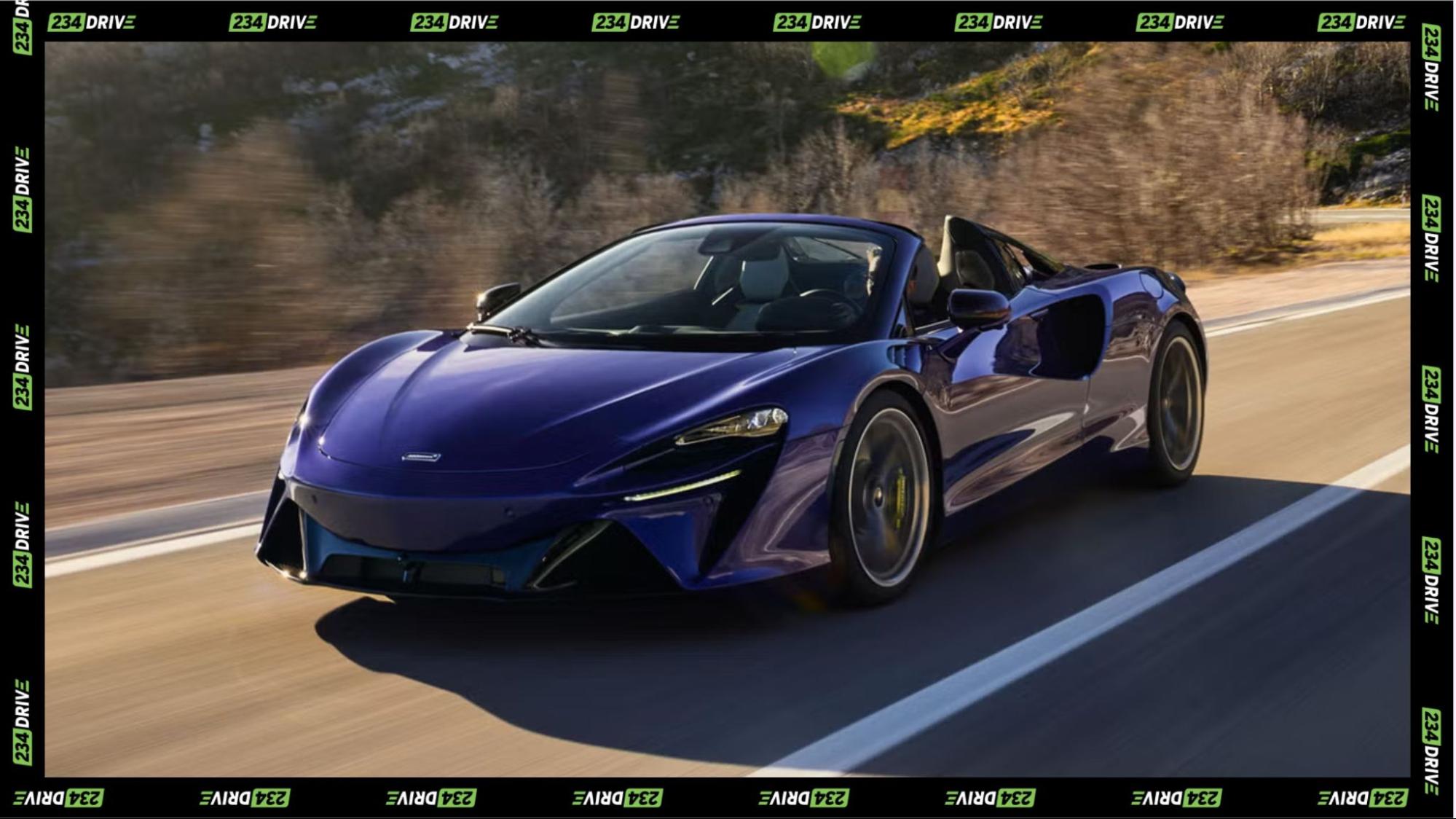
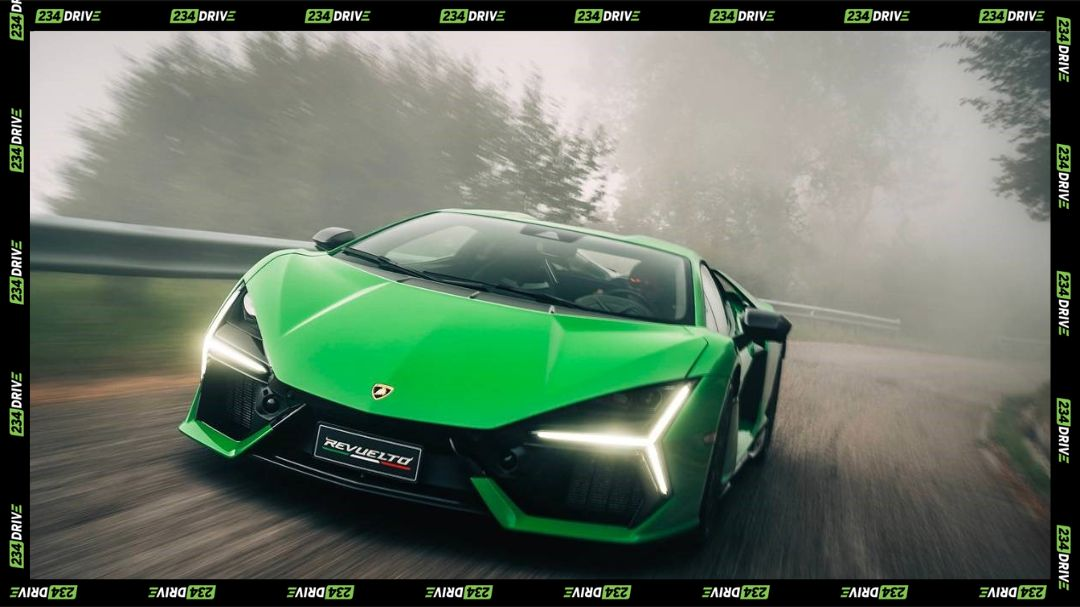
Within the hypercar segment, the SF90 competes against rivals such as the McLaren Artura, Lamborghini Revuelto, and Porsche 918 Spyder successor models, though direct comparisons prove challenging given each manufacturer’s distinct approach to hybrid performance. The SF90’s combination of electrification and traditional V8 power positions it uniquely, offering daily usability through electric-only mode whilst delivering track-worthy performance when demanded. In terms of pricing, the SF90 sits below ultra-limited production models like the LaFerrari but commands a premium over more accessible supercars, reflecting its technological sophistication and brand prestige.
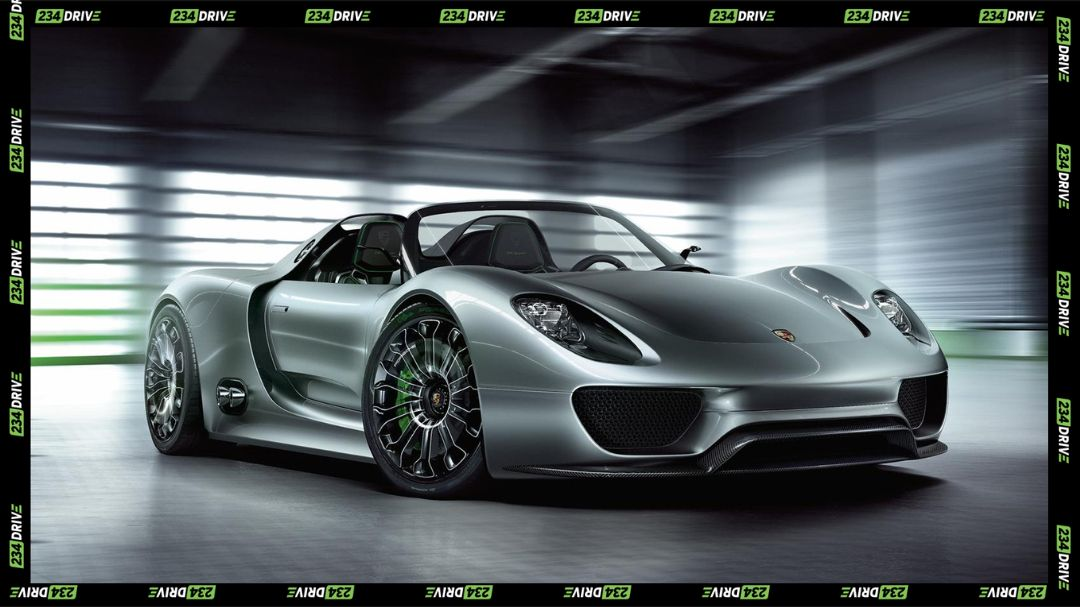
Resale value considerations in the Nigerian market differ significantly from established automotive markets. The extreme rarity of SF90 models with only four confirmed units nationwide, creates a unique supply-demand dynamic that may support values better than typical supercar depreciation patterns. However, the limited buyer pool for vehicles at this price point, combined with concerns about maintenance history and import documentation, can complicate resale transactions. Prospective buyers can explore used 2025 models internationally, though depreciation data suggests SF90 values can decline by $400,000 or more over four years. Nigerian market dynamics may not follow these patterns given the different ownership context and collector-focused buyer profile.
Conclusion
The Ferrari SF90 represents an extraordinary engineering achievement, delivering near-1,000-horsepower hybrid performance in a package that maintains everyday usability. For Nigerian buyers, acquiring this automotive masterpiece requires navigating import duties, exchange rate volatility, and limited service infrastructure, with total costs typically ranging from ₦1.2 billion to ₦1.5 billion. Whilst these figures place the SF90 firmly in ultra-luxury territory, recent transactions confirm genuine demand exists amongst Nigeria’s automotive elite.
Those interested in Ferrari models or browsing luxury vehicles should carefully weigh the car’s undeniable performance credentials and prestige value against practical ownership challenges, ensuring they have access to proper maintenance support and realistic expectations about daily usability in Nigerian driving conditions. For those who can accommodate these considerations, the SF90 offers an unparalleled driving experience and the exclusivity of owning one of fewer than five examples in Africa’s most populous nation. What are your thoughts on hypercar ownership in Nigeria’s unique automotive landscape? Share your perspective below.