
General Motors is executing a fundamental shift in its approach to vehicle technology, moving away from simple transport and towards the creation of genuinely intelligent, connected co-pilots. This ambition, confirmed during a high-profile event in October 2025, signals that the real revolution in the automotive sector will not just be electric propulsion, but the advanced artificial intelligence that manages the journey. The headline news is the massive rollout of advanced AI capabilities, including the use of Google’s potent Gemini model, slated to begin across its 2026 vehicle lineup, focusing heavily on its Ultium-based electric vehicles from Chevrolet.
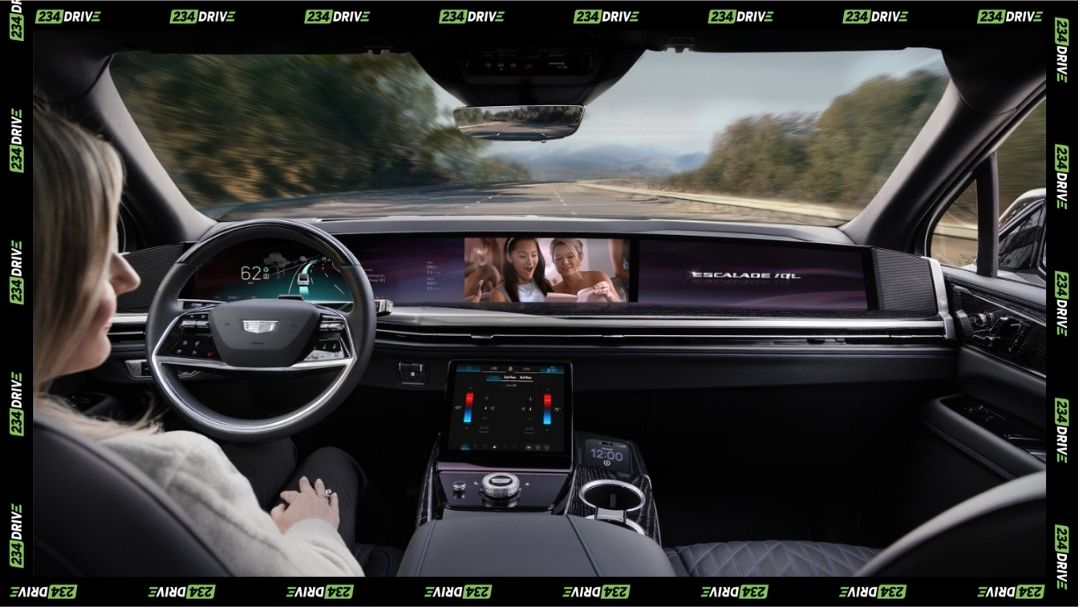
The core announcement centres on a strategic blend of digital integration and safety augmentation. From 2026, Chevrolet’s Ultium EVs, such as the Silverado EV and Equinox EV, will incorporate Gemini-powered conversational AI will incorporate Gemini-powered conversational AI. This system replaces earlier ‘Google Built-In’ iterations and is designed to handle complex, natural language queries, turning the vehicle interface into a dynamic partner. Simultaneously, the company is upgrading its proprietary Driver Attention Assist technology upgrading its proprietary Driver Attention Assist technology to provide far more proactive, responsive fatigue monitoring. This represents a strategic commitment to enhancing driver assistance systems and user personalisation long before the arrival of full vehicle autonomy.
The primary technological focus is on optimisation and communication. The Gemini system will allow drivers to request customised routes in plain language—for example, “Find a scenic drive to the coast with charging stops and a good coffee shop”—with the AI factoring in real-time battery status, traffic, and learned personal preferences. This proactive, context-aware guidance is layered onto GM’s upgraded fatigue monitoring, which uses infrared cameras and steering wheel sensors to analyse cues like blink duration and yawning. If drowsiness is detected, the system provides escalating alerts and practical intervention suggestions, such as route adjustments for rest.
In this integrated ecosystem, the roles are clearly divided: GM provides the robust Ultium electric vehicle architecture and the proprietary Super Cruise and Chevy Safety Assist safety programmes. Google supplies the foundational large language model, Gemini, which powers the advanced conversational intelligence. Finally, OnStar serves as the crucial connectivity layer On-Star serves as the crucial connectivity layer, facilitating secure data transfer, over-the-air updates, and the seamless integration of vehicle intelligence needed for the AI to learn individual driver habits.
This measured approach signals a critical strategic shift for General Motors. Rather than betting everything on a rapid, full ‘eyes-off’ autonomy solution full ‘eyes-off’ autonomy solution—which GM has slated for a Level 3 launch in 2028—the company is focusing on delivering high-value, consumer-centric software features that enhance safety and convenience today. This dual focus allows GM to secure immediate, high-margin software revenue through subscriptions while building user trust and generating the vast amounts of real-world data necessary for future autonomy programmes.
In the global market, GM is positioning itself as a reliable counterpoint to high-profile US rivals. Whilst Tesla’s Full Self-Driving (FSD) system has focused on a rapid, vision-only deployment approach that currently requires constant human supervision, GM is leveraging the established track record of Super Cruise established track record of Super Cruise, which uses a more robust redundant sensor stack of Lidar, radar, and cameras for its imminent Level 3 ‘eyes-off’ driving due in the Cadillac Escalade IQ by 2028. GM’s use of fatigue monitoring, which has been refined using data from international markets such as Australia, demonstrates a commitment to centralised safety validation that contrasts with the fast-moving, sometimes controversial, ‘move fast’ ethos of some Silicon Valley firms.
Regarding competitor execution, Tesla first deployed its FSD software in 2020. However, despite rapid iteration, that system remains a Level 2 driver assistance feature, requiring the driver’s unwavering attention. GM’s Super Cruise, by contrast, has demonstrated safe hands-free driving on compatible roads for years, accumulating millions of miles with no crashes attributed to the technology. GM is now leveraging its autonomous subsidiary, Cruise, to fold its sensor and validation expertise directly into the 2028 eyes-off system, illustrating a slower but more safety-conscious path from Level 2 to Level 3 autonomy.
GM’s credibility in this domain is built on a strong, long-standing track record. The company has successfully scaled its Super Cruise hands-free driving technology to over 700 million miles of use across North America, proving that it can deploy complex assistance systems safely. Furthermore, the foundations of the new fatigue monitoring system are derived from the long-established Chevy Safety Assist features, providing a credible base of hardware and algorithms refined over years of real-world deployment. The new features debut on Ultium EVs, such as the Silverado EV Ultium EVs, such as the Silverado EV.
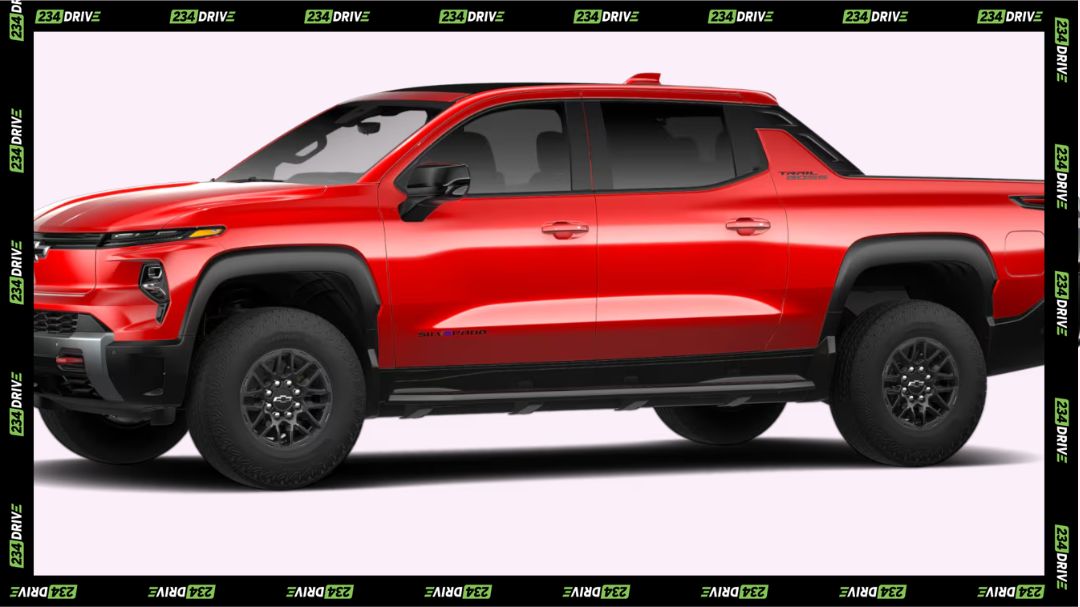
Ultimately, these 2026 integrations signal that the EV is not just a cleaner alternative to the petrol car, but a completely new computational platform. By fusing the power of the Gemini AI with critical safety features, GM is redefining the relationship between driver and machine. This marks the definitive transition from vehicle as transport to vehicle as an adaptive assistant, raising important questions about the future: should regulators now treat the foundational AI and safety systems in these vehicles like public infrastructure to ensure equitable access and interoperability across the industry?