
The Nigerian automotive landscape is fundamentally driven by two factors: affordability and resilience. In this market, the humble hatchback has carved out a significant, if often understated, niche. Defined by their two-box configuration—combining the passenger and cargo areas in one volume accessed via a large upward-swinging rear door—hatchbacks offer a unique proposition of maximal interior space within a minimal footprint. This design philosophy translates directly into lower running costs, excellent urban manoeuvrability, and a versatility that appeals directly to first-time buyers, students, and city commuters across Lagos, Abuja, and Port Harcourt.
As of late 2025 and moving into 2026, the demand for cost-effective mobility solutions remains high, ensuring that reliable used (or ‘Tokunbo’) hatchbacks remain a highly sought-after commodity. While traditional sedans like the Toyota Corolla and Camry command the highest overall sales figures, hatchbacks dominate the entry-level and budget segments, with many reliable models available below the ₦5 million price point. Their inherent fuel efficiency and relatively simple mechanical architectures make them an astute choice against the backdrop of fluctuating fuel prices and demanding urban traffic conditions.
Detailed Examination of Nigeria’s Top 5 Hatchback Models
Based on prevalence in used car listings, maintenance feedback, and consumer demand, the following five models represent the most common and recommendable hatchbacks currently navigating Nigerian roads.
1. Toyota Yaris
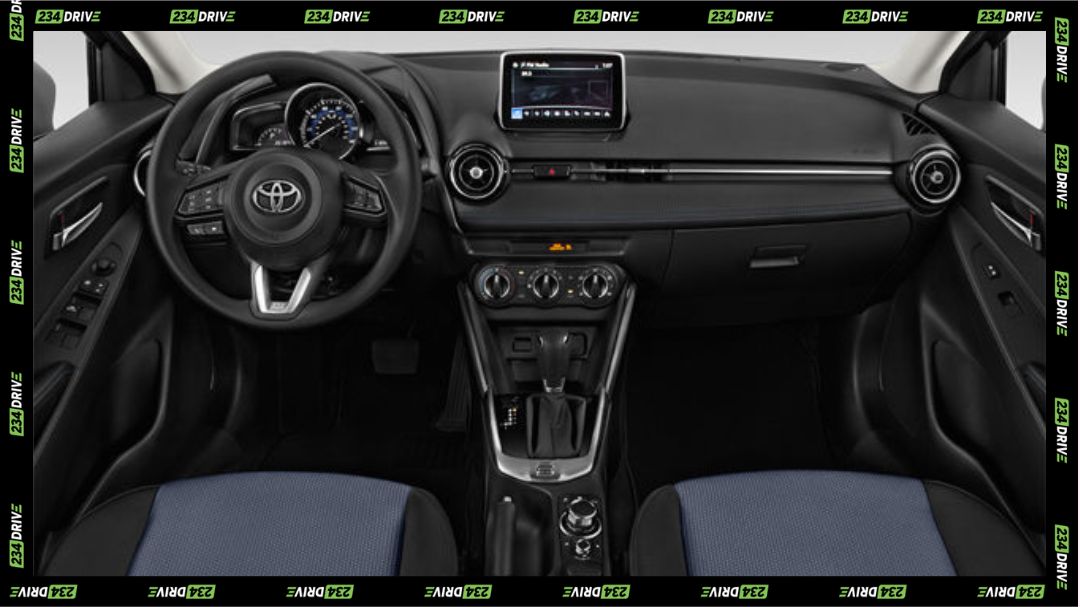
The Toyota Yaris is the benchmark for reliability in the compact segment, frequently appearing in market listings for model years 2014 to 2016. Its exterior design is inherently conservative, prioritising function over flair, yet its compact, upright stance grants it an excellent road presence in congested areas. The styling is defined by smooth, durable body panels and typically high-set headlights, features that contribute to the car’s overall robust, no-nonsense aesthetic—a crucial attribute for vehicles operating in often unpredictable urban environments.
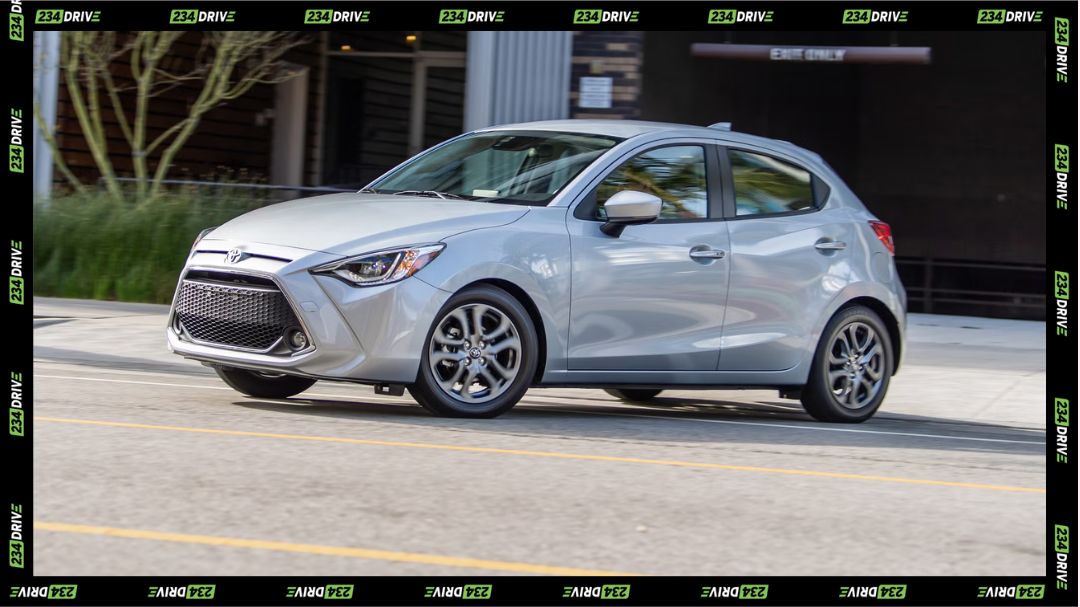
Internally, the Yaris is built for durability, featuring hard-wearing plastics and straightforward ergonomics. While technology is basic in these common mid-decade models, standard features typically include air conditioning and a simple audio system with auxiliary connectivity. Performance is delivered by the ultra-dependable 1.5-litre, four-cylinder engine, which commonly produces around 106 horsepower (bhp). This unit is paired with a five-speed manual or four-speed automatic gearbox, focusing the driving experience entirely on fuel savings, often achieving 15–20 kilometres per litre (km/l). Used models typically fall within the ₦3 million to ₦5 million range, making it a powerful contender on price and reputation.
2. Kia Picanto
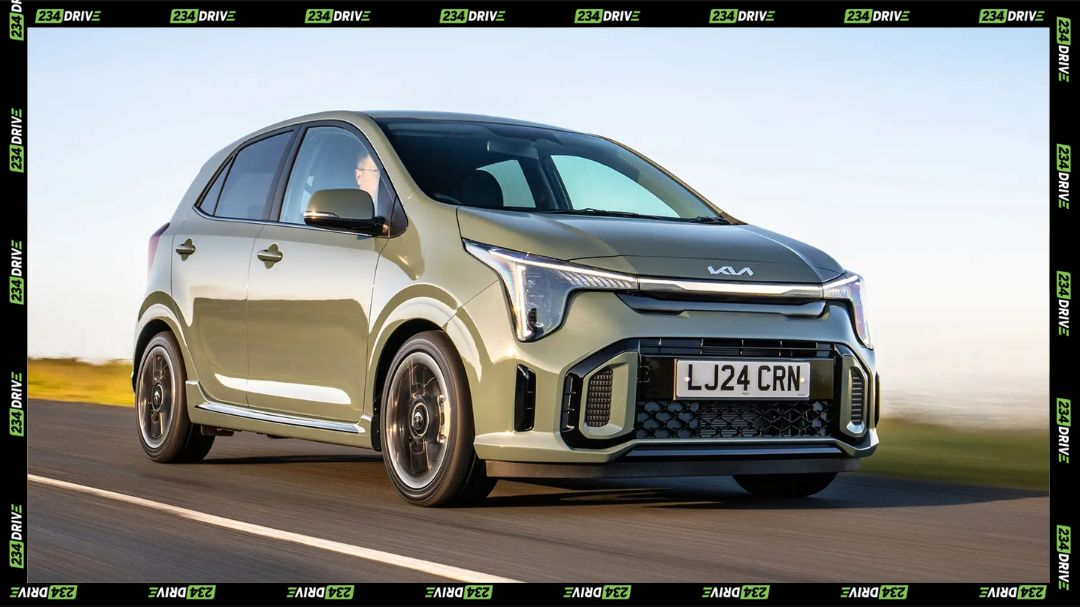
The Kia Picanto, especially models from 2015 to 2020, stands out for its modern, European-influenced styling. It projects a youthful, slightly more aggressive road presence than its Japanese rivals, defined by its signature ‘tiger-nose’ grille (on later models) and sharp body lines. Its smallest dimensions make it the ultimate city car, effortlessly weaving through traffic and fitting into tight parking spaces—a major advantage in Nigeria’s most crowded cities.
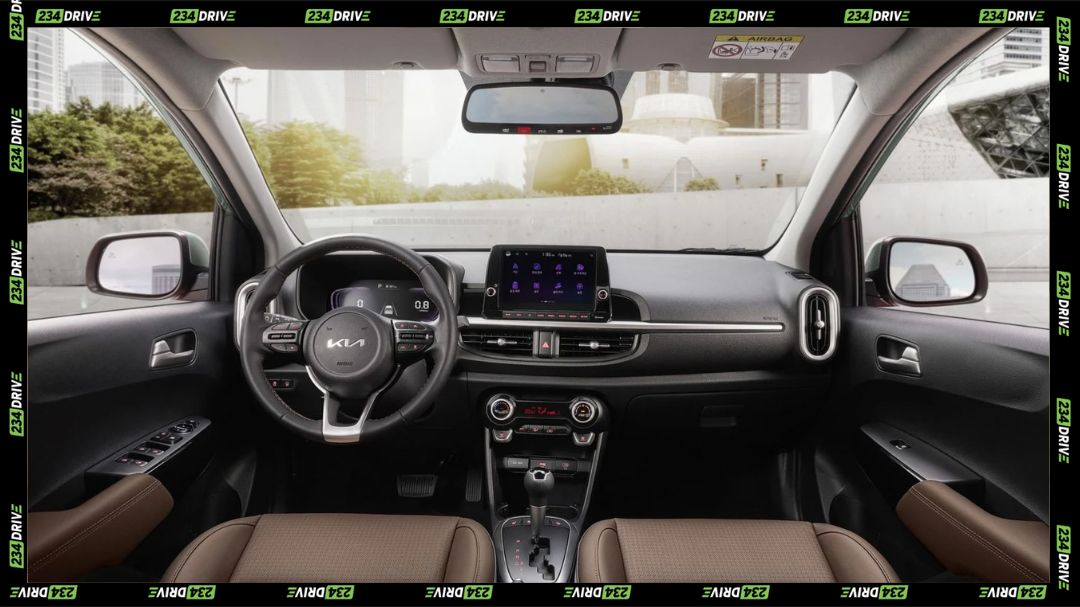
Inside, the Picanto aims to defy its budget positioning with a clean, ergonomic layout and a surprisingly upmarket feel in higher trims. Newer iterations boast touchscreen infotainment and basic safety aids like anti-lock braking systems (ABS). The most common powertrain is the efficient 1.0-litre three-cylinder engine, designed purely for low fuel consumption (up to 22 km/l) and low-speed commuting. Its performance is adequate for the city, though strained on motorways. With used prices often between ₦2.5 million and ₦4.5 million, the Picanto offers excellent value for a car with relatively modern aesthetics.
3. Honda Fit (Jazz)
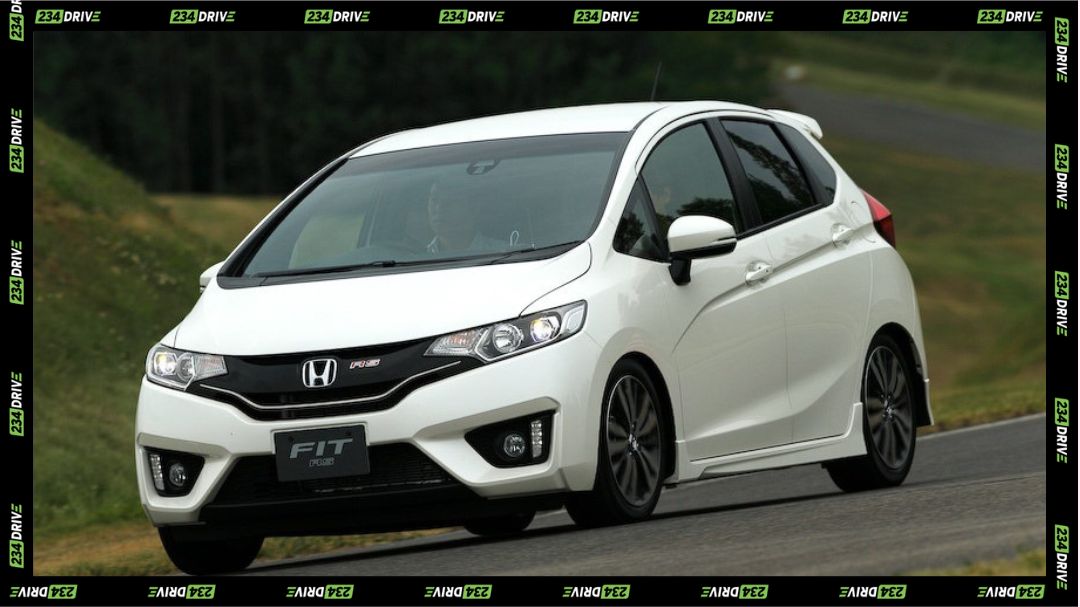
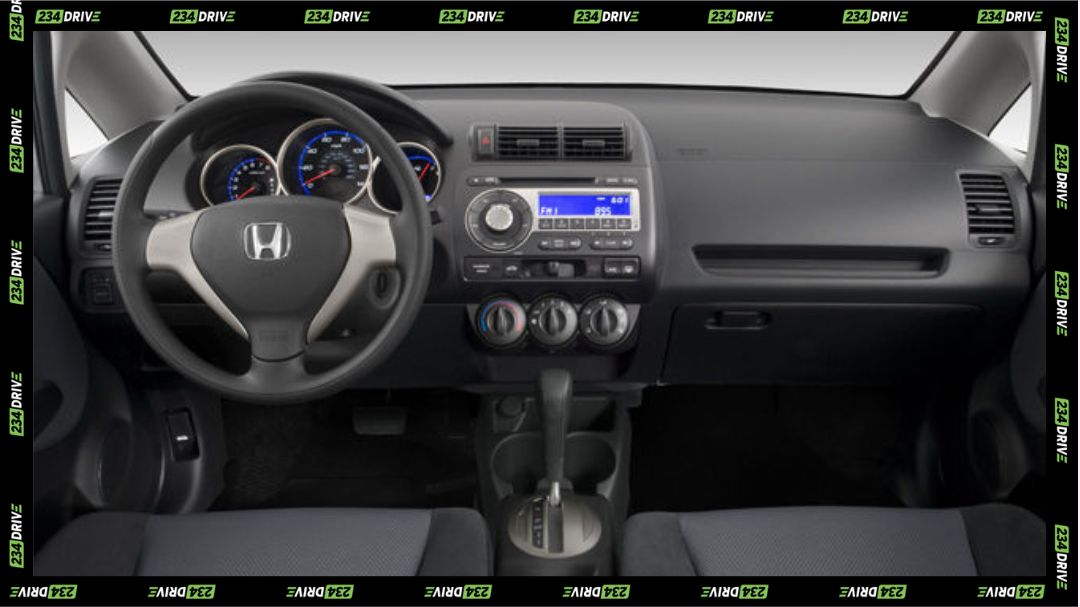
Known internationally as the Honda Jazz, the Fit is arguably the segment leader in terms of practical design and interior utility. Externally, the Fit’s tall, boxy profile is its defining feature, giving it a somewhat monolithic road presence that belies its compact footprint. While not sporty, its design maximises visibility and passenger room, making it appear larger and more substantial than many direct competitors.
The true genius of the Honda Fit lies in its cabin, built around the centrally located fuel tank. This innovative layout allows for Honda’s famed ‘Magic Seats,’ which can be configured into multiple modes (Utility, Tall, Long) to accommodate everything from bicycles to large flat-pack furniture. This versatility is unmatched. Common models from 2010 to 2015 feature reliable 1.3-litre or 1.5-litre engines, producing between 98 bhp and 117 bhp. Its fuel efficiency is excellent (16–22 km/l). Used models are valued between ₦3 million and ₦4.5 million, offering a compelling blend of utility and reliability.
4. Volkswagen Golf
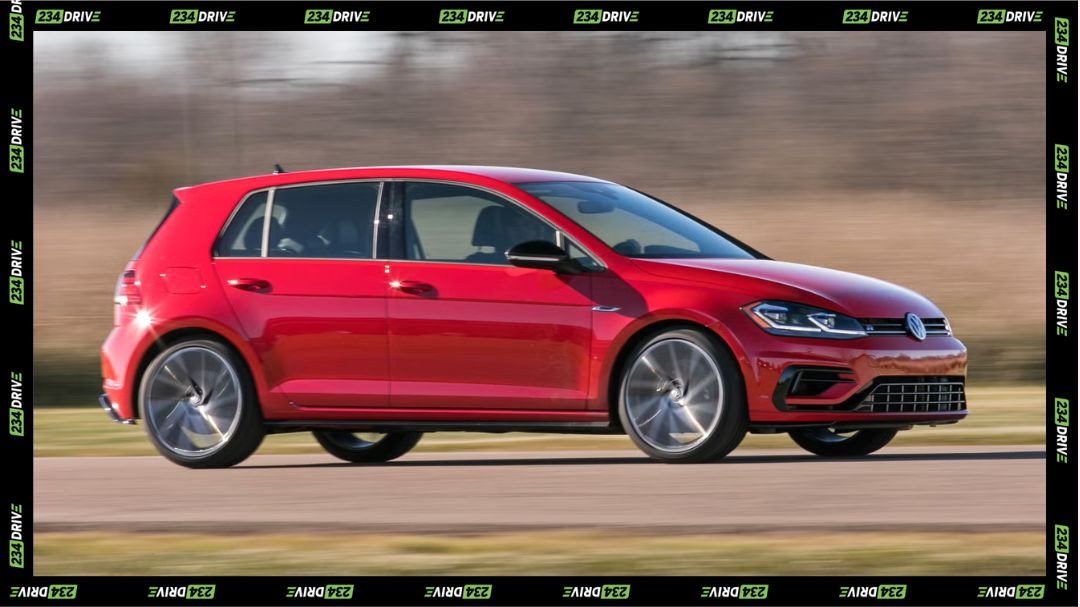
The Volkswagen Golf, a European automotive icon, brings a sense of premium quality and superior driving dynamics to the Nigerian hatchback segment. Its exterior design is evolutionary and timeless, defined by sharp creases, a broad stance, and a more sophisticated road presence than the Yaris or Picanto. Even older generations (2012–2018) possess a palpable solidity that appeals to buyers seeking a blend of performance and prestige.
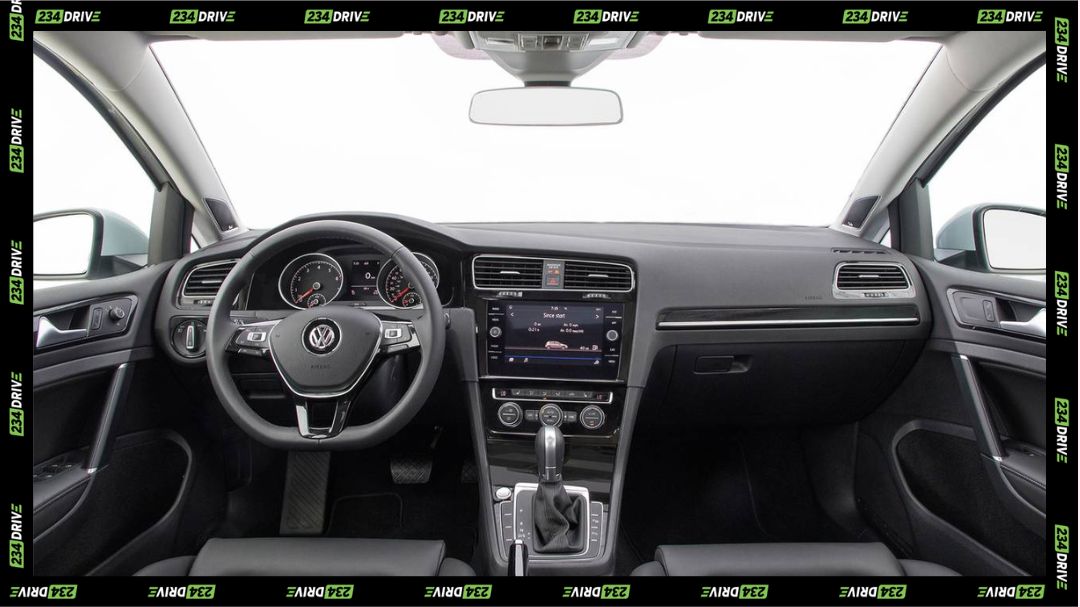
Inside, the Golf features a cabin with higher-quality materials and better noise insulation, reflecting its European heritage. Mid-range specifications often include intuitive infotainment systems and superior fit and finish. Performance-wise, the Golf often employs turbocharged engines, providing a spirited driving experience and better high-speed stability compared to its naturally aspirated rivals. Fuel efficiency ranges from 14–18 km/l, acceptable given the improved power delivery. Used pricing is typically higher, sitting between ₦4 million and ₦6 million, justifying the price tag through better engineering and a more comfortable ride.
5. Ford Fiesta
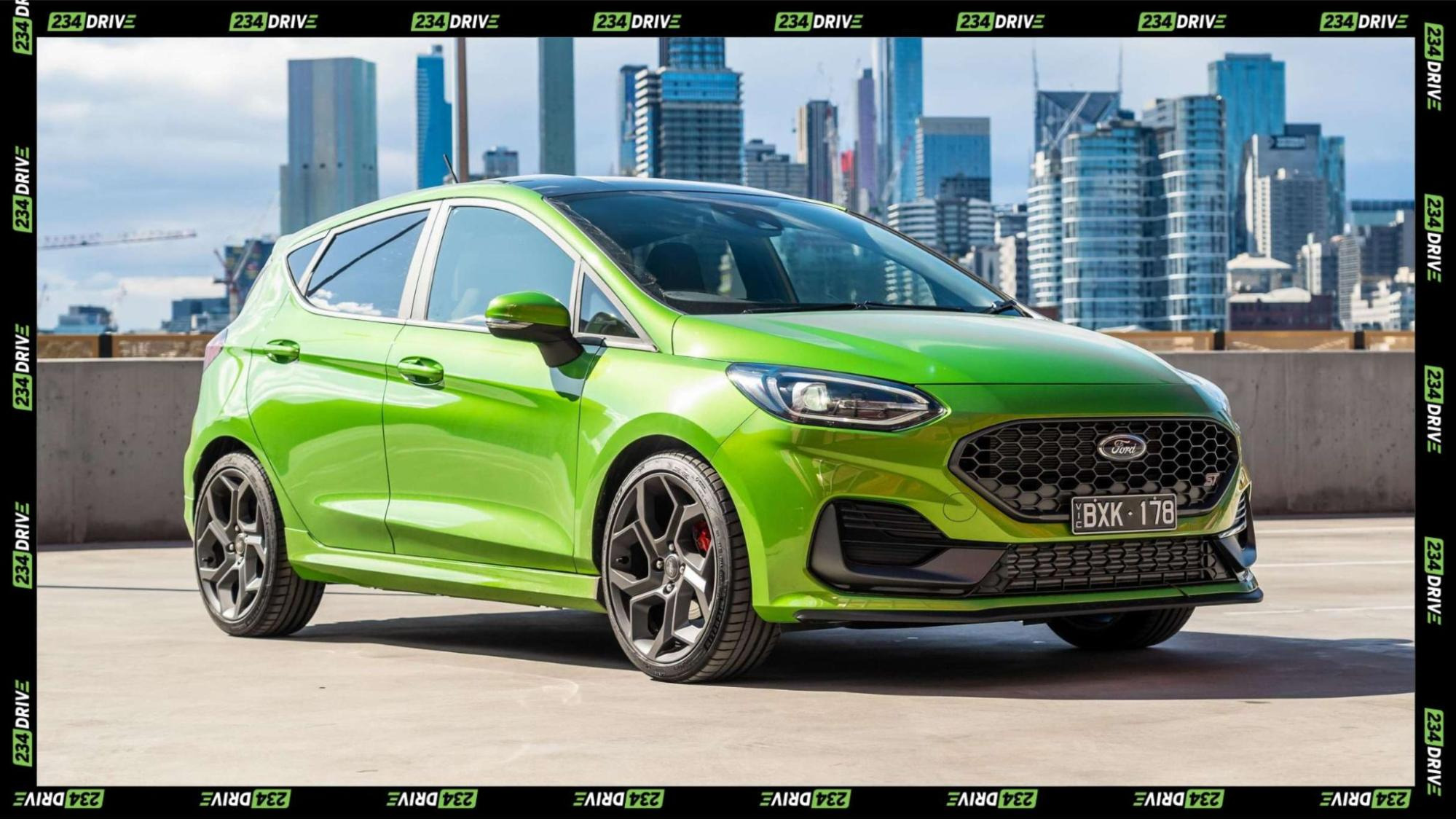
The Ford Fiesta, particularly models from 2013 to 2017, is celebrated for its agile handling and ‘fun-to-drive’ character. Its styling is defined by kinetic design elements, giving it a dynamic, modern road presence with sweeping lines and an aggressive front grille, making it a popular choice among younger drivers. The compact structure manages to feel planted and engaging, distinguishing it from the more utility-focused Asian hatches.
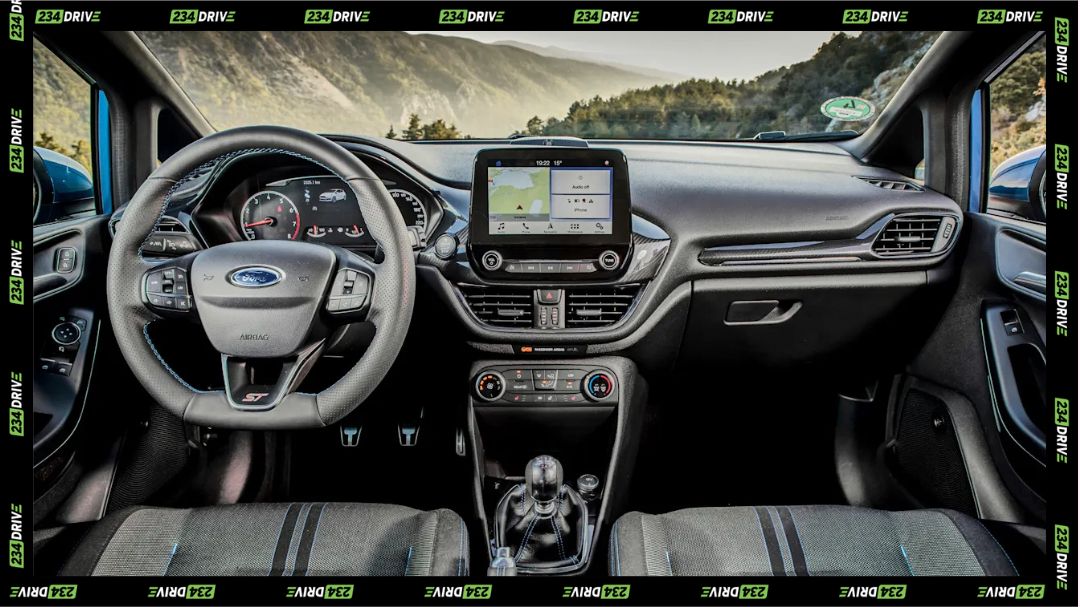
The interior of the Fiesta often features Ford’s SYNC infotainment system in later models, providing good connectivity for its class. The seats are typically supportive, complementing the sporty driving dynamics. Engines commonly found in Nigerian imports include a reliable 1.6-litre Duratec petrol unit, offering a good balance of power and efficiency, generally around 110 bhp. Fuel consumption is competitive, averaging 15–19 km/l. Priced between ₦3 million and ₦5 million, the Fiesta offers a Euro-centric blend of good technology and excellent road holding, although its maintenance costs can sometimes edge higher than its Japanese counterparts.
Why These Cars Work for Nigerian Roads
The selection of these five hatchbacks perfectly reflects the realities of car ownership in Nigeria. These vehicles are primarily suited for the dense, slow-moving traffic of major cities, where their compact dimensions and excellent fuel economy yield significant daily savings and stress reduction. They offer a necessary compromise between utility and cost, serving the lifestyle of the aspirational, budget-conscious commuter.
Crucially, the resilience and low maintenance profile of models like the Toyota Yaris and Honda Fit are vital. Nigerian road conditions often necessitate robust suspension components and reliable engines that can withstand high temperatures and dust infiltration. While all cars suffer wear, the availability and low cost of replacement parts for Toyota and Honda are unparalleled, dramatically simplifying the ownership experience. The Volkswagen Golf and Ford Fiesta, while offering better handling and comfort, demand more specialised maintenance and often use complex components that can be vulnerable to the nation’s humid climate, sometimes leading to electrical corrosion issues that are challenging to diagnose and repair locally.
Comparison to Segment Rivals
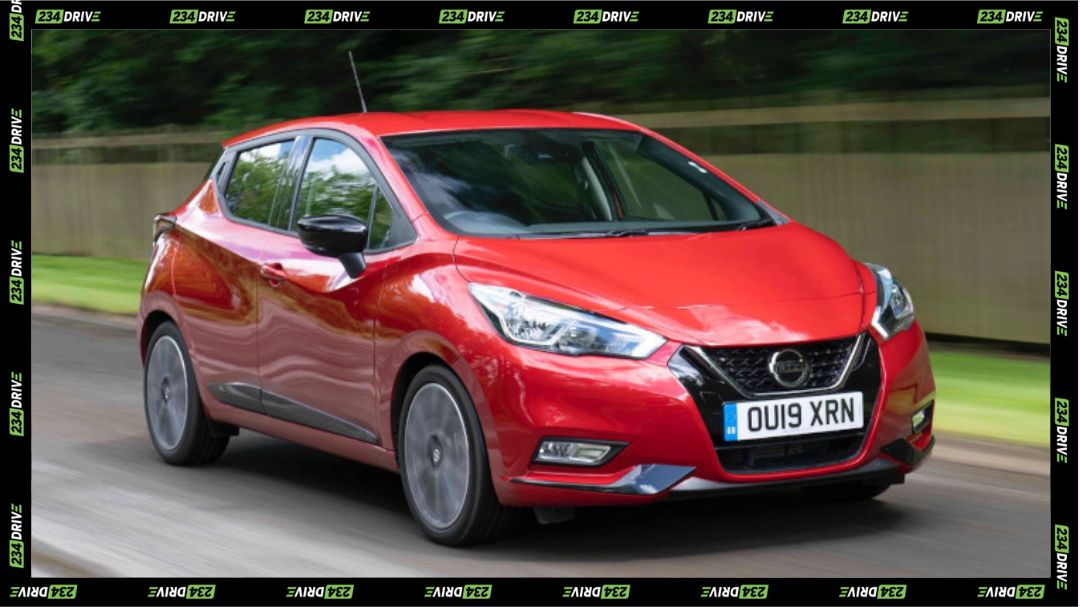
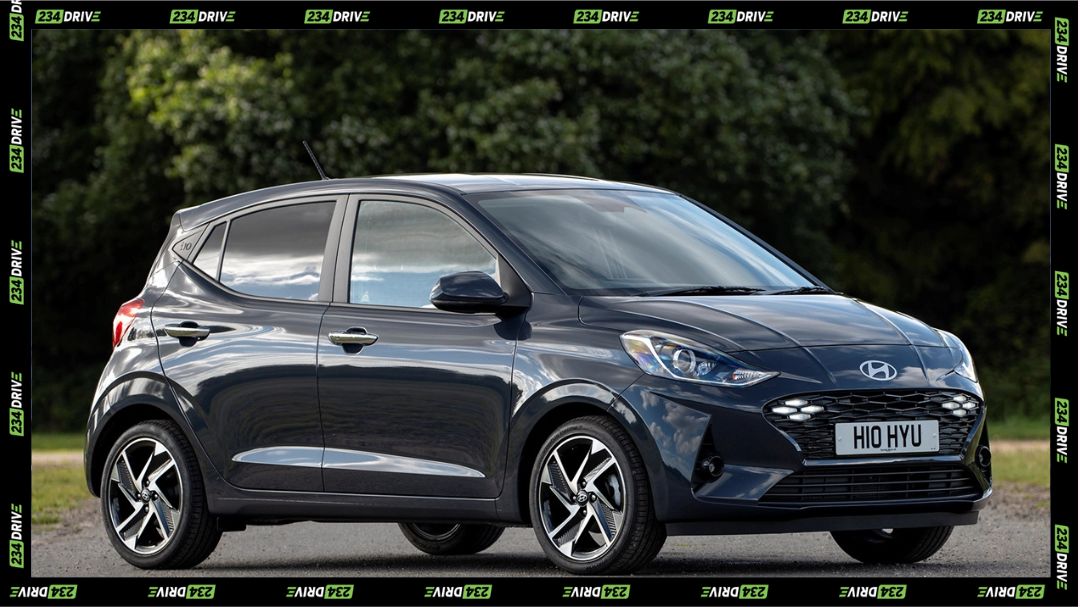
When positioning these five hatchbacks against their closest segment rivals, such as the Hyundai i10, Nissan Micra, or newer crossover-style entrants like the Toyota Aygo X, several core differences emerge concerning cost, positioning, and durability.
In terms of market positioning and resale value, the Japanese trio—the Yaris, Fit, and, to a lesser extent, the Picanto—dominate. The Toyota Yaris maintains the highest resale value due to its legendary durability and minimal maintenance overhead, often demanding higher initial prices even for older used models. The Kia Picanto, sharing a platform with the reliable Hyundai i10, offers a more attractive aesthetic package and lower purchase price, making it a fierce competitor on value. However, the true durability test is parts accessibility; here, the Fit and Yaris maintain a critical edge over the European models like the Fiesta and Golf, whose parts can be imported at higher cost and longer lead times.
The performance-oriented Volkswagen Golf and Ford Fiesta generally command a slightly more premium price tag, appealing to drivers who prioritise driving feel over absolute running cost minimalism. They are also positioned competitively against larger, entry-level sedans, offering superior handling and better safety ratings in many cases, though this comes at the expense of potentially more complicated electrical architecture. Overall, for the Nigerian buyer where cost and durability are paramount, the Yaris represents a safe financial investment, while the Fit provides the best practical utility, and the Picanto offers the most affordable gateway to modern small car ownership.
Conclusion
The hatchback segment is integral to accessible motoring in Nigeria, providing essential, reliable transport without the financial burdens associated with larger vehicles. The Toyota Yaris, Honda Fit, and Kia Picanto remain the foundational pillars of this market, demonstrating exceptional fuel economy and proven durability for the rigours of urban life. The Volkswagen Golf and Ford Fiesta offer exciting alternatives for those who are willing to accept slightly higher maintenance overheads in exchange for a superior driving experience and build quality. Ultimately, the success of these models is rooted in their practicality and cost-effectiveness, securing their place as prudent choices for the vast majority of Nigerian commuters.
Let me know if you’d like to explore the specific maintenance costs for any of these models in more detail or perhaps examine the emerging market for hybrid hatchbacks like the Toyota Prius C.