
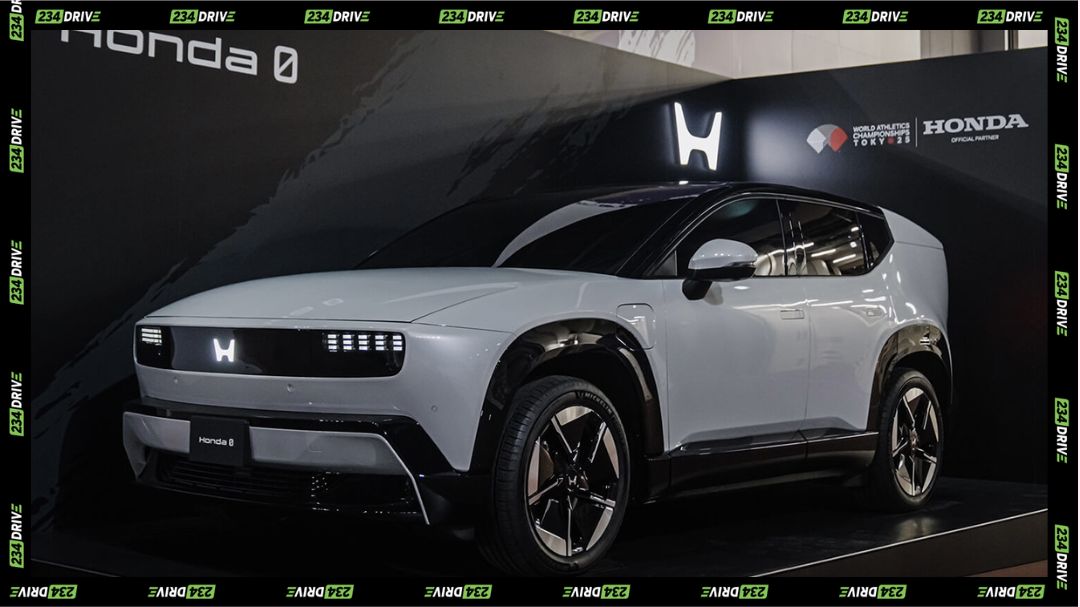
In a move that has sent shockwaves through the global automotive industry, Honda Motor Co. officially announced on 12 March 2026 that it has terminated the development and market launch of its three cornerstone North American electric vehicles. The cancellation of the Honda 0 SUV, the Honda 0 Saloon and the Acura RSX represents a dramatic reversal of the company’s “0 Series” flagship initiative, marking one of the most significant strategic retreats in the history of the modern EV transition. This sudden pivot, occurring just months before production was slated to begin at the company’s multi-billion-dollar Ohio EV Hub, underscores a brutal new reality for legacy carmakers facing shifting political landscapes and cooling consumer demand.
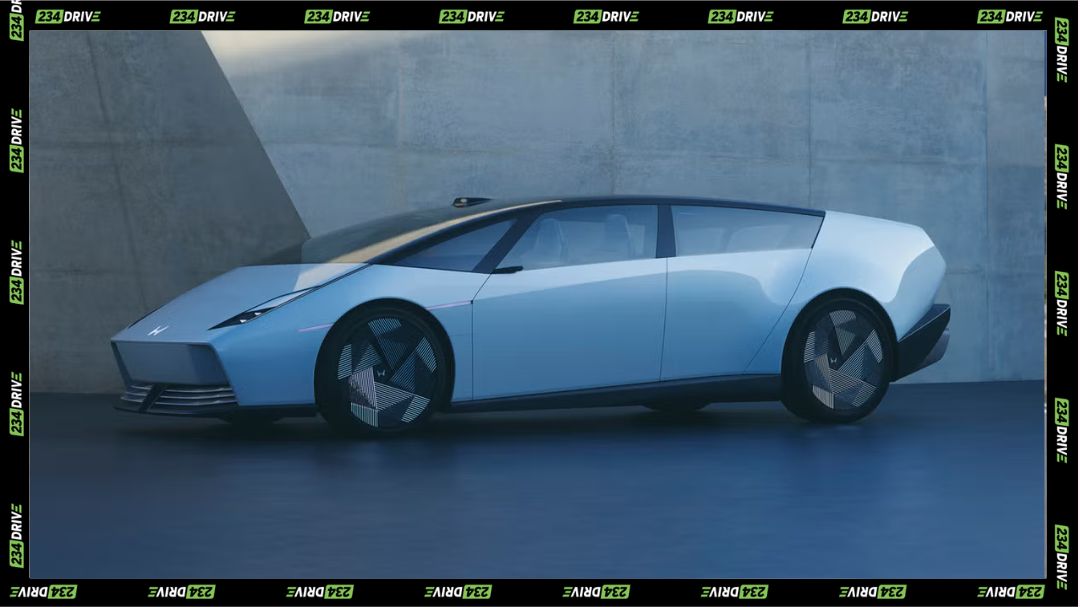
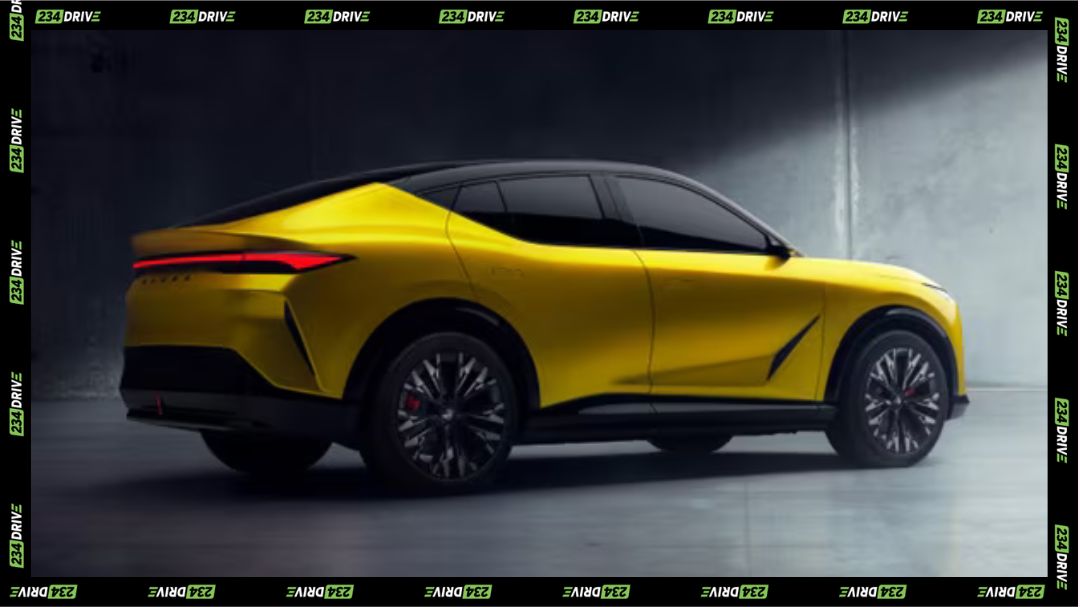
The cancellation involves three key pillars of Honda’s “0 Series” initiative, which was intended to represent the company’s leap into software-defined, futuristic mobility. The Honda 0 SUV and 0 Saloon were first showcased at CES 2025 as radical, “otherworldly” prototypes featuring the new ASIMO operating system and Level 3 autonomous driving capabilities. Accompanying them was the Acura RSX, a high-performance electric crossover designed to revive a legendary nameplate and serve as the premium alternative to the 0 Series SUV. All three were to be built on Honda’s proprietary architecture at its Marysville, Ohio EV Hub, ending the brand’s short-lived reliance on General Motors’ Ultium technology.
According to the official press release, the company cites a “reassessment of resource allocations” driven by a cooling North American market and a rapidly shifting regulatory environment. Honda specifically noted that the expansion of the electric vehicle market has slowed due to several factors, including the easing of fossil fuel regulations and significant revisions to federal EV incentives—most notably the expiration of the $7,500 tax credit in late 2025. Furthermore, new tariffs on gasoline and hybrid vehicles which historically provided the steady cash flow required to fund electric research have severely eroded the profitability of the company’s core business, making the launch of high-risk EV models unsustainable.
The financial fallout of this retreat is staggering. Honda anticipates a total loss of up to ¥2.5 trillion (approximately $15.8 billion) including asset write-offs for the Ohio production lines and massive R&D impairments. For the current fiscal year ending March 2026, the company expects operating losses to range between ¥820 billion ($ 5.1 billion) and ¥1.12 trillion ($ 7.03 Billion). In response to this deficit, top executives, including CEO Toshihiro Mibe, have announced voluntary pay cuts of up to 30 per cent for three months, while senior leadership will forgo performance-related bonuses to mitigate the impact on shareholder confidence.
This decision signals a massive strategic shift toward next-generation hybrid technology. Honda has made it clear that while it remains committed to long-term carbon neutrality by 2050, its immediate priority will be strengthening its hybrid lineup across North America, India, and Asia. From 2027, the company will introduce a new wave of hybrid engines and platforms designed to offer higher margins and greater competitiveness against both legacy rivals and emerging Chinese manufacturers. The battery production facilities in Ohio and Canada, once destined solely for the 0 Series, are now being evaluated for repurposing to support this hybrid-first strategy.
The broader implications for the industry are profound. Honda’s exit from its most ambitious EV projects echoes a growing trend of traditional carmakers scaling back electrification goals in the face of infrastructure gaps and policy uncertainty. While the Honda Prologue remains available as a GM-partnered offering, the death of the 0 Series and the Acura RSX electric crossover leaves a void in Honda’s independent electric future. For now, the “Power of Dreams” has been replaced by a pragmatic focus on the “Power of Hybrids,” as the company bets that internal combustion efficiency will remain the dominant bridge to the next decade.