
The Honda CR-V, an acronym for “Comfortable Runabout Vehicle”, has maintained a dominant position in the global compact SUV market since its inception in 1995. Originally developed on the Civic platform, it was designed to offer the utility of an SUV with the fuel efficiency and handling characteristics of a sedan. Over six generations, it has evolved from a quirky, niche crossover into a sophisticated, tech-laden powerhouse that consistently ranks as one of the best-selling vehicles worldwide. A look at the history of the CR-V reveals a reputation built on a foundation of reliability, clever interior packaging, and a balanced driving experience that appeals to a wide demographic of motorists.
In Nigeria, the Honda CR-V has transitioned from a luxury status symbol in the early 2000s to a cornerstone of practical family transport today. Its public image is one of ‘sensible prestige’, it is a vehicle chosen by professionals and families who value longevity and resale value over flashiness. The CR-V’s enduring popularity in the West African region is largely attributed to its adaptability; it is equally at home navigating the paved streets of Victoria Island as it is tackling the unpredictable terrains of regional highways. This article explores the current 2026 lineup, historical used market options, and why this vehicle remains a top contender for Nigerian car buyers.
The 2026 Honda CR-V Lineup
Exterior Design and Road Presence
The 2026 Honda CR-V boasts a mature and sophisticated exterior design that signifies a departure from the softer curves of its predecessors. It features a long hood, a large upright grille, and sleek LED headlights that give it a more aggressive, truck-like stance. The wheelbase has been lengthened, and the track widened, providing a more planted and confident look on the road. Higher trims, such as the Sport Touring Hybrid, add distinctive touches like gloss-black 19-inch alloy wheels and rectangular exhaust finishers that enhance its premium aesthetic.
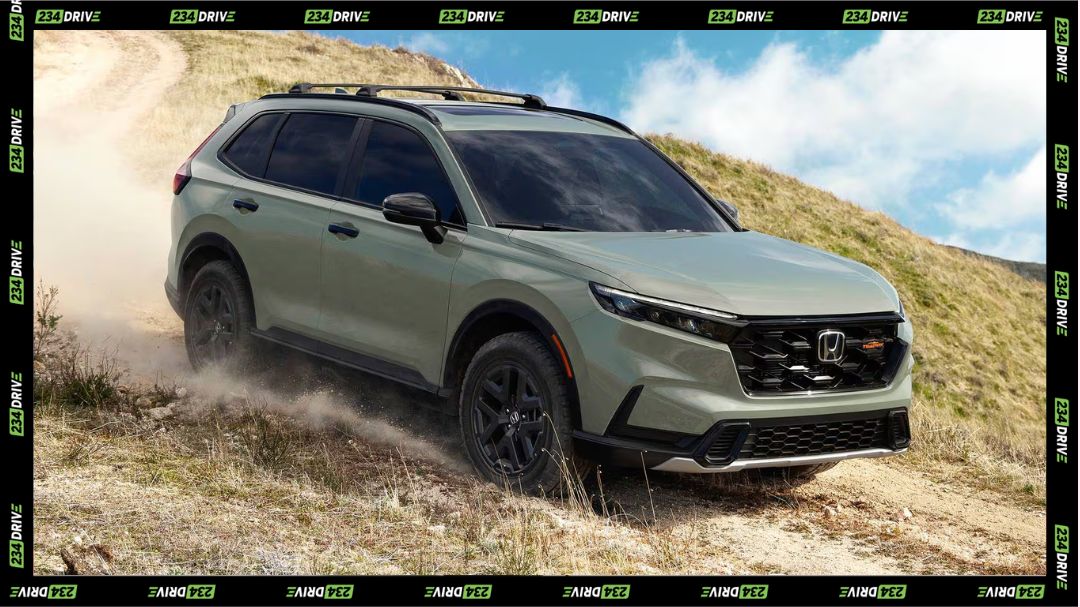
The vehicle’s road presence is further defined by its functional design elements, particularly its generous ground clearance of approximately 200mm. This height is not merely for aesthetics; it provides a commanding view of the road and essential protection against deep potholes and flooding. The clean character lines running along the side of the body create a sense of motion even when stationary, while the signature vertical LED taillights ensure it remains unmistakably a CR-V from the rear. In Nigeria, the 2026 models are expected to retail between ₦47 million for base LX trims and up to ₦85 million for premium hybrid variants.
Interior Comfort, Technology, and Performance
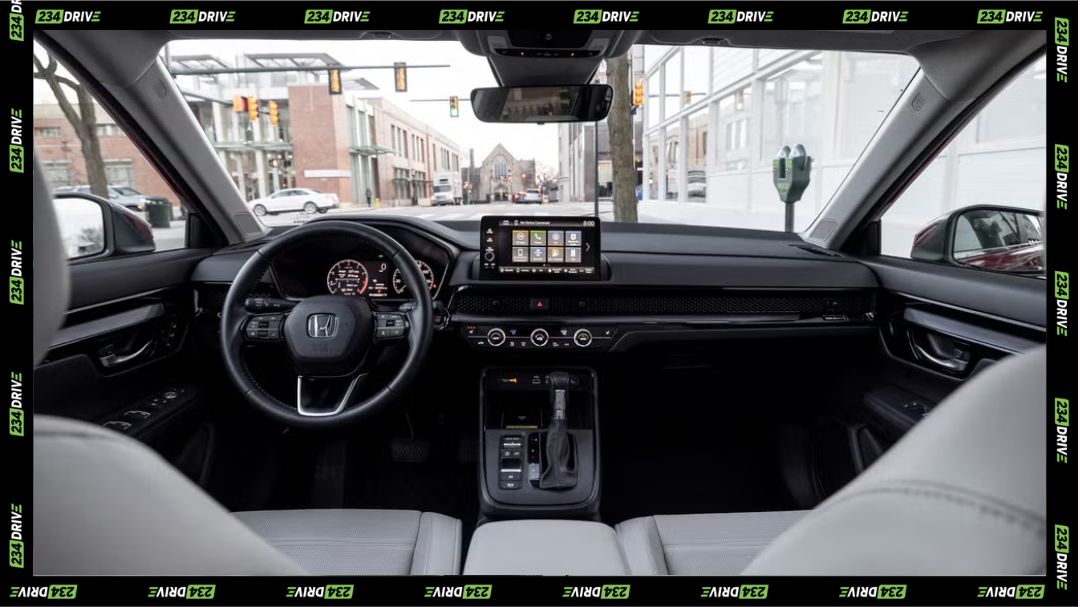
Inside, the CR-V offers a masterclass in ergonomic design and material quality. The cabin is highlighted by a ‘honeycomb’ mesh insert across the dashboard that cleverly hides the air vents, creating a minimalist and upscale atmosphere. Passengers enjoy best-in-class legroom and a massive cargo area that can be expanded by folding the rear seats. The 2026 model specifications and features include a 9-inch touchscreen infotainment system with wireless Apple CarPlay and Android Auto, a 12-speaker Bose premium audio system in higher trims, and a physical volume knob, a much-appreciated return to functional simplicity.
Performance is delivered through two distinct powertrains. The standard 1.5-litre turbocharged engine produces 190 horsepower and 179 lb-ft of torque, providing plenty of pep for city driving and highway overtaking. For those seeking maximum efficiency, the hybrid powertrain combines a 2.0-litre four-cylinder engine with two electric motors to produce a combined 204 horsepower. This setup allows for smooth, quiet acceleration and impressive fuel economy of up to 17 km/L in urban settings. The refined suspension system and improved sound insulation make the CR-V one of the quietest and most comfortable rides in its segment.
Pre-Owned Favourites: The 2017–2022 Generation
Exterior Styling and Durability
The fifth-generation CR-V (2017–2022) remains the most sought-after version in the Nigerian ‘Tokunbo’ (foreign-used) market. Its design is characterised by a bold front fascia with “wing” headlights and flared fenders that give it a muscular, athletic appearance. This generation introduced a more aerodynamic profile compared to the boxier fourth generation, helping to improve fuel efficiency and reduce wind noise at high speeds. The build quality is exceptionally high, with body panels and paint finishes designed to withstand years of exposure to harsh tropical sunlight and humidity.
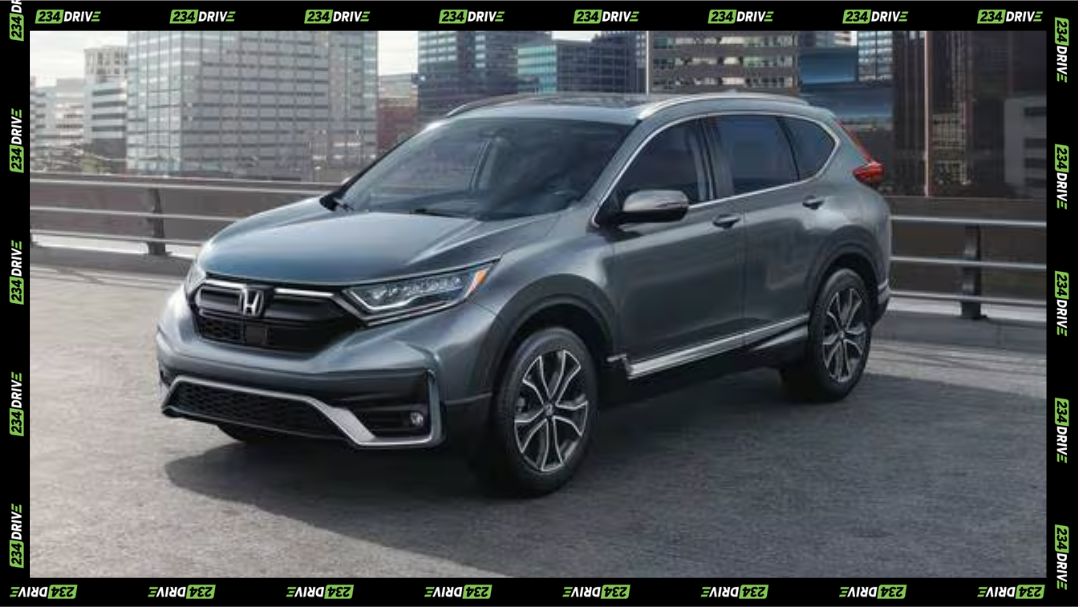
On the secondary market in Nigeria, buyers often check prices on Jiji.ng to find these models, which are currently priced between ₦22 million and ₦38 million, depending on the year and trim. They often feature 18-inch alloy wheels and chrome accents that have aged gracefully, maintaining a modern look that does not feel dated alongside newer vehicles. The power-operated tailgate, available on EX-L and Touring trims, adds a layer of convenience for shoppers and families, reinforcing the vehicle’s reputation as a practical yet sophisticated daily driver.
Interior Tech and Reliability
The interior of this generation focused heavily on digital integration and passenger safety. It saw the introduction of the “Honda Sensing” suite as standard on most trims, including features like Adaptive Cruise Control and Lane Keeping Assist, which were revolutionary for the compact SUV segment at the time. The cabin utilises soft-touch materials on the dashboard and door panels, with leather upholstery available on higher trims that feels durable enough to handle years of family use. The digital instrument cluster provides clear information, while the centre console offers flexible storage solutions for phones, tablets, and bags.
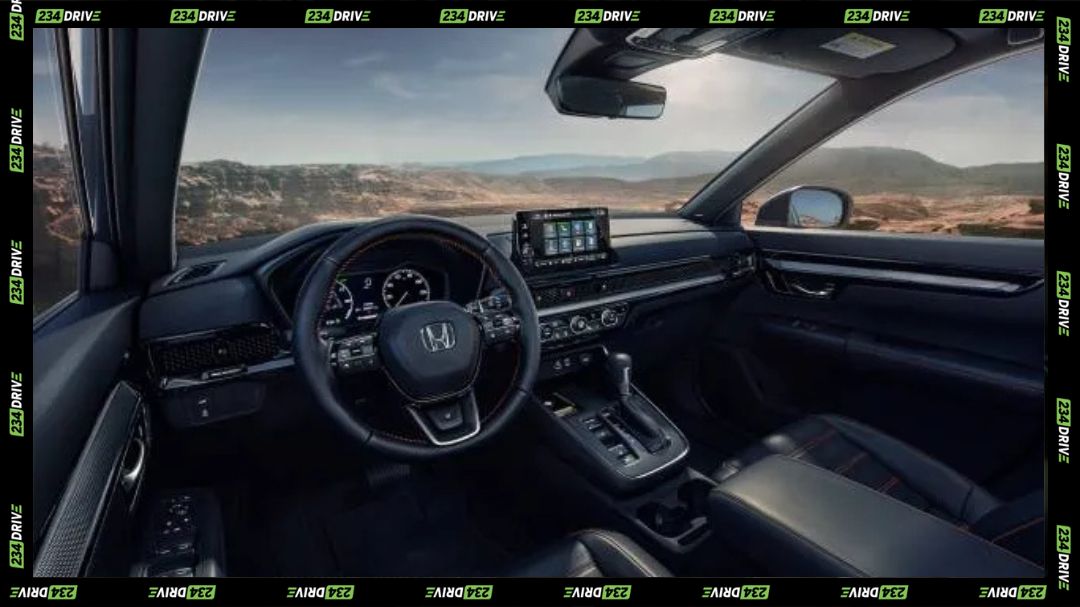
Under the hood, most Nigerian-spec units of this era feature the 1.5-litre turbocharged engine or a 2.4-litre naturally aspirated engine. Local car owners frequently debate whether the CR-V is strong and reliable enough for heavy use, with the consensus favouring its longevity when serviced correctly. The 1.5L turbo is particularly praised for its balance of power and fuel economy, delivering around 11-13 km/L in mixed driving conditions. This generation is widely regarded by Nigerian mechanics as one of the most reliable SUVs on the road, provided the specific CVT fluid maintenance schedules are strictly followed.
Relevance to the Nigerian Driving Environment
The Honda CR-V’s success in Nigeria is no accident; it is the result of a vehicle design that aligns perfectly with the country’s unique infrastructure and lifestyle demands. One of the most critical factors is ground clearance. Nigerian roads are notorious for unexpected “craters” and high speed bumps; the CR-V’s 198-208mm clearance allows drivers to navigate these obstacles without the constant fear of damaging the undercarriage or oil pan. Furthermore, the vehicle’s cooling system is robust enough to handle the high ambient temperatures of West Africa, preventing the overheating issues that plague some European competitors in the same segment.
Beyond physical durability, the CR-V fits the Nigerian lifestyle of the ‘extended family’. The introduction of optional third-row seating in recent models specifically for the West African market addresses a significant local need, allowing families to transport up to seven people without upgrading to a much larger and more expensive full-sized SUV. Prestige also plays a role; owning a CR-V signals a level of professional success and stability. While it is not as flashy as a luxury brand, it commands respect in corporate car parks and social gatherings, making it a versatile tool for both business and leisure.
Competitive Positioning and Market Rivalry
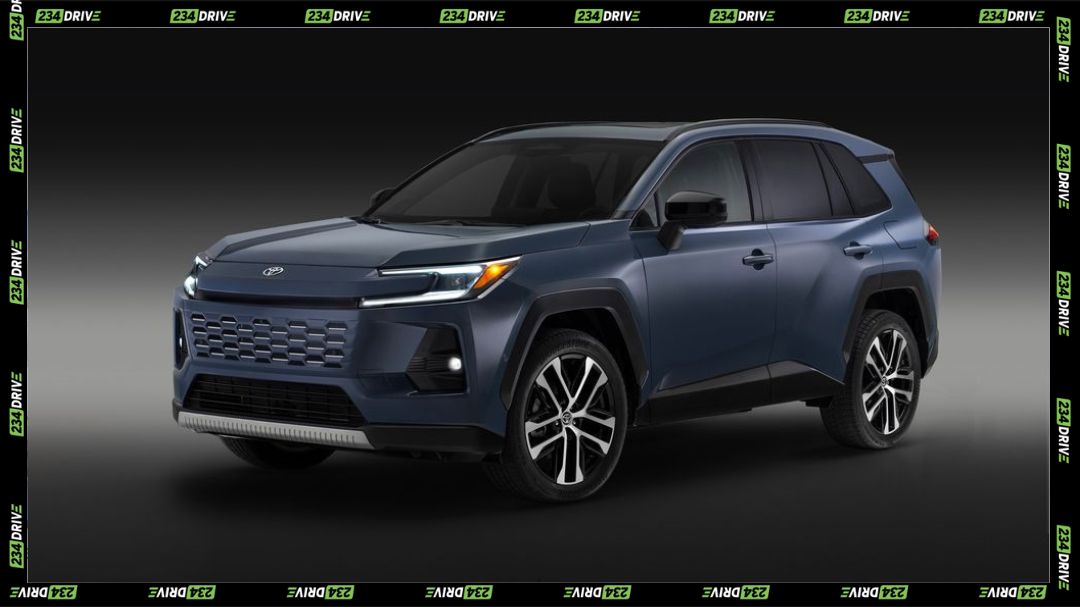
When compared to its primary rival, the Toyota RAV4, the Honda CR-V typically offers a more refined interior and more engaging driving dynamics. While the 2026 RAV4 Hybrid is often cited for its legendary efficiency and parts availability in remote parts of Nigeria, the CR-V edges it out in terms of cargo space and rear-seat comfort. In terms of resale value, both vehicles are the gold standard in Nigeria, often retaining over 60-70% of their value after several years of use. However, the CR-V is generally perceived as the ‘classier’ option, attracting buyers who want a bit more flair and technology than the more utilitarian Toyota offers.
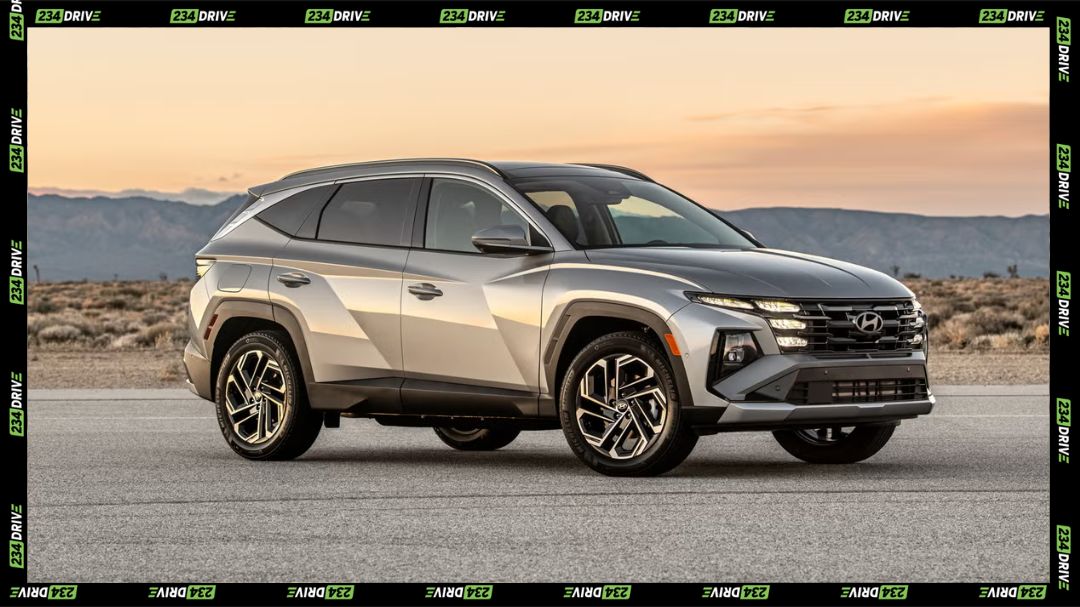
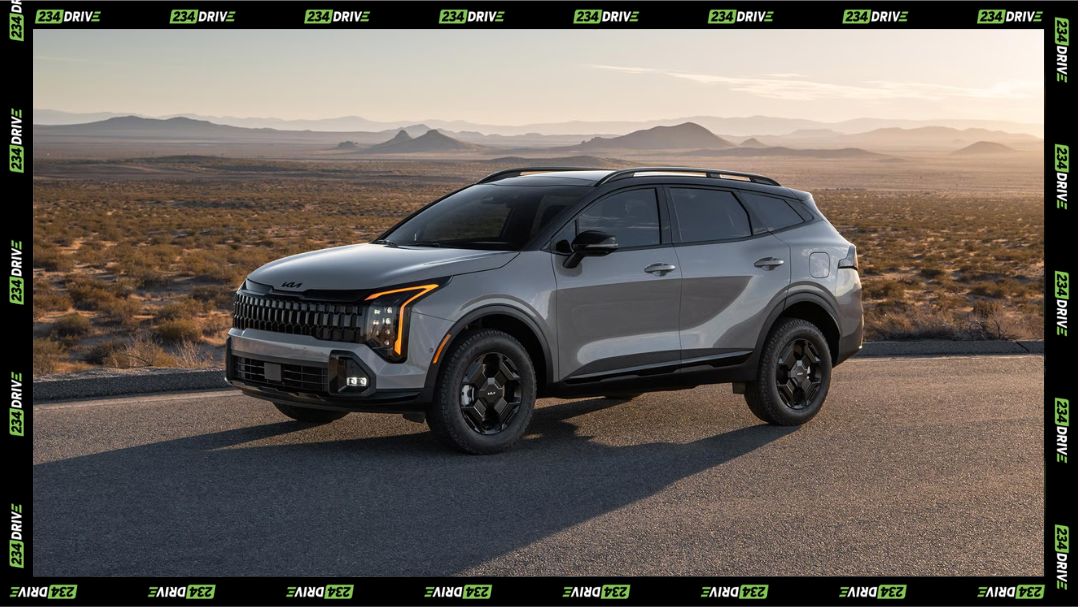
Against Korean rivals, the CR-V holds a significant advantage in long-term brand trust. The latest Hyundai Tucson review highlights how stylish the competition has become, often offering lower initial purchase prices. Similarly, the 2026 Kia Sportage brings aggressive design and high-tech cabins to the segment. However, some rankings suggest the Honda remains the cheapest SUV to maintain when considering long-term repair frequency. While Korean models may offer more visual flair, they tend to depreciate faster in the Nigerian market than the stalwart Honda.
Conclusion
The Honda CR-V remains a benchmark for what a compact SUV should be: reliable, spacious, and adaptable. Whether you are considering a brand-new 2026 hybrid model for its cutting-edge efficiency or a rugged ‘Tokunbo’ model from the previous generation, the CR-V offers a compelling package that is uniquely suited to the Nigerian landscape. Its blend of high ground clearance, family-friendly features, and legendary resale value makes it a smart financial and practical choice for any motorist.
What are your thoughts on the Honda CR-V? Do you prefer the new aggressive styling of the 2026 model, or do you think the older generations were more ‘Honda’? Share your experiences and opinions in the comments below!