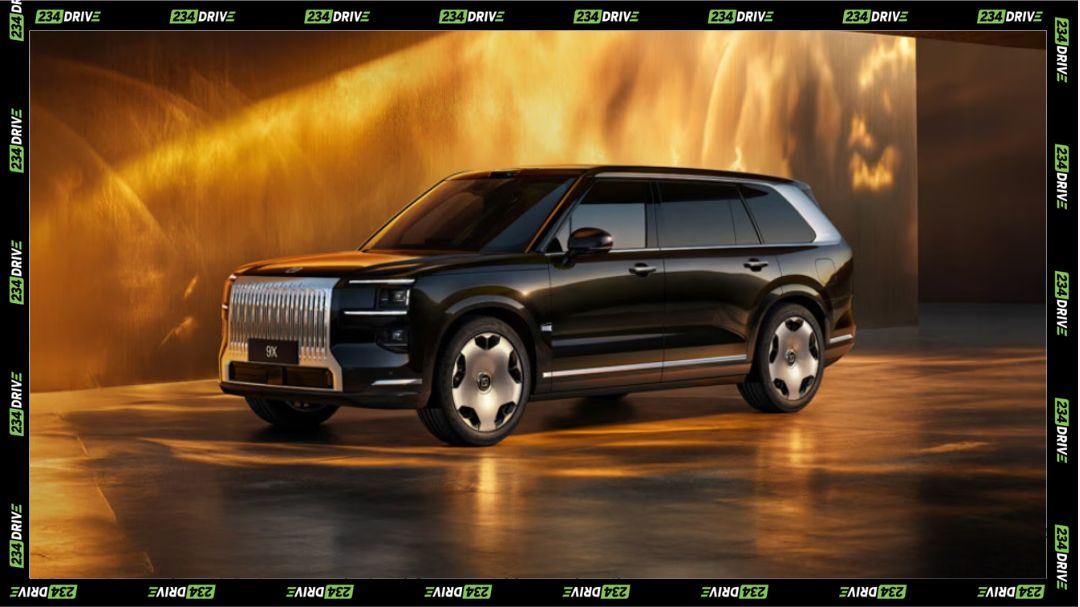

The sight of thousands of gleaming luxury vehicles, including dozens of top-tier Porsches and Volkswagens, parked against the backdrop of a UNESCO World Heritage site is not the typical image of global logistics, yet it is the current reality on Kenya’s Lamu Island. In an extraordinary ripple effect of the escalating Middle East conflict, over 4,000 high-end vehicles originally destined for the opulent showrooms of Dubai have been offloaded at Lamu Port. This sudden transformation of a picturesque island into what locals describe as the world’s most expensive open-air parking lot serves as a stark visual testament to how quickly modern trade routes can fracture under geopolitical pressure.
The crisis began in late February 2026, when vessels like Italy’s Grimaldi Group carrier, the MV Grande Florida Palermo, departed Yokohama, Japan, carrying thousands of vehicles intended for Jebel Ali Port in the United Arab Emirates. However, as the vessels approached the region, the effective blockade of the Strait of Hormuz by Iran’s Revolutionary Guard Corps which saw traffic plunge by up to 90 per cent rendered the final leg of the journey impossible. Following direct strikes on Dubai’s Jebel Ali hub that caused significant operational halts, major shipping lines were forced to either drift at sea or seek immediate sanctuary at alternative deep-water ports. Lamu, with its modern infrastructure and strategic Indian Ocean positioning, became the improvised destination for this stranded multi-million-pound cargo.
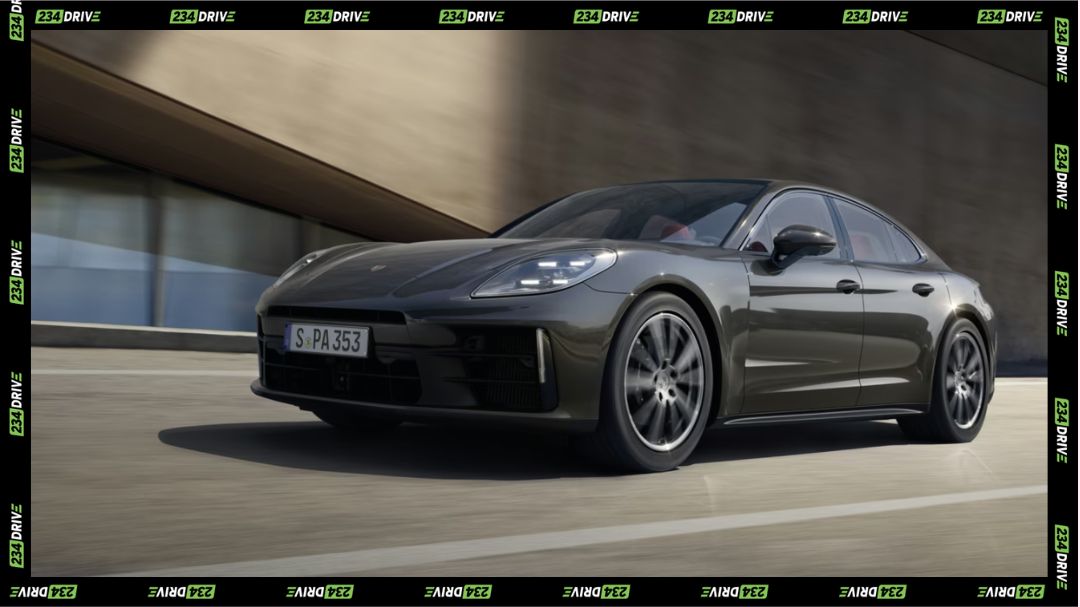
This incident highlights the growing importance of the $23-billion LAPSSET Corridor project, which was designed to position Lamu as a premier transshipment hub for East Africa. While Port Manager Abdulaziz Mzee has described the situation as a “commercial blessing” that showcases the port’s capacity to handle massive RoRo (Roll-on/Roll-off) vessels, the underlying cause remains a somber reminder of global fragility. For Kenya, the arrival of these ships proves that Lamu can serve as a viable backup when traditional Middle Eastern corridors fail, though the sheer volume of diverted cargo with another 5,000 vehicles expected imminently threatens to test the limits of local storage and logistical management.
Beyond the high-profile visual of Porsches in a warehouse, the disruption signals a deeper vulnerability in Africa’s used-car supply chains. Kenya is heavily reliant on Japan for its automotive needs, with approximately 80 per cent of its used-car imports originating there. Although the cars currently sitting on Lamu are luxury models destined for the Gulf, the broader closure of the Strait of Hormuz and the rerouting of ships around the Cape of Good Hope have sent freight rates and insurance premiums soaring. For the average Kenyan consumer or small business owner relying on affordable Japanese imports for taxis and personal transport, these global disruptions translate directly into higher costs and delayed deliveries at a time when import regulations have already become more stringent.
The contrast between the serene, historic atmosphere of Lamu and the high-tech machinery now occupying its ports offers a unique perspective on the interconnectedness of 21st-century commerce. As these vehicles wait for Gulf routes to stabilise, the situation underscores the urgent need for African nations to diversify their shipping dependencies and strengthen domestic hubs. This luxury car showroom on a tropical island is more than just a human-interest story; it is a signal that the era of predictable, low-cost global trade may be facing its most significant challenge yet, forcing a total rethink of how mobility is secured across the continent.