
The Nigerian industrial landscape is currently witnessing a tectonic shift as French automobile giants stage a high-stakes return to local manufacturing. In a move that signals the end of a decades-long hiatus, Peugeot and Renault have formalised strategic partnerships with the Dangote Group and the Coscharis Group to reboot vehicle production on a massive scale. This revival, spearheaded by the French Ambassador to Nigeria, Marc Fonbaustier, aims for a combined annual production and sales target of 44,000 units. For a nation that has long relied on the “Tokunbo” market of used imports, this ambitious objective represents more than just a business deal; it is a calculated attempt to reclaim Nigeria’s status as the automotive hub of West Africa.
At the heart of this industrial surge is Dangote Peugeot Automobiles Nigeria, better known as DPAN. This joint venture between Aliko Dangote’s industrial conglomerate and the Stellantis Group—the global parent company of Peugeot—has successfully secured controlling stakes in the former Peugeot Automobile Nigeria facility. Located in the historic industrial centre of Kaduna State, the DPAN plant has undergone advanced technology integration within its assembly lines to accommodate the latest European engineering standards. While the initial relaunch focused on the reliable Peugeot 301, the production floor is now expanding its range significantly. Current and upcoming assembly schedules include the sophisticated 308 sedan, the 508 executive car, and a robust lineup of SUVs comprising the 3008 and 5008 models, alongside the Landtrek pickup designed to handle the rigours of the Nigerian terrain.
Simultaneously, the Renault Group has entered the fray through a co-production agreement with the Coscharis Group, one of Nigeria’s most established automotive distributors. This partnership is strategically positioned to compete in the high-volume segment of the market, focusing on Renault-branded vehicles like the Logan. By leveraging Coscharis’s existing assembly infrastructure and widespread dealership network, French car manufacturers eye strategic partnerships to provide a local alternative to the influx of affordable Chinese models. This two-pronged assault targeting both the executive and mass-market segments is designed to establish a sustainable ecosystem where local assembly can thrive despite the volatility of the global supply chain.
The targeted capacity of 44,000 vehicles per year is described by Ambassador Fonbaustier as “ambitious but achievable.” In a recent interview, Fonbaustier noted that DPAN and its partners are moving away from simple “Semi-Knocked Down” kits toward more comprehensive local integration. The Kaduna plant has already ramped up its operational tempo, utilising state-of-the-art diagnostic equipment and automated systems to ensure that every vehicle rolling off the line meets international safety and performance benchmarks. This level of production is not merely about meeting demand but also about achieving the economies of scale necessary to lower the price point for Nigerian consumers.
To appreciate the gravity of this comeback, one must look back at the historical dominance of French carmakers in the region. Between the 1970s and the early 1990s, Peugeot was the undisputed king of Nigerian roads. The iconic 504 and 505 models were not just vehicles but symbols of national progress, with the PAN factory in Kaduna employing thousands and supporting a vast network of local component suppliers. However, the mid-1980s recession, coupled with fluctuating oil prices and the rise of cheap, unregulated used car imports, led to a slow collapse of the sector. As French automakers team up with local giants today, they seek to correct the mistakes of the past by building a more resilient, technology-driven manufacturing base.
The broader economic implications of this revival are substantial. Currently, approximately 100 French companies maintain a presence in Nigeria, providing direct employment to over 16,000 citizens. With French investments in the country estimated at roughly $10 billion prior to recent currency devaluations, the automotive sector serves as a vital pillar for future growth. By shifting the focus back to local manufacturing, these partnerships are helping to reduce Nigeria’s heavy reliance on foreign exchange for vehicle imports, while simultaneously fostering a new generation of skilled automotive technicians and engineers.
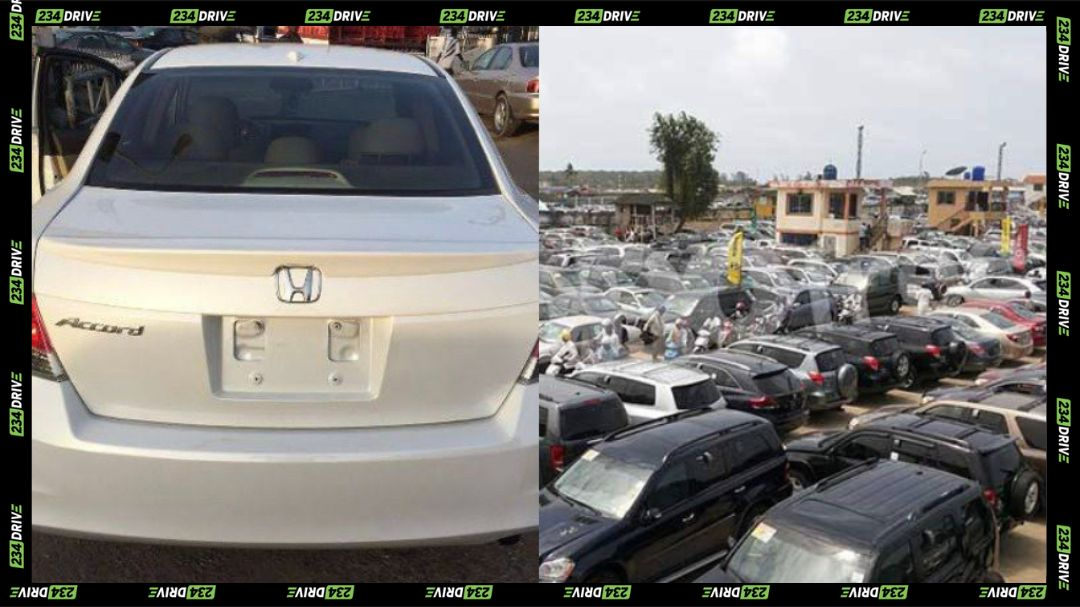
Furthermore, the competitive landscape of the Nigerian auto market is evolving rapidly. While local players like Innoson Motors and international brands like GAC and Mikano have made significant inroads, the return of Peugeot and Renault adds a layer of heritage and brand loyalty that few other manufacturers can match. The strategy involves a gradual rebuilding of the French presence, focusing on quality and after-sales support to regain the trust of a market that has been flooded with “Tokunbo” vehicles for over thirty years. It is a slow but deliberate resurgence that prioritises long-term stability over immediate market saturation.
Ultimately, the success of this 44,000-unit target will depend on the continued collaboration between private industry and government policy. As Dangote’s influence expands from refineries and cement into the automotive sector, the synergy between local capital and French technical expertise could provide the blueprint for Nigeria’s broader industrialisation. The move signals a transition from the era of hype to one of fleet-scale operations. If these assembly plants can maintain their momentum, it poses a provocative question for the future: should regulators treat this burgeoning local production as essential public infrastructure to accelerate national adoption and finally clear the roads of ageing imports?