
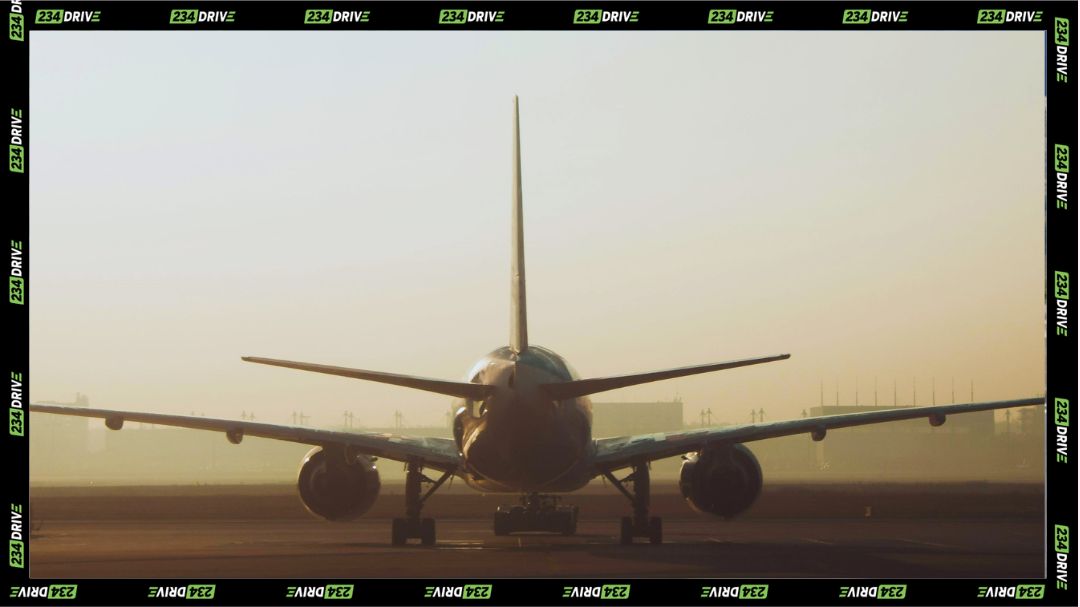
Flights between Abuja’s Nnamdi Azikiwe International Airport (ABV) and Lagos’s Murtala Muhammed International Airport (LOS) represent the most vital domestic air link in Nigeria. Spanning approximately 511 kilometres, this route serves as a high-frequency corridor for business professionals, government officials, and leisure travellers. In 2026, air travel remains the most efficient way to bridge the distance between the nation’s political capital and its commercial heart, with nonstop flights typically lasting between 1 hour 15 minutes and 1 hour 20 minutes.
While the journey is relatively short, navigating the complexities of the Nigerian aviation sector requires a clear understanding of current costs, airline reliability, and the digital booking process. This guide provides an exhaustive look at everything you need to know for a smooth flight between Abuja and Lagos in early 2026.
Overview of Airlines and Flight Frequency
The competitive landscape of the Abuja-Lagos route is dominated by several key carriers, providing travellers with a high degree of flexibility. Major airlines operating this corridor include Air Peace, United Nigeria Airlines, Ibom Air, Green Africa Airways, and Arik Air. Other notable contributors to the route’s frequency include ValueJet, Rano Air, and Aero Contractors.
Currently, United Nigeria Airlines leads in frequency with up to 49 weekly nonstop flights, followed closely by Air Peace with 41 weekly services. On average, there are over 120 weekly connecting and direct options available, ensuring that departures occur almost every hour during peak business periods. While Air Peace and United Nigeria are often the preferred choices for their reliability and network size, budget-conscious travellers frequently opt for Green Africa Airways, which has carved out a niche with its low-cost model and modern fleet.
The Digital Booking Process and Requirements
In 2026, the majority of flight reservations are handled through digital platforms. Travellers are encouraged to compare options using global aggregators to find the best balance between price and departure time. Most airlines now offer seamless web and mobile app experiences, allowing passengers to check in and select seats from their smartphones.
To complete a booking, you will typically need to provide your full name as it appears on your identification, an email address for your e-ticket, and a valid phone number. For domestic travel within Nigeria, a government-issued photo ID—such as a driver’s licence, National ID card (NIN slip), or International Passport is mandatory for security verification at the airport. It is wise to check current rates at least two to four weeks in advance, as last-minute bookings often attract a significant premium due to the high demand for morning and evening business slots.
Understanding Flight Costs and Economic Factors
Airfares in early 2026 reflect the ongoing economic pressures of fuel costs and inflation. Prices fluctuate significantly based on the time of day, day of the week, and how far in advance the ticket is purchased. Generally, mid-week flights on Tuesdays and Wednesdays are the most affordable, while Friday evening and Monday morning flights are the most expensive.
As of February 2026, an Economy one-way ticket starts at approximately $65, which equates to roughly ₦87,750 based on an exchange rate of ₦1,350 to $1. For those looking at a full trip, round-trip options usually begin at $123 (₦166,050). Business class fares, which offer additional comfort and priority boarding, often start at double the economy rate.
| Fare Category | Approx. Naira | Lowest Price (USD) | Typical Airlines |
| One-Way Economy | ₦87,750 | $65 | Green Africa, Air Peace |
| Round-Trip Economy | ₦166,050 | $123 | Air Peace, United Nigeria |
| One-Way Business | ₦175,500+ | $130+ | Ibom Air, Arik Air |
| Peak Round-Trip | ₦205,200+ | $152+ | Various Carriers |
Beyond the base fare, travellers should budget an additional ₦5,000 to ₦10,000 for various airport taxes and fees. Additionally, while many full-service carriers like Ibom Air include a checked baggage allowance of 20kg, budget airlines may charge extra for luggage that exceeds a 7kg carry-on limit.
Navigating the Airports: Abuja and Lagos
The journey begins at Nnamdi Azikiwe International Airport (ABV), located about 26 kilometres from Abuja’s city centre. Travellers can access the airport via taxis or ride-hailing services, which typically cost between ₦5,000 and ₦10,000. It is essential to arrive at least two hours before a domestic departure to navigate security screenings and check-in procedures, which can become congested during morning hours.
Upon arrival at Murtala Muhammed International Airport (LOS) in Lagos, travellers are greeted by the notorious Lagos traffic. The airport is located about 8 kilometres from Ikeja, but reaching areas like Victoria Island or Lekki can take anywhere from one to three hours depending on the time of day. Taxis and airport shuttles are readily available, with fares ranging from ₦3,000 to ₦10,000 for local drops. Travellers are advised to allow significant extra time for ground transit in Lagos to avoid missing appointments or connecting flights.
Operational Realities and Travel Tips
The Nigerian aviation sector is often prone to operational disruptions. Recent events, such as a fire incident at the Lagos airport on 24 February 2026, have highlighted the potential for temporary delays and flight diversions. Furthermore, incidents like bird strikes remain a seasonal concern for pilots.
To ensure a smooth experience, travellers should search for deals that prioritise morning departures. Early flights are less likely to suffer from the “knock-on” effect of delays that often plague afternoon and evening schedules. It is also recommended to pack essential items, medication and a change of clothes in your carry-on bag to mitigate the frustration of occasional checked luggage delays.
For those considering the overland alternative, the drive between Abuja and Lagos takes upwards of 10 to 12 hours. While the cost is lower roughly ₦40,000 for a bus ticket compared to ₦150,000 for a typical flight, the time saved and the enhanced security of air travel make flying the logical choice for professionals and those on a tight schedule.
Final Considerations for 2026 Travellers
As the cost of living continues to impact travel habits, many Nigerians are carefully weighing the convenience of flying against rising ticket prices. While some social media discussions have predicted fares reaching ₦500,000 or more by the end of the year, current data suggests that the market remains competitive for those who book in advance.
Ultimately, the Abuja to Lagos flight path remains a resilient and essential part of the nation’s connectivity. By utilising digital tools to track prices, arriving at the airport early, and choosing reputable carriers, travellers can continue to enjoy the benefits of Nigeria’s most developed air corridor.