
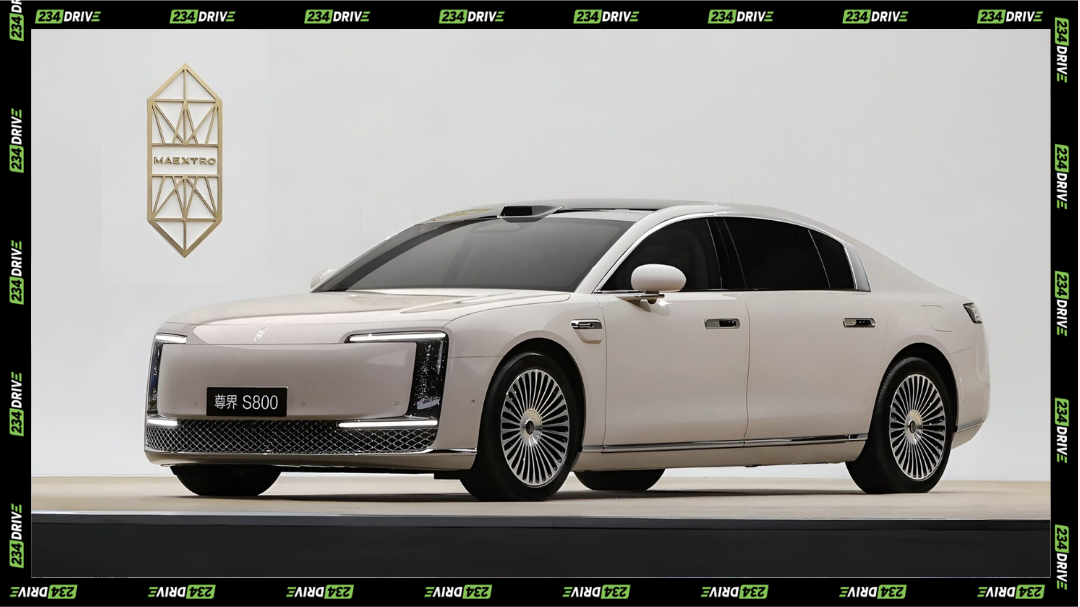
The Maextro has a long, calm silhouette that leans on presence, designed to signal quiet confidence instead of aggressive attention. | Source: Carnewschina
Huawei’s bold claim that it was going to topple traditional luxury car brands in China has worked far faster and more dramatically than most experts expected. A vehicle from the new Maextro brand, backed by Chinese Huawei and built in partnership with JAC Group, has become the top-selling car priced above US$100,000 in China just months after its launch.
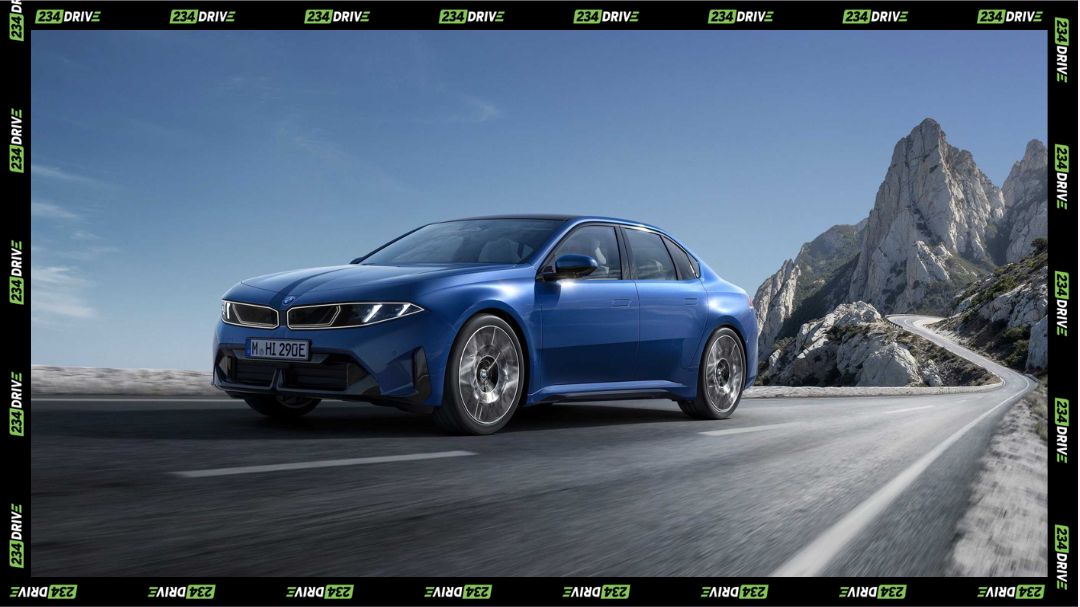
Since its debut in May 2025, the Maextro S800—a large, fully electric luxury sedan—surpassed the combined November sales of Porsche’s Panamera and BMW’s 7 Series and has quietly kept the lead in China’s premium segment for several months. This is a rare moment where local brands have not just challenged but overtaken established European luxury rivals in their own stronghold.
How Huawei’s Maextro S800 Climbed to the Top of China’s Luxury Market
Huawei didn’t go down this road alone. The tech giant entered the automotive world by teaming up with established vehicle makers rather than building cars entirely on its own. In the case of the Maextro S800, Huawei supplies high-end technology and design while JAC handles manufacturing.
This collaboration sits under Huawei’s Harmony Intelligent Mobility Alliance, a group formed to help local manufacturers compete with global brands.
While the sales numbers paint a pretty picture for shareholders and casuals, they don’t fully explain how the S800 reached this level of dominance. Delivering 2,145 units in a single month, compared with 1,200 Porsche Panameras and 928 BMW 7 Series cars combined, shows what has happened—not how it happened. The real story sits behind the figures: a car priced below most European rivals, packed with intelligent features buyers actually use, and backed by an aggressive plan to increase availability.
Price Advantage in China’s Luxury Market
A big part of the S800’s appeal is its price. The sedan starts at about ¥708,000 (around US$100,555) and goes up to roughly ¥1 million (about US$142,000). In contrast, the Porsche Panamera starts higher, near ¥1.1 million. The BMW 7 Series is typically more expensive than the S800’s base car, starting as high as $150,000, and the Mercedes-Benz S-Class and Maybach variants sit well above ¥1 million.
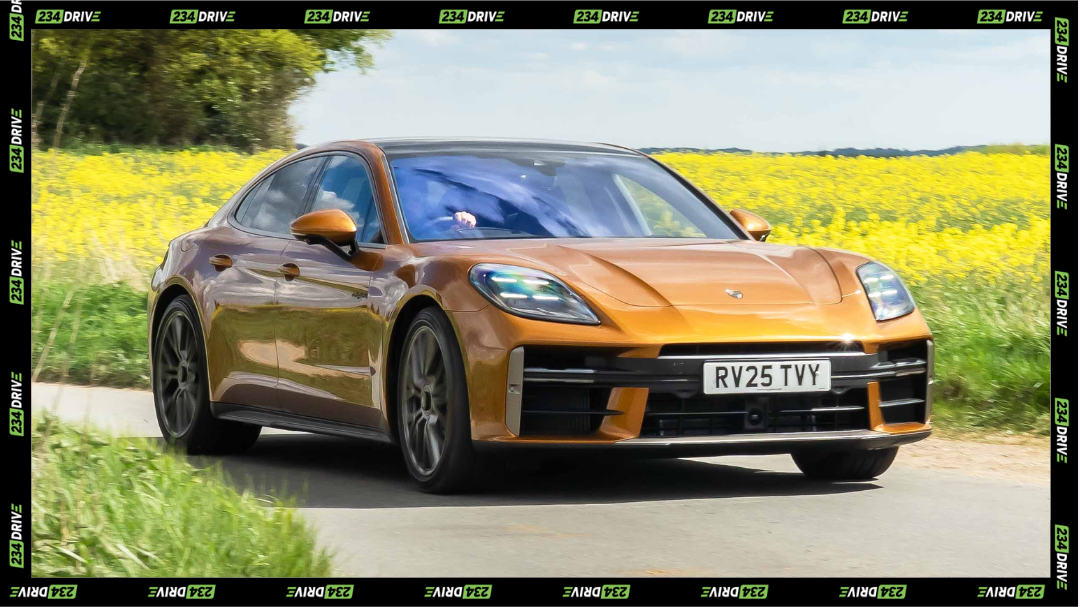
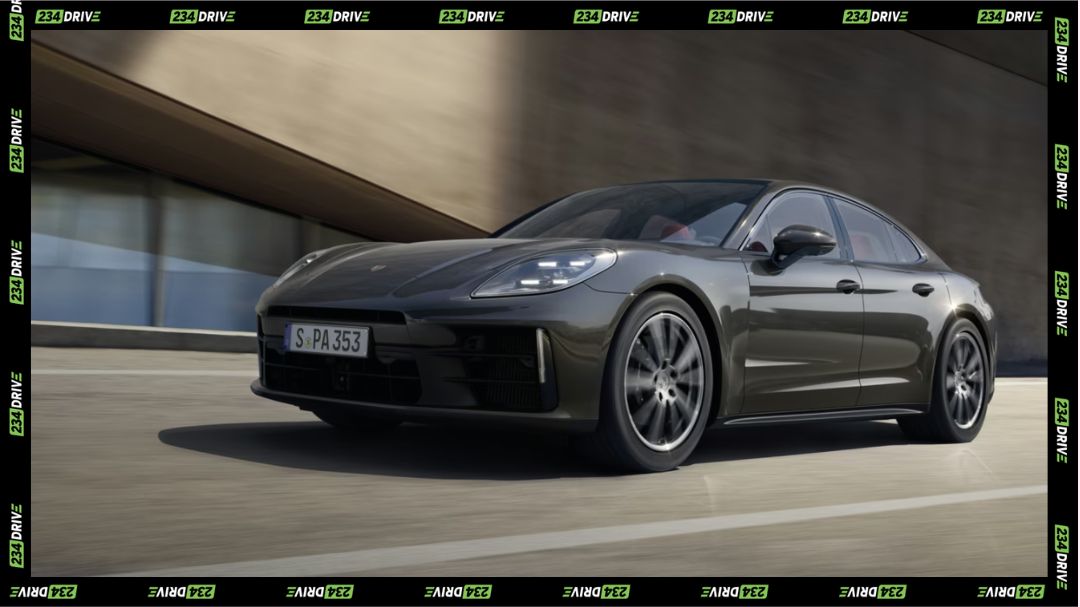
Porsche Panamera balancing speed and control in a design shaped by decades of tradition. | Source: TopGear
This pricing strategy lets the S800 offer premium luxury while undercutting many long-established rivals, making it an attractive choice for buyers who want top-tier comfort and spend their change elsewhere.
What the Maextro S800 Offers
Beyond pricing, the S800 leans heavily on technology and interior design to meet premium expectations. It’s a large, full-size sedan at about 5.48 metres, giving it the kind of road presence usually reserved for flagship models.
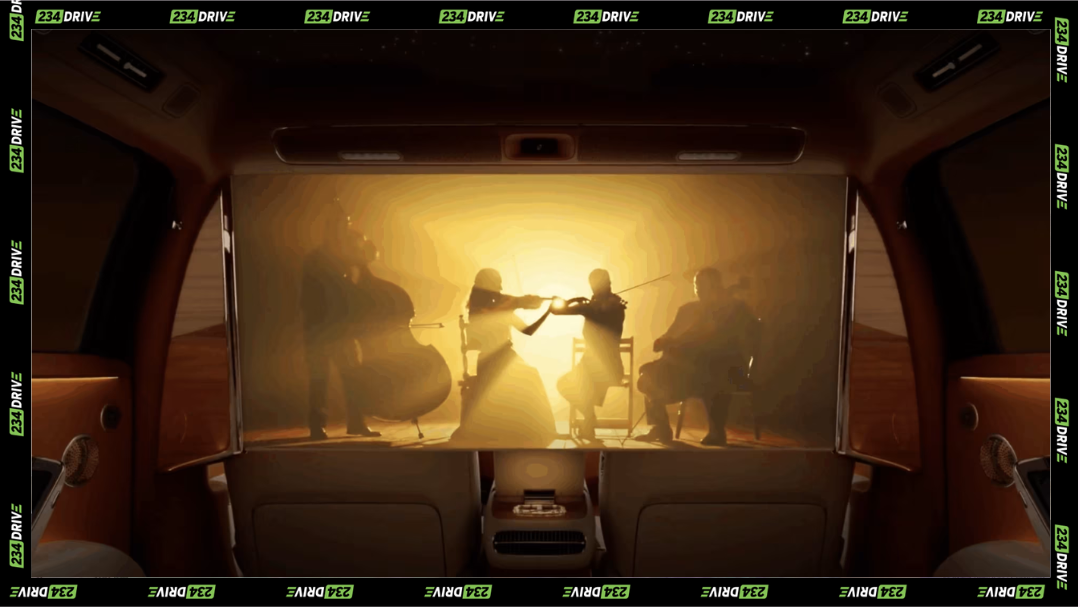
The rear cabin of the Maextro S800 feels more like a private lounge, where space, light, and sound work together to slow everything down. | Source: Autoblog
Inside, the cabin is built around a triple-screen dashboard, while the rear seats can transform into a private cinema thanks to a 40-inch projector. Wood accents, soft-touch materials, and Huawei’s advanced driver-assistance systems round out the experience.
Altogether, the mix of design, comfort, and high-end tech allows the S800 to feel like it belongs in the same conversation as far more expensive luxury cars.
What Maextro Topping China Means for Other Luxury European Brands
The Maextro S800’s rise points to a bigger turning point in China’s luxury car scene. A market once shaped almost entirely by German and other European brands is now seeing buyers shift toward local models that blend advanced tech, generous space, and competitive pricing. This momentum suggests a growing confidence in homegrown luxury—and a market that’s beginning to redefine itself.
At the same time, another Chinese luxury name, Yangwang (backed by BYD), is expanding its own high-end lineup with models like the U8 SUV, showing that competition within China’s premium vehicle space is growing.
European makers are now facing pressure to adapt or risk further erosion of market share as Chinese automakers move from budget-friendly EVs into the upper echelons of car luxury.