
Hyundai has firmly established itself as a vanguard of automotive innovation, transitioning from a value-driven manufacturer to a leader in the electric vehicle revolution. The brand’s trajectory has been defined by a willingness to embrace radical aesthetics and cutting-edge technology, a philosophy most visibly realised in the Ioniq series. With the debut of the Hyundai Staria Electric at the Brussels Motor Show in January 2026, the South Korean marque is now applying this transformative approach to the multi-purpose vehicle (MPV) segment. This move signals a deliberate shift away from the utilitarian, boxy conventions of traditional people carriers, positioning the brand at the forefront of the electric family transport market. By introducing a vehicle that prioritises futuristic design alongside practical utility, Hyundai is challenging the dominance of established European heavyweights in the van-derived passenger car sector.
The introduction of the Staria Electric to the UK market represents a significant strategic expansion, capitalising on the growing demand for zero-emission vehicles capable of hauling larger groups without compromising on style or performance. This launch is not merely an adaptation of an existing internal combustion model but a comprehensive reimagining of what a large family vehicle can be in the electric age. The Staria Electric enters a landscape where environmental regulations and consumer preferences are rapidly aligning, offering a distinct alternative to both commercial-derived vans and luxury SUVs. Its arrival in the first half of 2026 is poised to disrupt the status quo, offering fleet operators and private buyers a compelling blend of high-voltage efficiency and lounge-like comfort that few competitors can currently match.
Exterior Design and Interior Innovation
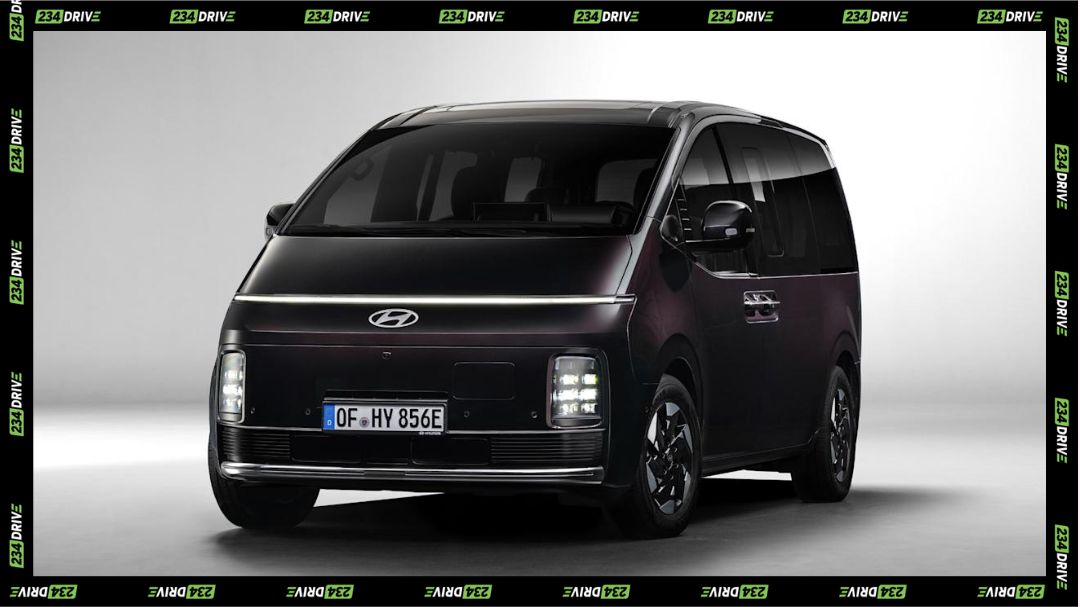
Visually, the Hyundai Staria Electric commands immediate attention with its “Inside-Out” design philosophy, which prioritises interior spaciousness while delivering a strikingly futuristic exterior. The silhouette is defined by a single, fluid curve that runs from front to back, reminiscent of a spacecraft, a bold departure from the two-box design typical of the segment. The front fascia is dominated by a horizontal daytime running light strip and pixelated headlamps that flank a closed-off grille, enhancing aerodynamics for better range efficiency. This spaceship-like styling is complemented by a low beltline and expansive panoramic windows, which not only contribute to its distinctive road presence but also flood the cabin with natural light. Standing at over 5.2 metres in length with a 3,275 mm wheelbase, the vehicle possesses a substantial footprint, yet the clean lines and 186 mm ground clearance manage to convey a sense of sleek sophistication rather than sheer bulk. Standard 17-inch alloy wheels and a palette of eight colours, including Abyss Black Pearl and Dynamic Yellow, further allow owners to personalise this modernist monolith.
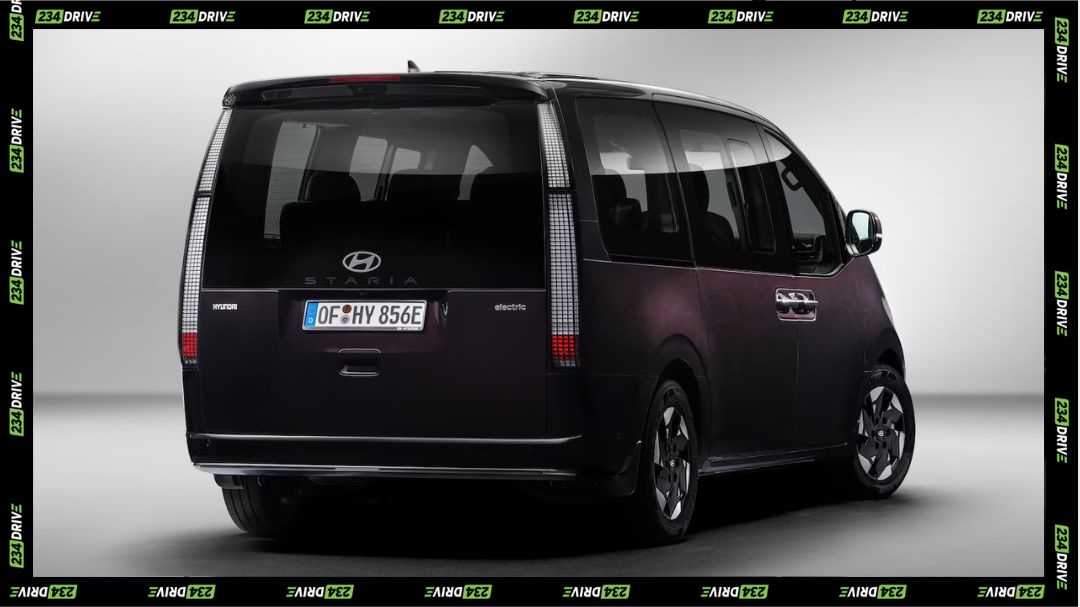
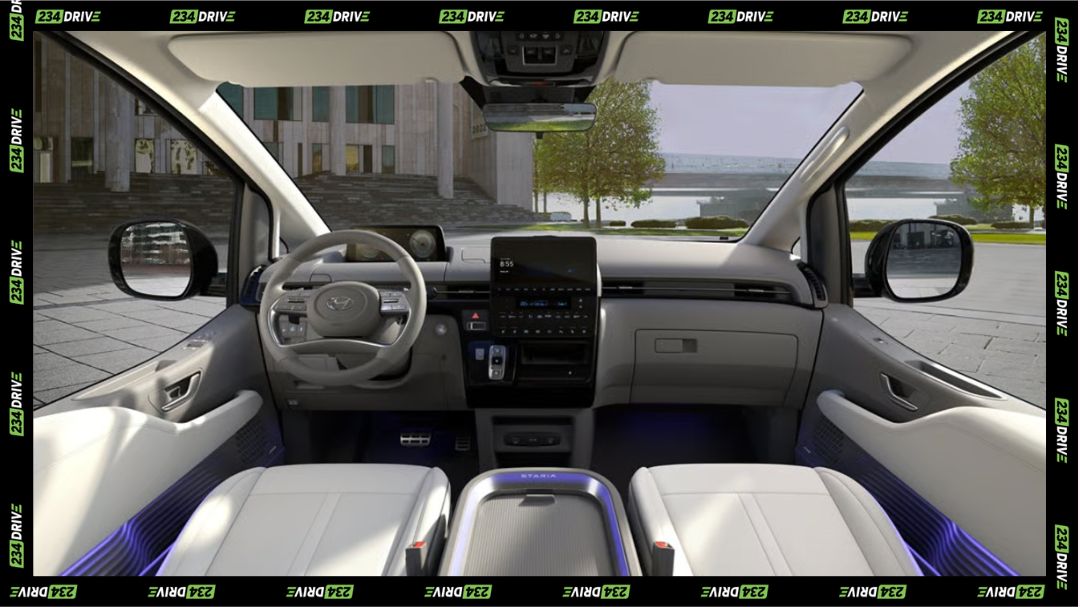
Inside, the Staria Electric is a masterclass in spatial efficiency and technological integration, designed to function as a mobile lounge. The cabin features a flat floor enabled by the electric powertrain, maximising legroom and versatility across both the seven-seat Luxury and nine-seat Wagon configurations. The driver is greeted by a high-tech cockpit featuring dual 12.3-inch displays for the instrument cluster and infotainment system, which supports wireless connectivity and over-the-air updates. Under the floor lies an 84 kWh lithium-ion battery powering a front-mounted 160 kW (218 PS) motor, delivering 350 Nm of torque. This setup ensures smooth, responsive acceleration up to a top speed of 184 km/h. Crucially, the vehicle incorporates an 800-volt architecture, a feature typically reserved for high-performance sports EVs, which allows for ultra-rapid charging from 10 to 80 per cent in just 20 minutes. While official UK pricing is yet to be confirmed, expectations suggest a premium positioning that reflects this high level of specification and capability.
Regional Relevance and Driving Environment
In the context of the United Kingdom, the Hyundai Staria Electric addresses several critical factors shaping the current motoring landscape. The proliferation of Ultra Low Emission Zones (ULEZ) across major cities like London, Birmingham, and Glasgow has made the ownership of traditional diesel MPVs increasingly punitive for families and shuttle businesses. The Staria’s zero-emission status exempts it from these charges, presenting a strong economic case for urban users. Furthermore, the UK’s driving environment, which often involves a mix of congested city streets and fast-paced motorways, benefits from the vehicle’s advanced suite of driver-assistance systems. Features such as Highway Driving Assist and Smart Cruise Control alleviate the fatigue of long-distance travel, while the Surround View Monitor is indispensable for navigating a 5.2-metre vehicle through tight British parking spaces. The inclusion of a heat pump and a battery pre-conditioning system is particularly relevant for the UK’s temperate yet often chilly climate, ensuring that range and charging performance remain consistent throughout the winter months.
Practically, the Staria Electric’s capabilities extend beyond mere passenger transport, making it highly suitable for the active lifestyles often found in the UK. The electric van seats nine in its Wagon configuration, providing a solution for larger families or commercial shuttle operators who have previously been underserved by the electric market. The Vehicle-to-Load (V2L) functionality, which allows the car to power external electrical devices via a standard three-pin plug, transforms the vehicle into a mobile power station—ideal for camping trips in the Lake District or powering tools at a worksite. Additionally, the substantial 2,000 kg braked towing capacity is a rarity among electric vehicles in this class, answering the needs of caravan owners and outdoor enthusiasts who require a vehicle that can haul heavy loads without reverting to fossil fuels. The robust charging infrastructure on the UK’s strategic road network, which increasingly features 350 kW chargers, allows owners to fully exploit the car’s rapid charging capabilities, making cross-country travel genuinely viable.
Market Comparison and Competitive Positioning
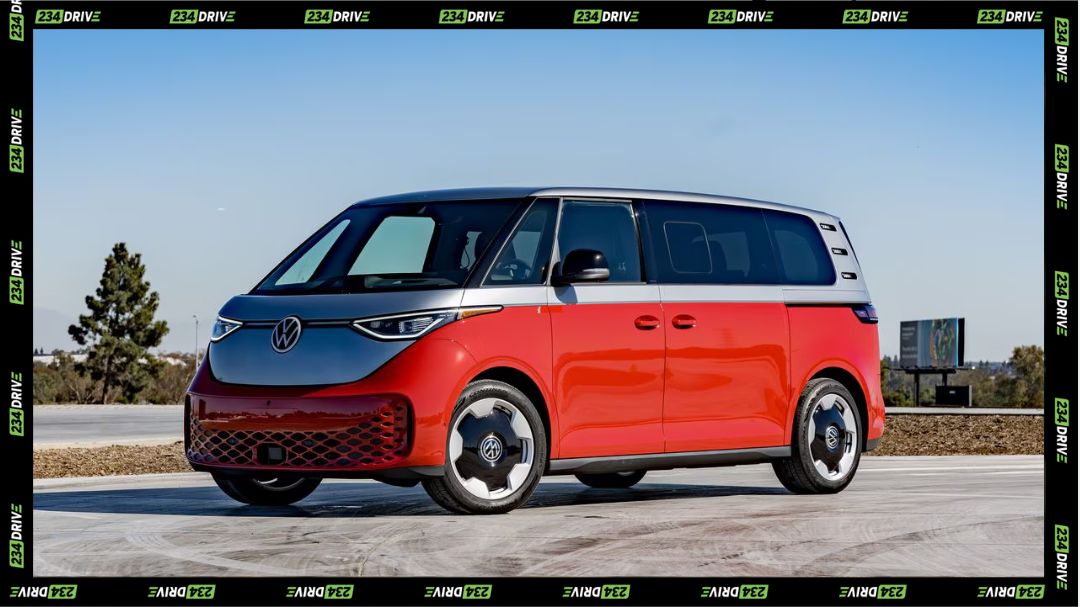
When compared to its primary rivals, the Staria Electric carves out a unique niche through its blend of performance and utility. Its most direct competitor, the Volkswagen ID.Buzz, leans heavily on retro-nostalgia and lifestyle appeal but falls short in terms of sheer passenger capacity and charging speed. While the ID.Buzz is a formidable rival with strong brand equity, the bold Hyundai Staria MPV offers a more utilitarian edge with its nine-seat option and superior towing capability. In terms of cost, while specific figures are pending, Hyundai typically structures its pricing to undercut premium German rivals while offering higher standard equipment levels. This value proposition, combined with Hyundai’s reputation for reliability and an extensive five-year unlimited mileage warranty, positions the Staria as a potentially more sensible long-term investment for pragmatic buyers who prioritise function and tech alongside form.
From a durability and maintenance perspective, the Staria Electric benefits from the inherent advantages of an electric powertrain, which possesses far fewer moving parts than a combustion engine equivalent like the Ford Tourneo Custom or Mercedes-Benz V-Class. This translates to lower servicing costs and reduced downtime, a crucial factor for fleet operators and private hire drivers. Resale values for electric MPVs are currently experiencing some volatility; however, the Staria’s future-proof 800V charging technology is likely to keep it desirable on the used market for longer than competitors with slower 400V systems. The Kia PV5, another emerging rival, focuses on modularity and flexibility, but the Staria’s focus on premium passenger comfort and immediate availability in a fixed, high-spec package may appeal more to traditional luxury MPV buyers. Interested parties can find more details on the official Hyundai UK page, which underscores the brand’s commitment to supporting customers through the transition to electric ownership.
Conclusion
The Hyundai Staria Electric is a landmark vehicle that successfully bridges the gap between futuristic concept and practical reality. By combining a striking, aerodynamic exterior with a cavernous, tech-laden interior and class-leading charging speeds, it offers a compelling solution for the modern, eco-conscious family or business. Its ability to handle the rigours of UK roads, from the school run to the towing of a caravan, while providing exemption from emission zones, makes it a uniquely versatile contender in a growing segment.
As the electric MPV market heats up, the Staria stands out not just for its looks, but for its substance. We invite you to share your thoughts on this “spaceship” for the road—does the bold design win you over, or do you prefer the retro charm of its rivals?