
Kenya’s automotive sector achieved a significant milestone in 2025, with the new vehicle market recording a robust recovery that saw total sales climb to 13,583 units. This 19.65 per cent increase from the previous year’s 11,352 units reflects a pivotal shift in business confidence, ending a three-year losing streak defined by high inflation and prohibitive borrowing costs. The resurgence was largely anchored by the commercial vehicle segment, as logistics, construction, and transport firms resumed fleet expansions. Industry data indicates that Isuzu East Africa sales surged by over 20 per cent, allowing the brand to secure a commanding 47.81 per cent share of the total market, up slightly from its 2024 performance.
The primary catalyst for this rebound was a decisive easing of monetary policy by the Central Bank of Kenya. Throughout 2025, the benchmark interest rate was slashed in nine consecutive meetings, falling from a high of 13 per cent to 9 per cent by December. This aggressive drop in borrowing costs reduced average commercial bank lending rates to approximately 14.88 per cent, down from over 17 per cent a year earlier. Consequently, asset financing became viable again for small and medium-sized enterprises (SMEs) that had previously frozen capital expenditure. The renewed activity in vehicle acquisitions has also heightened interest in the protective sector, particularly amongst the car insurance leaders who are tailoring products for newly expanded fleets. Furthermore, a stable Kenyan shilling, which held steady at around Sh129 to the US dollar for much of the year, provided the predictability required for importers and local assemblers to manage pricing effectively.
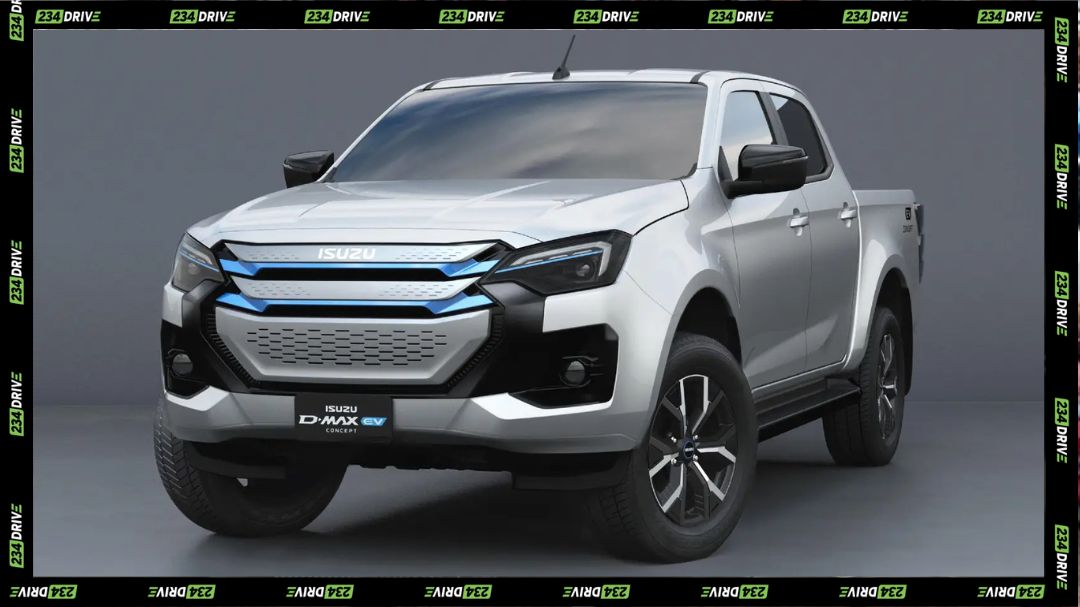
In addition to traditional internal combustion vehicles, 2025 will be remembered as the year Kenya’s mobility sector pivoted toward a greener future. The government’s introduction of the Draft Electric Mobility Policy and the rollout of distinctive green number plates for electric vehicles have begun to reshape the market. While the electric bus momentum is gaining pace in urban centres like Nairobi, Isuzu East Africa also signalled its entry into this space by announcing plans for its first battery-powered truck. These initiatives are part of a broader, strategic charge into Africa’s EV market, where financial partnerships are increasingly being formed to support the high upfront costs of sustainable transport. These initiatives are aimed at accelerating progress towards the national goal of having electric vehicles represent 5 per cent of all registered units by the end of 2025, a goal that was not unfortunately not met in time.
Locally assembled vehicles continued to dominate the landscape, accounting for nearly 85 per cent of all new registrations. This preference is driven by lower import duties and a proven track record of durability on Kenyan roads. Beyond the market leader, other players like CFAO Mobility and Simba Corporation also recorded double-digit growth, though Isuzu’s D-Max remained the top-selling individual model. The growth in the commercial vehicle market specifically highlights a broader economic expansion, with the GDP growing by 4.9 per cent in the third quarter of the year, bolstered by resilient agriculture and a rebound in service sectors.
Looking toward 2026, the industry is poised to sustain this momentum if the current trajectory of low interest rates and currency stability persists. However, the market faces evolving challenges, including the rising cost of global logistics and competition from regional hubs, such as the North Africa gateway which is attracting significant foreign investment. The task for the coming year will be to scale the necessary infrastructure for electric mobility and integrate futuristic cognitive driving tech into local offerings as AI begins to redefine the driving experience. As policy becomes clearer and investor confidence grows, Kenya’s automotive sector is moving beyond mere recovery toward a smarter, more inclusive industrial future.