
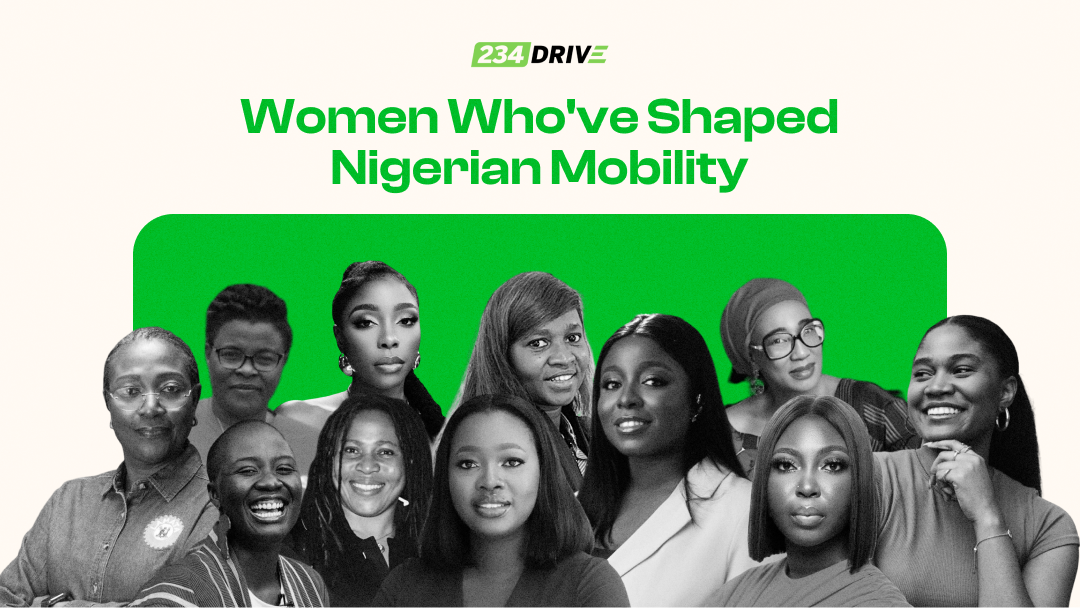
International Women’s Day is a time to celebrate women who continue to shape the world through courage and determination. Across different fields and industries, women are breaking barriers, rewriting expectations and opening doors for those who will come after them.
In the mobility world, that impact is just as visible. From record-attempting travel creators crossing continents to leaders shaping transport systems from the boardroom and women working hands-on in the everyday spaces of mobility, their stories reflect progress in motion. Here is 234Drive’s selection of women whose ongoing strides and legacies continue to inspire in 2026.
Pelumi Nubi
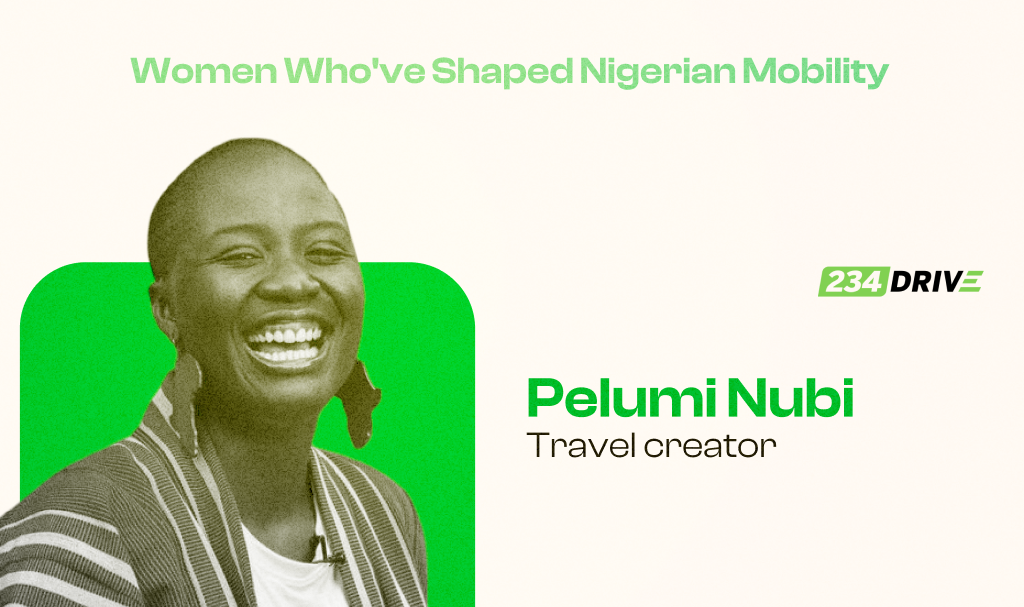
Image Source: Pelumi.nubi
Pelumi Nubi is a Nigerian travel creator whose journey has become a powerful symbol of women pushing boundaries in mobility and adventure.
In 2024, she made headlines after completing a solo road trip from London to Lagos. 10,000 kilometres. 74 days. Alone. The truly extraordinary journey connected two cities she calls home and made her the first woman known to complete the route solo by road.
The car that carried her across continents, fondly called “Lumi,” now sits permanently at the John Randle Centre for Yoruba Culture and History in Lagos, preserving the moment as a milestone in modern African travel and mobility.
Pelumi has now explored 90+ countries across six continents, using her stories to encourage more women to travel boldly and embrace adventure.
It all reflects the belief she lives by: “the magic is in the doing”—a reminder that sometimes the biggest breakthroughs begin with simply taking the first step.
Alma Asinobi
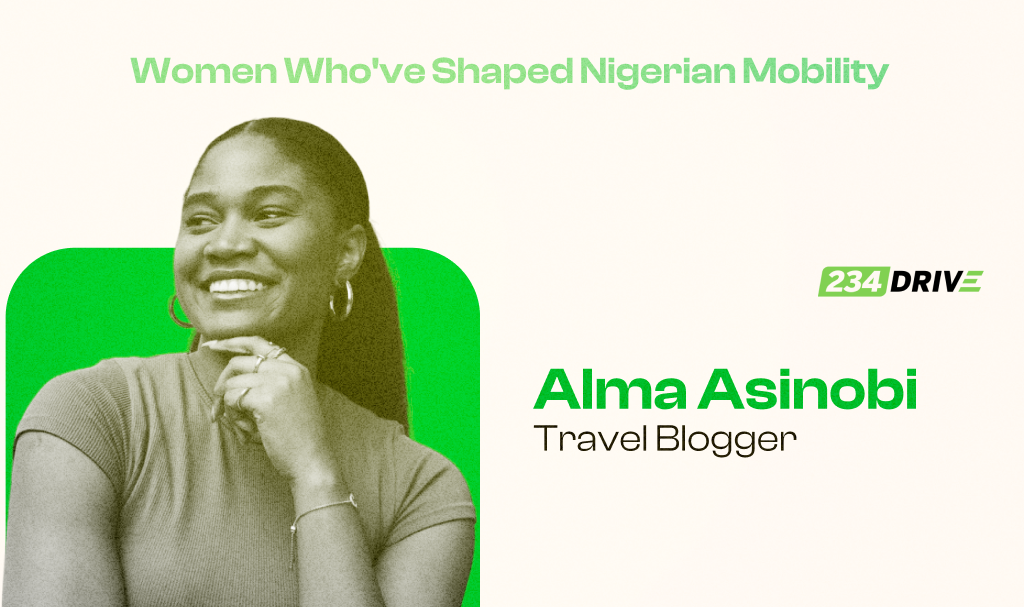
Image Source: Almaasinobi
Touching all seven continents in just about 71 hours is no small feat, and that is exactly what Nigerian travel creator Alma Asinobi set out to do.
In March 2025, she began a journey with the goal of breaking the Guinness World Record for the fastest trip across the seven continents, starting from Antarctica and moving quickly across the world. Along the way, she faced disruptions, including extra checks and visa-related delays, which made the journey tougher than expected. Even with those hurdles, Alma still completed the trip in around 71 hours, not too far off from the 64-hour record set earlier in 2025.
Instead of letting the setbacks define the moment, she chose to finish strong and turn the experience into something bigger. Her journey opened conversations about passport privilege and the extra barriers many travellers face simply because of where their passport comes from.
Through it all, Alma has continued to travel, share her experiences and inspire others to chase adventure, ultimately showing that the biggest win is refusing to stop moving forward.
Omolewa Adesuyi
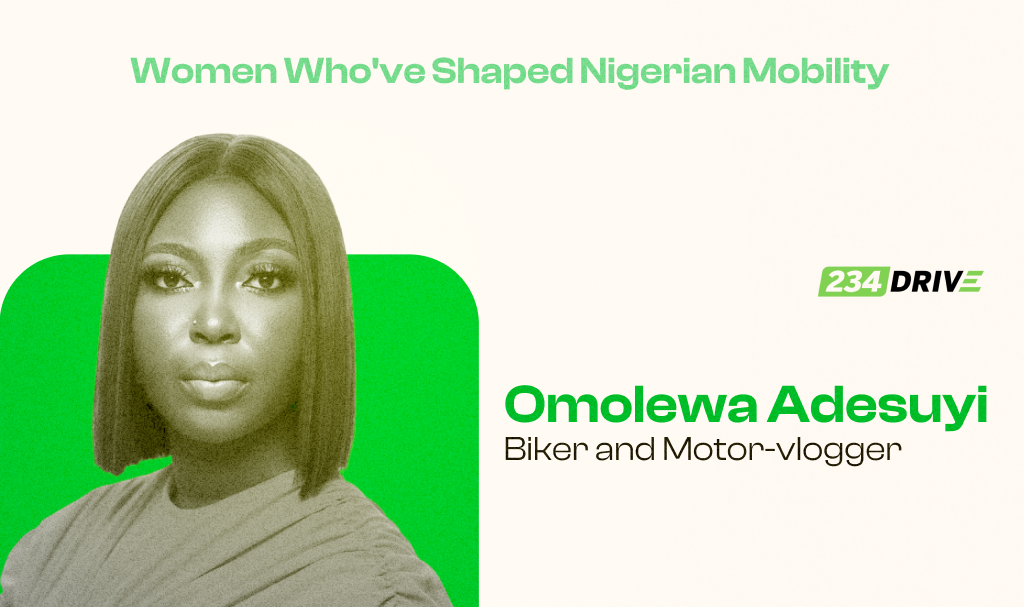
Image Source: Omolewa Adesuyi LinkedIn
When people imagine long journeys across Africa, they usually picture cars or buses—not a woman travelling thousands of kilometres on a motorcycle. But that’s the road Omolewa Adesuyi, widely known as “Mama Spade“, decided to take.
Her exploration of mobility happens on two wheels, a place where women are still not commonly seen. For Omolewa, riding is about more than the thrill of the journey. It is also her way of challenging the idea that motorcycling is only for men.
Her love for bikes began during her university years, when she travelled interstate with other riders. That experience stuck, eventually spurring her to train at a riding school. Then came the longer trips and the sharing of experiences that fetched her an expansive online community.
One of her most notable journeys was the “Ride for African Unity”, a solo motorcycle trip of about 7,000 kilometres from Lagos to South Africa. The route went through countries including Cameroon, the Democratic Republic of Congo, the Republic of Congo, Angola, and Namibia before reaching South Africa.
During the trip, she shared updates from the road and used the experience to encourage more women to feel comfortable exploring long-distance riding.
Mariam Hamidou
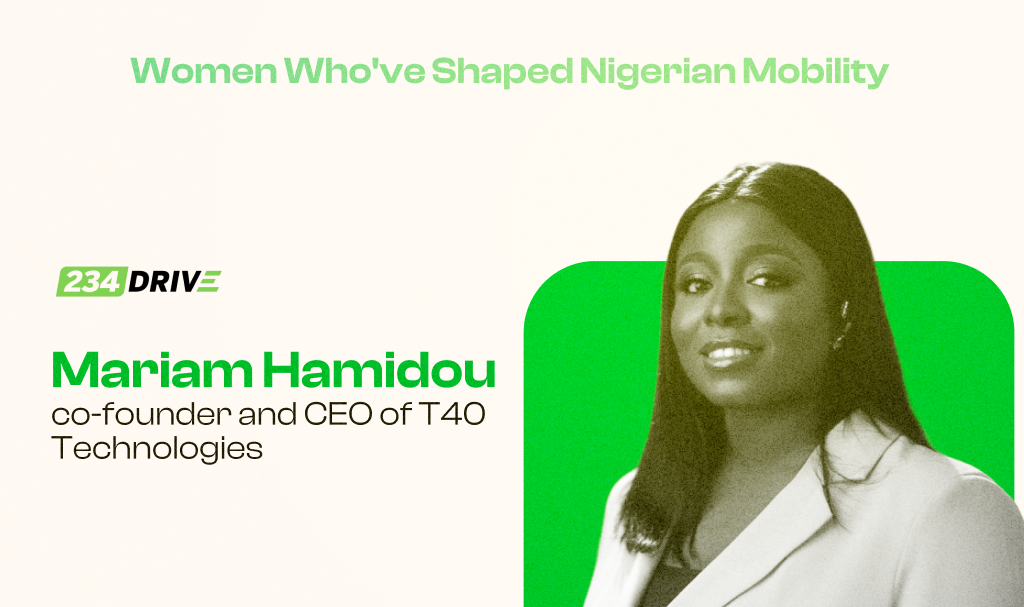
Image Source: Mariam Hamidou LinkedIn
Now we turn to a woman shaping mobility from the business side of the wheel.
Mariam Hamidou is the co-founder and CEO of T40 Technologies, a company helping modernise Africa’s intercity transport and logistics industry. She has spent much of her career thinking about one thing: how to make transport work better.
Her interest in mobility started from real-life experiences growing up in Nigeria, where unreliable transport systems often made everyday movement difficult. Later, working on international transport and aviation projects across Europe and Asia showed her how technology and better systems could change that story.
Before founding T40, Mariam also launched a bike-sharing startup in Nigeria, exploring how shared mobility could support cleaner and more accessible cities.
Today, through T40’s platform, she helps transport operators digitise their businesses and manage fleets more efficiently, supporting over 180 transport companies across Africa. Mariam Hamidou has quite literally made mobility in Africa her business.
Damilola Olokesusi
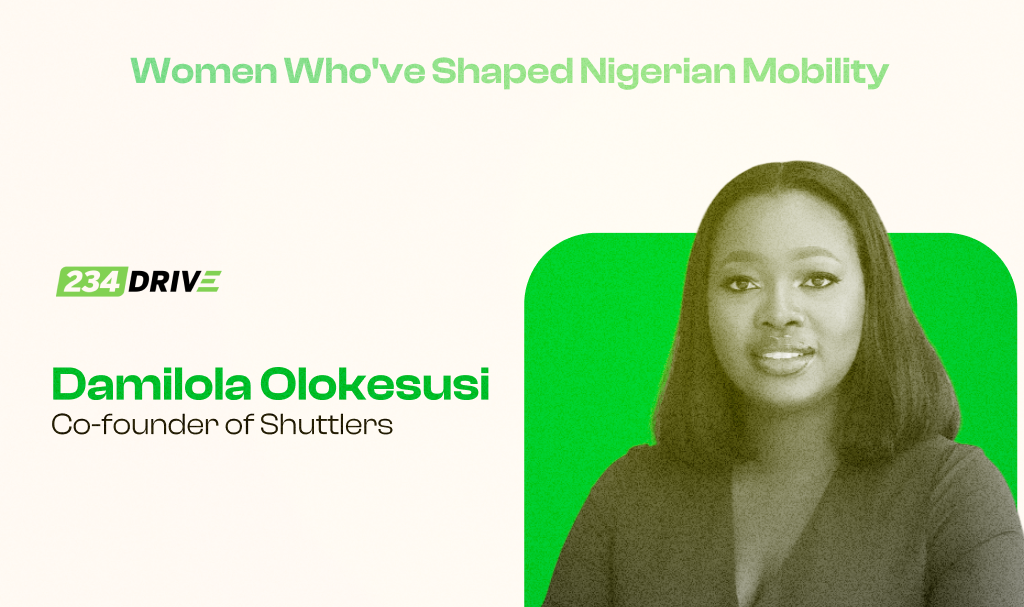
Image Source: Dammyoloke
After bagging a degree in Chemical Engineering from the University of Lagos, Damilola became acutely aware of how stressful and unpredictable commuting in Lagos could be. A harrowing robbery incident involving her sister and a one-chance bus made the issue even more personal. Instead of accepting the situation as normal, she and her would-be co-founder decided to try to fix the commuting problem.
That idea became Shuttlers, a tech-enabled shared mobility platform designed to help professionals move around the city more safely and comfortably. What started in 2015 as a simple system using WhatsApp, Slack, and email to coordinate shuttle routes has grown into a full platform where commuters can book seats, track buses, and pay through an app.
Along the way, the company has raised over $5.6 million in funding, attracted global attention, and put Damilola in rooms with leaders and innovators shaping the future of technology and mobility.
Today, Shuttlers runs hundreds of routes across Lagos and Abuja, serving over 80,000 commuters and delivering millions of rides.
Nkechi Abiola
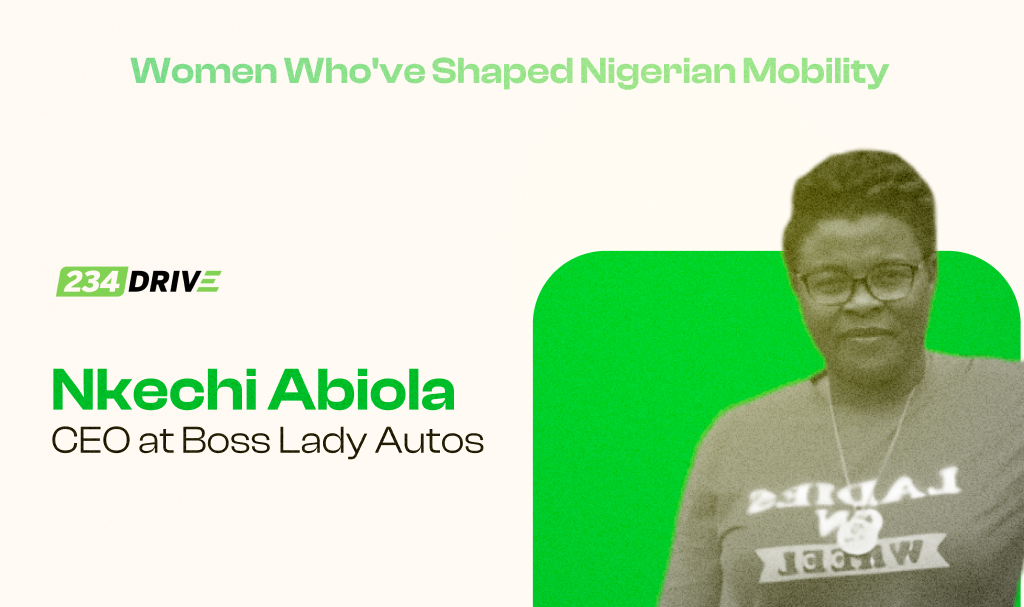
Image Source: Nkechi Abiola LinkedIn
Shifting the lens from those at the top of the mobility business to the women who deal with commuters every single day, we find women like Nkechi Abiola.
In 2018, Nkechi looked around at the male-dominated transport unions and realised that there was no safe space for female commercial drivers to be seen and heard. So she created one: the Ladies on Wheels Association of Nigeria (LOWAN).
In an Al Jazeera feature, LOWAN was reported to have grown to about 5,000 female commercial drivers across Nigeria, offering members a support system that includes advice, savings groups, access to loans and guidance on owning their vehicles.
The work has not been easy. Female drivers still face harassment from passengers, police officers and transport union members. Incidents like the assault of commercial driver Yetunde Amole have only highlighted the challenges women face on the road.
Through it all, Nkechi and her association continue to stand up for these women, making sure they are supported, protected, and respected in a space that has long overlooked them.
Sandra Aguebor
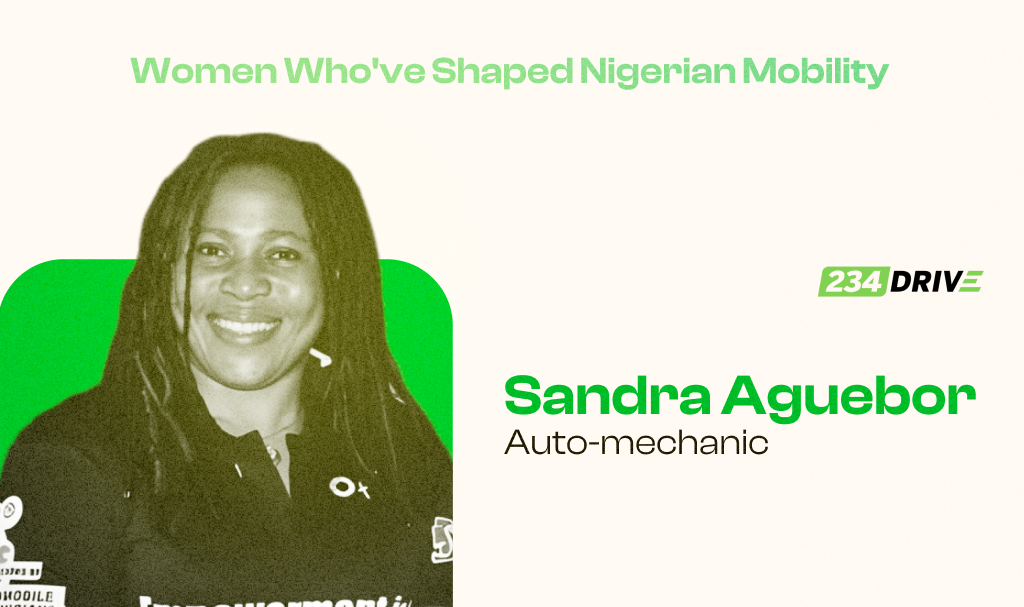
Image Source: Sandra Aguebor
Sometimes you start out without many cheerleaders, but along the way, the right people begin to show up. That describes the journey of Sandra Aguebor, better known across Nigeria as “Lady Mechanic”.
From a young age in Benin City, Sandra developed a strong interest in fixing cars. At the time, many people believed auto mechanics was strictly a man’s job, so her choice raised a few eyebrows. But she stayed committed. During her apprenticeship, the men in the workshop eventually realised how serious she was and began encouraging her. Her father also supported her early on, especially because he had seen women mechanics during his travels abroad and knew it was possible.
That mix of determination and support eventually led Sandra to open Sandex Car Care Garage, a workshop she has run successfully for more than two decades and where she built a loyal customer base that trusts her work.
But she didn’t stop there. After establishing a reputation with her skills, she took things to another gear. Through the Lady Mechanic Initiative, Sandra has trained over 1,000 women across Nigeria, helping them learn automotive skills and build independent livelihoods.
Dr Kema Chikwe
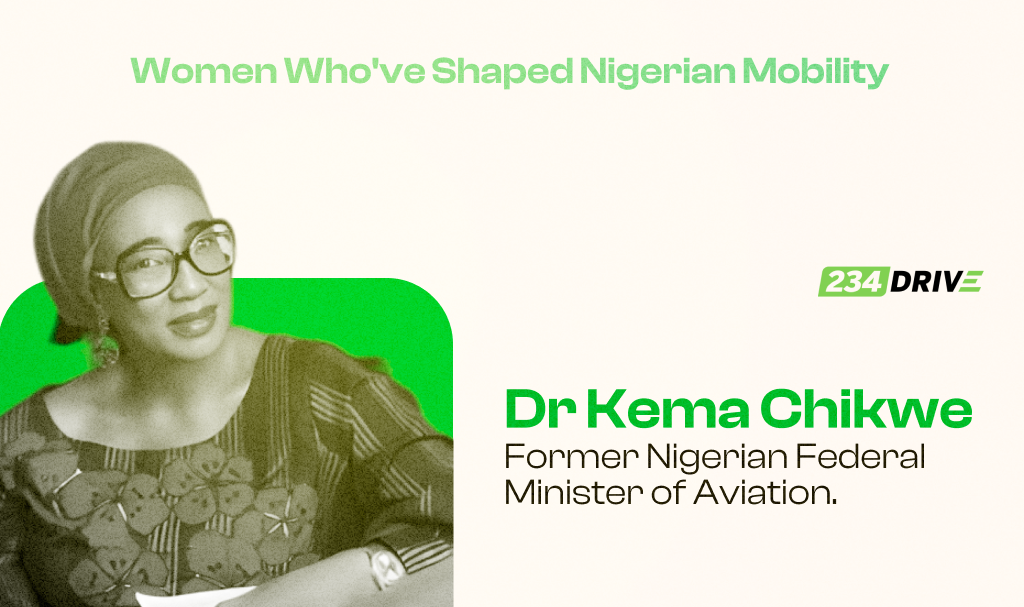
Image Source: Ships and Ports
Ambassador Dr Kema Chikwe celebrated her 79th birthday earlier this year, and she deserves to be celebrated again. Her journey began very early—at just 17 years old, when she started working at Nigeria’s Ministry of Education. From that first step in public service, she built a career that would stretch across politics, diplomacy and national development.
Her impact on mobility and transport in Nigeria is one of the most remarkable parts of that journey. In 1999, she made history when Olusegun Obasanjo appointed her Nigeria’s first female Minister of Transport. In that role, she pushed through reforms many had avoided for years—introducing 24-hour port operations, improving inland waterway transport and tackling congestion at Nigerian ports. She later served as Minister of Aviation, where she helped strengthen Nigeria’s air travel system by restoring international routes and signing key aviation agreements that expanded the country’s connections to the world.
Beyond transport, Dr Chikwe also served Nigeria in diplomacy and public leadership, including a term as ambassador, while continuing to advocate for greater participation of women in public life.
She also showed courage by running for Governor of Imo State at a time when very few women attempted it. While she later noted the system may not have been ready, she believed someone had to take that first step.
That same belief lives on through the Women Leadership Institute, which she founded to help prepare more women for leadership.
Engr Abimbola Akinajo
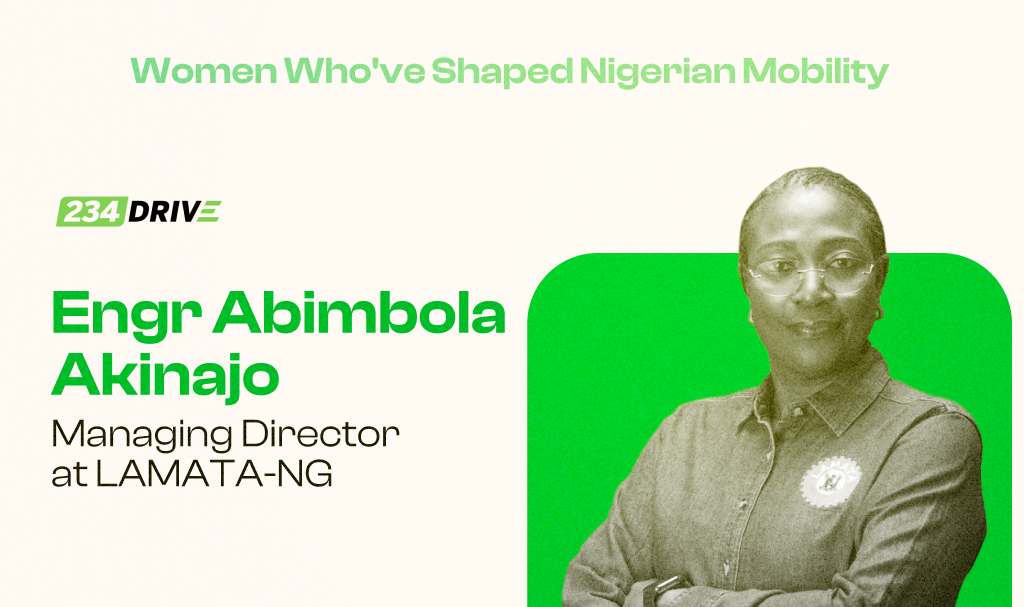
Image Source: Sterling
Another remarkable leader who’s put her expertise to work for her country is Engr Abimbola Akinajo.
Her journey also started at the University of Lagos, where she studied Civil Engineering. From there, she moved to the United Kingdom and began building what would become an impressive career in transport engineering. Over the years, she worked on several major rail infrastructure projects in the UK, contributing to upgrades across the London Underground, including rail bridge replacements, the Connect communications system and improvements to stations such as Blackfriars as part of the Thameslink project.
With more than three decades of professional experience, much of it focused on transport infrastructure, she built a reputation as a quiet but steady trailblazer of excellence in engineering and project delivery.
In 2019, Babajide Sanwo-Olu, Governor of Lagos State, appointed her Managing Director of the Lagos Metropolitan Area Transport Authority (LAMATA). The appointment made her the first woman to lead the agency, which is responsible for planning and coordinating Lagos’ transport system.
With her loaded experience in rail and infrastructure, Engr. Akinajo continues to play a key role in shaping how one of Africa’s largest cities moves.
Nissi Ogulu
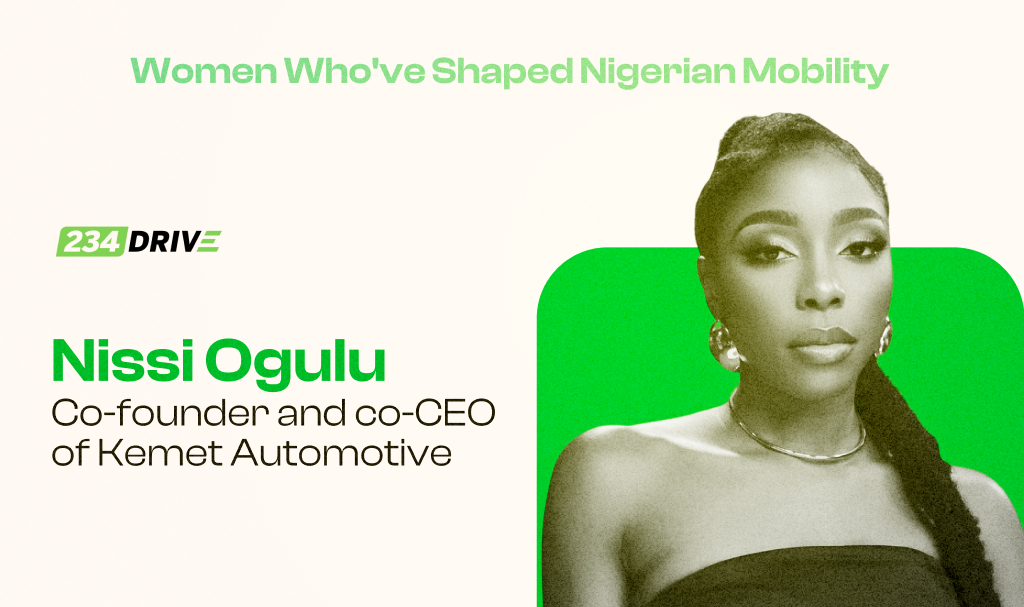
Image Source: Nissination
Nissi Ogulu is helping shape the conversation around electric mobility in Africa through her work as co-founder and co-CEO of Kemet Automotive, a Pan-African electric vehicle company focused on making EVs affordable for the continent.
She studied Mechanical Engineering at the University of Warwick and later specialised in sustainable design and innovation. Earlier in her career, she worked with Jaguar Land Rover, where she was part of the engineering team behind the fifth-generation Range Rover and helped deliver several vehicle projects across global markets.
At Kemet Automotive, Nissi is working to build electric vehicles locally in Africa, an attempt to help reduce import costs and make EVs more accessible. The company has already developed several concept vehicles, including the Gezo electric tricycle and the Nandi SUV, while preparing for its first production model, expected around 2027.
Alongside vehicle development, she continues to advocate for innovation, manufacturing and sustainable technology as part of Africa’s growing mobility ecosystem.
Aissatou Diouf
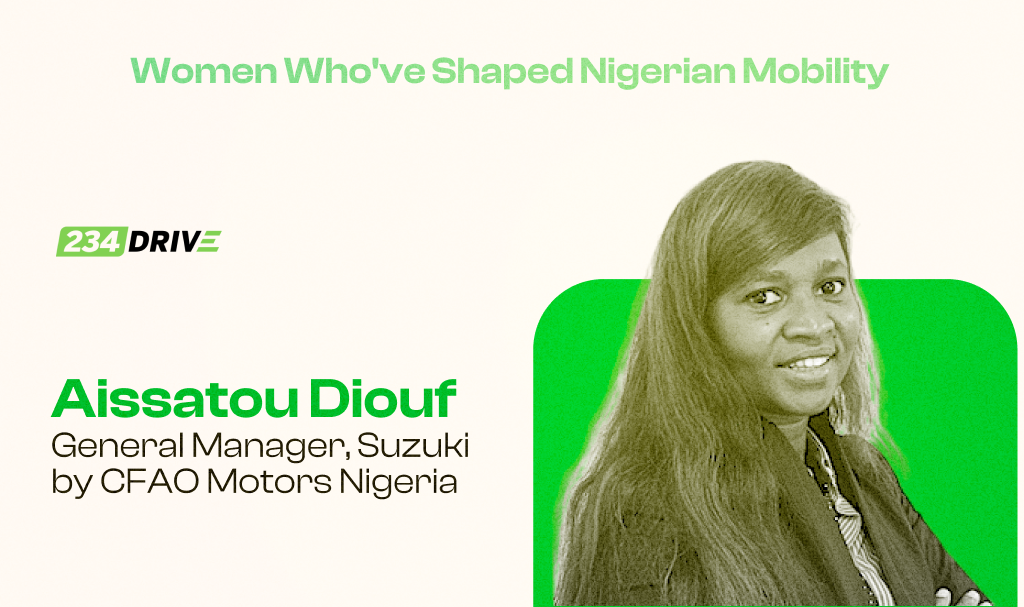
Helping Suzuki regain strong visibility in Nigeria has been one of Aissatou Diouf’s most notable contributions to the country’s automotive industry. The Senegalese national has served as General Manager of Suzuki by CFAO Nigeria since 2020, earning recognition such as the “Strongest Comeback Car Brand of the Year” company award from the Nigeria Auto Journalists Association (NAJA). She was also honoured with NAJA’s “Outstanding GM of the Year” award, which she dedicated to the entire Suzuki by CFAO team.
With over 22 years of experience in the automotive industry across Africa, Diouf has built her leadership approach around listening closely to what drivers actually need and shaping the brand’s direction around those insights. Under her guidance, Suzuki has focused on expanding its network, strengthening aftersales support, and improving the ownership experience for customers. In an insider conversation with 234Drive, she also shared a glimpse into how the brand operates behind the scenes and the thinking guiding its growth in Nigeria.
For Diouf, pushing the brand forward rests on a simple belief she often shares: “There is a Suzuki for everyone.”