
Source: Guardian NG
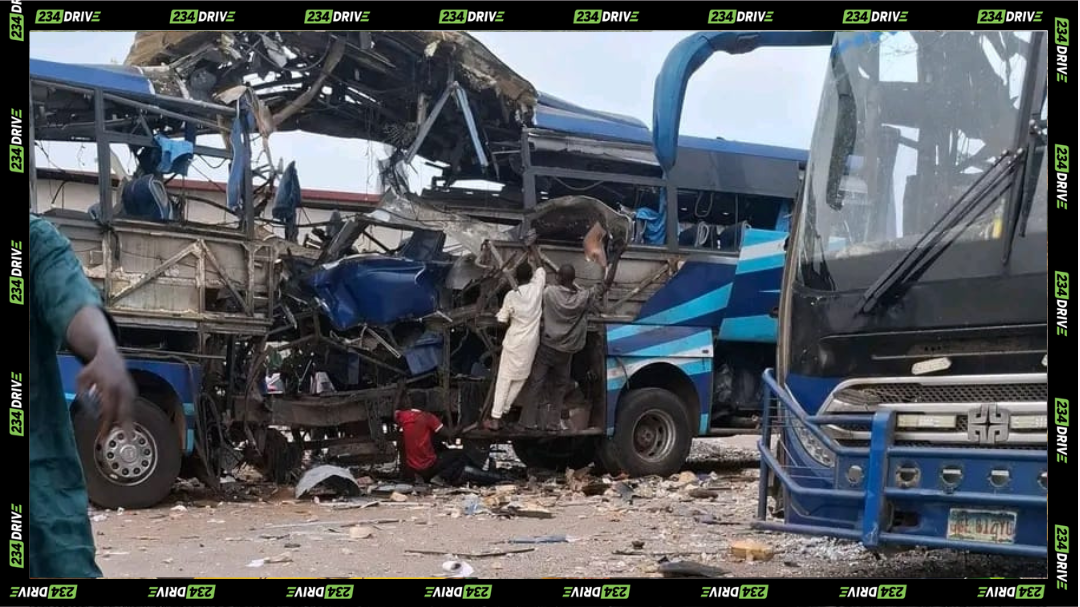
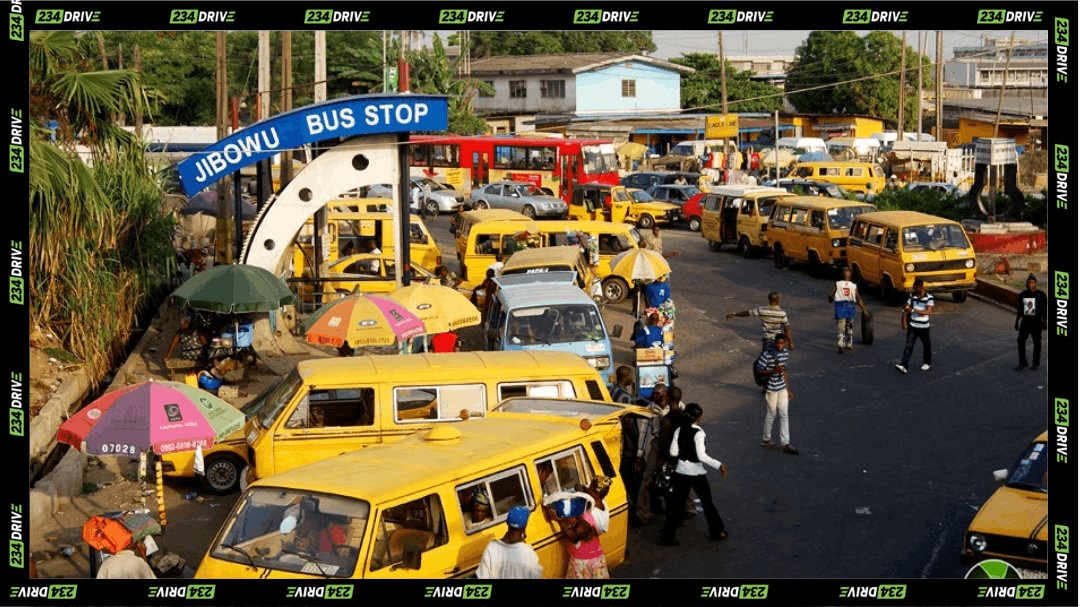
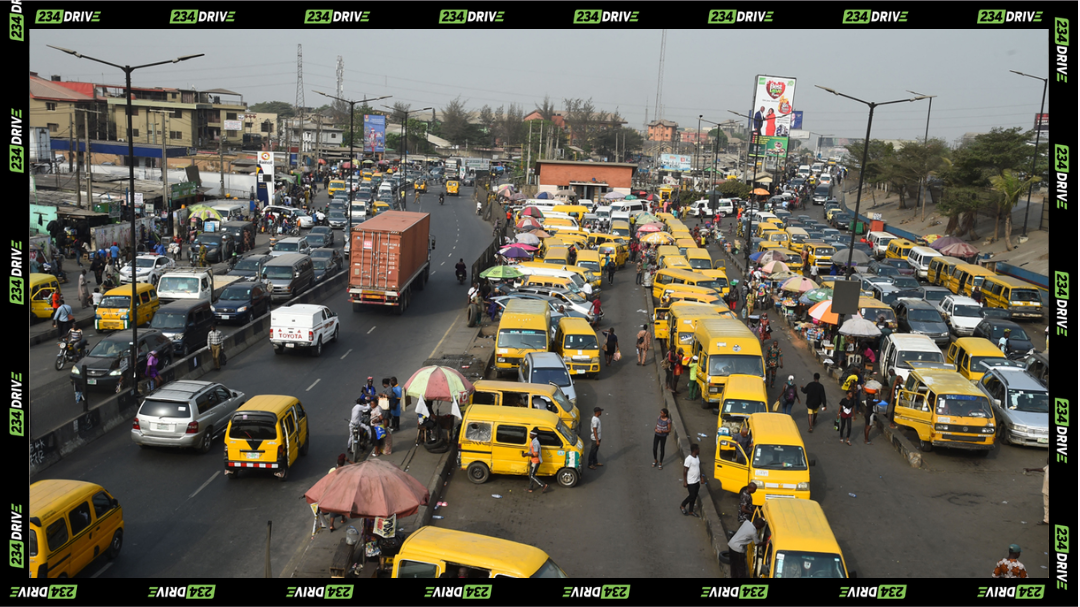
Lagos has drawn a clear line: korope minibuses can no longer operate on the Lekki–Epe Expressway. After drivers blocked parts of the road in protest around Ajah, the state government described the action as economic sabotage and insisted the restriction is permanent under its Bus Reform Initiative (BRI).
What the Government Is Changing and Why the Ban
The Lekki–Epe corridor has officially moved into a structured mass transit system. The government says this has been in the works since 2024. The aim is to have fewer small, unregulated buses on the expressway and allow for more organised, high-capacity buses running on set routes.
Meetings were held with transport unions, including NURTW and RTEAN, before the rollout. A 27 June, 2024 meeting outlined the plan and a follow-up meeting on 2 December, 2025 fixed 8 December, 2025 as the start date for the first phase. The affected routes include Ajah–CMS (Marina)/Obalende, Ajah–Oshodi, Ajah–Berger, and Ajah–Iyana Ipaja.
Under the new system, approved buses run either express or regular services. They carry the Lagos blue-and-white paint, official identification numbers, QR-coded PTCS stickers and Touch and Pay (TAP) payment options. Drivers must also wear Ministry of Transportation badges.
State officials say the expressway connects homes, businesses, industries and the Free Trade Zone. They also argue that keeping operations structured will reduce traffic chaos and improve safety.
Korope Drivers Block Expressway, Trigger Gridlock and Escalate Tensions
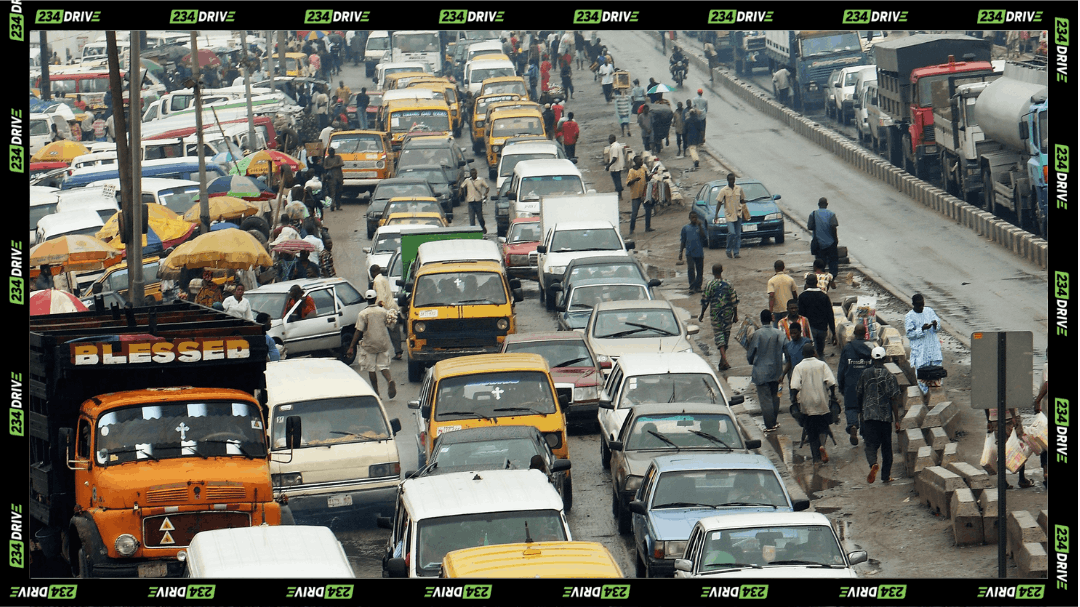
Not everyone agrees. On 17 and 18 February, 2026, some Korope drivers blocked parts of the expressway, especially around Ajah. The action caused heavy traffic and left many commuters stuck for hours.

A protester holding up a sign. Source: 234Drive
Drivers argue that the corridor is a major source of daily income and that removing them from it threatens their livelihoods.
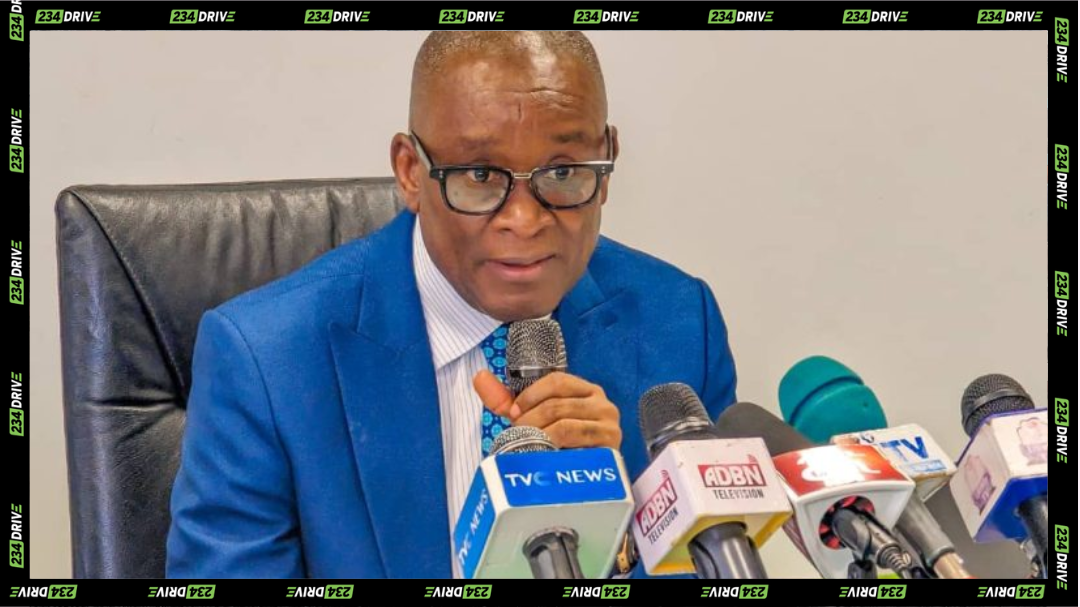
The government responded by condemning the protest and confirming it had contacted police authorities to strengthen enforcement and prevent further disruptions. Officials insist they consulted stakeholders, issued notices, and reached agreements with unions before enforcing the changes.
Now, the reform is underway and the state is pushing ahead. Whether it works smoothly will matter not just to the displaced drivers but to the thousands of commuters who rely on that road every day. If the new system fails to ease movement and keep fares stable, public frustration could quickly grow beyond the protest already seen on the expressway.