
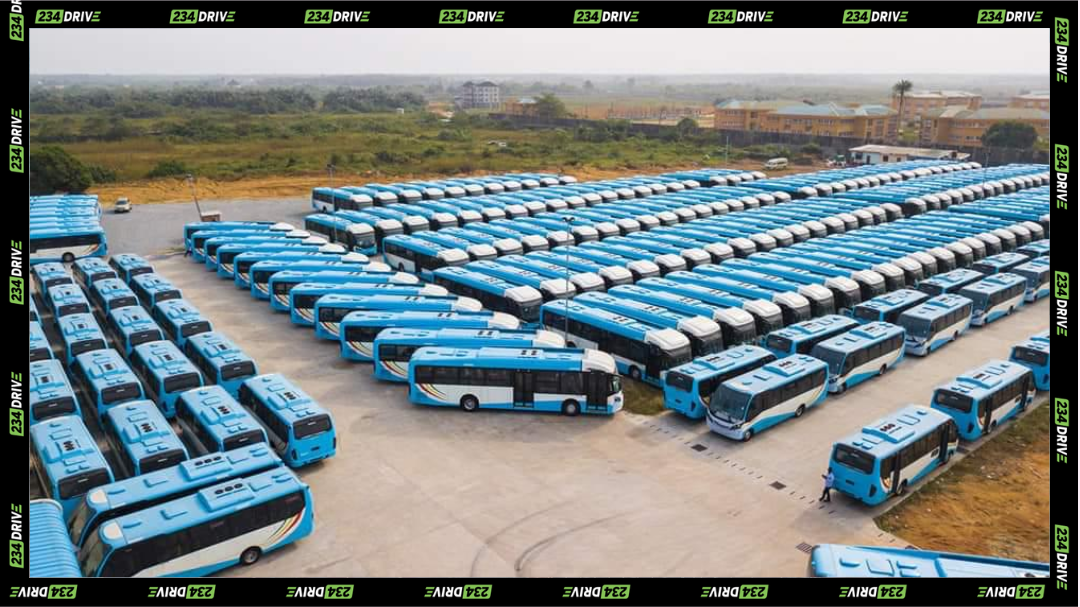
BRT and BRI buses lined up at LAMATA base |Source: LAMATA Facebook
Lagos will raise fares on its BRT and BRI buses by 13% starting Monday, March 2, 2026. The state says the move reflects the rising cost of running public transport.
LAMATA (Lagos Metropolitan Area Transport Authority) announced the change and explained that Governor Babajide Sanwo-Olu approved it after bus operators said it was becoming harder to keep services running at current prices.
Why Lagos Is Increasing Its BRT Fare
According to the state, transport costs have gone up. Things like vehicle repairs, staff salaries, and general transport upkeep now cost more. The government also says it is investing in newer, cleaner buses, which adds to operating expenses.
Lagos does review the BRT bus fares from time to time. In February 2025, fares went up by 18%. Before that, the state offered temporary discounts of 50% and later 25% to help residents cope after fuel subsidy removal. Those discounts eventually ended.
The Lekki–Epe corridor, which recently joined the BRI system, will also reflect the new fares. That route runs with larger buses and uses cashless payments through the Cowry card and other digital systems. The state continues to work to limit unregulated minibuses along that corridor as part of its transport reforms.
How the New Fares May Affect Riders Across Lagos
For people who rely on BRT and BRI buses every day, this means spending more on transport each month. Even small increases are going to add up and this will, especially for workers and students who travel long distances using these buses regularly.
Some commuters may adjust how often they travel, change routes, or use feeder buses where possible. Others may accept the increase but expect better service and fewer delays.
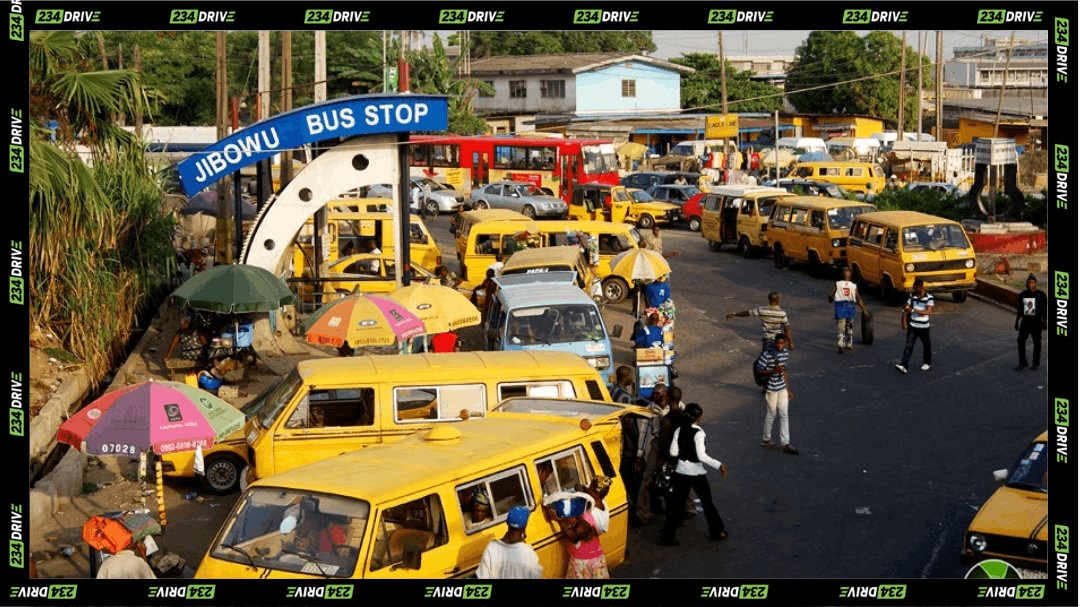
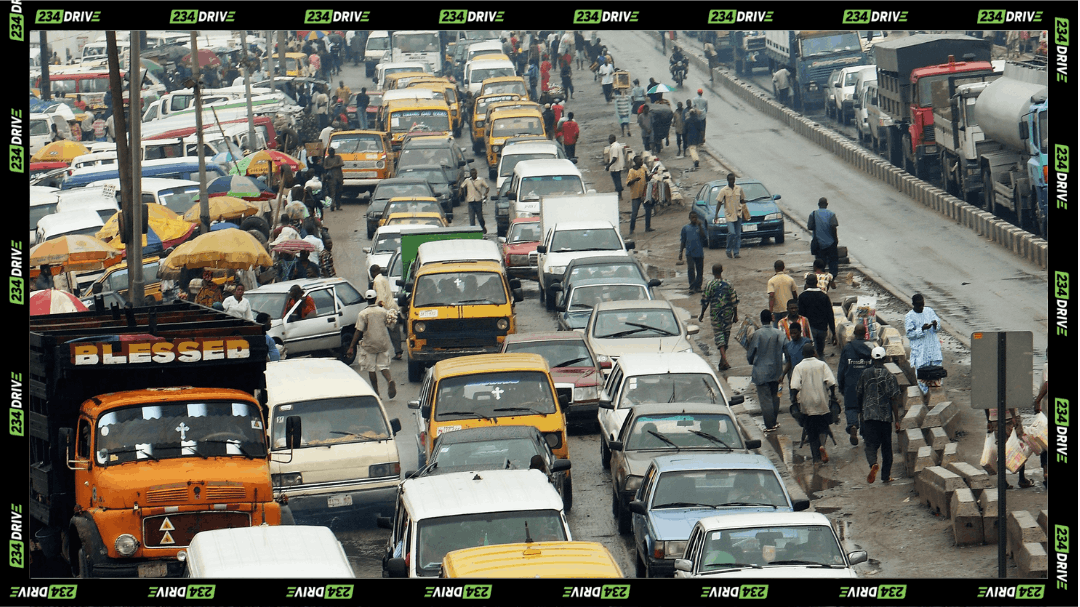
In addition, most times when government-regulated fares go up, informal bus operators often follow closely. For instance drivers on busy routes like Ikorodu, Oshodi, CMS, and Ajah usually adjust their prices in response to changes in the formal system.
If that happens again, commuters may see transport costs rise beyond just the BRT and BRI buses.
The new fares take effect on 2 March and many Lagosians will be watching to see how the change affects their daily commute—and whether service improves alongside the higher prices.