
The Mitsubishi Outlander PHEV has emerged as a compelling choice for Kenyan motorists seeking a balance between fuel efficiency, family practicality, and off-road capability. As the world’s first plug-in hybrid SUV when it launched globally in 2012, this versatile vehicle addresses the growing demand for sustainable mobility solutions in a market grappling with fluctuating fuel prices and increasing urban congestion. With imports primarily arriving from Japan through established dealers and independent importers, the Outlander PHEV has carved out a niche amongst middle-income families and environmentally conscious drivers.
In Kenya’s diverse automotive landscape, where fuel economy and vehicle durability remain paramount considerations, the Outlander PHEV offers a practical proposition. Its combination of petrol and electric powertrains promises substantial savings at the pump whilst delivering the ground clearance and all-wheel-drive capability essential for navigating both city streets and rural tracks. This comprehensive guide examines the vehicle’s pricing structure, technical specifications, real-world performance, and suitability for Kenyan driving conditions, providing prospective buyers with the insights needed to make an informed decision.
Design and Exterior Presence
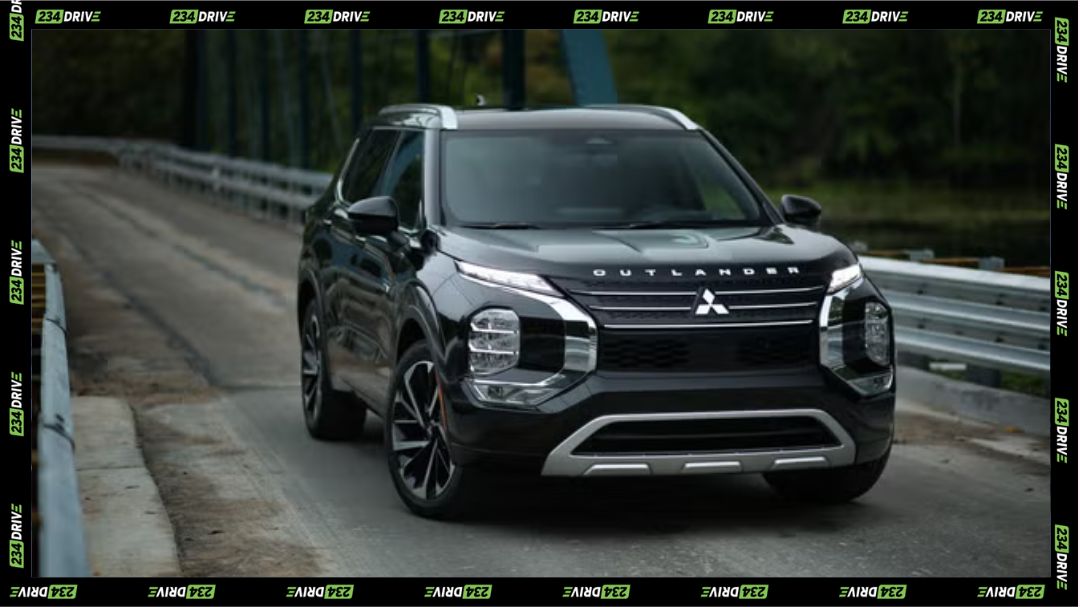
The Mitsubishi Outlander PHEV presents a commanding road presence with its bold, contemporary styling that reflects modern SUV design language. Measuring 4,710 mm in length, 1,860 mm in width, and 1,740 mm in height, the vehicle strikes an impressive balance between spaciousness and manoeuvrability. The front fascia features Mitsubishi’s signature Dynamic Shield design, characterised by chrome accents and angular LED headlamps that create an assertive appearance. The sculpted bonnet lines and prominent wheel arches house substantial alloy wheels, typically 18 inches on most variants, contributing to the vehicle’s sturdy aesthetic.
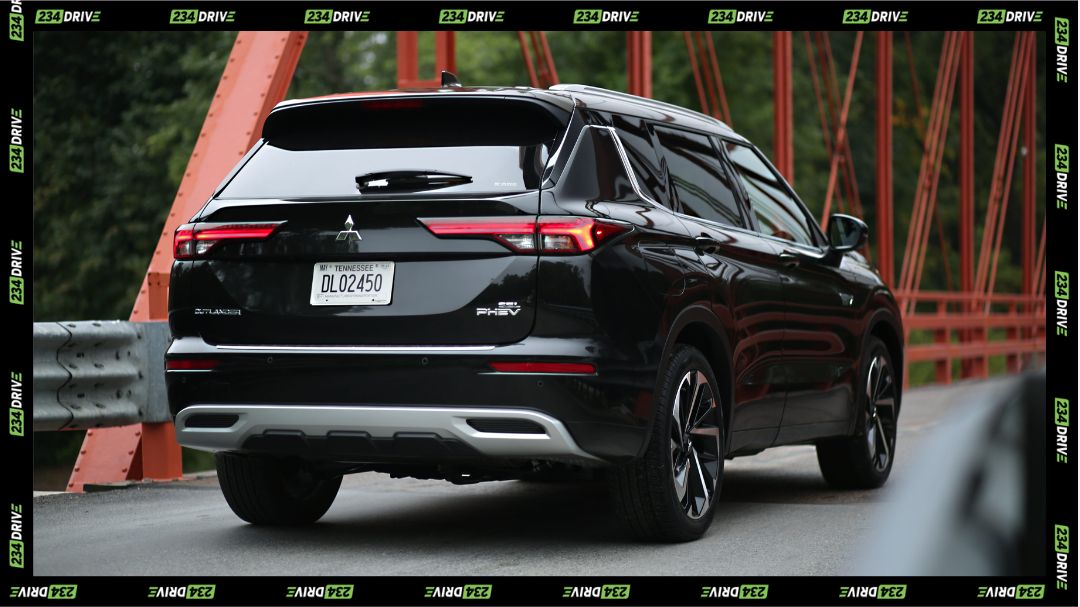
The profile reveals clean, flowing lines that extend from the A-pillar to the rear, with chrome window trim and body-coloured door handles adding refinement. Ground clearance of 190 mm ensures the Outlander PHEV maintains an elevated stance, essential for tackling Kenya’s varied road surfaces, from pothole-riddled urban streets to uneven rural paths. The rear design incorporates LED tail lamps with a distinctive horizontal layout, whilst the subtle roof spoiler and integrated rear wiper enhance both functionality and visual appeal. Optional features on higher trims include a panoramic sunroof and shark-fin antenna, elements that elevate the vehicle’s premium positioning within the competitive SUV segment.
Interior Comfort and Performance
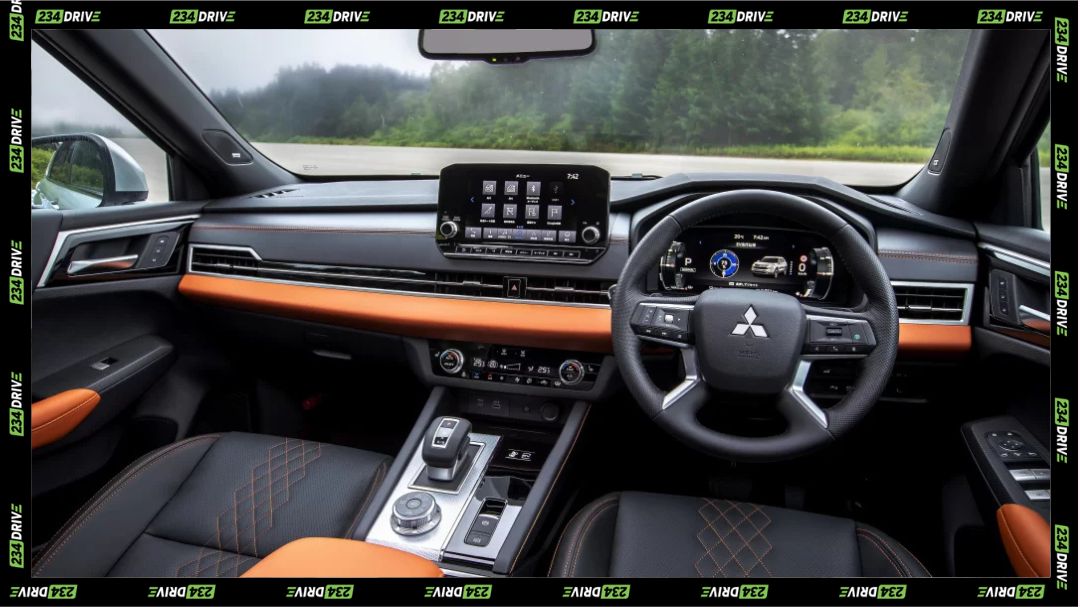
Step inside the Outlander PHEV and you’re greeted by a spacious, thoughtfully designed cabin that prioritises both comfort and practicality. The interior accommodates five to seven passengers depending on configuration, with supportive seats upholstered in either fabric or leather on higher-specification models. The dashboard layout centres around an 8 to 9-inch touchscreen infotainment system featuring Apple CarPlay and Android Auto connectivity, Bluetooth integration, and multiple USB charging ports. Climate control, typically dual-zone on most variants, ensures comfort across Kenya’s varied temperatures, from coastal humidity to highland coolness.
Beneath the bonnet lies a sophisticated powertrain combining a 2.4-litre MIVEC petrol engine with dual electric motors, delivering a combined system output of 197 to 221 horsepower and up to 450 Nm of torque. This configuration channels power through an automatic transmission, offering seamless transitions between electric and hybrid modes. The vehicle achieves 0-100 km/h in approximately 9.5 to 10.5 seconds, whilst the top speed reaches around 170 km/h. Most impressive is the fuel economy: in hybrid mode, owners report achieving 40 to 45 km/l, with an electric-only range of approximately 54 km—perfect for urban commutes across Nairobi or Mombasa. The 13.8 to 20 kWh lithium-ion battery supports both standard 120V/240V charging and DC fast-charging on select models, with regenerative braking further enhancing efficiency. The Super All-Wheel Control (S-AWC) system distributes power intelligently across all four wheels, providing stability on highways and confidence on challenging terrain.
Pricing Structure in Kenya
The Kenyan market offers a range of Mitsubishi Outlander PHEV options spanning various model years and conditions, with prices reflecting import duties, exchange rate fluctuations, vehicle mileage, and specification levels. Older models from 2017 to 2019 typically command between KES 2.5 million and 3.5 million, offering an accessible entry point for buyers seeking hybrid technology without stretching budgets. These units are frequently available through local platforms such as Jiji.co.ke, where specific examples include 2017 models priced at KES 2.8 million and 2019 variants ranging from KES 1.85 million to 3.45 million depending on condition and mileage.
Mid-range options from 2020 to 2022 occupy the KES 3.5 million to 5 million bracket, representing the sweet spot for many buyers seeking relatively recent technology with manageable depreciation. Import specialists such as Autocraft Japan facilitate the acquisition of 2022 models at approximately KES 3 million before local duties, whilst established dealers list similar vehicles around KES 3.5 million. For those desiring the latest features and warranty coverage, newer imports from 2023 to 2025 command premium pricing between KES 4.8 million and 6.5 million. Zen Cars Import offers 2023 models within the KES 4.8 million to 5.4 million range, whilst CarsKenya listings extend to KES 6.5 million for top-specification units. Prospective buyers should anticipate additional costs including import duties, clearance fees, and pre-shipment inspection charges, with most importers requiring 30% deposits to initiate the process.
Real-World Performance and Owner Feedback
Kenyan owners consistently praise the Outlander PHEV’s fuel efficiency, particularly valuable given the country’s volatile petrol prices and congested urban environments. The electric-only mode proves ideal for short journeys within Nairobi’s central business district or Mombasa’s island sections, eliminating fuel consumption entirely whilst reducing emissions. When switching to hybrid operation, the seamless integration between petrol and electric power delivers smooth acceleration and composed highway cruising, with the all-wheel-drive system providing reassuring stability on major routes such as the Nairobi-Mombasa highway or journeys towards Kisumu.
However, the vehicle isn’t without limitations. The 2.4-litre engine, whilst efficient, lacks the outright performance of purely petrol-powered rivals, with some owners noting sluggish acceleration under heavy loads or when navigating steep inclines. Steering feedback receives mixed reviews, described as light and somewhat uninformative at higher speeds, though this remains typical of many modern SUVs prioritising comfort over engagement. Potential concerns include battery degradation over time, with the electric range potentially diminishing from the advertised 54 km as the battery ages. Some users report occasional transmission hesitation, power loss at elevated speeds, and intermittent charging system issues. Whilst these problems aren’t universal, prospective buyers should ensure thorough pre-purchase inspections, particularly for imported units. The availability of parts through official dealers such as CFAO Mobility and established importers like Kai & Karo provides reassurance regarding maintenance accessibility.
Suitability for Kenyan Driving Conditions
Kenya’s diverse terrain and infrastructure present unique challenges that the Outlander PHEV addresses admirably. The 190 mm ground clearance proves invaluable when navigating potholed urban streets, rural murram roads, and the occasional flooded section during rainy seasons. The S-AWC all-wheel-drive system distributes torque intelligently, providing traction on slippery surfaces and confidence when venturing beyond tarmac. For families undertaking weekend getaways to destinations such as the Rift Valley, coastal regions, or upcountry visits, the vehicle’s spacious interior and cargo capacity—ranging from 33.5 cubic feet with all seats in place to an impressive 79.7 cubic feet with rear seats folded—accommodates luggage, supplies, and equipment comfortably.
Urban drivers benefit significantly from the hybrid technology, with electric-only operation reducing running costs during stop-start traffic conditions that characterise Nairobi’s peak hours. However, maximising the PHEV’s potential requires access to charging infrastructure, which remains limited outside major urban centres. Homeowners with dedicated parking can install charging points, typically requiring 6 to 8 hours for a full charge using standard domestic electricity. Kenya’s climate generally favours the Outlander PHEV’s operation, with moderate temperatures minimising the battery efficiency losses experienced in extreme cold. The vehicle’s prestige positioning appeals to professionals and business owners seeking an environmentally conscious image without sacrificing practicality or comfort. Maintenance networks through CFAO Mobility’s official channels and independent specialists ensure servicing remains accessible, though potential buyers should factor in the possibility of battery replacement costs in the long term.
Competitive Analysis and Market Position
Within Kenya’s competitive SUV segment, the Outlander PHEV faces established rivals including the Toyota RAV4 Hybrid, Honda CR-V, and Nissan X-Trail, each offering distinct advantages. The RAV4 Hybrid commands strong resale values and benefits from Toyota’s extensive service network across Kenya, though it typically lacks plug-in capability, limiting pure electric operation. The CR-V provides refined road manners and Honda’s reputation for reliability, yet similarly forgoes plug-in functionality. The Outlander PHEV’s key differentiator remains its ability to operate on electric power alone for daily commutes, potentially reducing fuel costs by 60 to 70% for users with regular charging access.
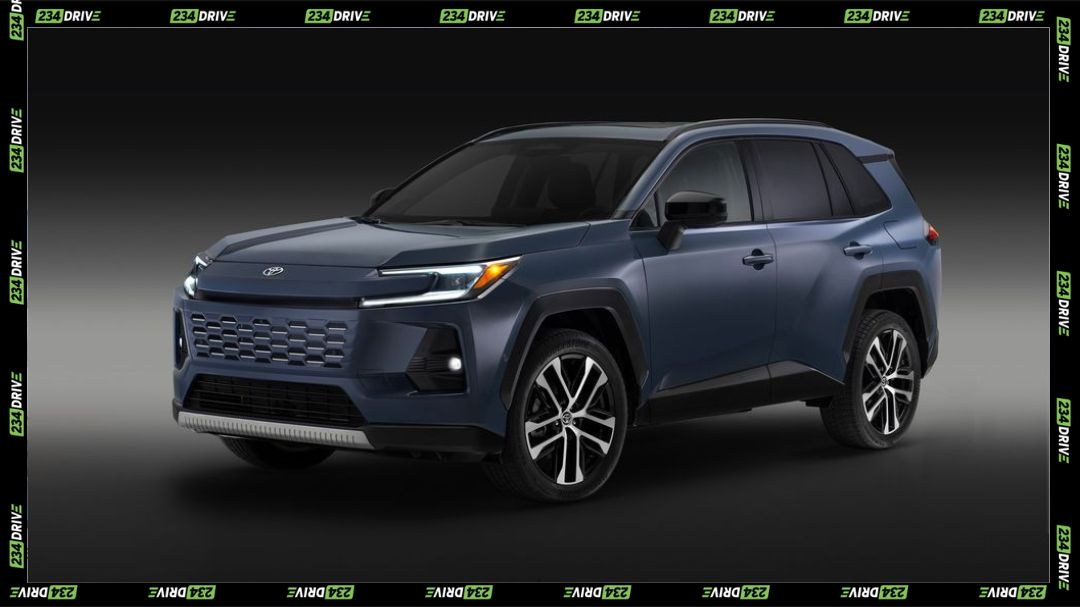
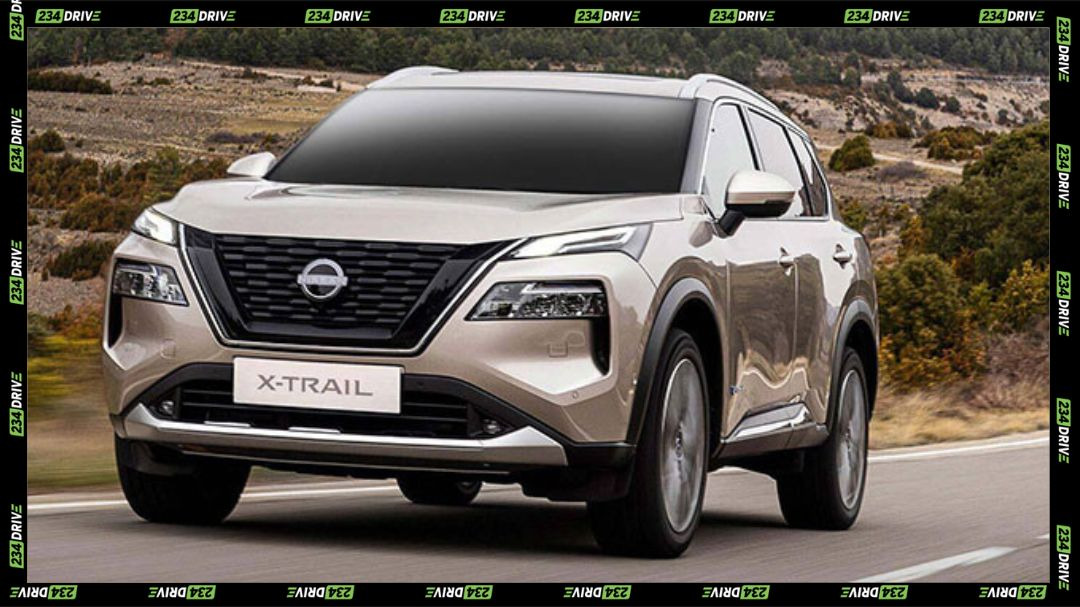
From a value perspective, the Outlander PHEV positions itself competitively against these rivals. Initial purchase prices align closely with equivalent RAV4 Hybrid models, whilst offering greater electric range. Maintenance costs remain reasonable, with Mitsubishi parts readily available and service intervals manageable. Resale values demonstrate resilience, supported by growing demand for hybrid vehicles as fuel consciousness increases amongst Kenyan buyers. However, the Toyota brand’s stronger local presence and proven durability give the RAV4 Hybrid an edge in certain buyer segments. For those prioritising cutting-edge hybrid technology, charging infrastructure access, and maximum fuel efficiency, the Outlander PHEV represents excellent value. Buyers focused on absolute reliability and minimal maintenance complexity might lean towards the proven RAV4, whilst those seeking petrol-only operation with lower initial costs may consider the standard Outlander or X-Trail variants.
Conclusion
The Mitsubishi Outlander PHEV stands as a compelling proposition for Kenyan motorists seeking to balance environmental consciousness, fuel economy, and family practicality within a single package. Its sophisticated plug-in hybrid powertrain delivers tangible fuel savings for urban commuters with charging access, whilst the spacious interior, comprehensive safety features, and capable all-wheel-drive system address the practical demands of Kenyan roads and lifestyles. Pricing spans accessible entry points around KES 2.5 million for older models to premium offerings exceeding KES 6 million for the latest imports, accommodating diverse budgets within the middle to upper-middle market segments.
Prospective buyers should approach the Outlander PHEV with realistic expectations, acknowledging both its strengths and potential limitations. Thorough pre-purchase inspections remain essential, particularly for imported units, to identify any battery degradation, electronic issues, or mechanical concerns. For those with dedicated charging facilities and primarily urban driving patterns, the vehicle promises substantial long-term savings and a reduced environmental footprint. As Kenya continues its journey towards sustainable mobility, the Outlander PHEV represents a mature, proven technology offering immediate benefits whilst contributing to cleaner air quality in our cities.