
The roar of the V12 is being replaced by the silent hum of electric power as Africa’s pioneering hypercar designer, Abdeslam Laraki, charts a sustainable, yet deeply nostalgic, path forward for the continent’s luxury automotive sector. Signalling a definitive pivot towards electrification, the Casablanca-based visionary has unveiled the “Grace,” an exclusive electric vehicle (EV) sports car that directly references the classic lines of the 1929 Bugatti Type 35B. This project is not merely an engineering exercise; it is a high-end cultural statement that aims to position Morocco as a significant hub for export-oriented EV innovation.
The core announcement, made on the 9th of December, 2025, centres on a highly limited production run of just 250 units, set to commence assembly in Casablanca from early 2026. With prices beginning at $250,000 before bespoke customisation options, the Grace immediately positions itself in the exclusive upper echelons of the global collector car market. Drawing its name from Princess Grace of Monaco, the car originated as a one-off prototype for a 2020 charity gala, with its positive reception quickly spurring commercial plans.
In terms of product focus, the Grace is defined by lightness and feel rather than extreme, straight-line speed. It achieves agility through ultra-lightweight carbon fibre monocoque construction married to an aluminium frame. The design meticulously incorporates retro elements, such as open-wheel cues and streamlined bodywork, creating a compelling “back-to-the-future” aesthetic, reflecting Laraki’s commitment to Next Level Auto Design. Uniquely, the EV powertrain is paired with a seven-speed sequential gearbox, designed specifically to simulate the tactile and engaging experience of traditional shifting. This engineering choice underscores the car’s ethos: enjoyable dynamics prioritised over raw velocity, evidenced by an intentional top speed cap of around 75 mph (120 km/h). Early reports suggest a balanced output in the region of 300+ horsepower, focused on delivering immediate torque for responsive handling.
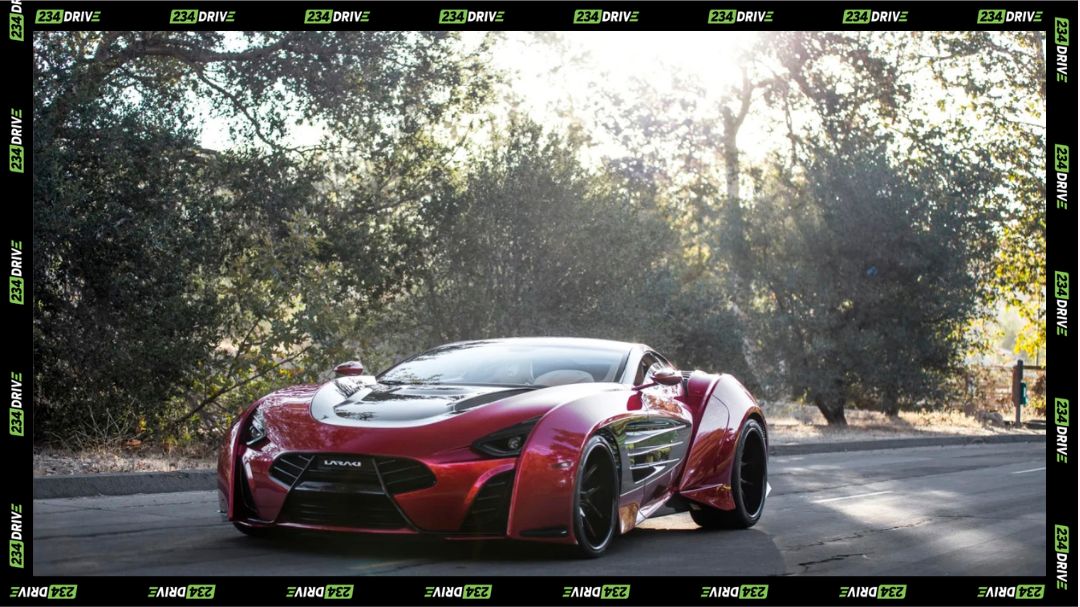
The commercial execution of the Grace project signals a strategic shift for both Laraki and Moroccan manufacturing. By committing to local assembly in Casablanca and targeting a global export market, the company is attempting to establish the country as a credible niche EV hub. This move follows Laraki’s long-standing ambition, which began with his first sports go-kart built at age 11 in Casablanca and evolved into establishing Laraki Automobiles in 1999 to challenge stereotypes about African-made vehicles.
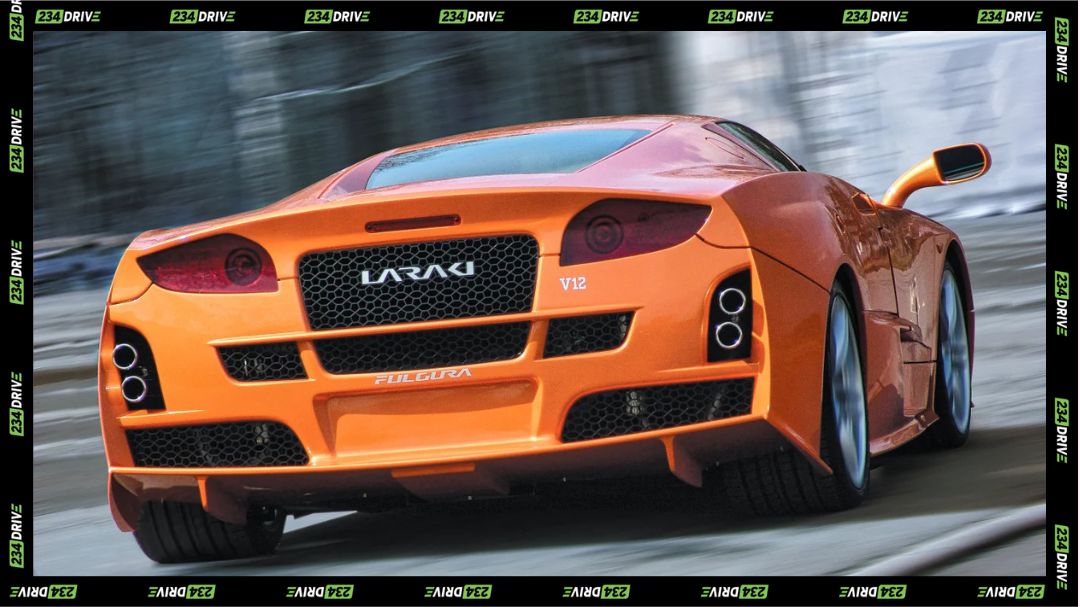
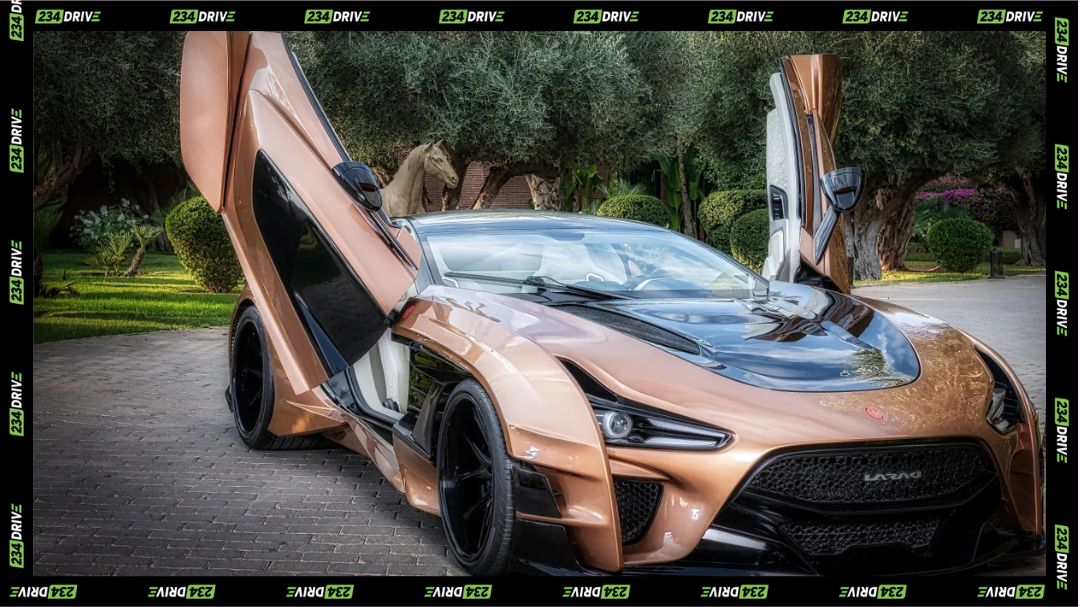
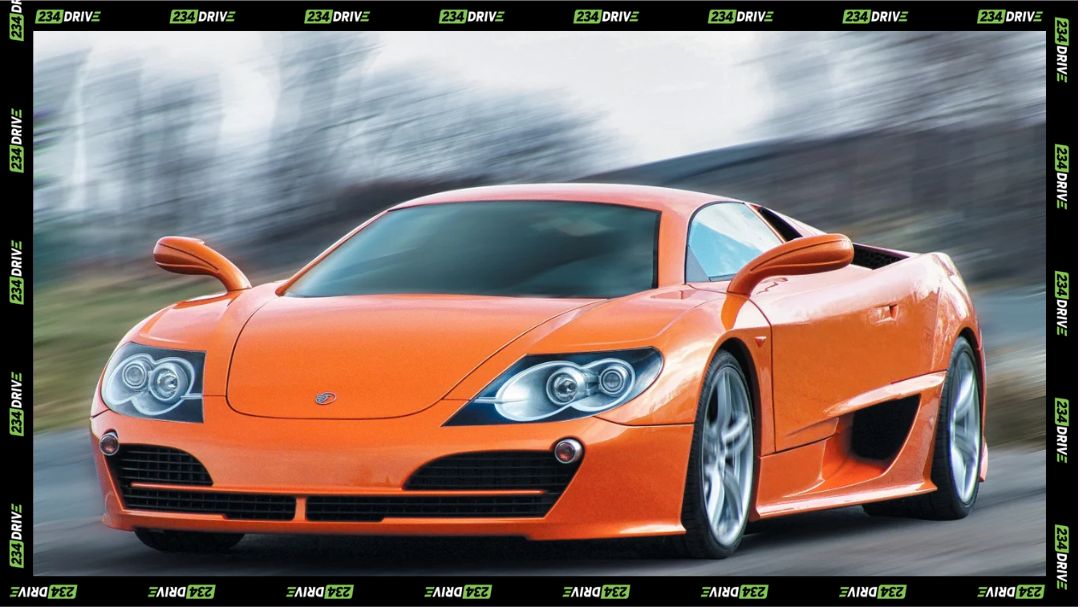
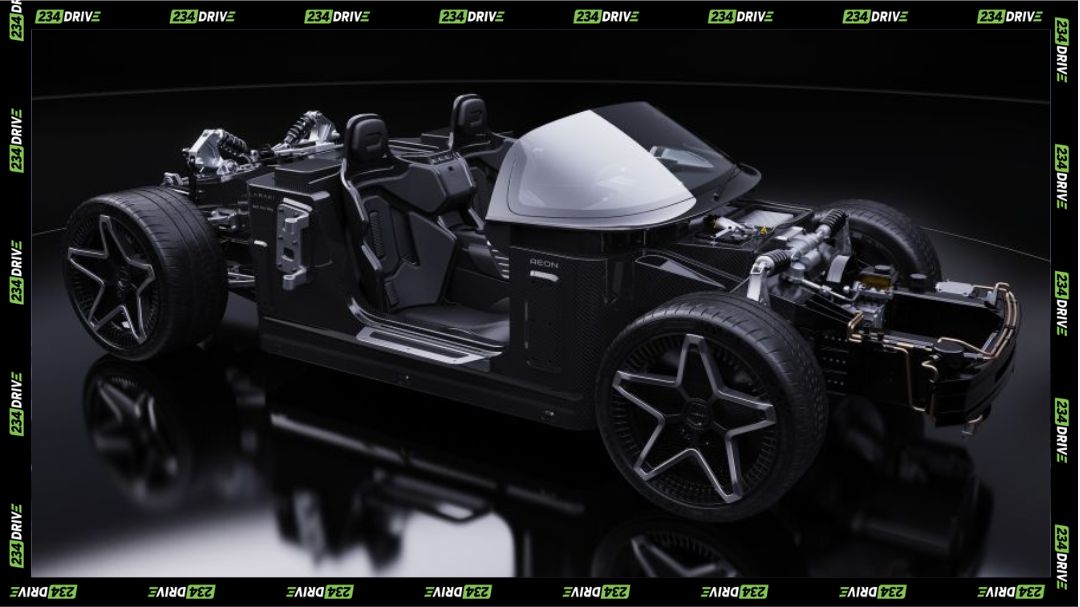
This new direction stands in stark contrast to the company’s powerful internal combustion heritage, providing crucial context for its track record. Laraki previously made headlines with the Fulgura in 2002—hailed as Africa’s first supercar—and later with the Borac concept and the Epitome, the latter boasting up to 1,750 horsepower and a price tag exceeding $2 million. This history of high-end, high-power combustion engineering proves Laraki’s capability to compete with European and American hypercar rivals. The pivot to the design-and-dynamics-focused Grace, alongside the planned higher-speed AEON-1 EV (targeting 354 km/h), demonstrates an adaptive strategy for even more ambitious projects, securing Laraki’s long-term positioning amid the global sustainability trend.
Ultimately, the Laraki Grace is more than a car; it is a profound testament to African ingenuity and resilience. Abdeslam Laraki’s journey, which includes overcoming challenges like the 2008 financial crisis and receiving the Order of Muhammad, acts as a powerful source of national pride. However, while the Grace proves that exclusive, high-tech automotive dreams can be realised in Casablanca, the ongoing task of scaling high-quality African manufacturing remains the defining, open-ended challenge that will determine the project’s true global impact.