
NETA Auto, a prominent subsidiary of the Chinese manufacturer Hozon Auto, has strategically positioned itself as a pioneer in Kenya’s burgeoning electric vehicle (EV) sector. Since its official entry into the Kenyan market in mid-2024, the brand has focused on delivering affordable, tech-forward mobility solutions specifically tailored to emerging markets. By establishing Nairobi as its regional headquarters and launching a flagship showroom in June 2024, NETA has signalled its long-term commitment to the East African region. The brand’s public image is built on accessibility and sustainability, catering primarily to the digital hailing and urban commuting segments where operating costs are a critical factor.
The introduction of NETA in Kenya represents a broader shift towards green technology, supported by partnerships with local distributors like MojaEV Africa. NETA’s reputation is defined by its practical approach to EV ownership, offering right-hand drive models that integrate seamlessly into the local infrastructure. With a focus on high-utility models like the NETA V, the manufacturer has successfully appealed to both individual buyers and commercial taxi fleets. This move aligns with Kenya’s national goals to reduce carbon emissions and decrease reliance on imported fossil fuels, making NETA a significant player in the country’s modern automotive evolution.
The NETA V: A Compact SUV for the Urban Jungle
The NETA V features a contemporary, minimalist exterior design that prioritises aerodynamic efficiency and urban manoeuvrability. Its compact SUV silhouette is characterised by clean lines, a closed-off front grille typical of modern EVs, and sharp LED daytime running lights that provide a distinct road presence. The vehicle’s dimensions are perfectly suited for navigating the congested streets of Nairobi, offering the elevated seating position of an SUV while maintaining a footprint small enough for easy parking and lane filtering in heavy traffic.
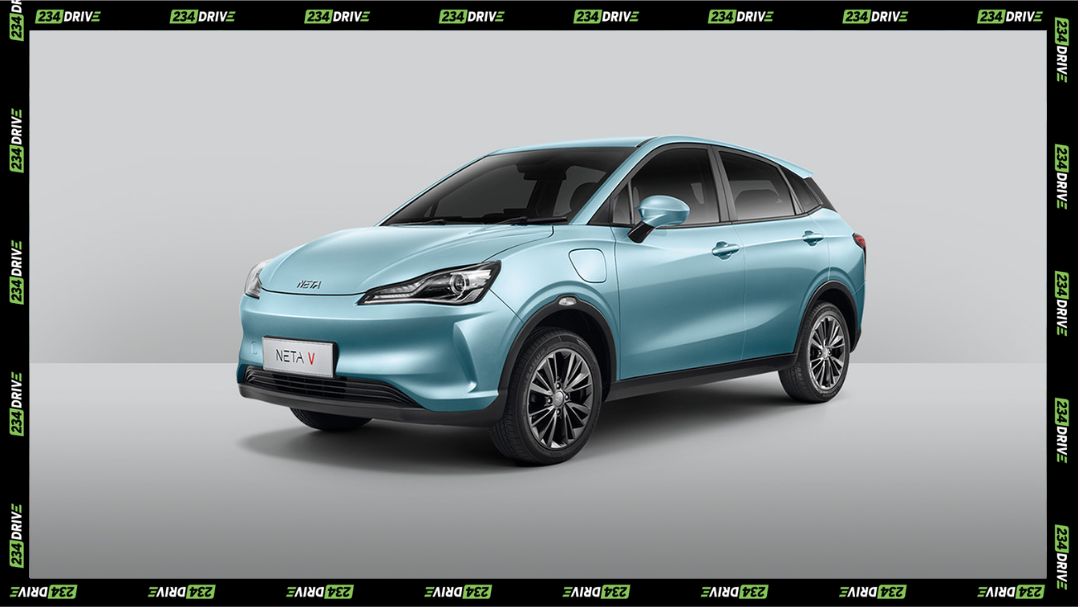
Inside, the NETA V offers a surprisingly spacious cabin designed for five passengers, centred around a 14.6-inch tablet-style touchscreen that controls most vehicle functions. The interior is focused on comfort and tech-integration, featuring smartphone connectivity and a quiet driving environment due to the absence of an internal combustion engine. Performance is delivered by a 70 kW motor producing 95 PS and 150 Nm of torque, powered by a 40.7 kWh Lithium Iron Phosphate (LFP) battery. This setup provides a range of up to 401 km (CLTC), making it ideal for daily urban use, with the added benefit of DC fast charging that can replenish the battery from 30% to 80% in approximately 30 minutes. Currently, the Neta V price in Kenya ranges between KES 3.9 million and 4.6 million.
Upcoming Additions: NETA AYA and NETA X
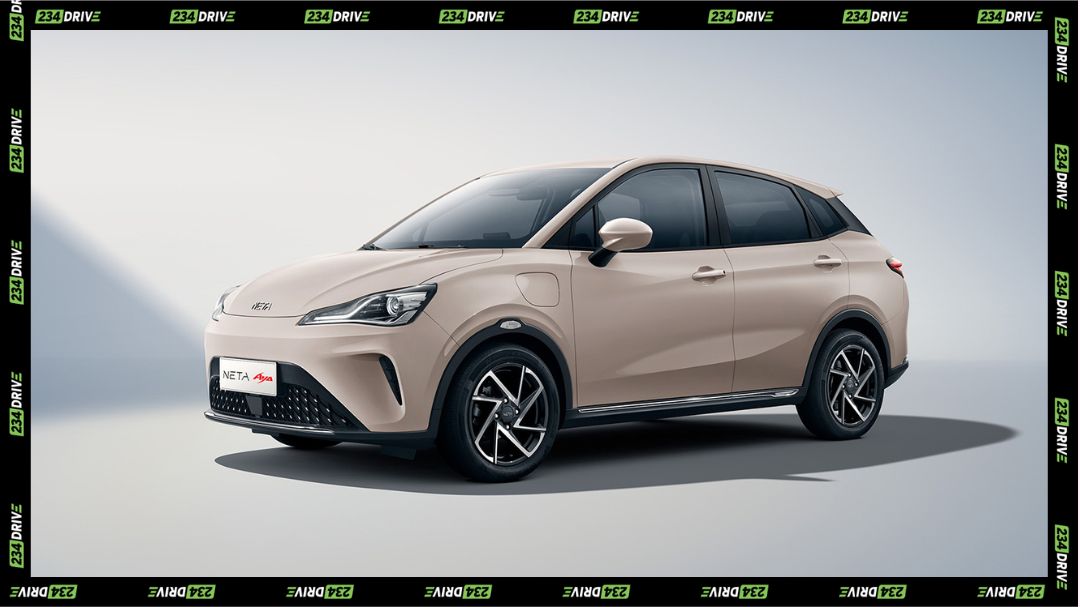
While the NETA V is currently the flagship, the upcoming NETA AYA is set to introduce a more compact hatchback aesthetic to the local lineup. The AYA’s design is an evolution of the small EV concept, featuring updated styling cues and a more youthful appearance intended to capture the entry-level market. Its exterior is expected to be vibrant and functional, maintaining the brand’s focus on high-visibility lighting and efficient airflow. This model will likely serve as a more affordable alternative for those who require zero-emissions transport without the larger SUV-lite proportions of the NETA V.
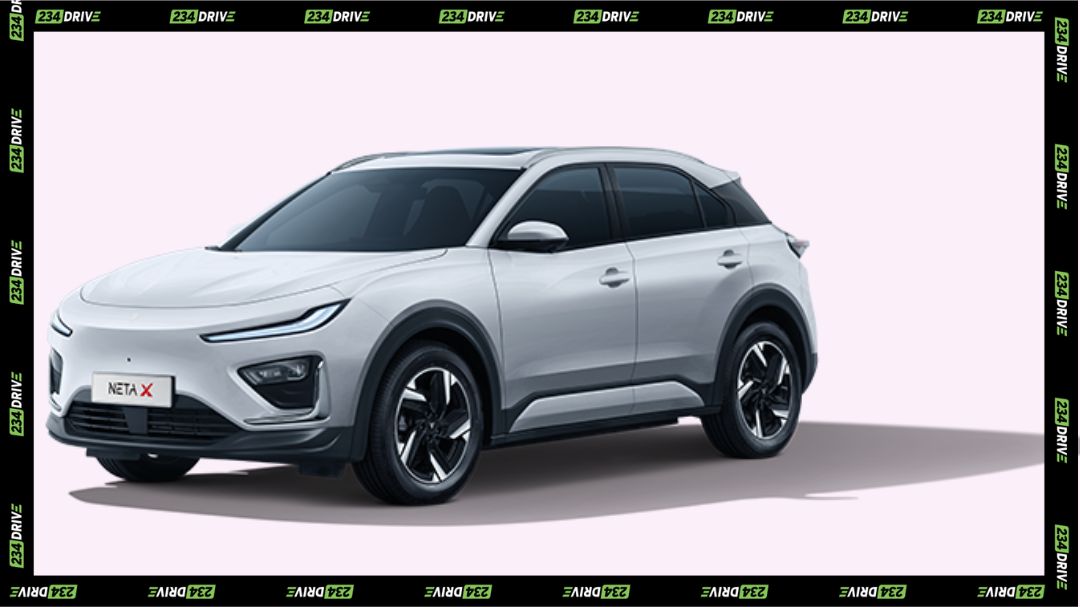
In contrast, the NETA X will cater to the mid-size crossover segment, offering a more premium road presence with a bolder front fascia and increased ground clearance. The interior of the NETA X is expected to feature upgraded materials and advanced driver assistance systems (ADAS), providing a more sophisticated driving experience for families and executive commuters. With a focus on enhanced performance and a more robust chassis, the NETA X aims to bridge the gap between urban efficiency and occasional long-distance travel, providing a versatile option for those navigating Kenya’s diverse road network.
Suitability for the Kenyan Driving Environment
The adoption of NETA vehicles in Kenya is heavily influenced by the local driving environment and the economic realities of urban transport. In cities like Nairobi and Mombasa, where traffic congestion leads to high fuel consumption for traditional petrol vehicles, the NETA V’s electric drivetrain offers a significant advantage. The LFP battery technology used by NETA is particularly suited to Kenya’s climate, as these batteries are known for their thermal stability and longevity in warmer conditions. Furthermore, the compact SUV design provides sufficient ground clearance to handle the occasionally uneven road surfaces found in suburban areas, making it a practical choice for everyday use.
From a lifestyle perspective, the NETA collection addresses the growing need for cost-predictability among taxi operators and private owners. To facilitate this, MojaEV has recently launched 100 NETA V units specifically for the digital hailing market. With the cost of a full charge estimated at approximately KES 1,260—significantly lower than a full tank of petrol—the economic incentive for switching to NETA is clear. The vehicle’s prestige is tied to its role as a “smart” and “clean” choice, appealing to a tech-savvy generation of drivers. However, the ownership experience is currently shaped by the developing charging infrastructure; while MojaEV is expanding its network, owners must still plan their routes carefully.
Competitive Comparison and Market Positioning
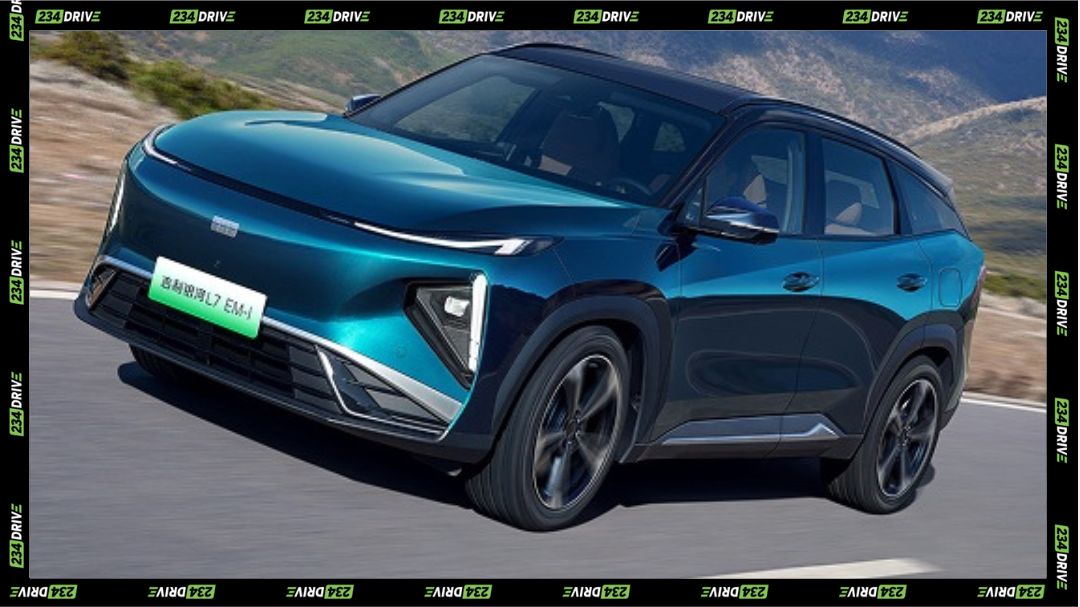
When compared to its segment rivals, the NETA V holds a unique position focused on the balance between initial purchase price and long-term durability. In the Kenyan market, its primary competition will come from upcoming models like the Geely Galaxy L7] and the Leapmotor C10. While rivals may offer higher peak performance or more luxurious interiors, the NETA V’s price point makes it more accessible for fleet operators. To further lower barriers to entry, GreenMax and MojaEV recently introduced a groundbreaking financing pilot aimed at helping taxi drivers transition to electric mobility.
Regarding resale value and durability, NETA’s strategy of local assembly is a significant advantage. The brand’s decision to establish an assembly plant in Kenya ensures that vehicles enjoy better support networks and perceived reliability compared to niche imports. While the resale market for EVs in Kenya is still in its infancy, the backing of a dedicated distributor like MojaEV helps mitigate concerns over battery life and technical obsolescence. Against traditional petrol rivals in the same price bracket, the NETA V offers lower running costs potentially increasing driver earnings by 20-30% though it faces a steeper initial depreciation curve until the public charging network becomes more robust.
Conclusion
NETA Auto’s entry into the Kenyan market is a landmark moment for East African mobility. By combining affordable pricing, local assembly and a clear focus on the high-demand taxi sector, the brand has created a viable blueprint for EV adoption in the region. The NETA V, with its impressive range and modern features, serves as a practical ambassador for the transition away from fossil fuels. While challenges such as charging infrastructure and high upfront costs remain, the strategic partnerships with financial institutions and local manufacturers suggest a sustainable path forward.
The NETA collection is not just a group of cars; it is a statement of intent for a cleaner, more efficient Kenyan transport system. As the lineup expands to include the AYA and NETA X, consumers will have even more choices to suit their specific lifestyle needs.
Do you think Kenya’s infrastructure is ready for the mass adoption of EVs like the NETA V, or are there still too many hurdles to overcome?