
Image Source: Daily Trust
Almost no one likes to see a business fall apart. Alerzo, once a fast-growing B2B commerce platform serving thousands of small retailers in Southwest Nigeria, is now selling off its buses, motorcycles, and company vehicles as Moniepoint Microfinance Bank moves to recover ₦4.38 billion. A Federal High Court in Lagos has frozen the company’s assets after it defaulted on a ₦5 billion loan taken in January 2025 for working capital.
How Alerzo Found Itself In The Debt Problem
In early 2025, Alerzo secured a ₦5 billion loan from Moniepoint with an 18-month repayment plan. The money was meant to stabilize operations and support growth. But within months, repayments stalled.
By November 2025, Moniepoint formally demanded payment. By December, ₦4.38 billion remained unpaid, and interest kept adding up. The lender went to court, and a Federal High Court in Lagos froze Alerzo’s accounts and assets. That court order effectively locked the company out of its own resources.
Alerzo built its name by supplying goods directly to small neighbourhood shops. It promised better prices, faster delivery, and fewer middlemen. The company raised about $20 million in funding and expanded across Lagos, Oyo, Ogun, and other southwestern states. It hired hundreds of staff and invested heavily in warehouses, buses, dispatch bikes, drivers, and fuel.
Growth of that size came at a cost, as logistics in Nigeria is expensive—more unpredictable than pricey. Fuel prices fluctuate. Vehicle maintenance adds up, all piling up on margins in B2B trade that are already slim. By 2023, cracks began to show. The company laid off staff as operating costs kept rising. It was spending heavily just to maintain market share.
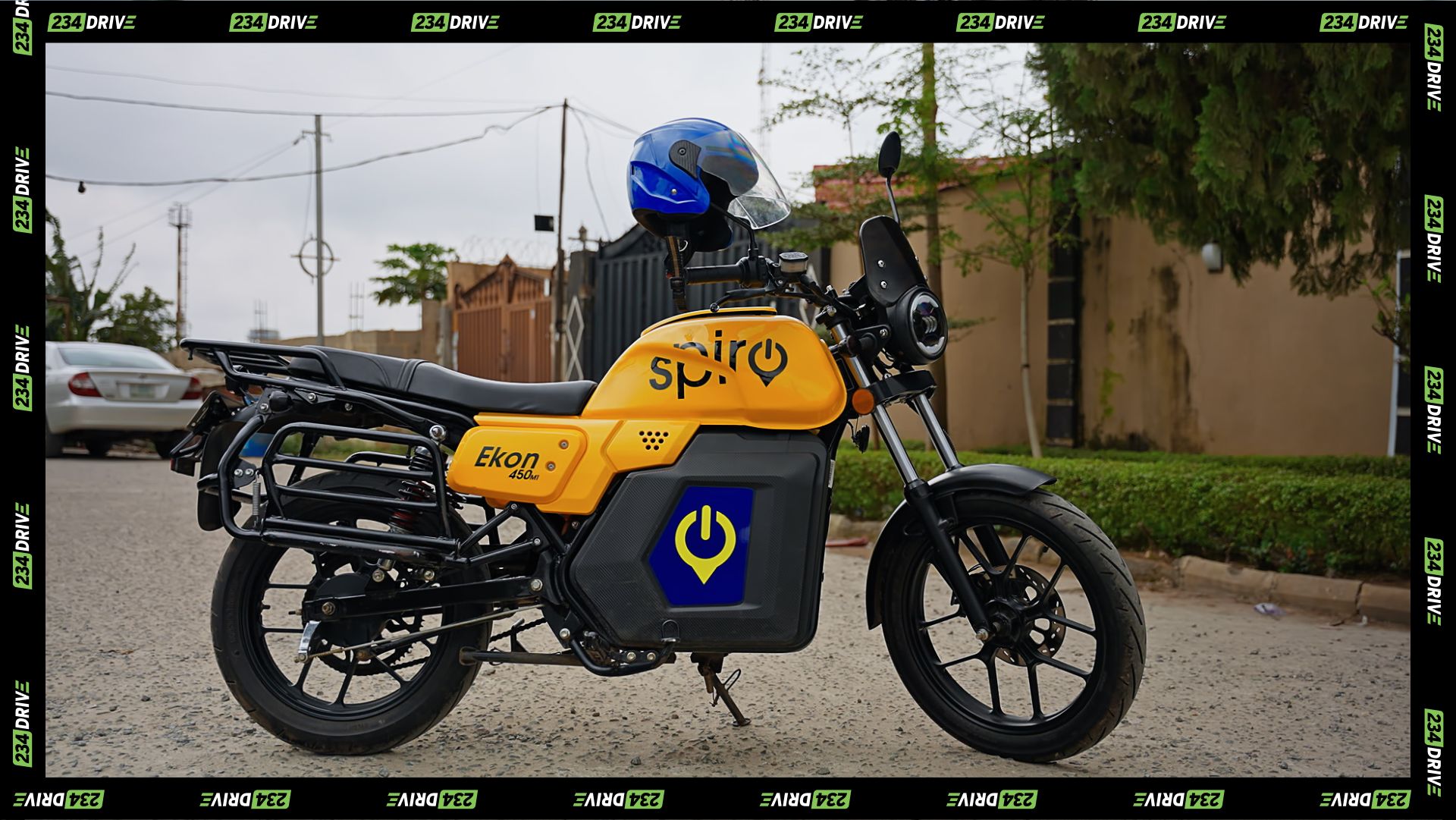
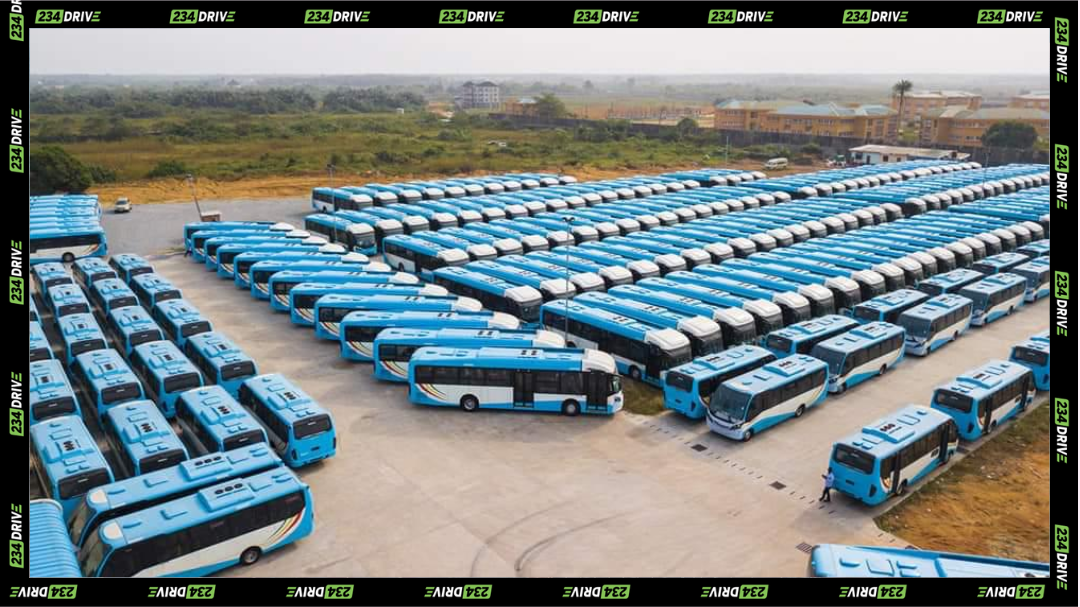
When funding became tighter across the tech ecosystem, survival became harder. Now, Alerzo has started selling the vehicles that powered its delivery network in a bid to raise cash. The buses and bikes were not side assets; they were the backbone of Alerzo’s delivery model. Selling them suggests the company may not be planning to continue operations in its current form.
Other Logistics-Heavy Startups Face Similar Pressure
This is not just one company’s problem. It fits into a bigger shift happening across the startup space.
Between 2020 and 2022, funding was flowing. Investors were writing big cheques, and startups expanded quickly—hiring fast, entering new markets, and building heavy operations. Today, the mood is different. Money is tighter, investors are more cautious, and businesses are being judged on profits, not just growth. When margins are already small, that pressure shows quickly.
In Kenya, climate-focused startup Koko also shut down after battling a reported $60 million debt crisis. The story follows a familiar path: scale up aggressively, spend heavily on infrastructure, then run into trouble when funding slows and costs stay high.
Operating in Africa adds another layer of difficulty. Transport is expensive. Roads and supply chains are not always reliable. Currency swings and Inflation raises daily operating costs along with product prices. All of this makes scaling a logistics-heavy business more expensive than early projections often suggest.
That said, a shutdown is not always the final chapter. Companies sometimes restructure, bring in new investors, sell assets, or shrink operations to survive. The road back is never easy, but it is not impossible. For now, many are watching to see whether Alerzo can reset and find a way forward.