
The Nigerian government, through the Presidential Initiative on Compressed Natural Gas (PiCNG), took a decisive leap in its clean energy transition for public transport on 12th December 2025. The official flag-off of the Electric Mobility (E-Mobility) Programme in Abuja featured the rollout of over 40 electric buses. This core announcement, presided over by PiCNG Executive Chairman Barr. Ismaeel Ahmed, set a clear objective: to drastically reduce transportation costs—potentially by up to 40%—while cutting national emissions and fostering significant employment opportunities across the country.
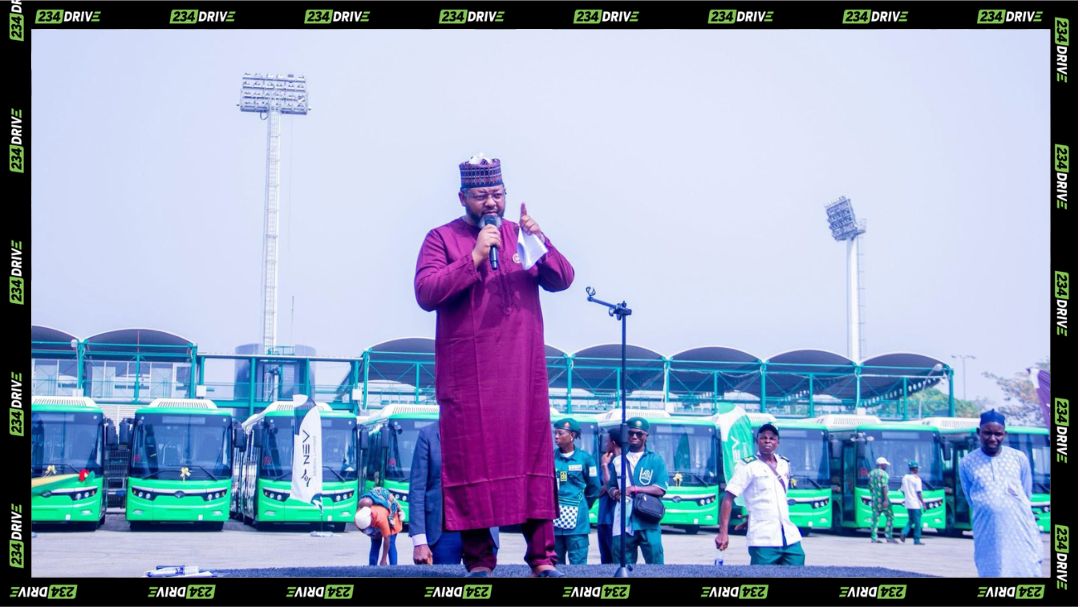
The vehicles themselves, supplied by partners such as Nev.electric, are designed specifically for immediate public use, offering an eco-friendly option for millions of commuters. Crucially, the initiative’s viability for large-scale use is ensured through strategic infrastructure planning. Charging stations will be powered by a hybrid approach utilising both Compressed Natural Gas (CNG) generators and solar arrays, mitigating the national challenge of grid reliability and ensuring operational uptime as the fleet scales. This is a foundational element positioning the buses for wide-scale deployment in selected states.
The roles in this strategic pivot are clearly delineated: PiCNG, operating under President Bola Ahmed Tinubu’s mandate, provides the policy and managerial oversight; partners like Nev.electric fulfil the supply and technological requirements; and local operators are entrusted with managing the services directly for public use. This move signals a profound business and strategy shift for Nigeria, moving beyond simply offering post-fuel-subsidy relief. It represents Pi-CNG 2.0, an integrated, multi-energy approach that uses both CNG and Electric Vehicles (EVs) to aggressively diversify the national energy mix and secure long-term mobility competitiveness.
The launch, however, was framed by the bold claim that this deployment instantly made Nigeria home to Africa’s largest electric vehicle fleet. This assertion, while highlighting the ambition of the government-backed initiative, struggles against existing market realities and execution details elsewhere on the continent. The pace of expansion in competitor markets demonstrates a more established trajectory. For example, Ethiopia has pushed rapidly ahead, expanding its new energy bus operations to a total of around 900 vehicles delivered or on order by 2025 through a combination of imports and local assembly.
The execution details of South African operators also set a high bar for comparison. Golden Arrow Bus Services (GABS) in Cape Town, for instance, is well into a phased rollout and is set to operate 120 BYD electric buses, having already had 77 on the road by September 2025, using specific charging infrastructure provided by companies like Autel Energy. Senegal’s Dakar BRT further illustrates the scale of infrastructure-led deployments, having recently incorporated 121 electric buses into its urban transit system. These examples show that while Nigeria’s programme is a significant starting point, its immediate claim to leadership in fleet size warrants context. This entire effort is part of a larger push toward a clean energy transition.
Nevertheless, PiCNG enters this space with a robust track record built on its CNG mandate. Prior milestones include securing over $2 billion in investment commitments, training more than 6,000 Nigerians, and activating 58 refuelling stations across 28 states. This existing credibility and infrastructure investment lend weight to the programme’s future phases. Moving forward, the focus will shift from the initial launch claim to continuous execution, with plans to commission Liquefied CNG (LCNG) stations and further scale the fleet. This marks the transition from policy announcement to fleet-scale, operational reality, raising the policy question of whether sustained public and private commitment can overcome infrastructural hurdles to firmly establish Nigeria’s leadership in this burgeoning market.