
The introduction of the Nissan NX8 electric crossover in China has sparked intense speculation about its potential role in reviving Nissan’s fortunes in the United States. Developed through Nissan’s Dongfeng joint venture, this mid-to-large SUV is arguably the most technologically current vehicle Nissan has produced in years, featuring an advanced 800-volt architecture and cutting-edge driver-assistance systems. While Nissan’s US lineup continues to face challenges from aging models and the modest sales performance of the Ariya EV, the NX8 possesses the size, technology, and dual-powertrain flexibility—offering both pure-electric (BEV) and extended-range (EREV) options—that analysts believe is necessary for a successful modern launch in the US.
Currently exclusive to the Chinese market with a debut slated for the first half of 2026, the NX8 addresses the key pain points of the American family crossover segment: range anxiety and cabin space. It is designed to attract suburban parents moving away from gas-powered SUVs, emphasising superior interior volume, state-of-the-art connectivity, and revolutionary fast-charging capabilities. For Nissan’s North American division, the model represents the best chance to introduce a truly competitive, high-specification electric crossover that could save Nissan, but only if the company can navigate the complex regulatory and manufacturing hurdles of bringing a China-developed product to US shores.
Exterior Design, Styling, and Road Presence
The NX8 signals a decisive break from Nissan’s typically conservative design ethos, adopting a sleek, futuristic aesthetic that is essential for competing in the style-conscious US EV segment. At 4,870 mm (191.7 inches) long with a substantial 2,917 mm (114.8 inches) wheelbase, the vehicle is physically imposing, positioning it dimensionally between the Rogue and the larger Pathfinder. This generous wheelbase is critical, promising best-in-class passenger volume and giving the crossover a confident, premium silhouette that commands strong road presence.
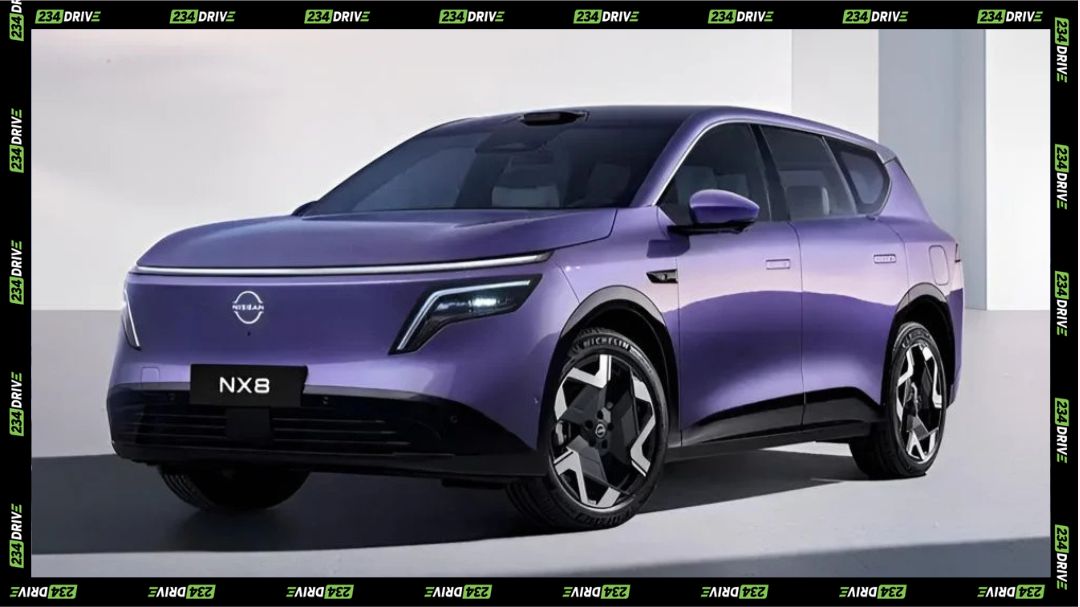
Styling elements are focused on minimising drag and maximising visual modernity. The front features a closed, illuminated grille area and sophisticated, black light bars that underscore its electric identity. The profile is clean, enhanced by frameless doors and pop-out flush door handles—premium touches typically reserved for more expensive European models. Available with large 19-inch or 20-inch alloy wheels, the NX8’s exterior is a calculated blend of utility and elegance, ensuring it looks both practical and aspirationally high-tech to American consumers.
Interior Comfort, Technology, and Performance
The NX8 leverages its expansive dimensions to deliver an interior cabin optimised for five-seat family comfort and advanced digital integration. The extended wheelbase translates directly into vast legroom for all occupants, making it highly suitable for long drives and multi-passenger use, a primary requirement for US family vehicles. The interior design is anticipated to follow the N-series template, featuring soft-touch materials and high-quality trim to elevate the experience above mainstream rivals.

In terms of technology, the cockpit is centralised around a large, responsive touchscreen interface, though the Chinese-market HarmonyOS software would need to be completely localised and adapted for US consumer expectations (e.g., robust Apple CarPlay and Android Auto integration). Crucially, the NX8 incorporates advanced AI-assisted driving features, underpinned by a roof-mounted LiDAR unit and sensor array. This hardware enables Navigate on Autopilot (NOA) for seamless semi-autonomous highway and urban assistance, alongside full-scenario intelligent parking—systems that directly challenge the ADAS offerings from Tesla and other major US players.
Powertrain Architecture, Range, and Charging Capability
The NX8 offers two powertrain configurations, providing strategic flexibility vital for the North American market: the pure-electric (BEV) and the Extended-Range Electric Vehicle (EREV). The BEV features a single rear-mounted electric motor with outputs of 215 kW (288 horsepower) or 250 kW (335 horsepower). The EREV, which is essentially a plug-in vehicle with massive electric range, pairs a 1.5-litre turbocharged engine (145 hp) that acts as a generator, with a powerful 195 kW (260 hp) electric drive motor.
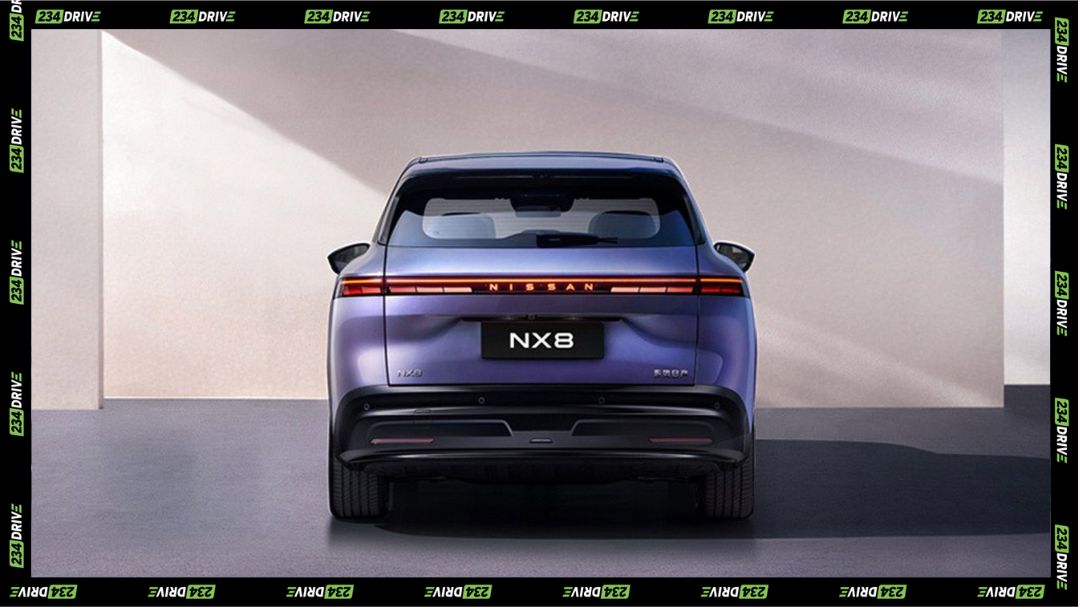
Range figures, while currently rated under the optimistic Chinese CLTC cycle, are highly promising. The EREV electric-only range of 63–115 miles is exceptional, far exceeding most current US plug-in hybrids and addressing local range anxiety concerns immediately. While the BEV range of 400–500 km (CLTC) would translate to an estimated 200–300 miles of real-world EPA range—competitive, but not class-leading—the vehicle’s primary charging advantage is its state-of-the-art 800-volt high-voltage platform. This architecture enables 5C ultra-fast charging, capable of replenishing the battery from 10 percent to 80 percent in under 15 minutes. This speed drastically reduces travel downtime and would instantly make the NX8 one of the fastest-charging mass-market vehicles available in the US.
Strategic Fit: NX8’s Potential and Hurdles in the US Market
For the US market, the NX8 represents a potential “game changer” by fulfilling several unaddressed consumer demands, but it faces significant headwinds. Its potential strengths lie in its segment size, its EREV option, and its technology:
- Segment Hit: Mid-size crossovers (like the Rogue and Pathfinder) are Nissan’s volume segment in the US. The NX8 fits this exact sweet spot but brings modern EV design. Furthermore, its size potential is confirmed, as this new NX8 SUV Outsizes The Rogue and is pitched as an electric alternative to the Pathfinder.
- EREV Differentiator: The EREV variant’s extensive electric-only range (over 60 miles) provides the ideal transition vehicle for consumers hesitant to go fully electric, offering emissions-free commuting coupled with ultimate gasoline range assurance.
However, the hurdles are substantial. First, Nissan must navigate the complex geopolitical and economic realities of importing a China-built vehicle, including potential high tariffs and consumer preference for local production. Second, the vehicle’s tech suite—particularly the infotainment system (HarmonyOS)—must be completely reskinned and validated for US safety and connectivity standards. Finally, Nissan would need to ensure the 800V system is compatible with the growing US charging network, which would likely require integrating a native North American Charging Standard (NACS) port or providing a reliable, high-speed adapter solution. Without localising production or components, the NX8 would not qualify for federal EV tax credits, severely limiting its cost competitiveness.
Competition, Pricing, and Market Strategy
In the US electric crossover segment, the NX8 would face intense competition from market leaders and established rivals. Its primary competitors would include the Tesla Model Y, the Ford Mustang Mach-E, the Hyundai IONIQ 5, and the Kia EV6.
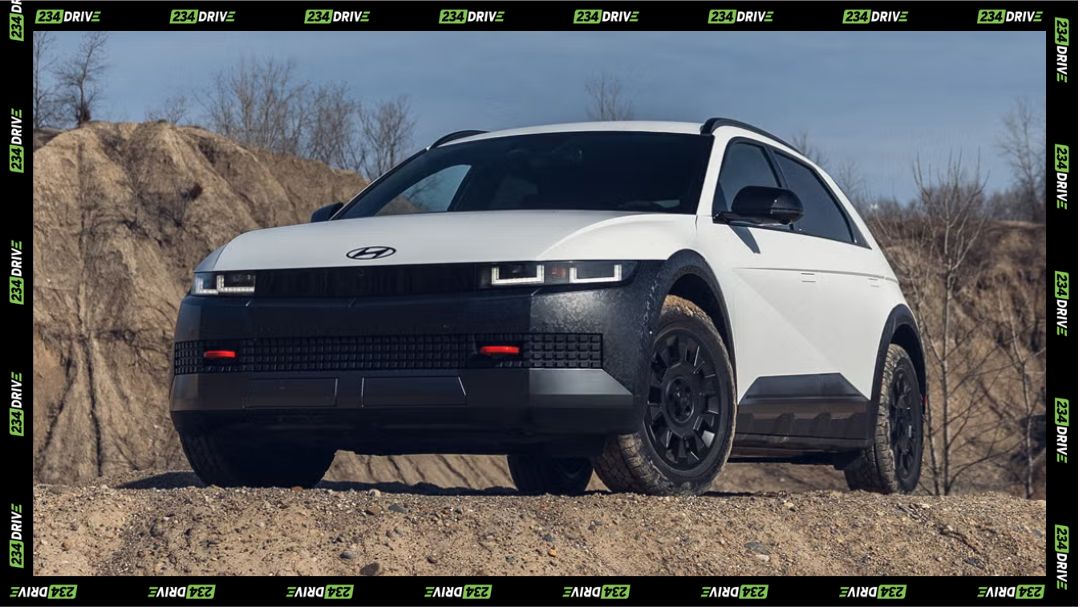
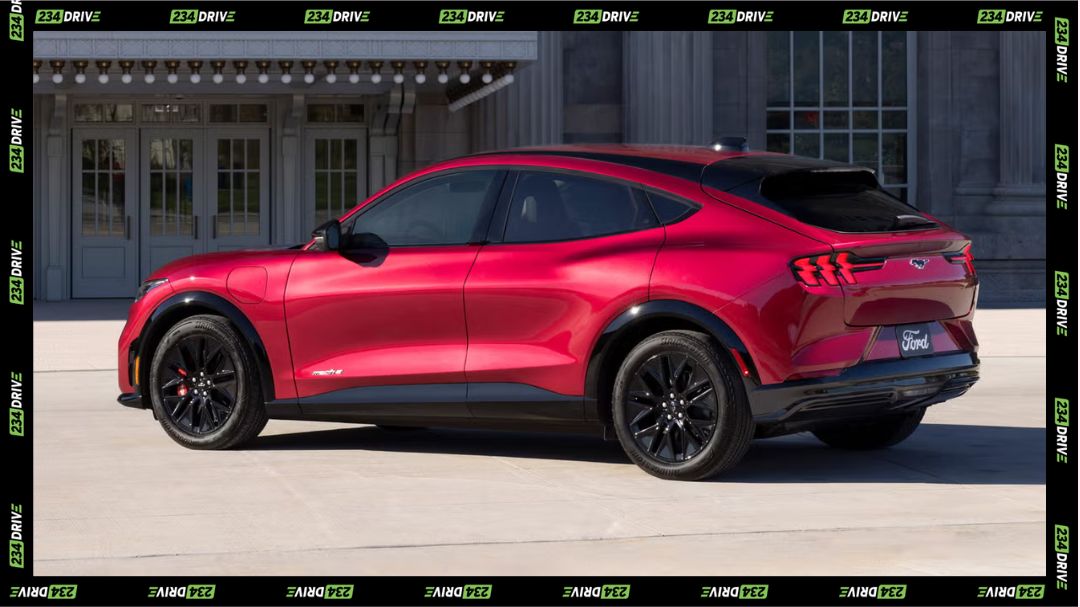
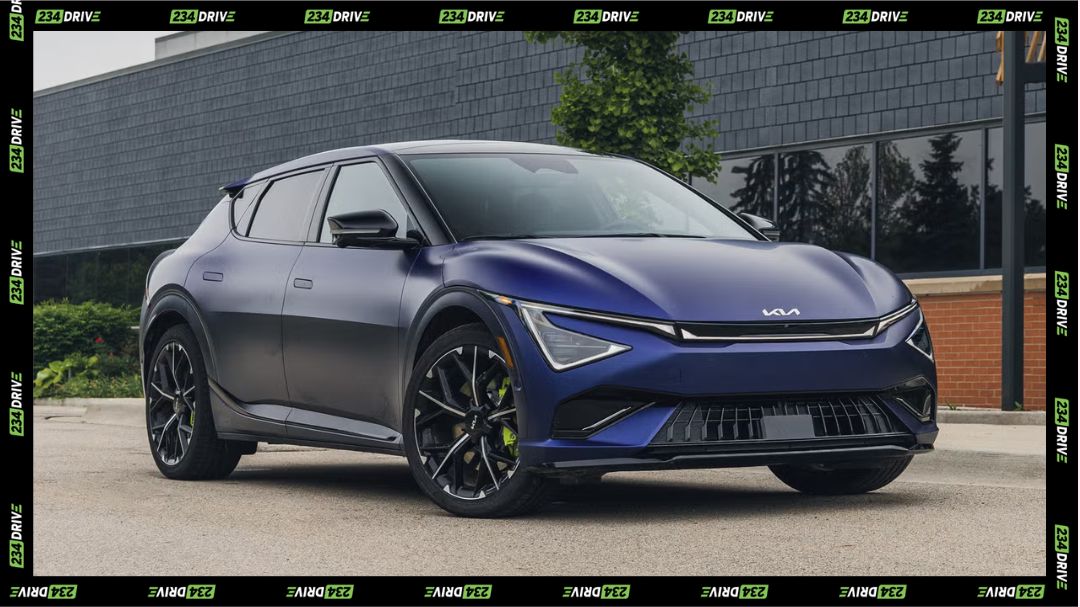
The NX8’s 800V platform and superior EREV range give it a clear technological edge over many established rivals (most of which use 400V architecture). While the Model Y dominates the market with its brand strength and infrastructure, the NX8’s ultra-fast charging capability—comparable to the IONIQ 5/EV6—would be a major selling point. The EREV model directly competes with extended-range hybrids like the Toyota RAV4 Prime, but with significantly more electric-only mileage and a larger physical footprint. Nissan’s challenge lies in translating its Chinese domestic pricing—where similar N-series sedans start aggressively low at around $17,000—into a viable US price point. To compete with the Model Y’s aggressive pricing (which typically starts in the high $30,000s to low $40,000s), the NX8 would need to target a similar range, which is difficult given the assumed tariffs and import costs for a China-made model. Nissan’s market strategy would have to emphasise the “next-generation” tech, superior interior space, and the peace of mind offered by the EREV version.
Conclusion
The Nissan NX8 is a compelling technical statement, demonstrating that the manufacturer has the capability to produce a truly cutting-edge, desirable electric crossover. With its large size, innovative EREV option, and market-leading 800V charging, the NX8 has the specifications needed to shake up the competitive US family EV segment and inject much-needed vitality into the Nissan brand. However, until Nissan commits to US import, localisation, and pricing that overcomes the current manufacturing headwinds, this technologically advanced vehicle will remain a tantalising potential lifeline, rather than a proven success, in North America.
We welcome readers’ thoughts on whether the NX8’s ultra-fast charging speed and EREV range are enough to challenge the market dominance of Tesla and Ford, even if it were to face a price premium due to import restrictions. Let us know your perspective in the comments below.