
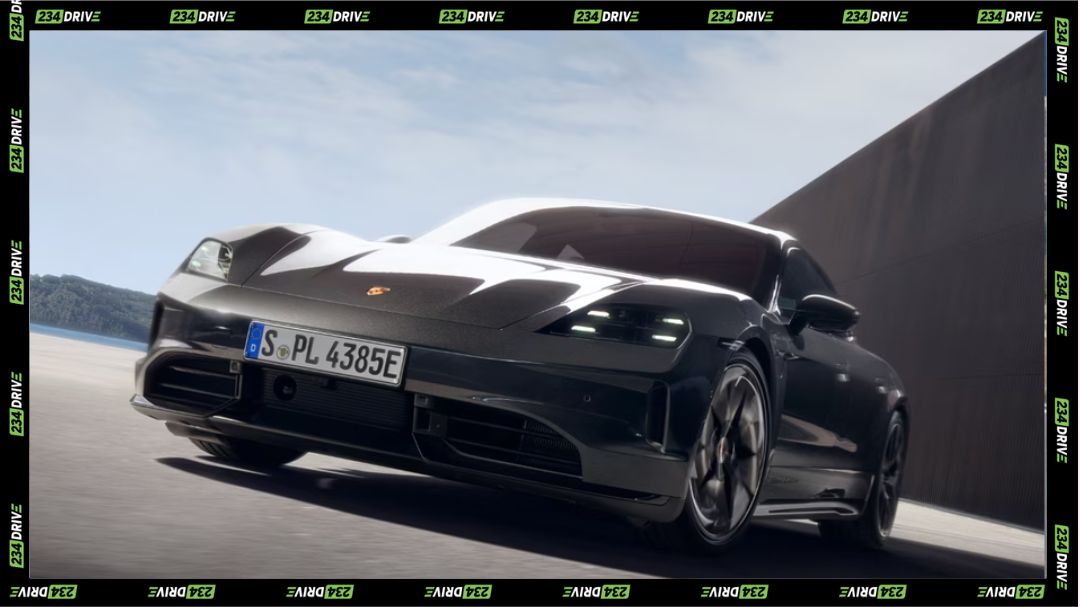
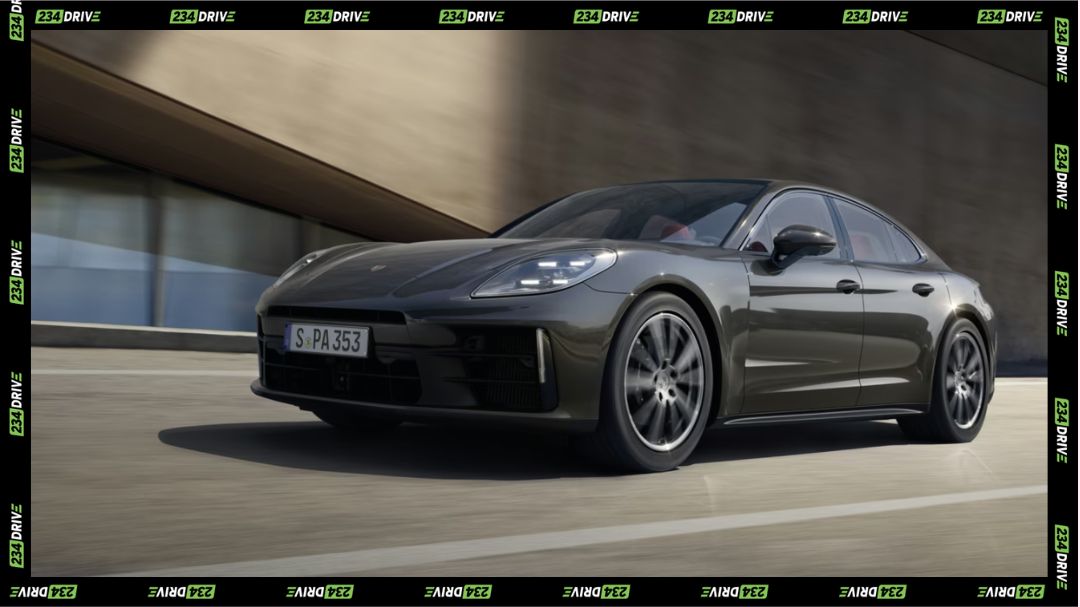
Porsche, the iconic German automaker synonymous with high-performance luxury, is reportedly exploring a significant consolidation of its sedan lineup: the merger of the all-electric Taycan and the combustion-powered Panamera into a single model family.
This ambitious move would create a unified offering featuring petrol, plug-in hybrid (PHEV), and fully electric (EV) variants under one nameplate. The proposal comes at a critical juncture as global EV sales slump and Porsche faces mounting financial pressures from high development costs and fluctuating sales in key markets. By unifying these two high-performance saloons, Porsche aims to streamline its operations, reducing the R&D duplication caused by maintaining two distinct platforms for similar vehicle categories.
The Panamera, introduced in 2009, currently serves as the brand’s flagship grand tourer, utilising the flexible MSB platform that supports internal combustion and hybrid systems. In contrast, the Taycan, launched in 2019, was built on the J1 800-volt EV-specific architecture. While the Taycan initially targeted eco-conscious performance enthusiasts, its sales have recently underperformed expectations. Under the leadership of new CEO Michael Leiters, industry reports suggest the proposed merger would adopt a “multi-energy” strategy. This approach allows buyers to select their preferred powertrain within the same body style—a tactic Porsche has already successfully implemented with the Macan and Cayenne.
Operationally, this shift represents a move toward modularity. While the petrol and hybrid variants would likely transition to the upcoming Premium Platform Combustion (PPC) architecture, the electric models would move to the next-generation SSP Sport platform. This co-developed Volkswagen Group architecture promises faster 350 kW charging, ranges exceeding 400 miles and the integration of advanced battery chemistries. By sharing interior components, aerodynamic designs and software-defined vehicle features across the entire line, Porsche can significantly lower its manufacturing overhead.
This strategy is a pragmatic response to a tough global market. Porsche reported a 10% decline in sales in 2025, driven largely by a downturn in the Chinese luxury segment. Consolidating the two models allows the company to hedge against uncertainty, ensuring it remains profitable even in regions where charging infrastructure lags. While Porsche remains committed to its target of 80% electrified sales by 2030, this merger provides the flexibility to cater to traditionalists and early EV adopters simultaneously without the cost of maintaining separate vehicle identities.
When compared to the broader industry, Porsche’s move mirrors trends seen at other premium manufacturers, such as Mercedes-Benz with its MMA platform. However, Porsche’s execution remains distinct due to its focus on preserving signature driving dynamics. Critics have noted that blending the weight distribution of internal combustion engines with heavy EV battery packs will require significant engineering finesse to ensure the “soul” of the brand remains intact. Despite these challenges, industry analysts view the potential merger as a savvy adaptation that prioritises profitability and long-term sustainability.
In terms of timeline, no immediate changes are expected, as the current Panamera is slated for a mid-cycle refresh in 2027. Full replacements for both model lines are not anticipated until after 2030, giving Porsche nearly half a decade to integrate part-sharing and perfect the “multi-energy” body style. This allows the company to move from the “hype” phase of separate EV launches into a more mature, fleet-scale operation where the powertrain is simply a choice within a cohesive luxury brand.
Ultimately, the next Taycan and Panamera could be one and the same in the near future. The potential “Taynamera” represents a calculated evolution for Porsche, addressing the practical realities of the current energy transition while pushing the boundaries of modular automotive design. As the company navigates this transition, the success of a unified model will likely depend on whether it can maintain the prestige of the Panamera nameplate while delivering the cutting-edge performance that Taycan owners have come to expect.
This move raises a defining question for the luxury segment: is the future of the high-end automobile defined by its powertrain, or by the brand experience that surrounds it?