
The dominance of the last era has been stripped back to bare metal, revealing a heritage-inspired future that signals the biggest technical reset Formula 1 has seen in a decade.
In a spectacle held at the restored Michigan Central Station on 15th January 2026, Oracle Red Bull Racing, alongside sister team Visa Cash App Racing Bulls (VCARB), officially unveiled the livery for the RB22. The venue itself was a statement of intent; a $740 million restoration project spearheaded by Ford saw 3.5 million gallons of water pumped from the basement and 29,000 Guastavino ceiling tiles painstakingly restored to host the dawn of the Red Bull Ford Powertrains era. The event, streamed live to millions via the team’s YouTube channel, reached a fever pitch when pilot Martin Sonka executed a dramatic aerial stunt, tearing the cover off the showcar with his plane to mark the team’s transition from customer to fully integrated manufacturer.
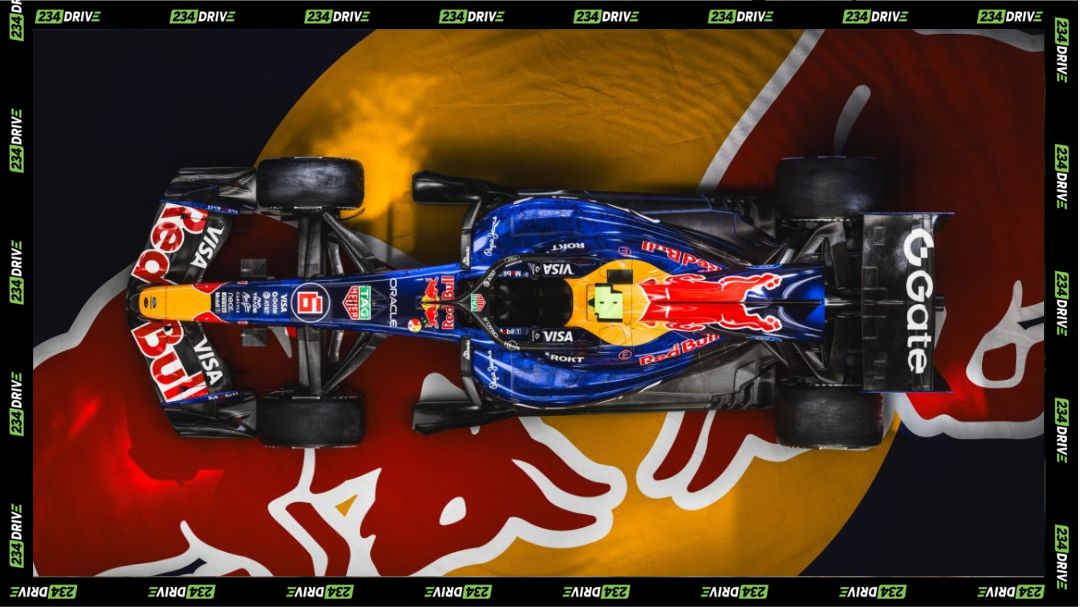
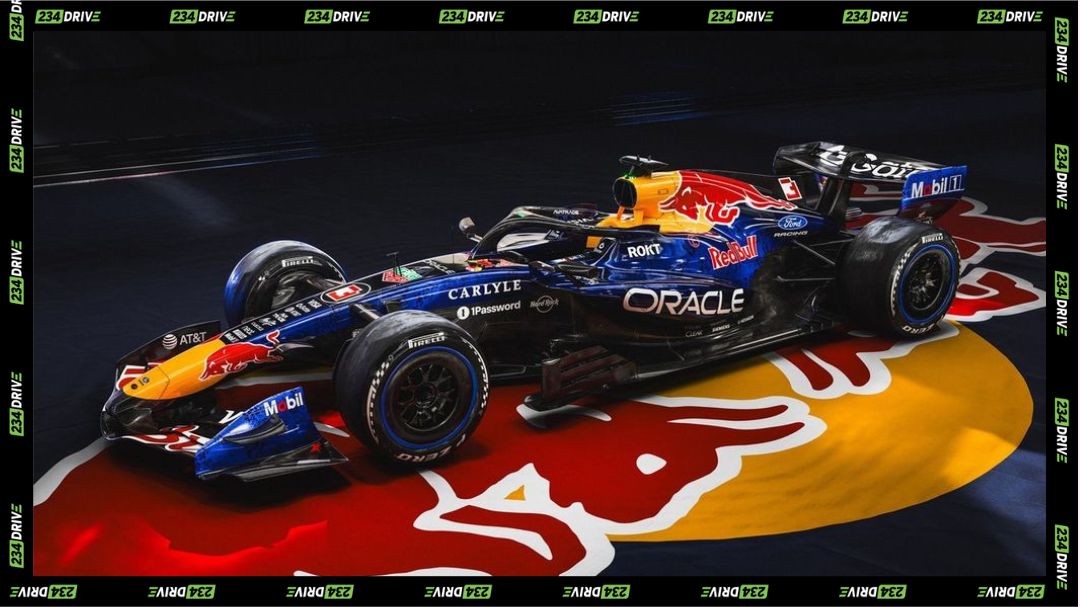
The RB22 showcar itself offers a striking visual departure from recent years, trading the matte finish for a weight-saving gloss and adopting a heritage white base that amplifies the iconic sun and bull logo. The livery incorporates a subtle jacquard pattern in a lighter blue, alongside vibrant accents that throw back to the team’s 2005 debut. In contrast, the VCARB machine featured only minor evolutionary tweaks, notably reducing the integration of Ford blue to distinguish it from the senior team. While the showcar kept proprietary aerodynamic secrets under wraps, its proportions hint at the new regulatory landscape: 30kg lighter and 10cm narrower than its predecessors, powered by a unit running on 100 per cent sustainable fuels.
The personnel structure for this new era is clearly defined. Four-time world champion Max Verstappen returns, sporting the number 3, alongside rookie talent Isack Hadjar in the number 6 car. The launch also saw the return of fan-favourite Daniel Ricciardo, now a Ford brand ambassador, who joined the drivers on stage to celebrate the American giant’s return to the pinnacle of motorsport after 22 years. Team Principal Laurent Mekies and Technical Director Pierre Wache steer the operational and engineering ship, while Ford’s Executive Chair Bill Ford declared they are “racing to win,” signalling a commercial and competitive intent to challenge historical rivals and fend off serious 2026 entrants like Audi on equal footing.
This launch represents a fundamental strategic pivot for Red Bull, effectively ending their reliance on Honda and positioning them as an independent power unit manufacturer. By bringing engine development in-house with Ford’s support, the team aims to eliminate the integration compromises often faced by customer teams. The partnership goes beyond branding; Ford is deeply integrated into the development process at the Milton Keynes campus, focusing on battery technology and the transfer of hybrid innovations to their road car fleet, aiming to replicate the success of the 2022-2023 ground effect era.
While the launch capitalised on the booming American market, the implications resonate deeply in South Africa, where momentum for a Grand Prix return is reaching a critical mass. Sports Minister Gayton McKenzie has been vocal about his mandate, stating “Formula 1 is coming by fire or by force,” and targeting a 2027 slot on the calendar. Red Bull has actively engaged this fanbase, from selling specific merchandise like Dynamic T-Shirts to hosting events like the David Coulthard demo run at Kyalami, keeping the flame alive for a local audience that has been starved of live F1 action since 1993.
The competition for an African slot is intensifying, with Rwanda developing a purpose-built track slated for completion by 2026, offering a direct challenge to South Africa’s historic Kyalami circuit. However, Kyalami’s path is clearer; the circuit requires between R83 million and R167 million in upgrades to meet FIA standards specifically regarding run-off areas and barriers. Unlike newer venues that must be built from scratch, Kyalami’s infrastructure is largely in place, though it relies on complex funding models involving private firms and brands like Heineken rather than direct government construction.
Red Bull’s pedigree remains undeniable, boasting six Constructors’ and seven Drivers’ titles since their inception in 2005. Despite a dip in form that saw them finish third in the 2025 championship, the team has historically excelled during regulatory resets. With the government formally approving the bid and establishing a Steering Committee, the administrative hurdles are being cleared one by one.
As the engines fire up for pre-season testing in Barcelona, the broader question remains whether Formula 1’s commercial expansion will finally bridge the gap to Africa. With Lewis Hamilton advocating for the continent’s return and betting markets reacting to the government’s approval of the Kyalami bid, the momentum is palpable. The 2026 season may be about a new car and engine for Red Bull, but for millions of fans, it serves as the final prelude to what could be the sport’s most significant geographic homecoming, answering decades of questions about African hosting history and future potential.