
Rivian’s “Model Y moment” has finally arrived, bringing a lighter, more affordable electric SUV that aims to turn adventure-ready DNA into mass-market dominance. On 12 March 2026, the California-based manufacturer officially pulled the curtain back on the full R2 lineup, revealing a mid-size five-seat vehicle that is significantly more accessible than its predecessors. With a starting price point of approximately $45,000 and a delivery timeline slated for the second quarter of 2026, the R2 represents a critical pivot for the brand as it transitions from a niche luxury player to a high-volume competitor in the global electric vehicle sector.
The core of the announcement centres on an entirely new platform that is nearly 900 kilograms lighter than the flagship R1 series. This weight reduction is achieved through a 2,936-millimetre wheelbase and a streamlined chassis design that maintains the rugged capability expected of the brand while prioritising efficiency. The lineup is tiered to capture various segments of the market, beginning with the $57,990 Performance Launch Package. This top-tier variant offers a dual-motor all-wheel-drive system delivering 656 horsepower and 609 lb-ft of torque, enabling a 0–60 mph sprint in just 3.6 seconds. For those prioritising range, the $48,490 Standard Long Range model, arriving in early 2027, promises up to 345 miles on a single charge.
Technically, the R2 is built around a high-density battery architecture using 4695 cylindrical cells, with long-range variants featuring an 87.9 kWh usable capacity. Rivian has adopted the North American Charging Standard (NACS) as native, allowing owners direct access to over 21,000 Tesla Superchargers without the need for an adapter. The vehicle supports rapid charging speeds that allow a 10% to 80% top-up in under 30 minutes, adding roughly 150 miles of range in just a quarter of an hour under optimal conditions. This charging infrastructure is paired with an advanced “Autonomy+” hardware suite, which includes 11 high-definition cameras and five radar sensors driven by a 200 TOPS edge AI computer.
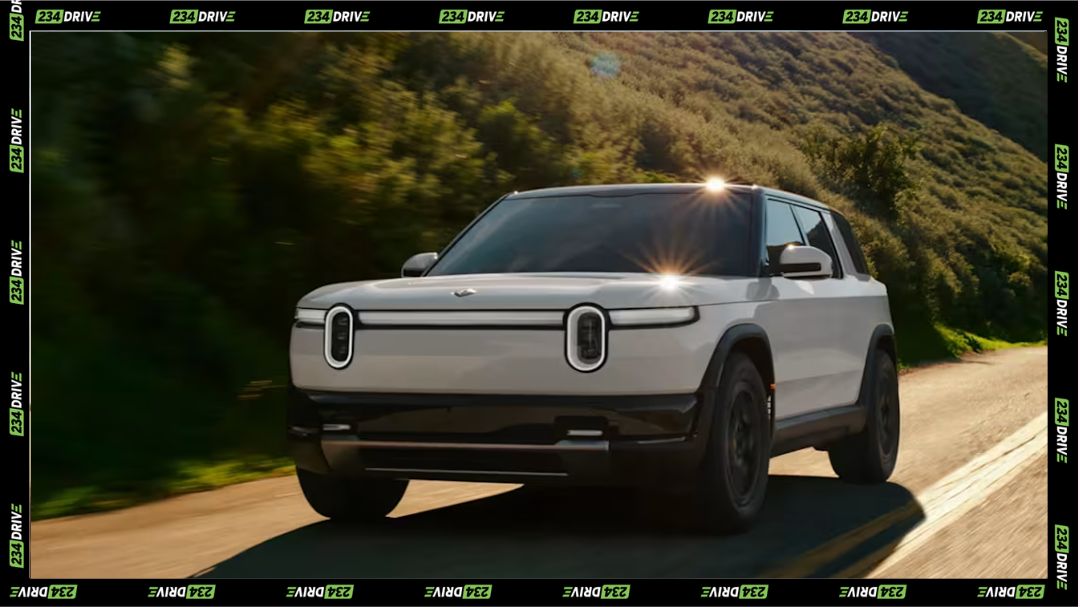
The production strategy for the R2 involves a phased rollout that maximises existing infrastructure before expanding to new facilities. The expanded plant in Normal, Illinois, handles the initial assembly, with a validated production line capable of producing 155,000 units annually. Looking further ahead, the company’s Georgia facility is scheduled to provide additional volume from 2028. In this ecosystem, the Illinois plant builds the core chassis and battery assemblies, the proprietary in-house motors power the drivetrain and the Rivian software stack manages everything from energy distribution to the “Gear Guard” security system.
This reveal signals a fundamental business shift for Rivian, moving away from the “hand-built” exclusivity of the R1 towards a highly automated, scalable manufacturing programme. By targeting the $45,000 to $58,000 price bracket, Rivian is securing its long-term positioning against established rivals. The move is designed to capitalise on the surging demand for compact electric SUVs, providing a more rugged alternative to the Tesla Model Y. While competitors often win on sheer efficiency and software maturity, the R2 leans into its “adventure soul,” offering 244 millimetres of ground clearance and a unique interior with fold-flat seats and a drop-down rear window for carrying long outdoor equipment.
In terms of market execution, Rivian’s path follows a trajectory similar to the industry’s most successful scaling efforts. Where others have taken years to move from concept to mass deployment, Rivian has utilised its R1 learnings to expedite the R2’s validation phase, with beta units already being tested on public roads. The company’s ability to clear regulatory hurdles and start full service within such a tight window after the initial prototype reveal highlights a maturing supply chain. This track record is backed by significant milestones, including the successful deployment of thousands of electric delivery vans and the expansion of a nationwide service network that now supports the upcoming R2 fleet.
Ultimately, the R2 reveal marks the definitive shift from high-concept hype to fleet-scale operations. It poses a significant question for the industry regarding the balance of utility and efficiency: should adventure-focused features be standard in mass-market EVs or is the R2’s ruggedness a luxury that few truly require? As initial reservations open with a $100 refundable deposit, the sheer volume of interest suggests that the market is more than ready for an electric vehicle that prioritises both the daily commute and the weekend trail.