
Sony Honda Mobility (SHM) has signalled a definitive shift from automotive manufacturing to mobile entertainment platforms with the world premiere of the AFEELA Prototype 2026 at CES 2026, effectively betting that the future of driving involves very little driving at all.
In a major expansion of its electric vehicle portfolio, SHM, the high-profile joint venture between Sony Group Corporation and Honda Motor Co., unveiled a new SUV prototype that builds directly on the technology of its AFEELA 1 sedan. While the sedan is nearing its market debut, this new SUV concept represents the brand’s bid for mass-market relevance in the United States, targeting a production launch in 2028. The reveal underscores a strategic pivot towards larger vehicle formats while doubling down on the company’s “Creative Entertainment Space” philosophy, which prioritises digital immersion over traditional automotive metrics like horsepower or 0-60 times.
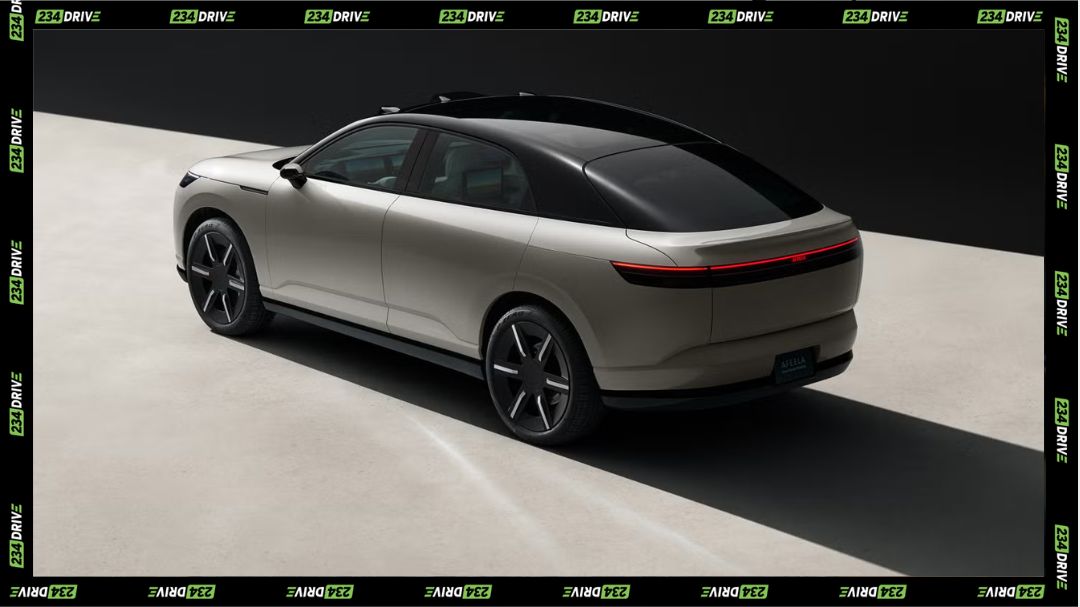
The AFEELA Prototype 2026 is distinct not for its battery chemistry or range figures, which remain largely under wraps, but for its integration of high-fidelity entertainment and autonomous capabilities. The vehicle is equipped with a comprehensive suite of 40 sensors, including LiDAR, cameras, and radar, designed to support Level 2+ driver assistance at launch with hardware ready for Level 4 autonomy. This technological foundation is critical to the car’s identity; SHM intends for drivers to eventually take their hands off the wheel and eyes off the road, allowing them to engage with the built-in PlayStation Remote Play and other media ecosystems powered by Epic Games’ Unreal Engine. The SUV format offers a more spacious cabin to facilitate this “living room on wheels” experience, catering to families and tech enthusiasts who view transit time as an opportunity for gaming and content consumption.
The division of labour within the joint venture remains clear and plays to the strengths of each corporate giant. Honda is responsible for the vehicle’s engineering, safety systems, and manufacturing, with production slated for its East Liberty Auto Plant in Ohio. Sony brings its massive arsenal of entertainment IP, sensing technology, and software expertise, effectively turning the car into a rolling consumer electronics device. Underpinning this entire architecture is the Snapdragon Digital Chassis from Qualcomm, which handles the immense computing power required for real-time sensor fusion and the cockpit’s graphics-heavy interface. Microsoft also plays a key role, providing the Azure OpenAI Service that powers the AFEELA Personal Agent, a conversational AI designed to humanise the interaction between driver and vehicle.
This move to introduce an SUV signals SHM’s recognition that a sedan-only lineup is insufficient for the North American market, where utility vehicles command the lion’s share of sales. By targeting a 2028 release for the SUV, SHM is attempting to sync its product roadmap with the expected maturation of autonomous regulations and the charging infrastructure. The strategy suggests a “high-value” approach rather than a volume play, aiming to capture a premium niche of customers willing to pay for a software-defined experience rather than competing on price against established legacy automakers or aggressive new entrants.
Globally, SHM’s rollout strategy stands in stark contrast to the rapid, multi-region expansion tactics employed by competitors. The company has adopted a strictly US-first approach, with the AFEELA 1 sedan scheduled for deliveries in California in late 2026, followed by Arizona and Japan in 2027. There is currently no concrete timeline for a launch in the UK or Europe, a decision that highlights the challenges of software localisation and the brand’s laser focus on the tech-centric US consumer base. While Chinese manufacturers like BYD are aggressively entering European markets with diverse fleets, SHM is moving with characteristic Japanese caution, ensuring their complex software stack is flawless before widening their net.
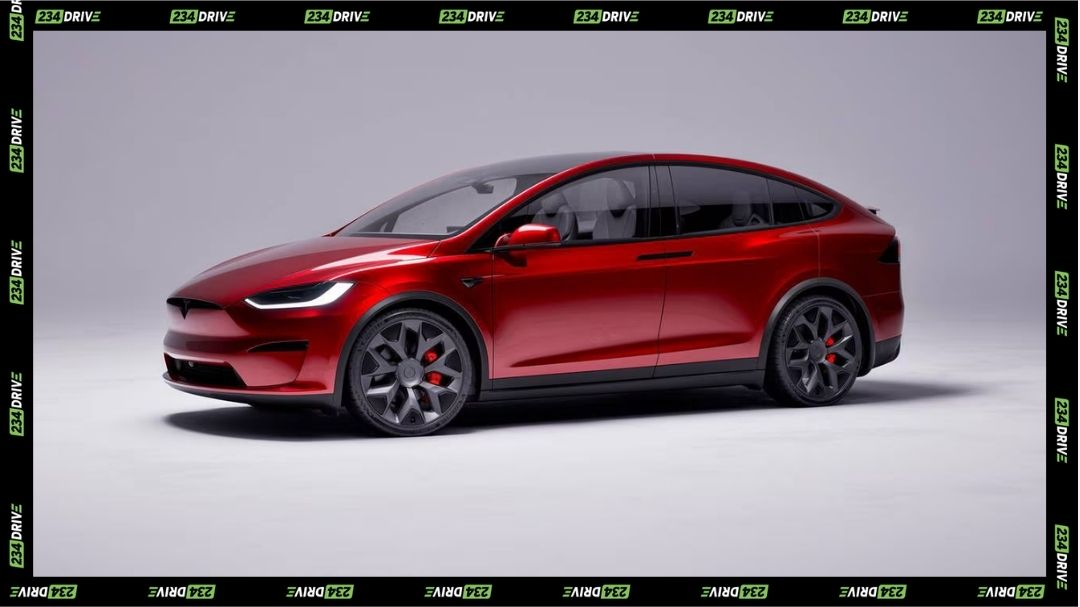
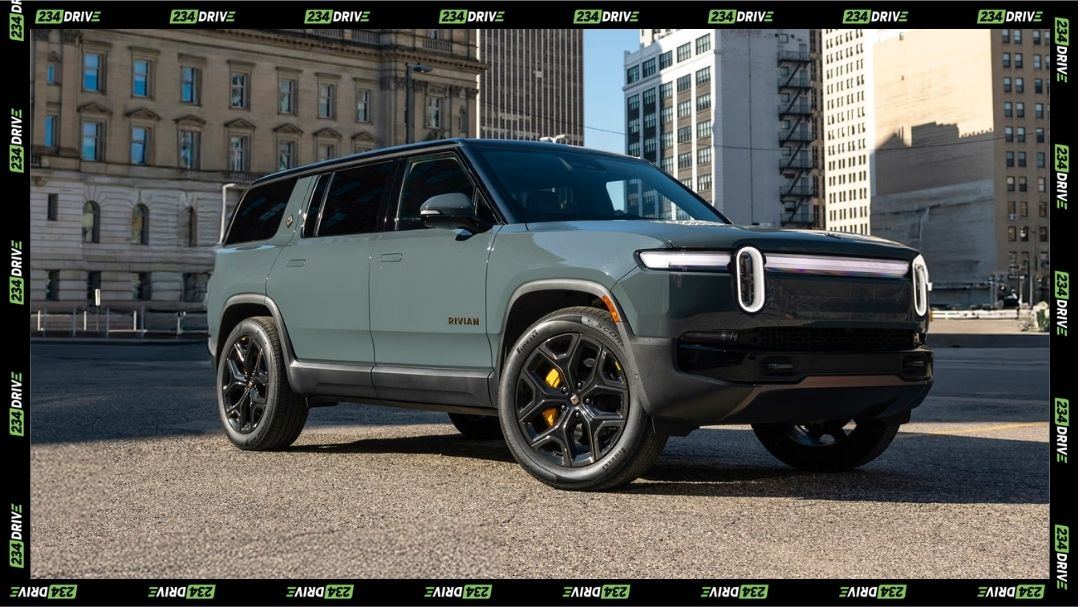
The pace of execution also differs significantly from market leaders like Tesla. While Tesla has thousands of beta testers for its Full Self-Driving software and delivers millions of vehicles annually, SHM is still in the pre-production phase four years after the joint venture’s formation. The 2028 target for the SUV places it years behind the Tesla Model X and Rivian R1S in terms of market availability. However, SHM is banking on the idea that their superior sensor suite and unparalleled entertainment integration will offer a compelling alternative to Tesla’s aging lineup and controversial reliance on camera-only autonomy.
The AFEELA 1 sedan serves as the litmus test for this ambitious project. Pre-production models are currently rolling off lines in Ohio, and the company has successfully opened reservations with a price point starting at $89,900. Despite delays that pushed the sedan’s retail launch to late 2026, the tangible progress at the manufacturing level lends credibility to the SUV announcement. The successful integration of the sensory hardware and the PlayStation ecosystem in the sedan will be crucial validation for the SUV’s future success.
As the industry watches SHM attempt to turn a car into a destination rather than a journey, the critical question remains: will consumers pay a premium for a “content pod” when the promise of full autonomy is still years away? The AFEELA Prototype 2026 is a bold declaration that the future value of a vehicle lies in its software and services, but with a 2028 arrival, it risks entering a market where “good enough” autonomy and entertainment are already standard features on far cheaper alternatives.