
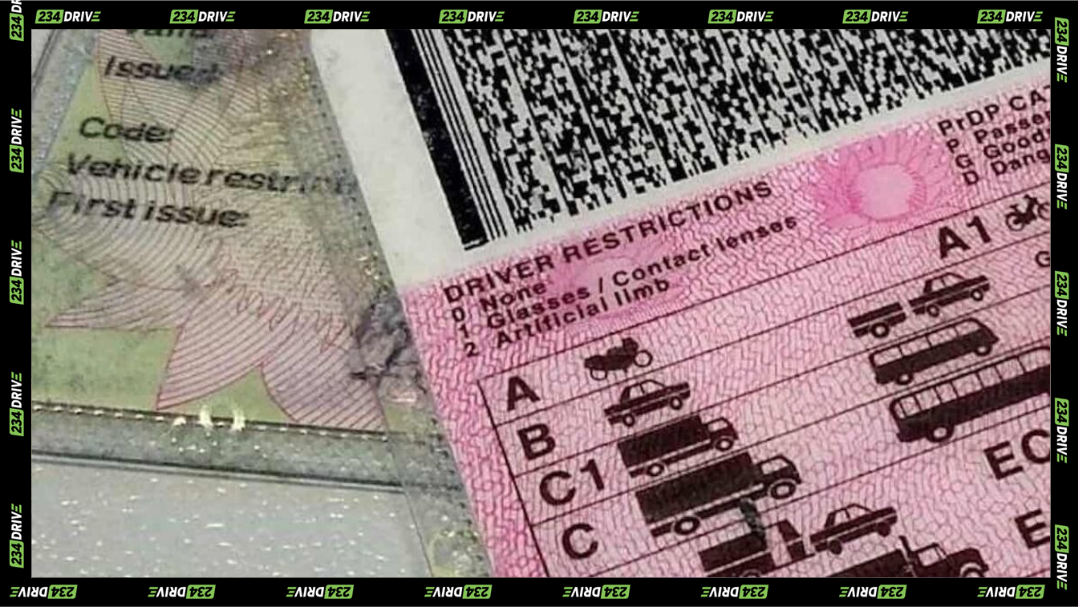
Driving licence in South Africa isn’t just paperwork; it’s everyday access to mobility and opportunity. | Source: ekurhuleni
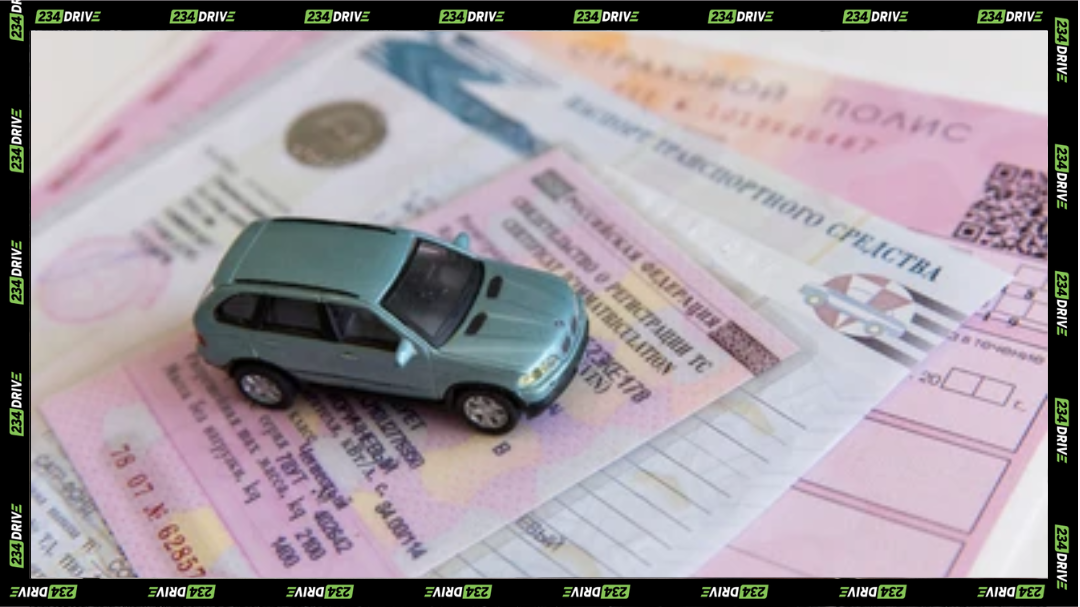
The five-year driving licence cycle in South Africa will be replaced with an eight-year validity period, a change confirmed by Transport director-general Mathabatha Mokonyama in December 2025. South Africa is preparing to retire the current renewal system, though the shift still awaits formal Parliamentary approval and a Government Gazette notice before implementation begins.
How Does South Africa’s Licence Validity Compare with the Rest of the World
Globally, South Africa falls on the shorter end of licence validity. Only Egypt and Kenya issue licences with shorter cycles. Several countries—including Argentina, Mexico, and Nigeria—offer three- or five-year cards. Botswana, Japan, and Portugal also sit at five years, although older drivers face reduced validity terms. In contrast, most countries reviewed issue licences for ten years, and some, like Denmark, France, Germany, and Norway, go as high as 15. Singapore and Switzerland set no expiry until motorists reach 65 and 70 respectively. South Africa’s shift to eight years would move it closer to international norms, though still short of the most common ten-year benchmark.
The Push for Digital Licensing in South Africa
In addition to the validity extension, the Department of Communications and Digital Technologies has begun pushing digital transformation in licensing. At the Global Digital Public Infrastructure Summit, Minister Solly Malatsi demonstrated a renewal completed entirely through the MyMzansi app—digital processing, verification, updates, and instant licence display. The Public Servants Association applauded the direction, saying a digital licence system could cut queues, reduce corruption, and lower backlogs. But they also highlighted that the rollout needs proper funding and infrastructure upgrades. Analysts have echoed similar concerns, arguing that security, encryption, offline usability, and inclusive access must be fully addressed before physical cards disappear. Millions of citizens still struggle with smartphone or data access, meaning digital-only licensing must run alongside alternatives for those left out.
South Africa’s final timeline for complete implementation remains uncertain. However, the Driving Licence Card Account has only set adoption targets from 2026/27—with a 25% rollout in the first year, before rising to 75% by 2027/28. The technology is coming, but on-the-ground readiness still stands between policy and everyday use.
A Glimpse of Digital Licence Systems in Africa With Nigeria as a Case Study
Nigeria offers a glimpse of what digital progress can look like. In October 2025, the Federal Road Safety Corps launched a contactless biometric driver’s licence system using near-field sensors linked to the National Identification Number database. Applicants now complete biometrics, verification, and card printing in one visit, with daily production capacity increasing to 40,000 licences to eliminate backlogs. Real-time verification and embedded security codes are already improving accuracy, reducing human interference, and supporting future integration of penalty tracking. There are still concerns regarding the availability of rural access and privacy concerns; nonetheless, early results suggest faster processing, fewer queues, and a more transparent system—a contrast to South Africa’s current slower transition.