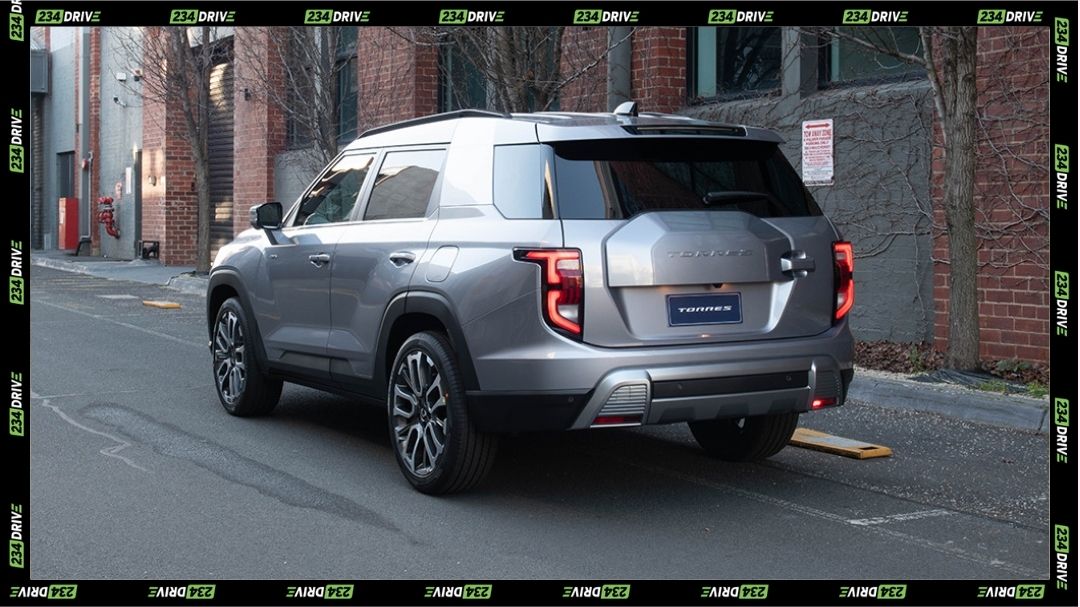
The North African automotive landscape, particularly Morocco’s soaring new car market, has just received a powerful new entrant. The official December 2025 launch of KGM—the globally rebranded iteration of the venerable South Korean manufacturer SsangYong—signifies a major strategic commitment from Asia’s rising automotive powers. Driven by a compelling value proposition and anchored by the rugged Torres SUV, KGM is diving headfirst into a market that has demonstrated phenomenal year-on-year growth exceeding 35%. This move is a sharp, financial play by KG Mobility to cement its aggressive international expansion and compete directly with established European and Japanese rivals on Moroccan soil, offering advanced Korean engineering at a competitive price point.

The core announcement centres on KGM’s exclusive partnership with M-AUTOMOTIV, one of Morocco’s largest and most influential vehicle distributors. This collaboration is the immediate consequence of KGM’s successful financial turnaround, which saw the company post profitability for two consecutive years (2023-2024), fuelled by revenues that hit approximately $2.8 billion in 2024. The official market debut was initiated with the deployment of three dedicated showrooms across the major economic hubs of Rabat and Casablanca, setting the stage for rapid network expansion. The brand’s return, after its rebranding from SsangYong, is led by the versatile Torres SUV, designed to attract Morocco’s expanding middle and affluent classes seeking space, technology, and robust styling.
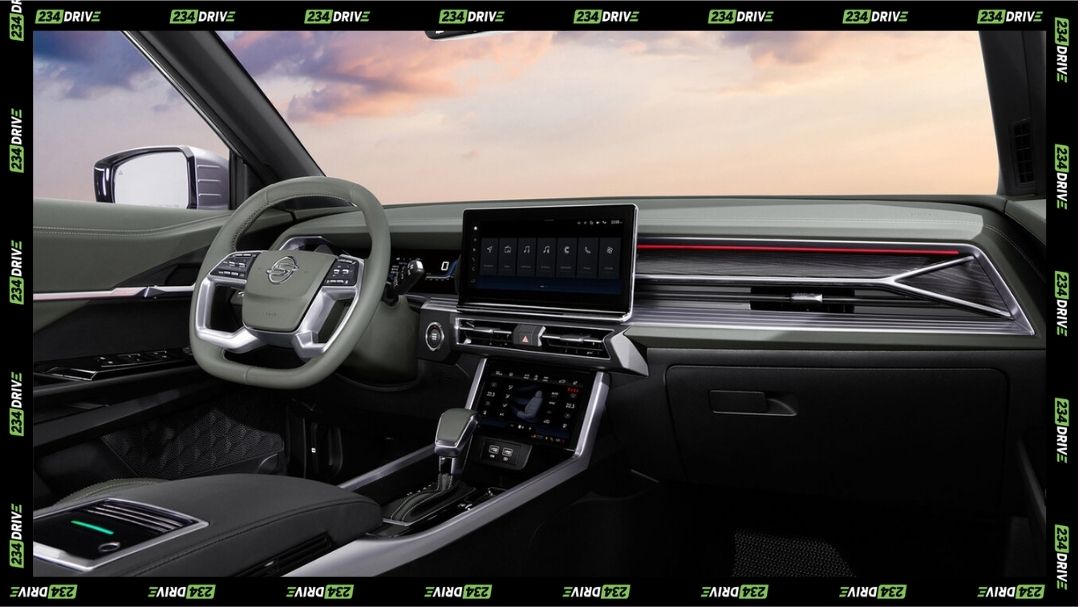
KGM’s initiative is sharply focused on deploying a comprehensive product lineup designed to capture market share across multiple segments. The flagship Torres SUV, powered by a 1.5L turbo petrol engine delivering a capable 163 horsepower and 280 Nm of torque, is the immediate focus, boasting a modern 12.3-inch central display and spacious interiors suitable for family and adventure buyers. Noteworthily, KGM is also bringing the electric Torres EVX, featuring a 207 horsepower electric motor, dual 12.3-inch screens, and an impressive 462 km WLTP range. This forward-looking electrification strategy is complemented by the compact Tivoli, the premium, diesel-powered Rexton (offering 202 hp and intelligent All-Wheel Drive), and the robust Musso Grand pickup, ensuring the Korean brand addresses urban commuters, premium buyers, and the crucial commercial segment right from the outset.
The roles in this market entry are clearly delineated. KGM, as the manufacturer, is responsible for product design, Korean engineering, and its “Enjoy with Confidence” brand philosophy. It leverages its renewed financial stability and robust product portfolio to ensure a steady supply of modern vehicles. M-AUTOMOTIV (a merger of Cap Holding and HS Gestion, and distributor of brands like Renault and Dacia) provides the vital local execution expertise. They are responsible for retail distribution, service network deployment, and market penetration, acting as the indispensable local guide capable of navigating the competitive landscape and delivering a customer experience befitting a modern premium brand.
This market entry signifies KGM’s aggressive post-acquisition strategy shift towards international growth. Having stabilised its finances and refreshed its product line, the move into Morocco leverages the country’s economic boom. Morocco’s strong and consistent economic performance, evidenced by a staggering growth rate of 35% in the new car market during the first half of 2025, makes it an essential hub for any manufacturer aiming to scale in Africa. By partnering with M-AUTOMOTIV, KGM is seeking not just sales volume, but high-value positioning as a premium Korean alternative, strategically avoiding direct competition with the most budget-focused segments while still offering better value than many European or Japanese counterparts.
Morocco’s automotive sector offers a compelling global comparison. Unlike many established markets in Europe or even emerging markets in West Africa that have experienced stagnation or moderate growth, Morocco’s market has been consistently explosive, with monthly surges often exceeding 30%. This thriving environment, driven by improved purchasing power and a demand shift towards SUVs and electric vehicles, contrasts starkly with the often tepid pace of vehicle adoption elsewhere. This dynamic climate creates the ideal conditions for a technically advanced, value-driven brand like KGM to gain rapid traction by capitalising on the sustained demand.
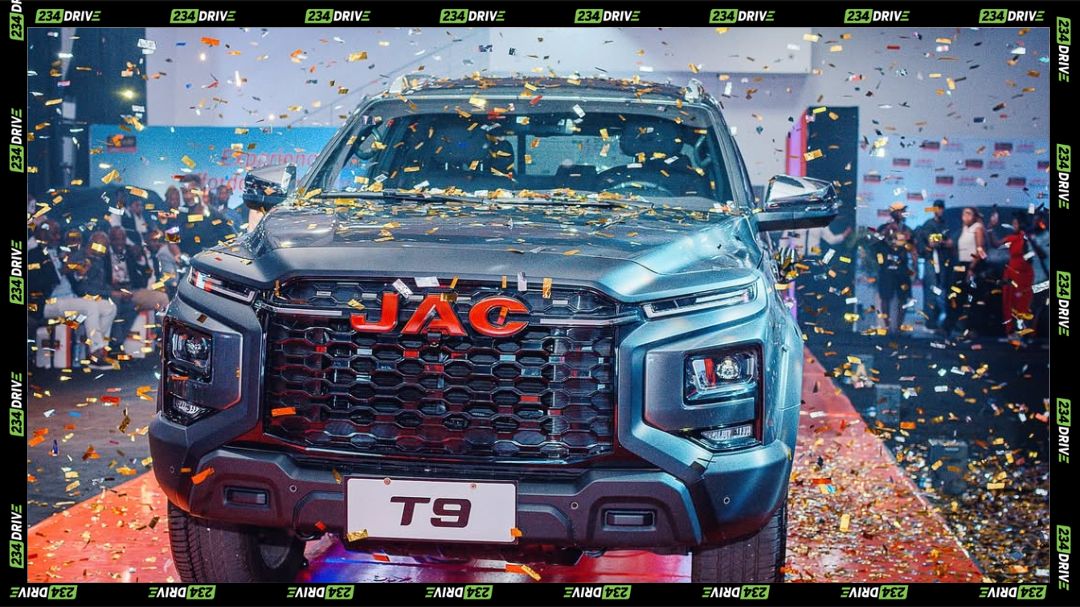
The execution details demonstrate KGM’s intent to be a long-term player. The immediate availability of a wide product range—from the efficient Tivoli to the premium Rexton and the commercial Musso Grand—signals an integrated strategy aimed at multiple customer segments simultaneously. Crucially, M-AUTOMOTIV has recent, successful experience introducing Asian brands, having launched JAC in 2024 and SOUEAST in 2025. This experience means KGM benefits from a distribution partner with established logistical capabilities and a clear blueprint for market introduction, ensuring minimal delay in translating inventory into sales. As M-AUTOMOTIV General Manager Souhail Houmaini noted, the launch “symbolises the opening of a new chapter in our mobility vision” and a commitment to transforming the Moroccan automotive landscape.
KGM’s track record, rooted in its transformation from the financial difficulties SsangYong faced, is key context for its credibility. The two years of sustained profitability and the substantial revenue growth show a reformed, fiscally sound organisation. This financial underpinning ensures the reliability of the brand’s long-term commitment to Moroccan consumers. Furthermore, the company is not just importing internal combustion engines; it is actively introducing the electric Torres EVX, aligning with Morocco’s push towards electrification and cementing its position as a modern, forward-thinking manufacturer prepared for the continent’s inevitable sustainable mobility future.
The entry of KGM further intensifies the battle for Moroccan consumer spending. With its rugged, tech-laden Torres and commitment to electrification, KGM offers a potent blend of Korean reliability and value that is highly attractive in a competitive market. The open-ended question for the industry now is whether established rivals can adapt quickly enough to match KGM’s value proposition without eroding their own profit margins, or if the brand, leveraging M-AUTOMOTIV’s local strength, can quickly carve out a significant share of this booming North African powerhouse market.