
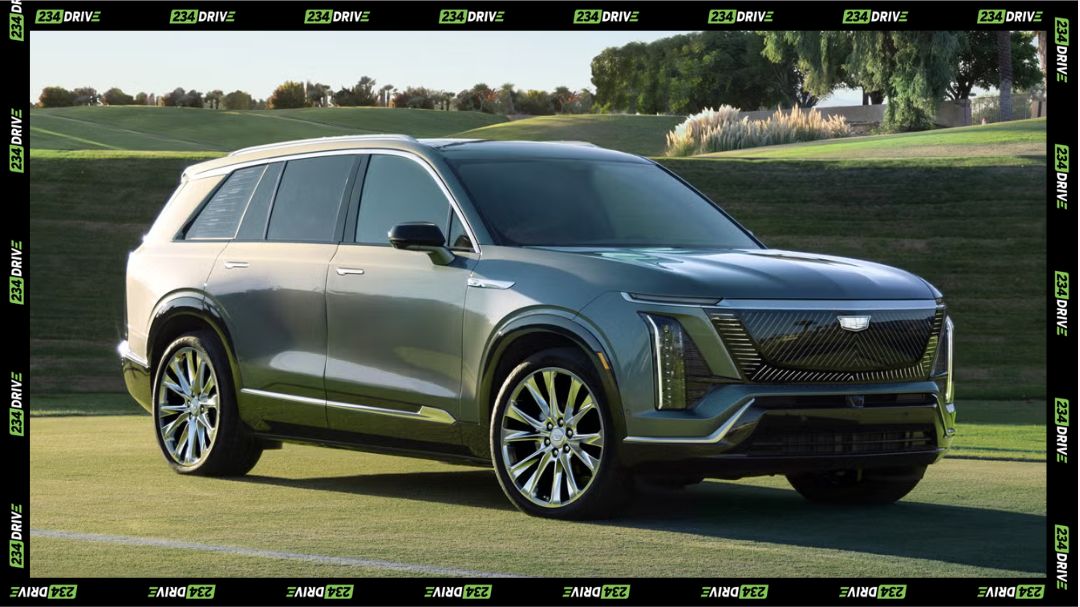
Cadillac’s transition into the purely electric sphere has reached a significant milestone with the introduction of the 2026 Cadillac Vistiq. This three-row SUV is designed to fill the void left by the petrol-powered XT6, positioning itself as a sophisticated option for affluent families who are ready to embrace electrification. Cadillac has cultivated a public image of tech-forward opulence, and the Vistiq embodies this by blending the brand’s traditional road presence with the silent efficiency of the Ultium platform. It caters to a demographic that values both the prestige of the Cadillac crest and the practical requirements of a seven-passenger vehicle, offering a seamless transition from internal combustion to the future of mobility.
The Vistiq’s design language is a clear departure from the boxy silhouettes of the past, leaning instead into the “choreographed” aesthetic introduced by its siblings, the Lyriq and the Optiq. It acts as a more accessible alternative to the gargantuan Cadillac Escalade IQ, providing much of the same advanced technology in a more urban-friendly footprint. With its sharp lines, expansive glass surfaces, and signature vertical lighting, it presents a taste for modern, minimalist luxury that avoids being overly utilitarian. This vehicle is a statement of intent from Cadillac, proving that they can compete in the high-stakes electric segment against established European and domestic rivals.
The Luxury and Sport Variants
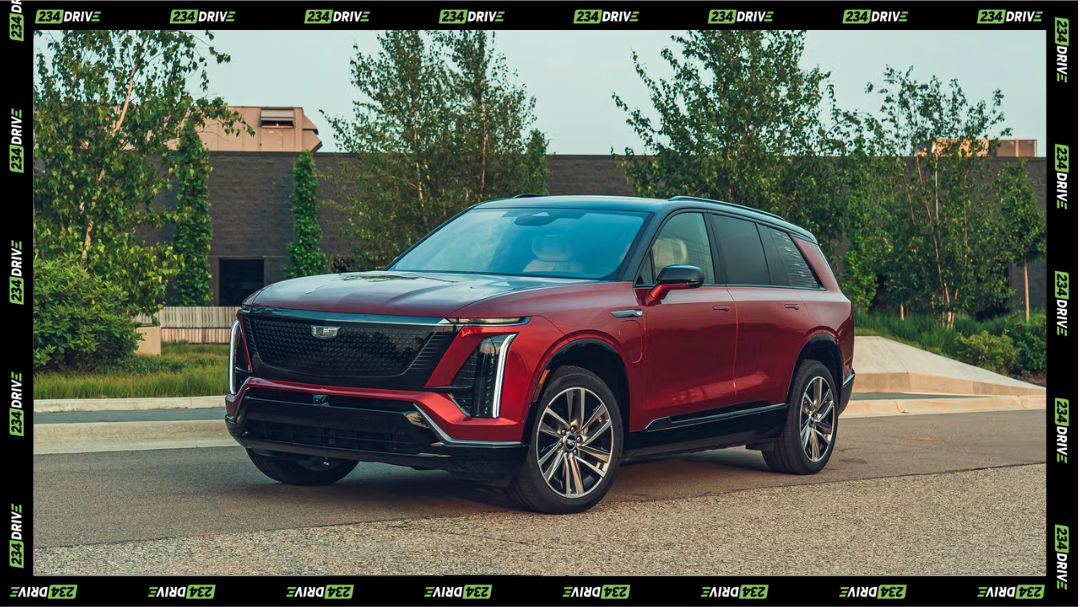
The exterior of the Luxury and Sport trims sets the foundation for the Vistiq’s commanding road presence. Measuring approximately 5.2 metres in length with a 3.1-metre wheelbase, the vehicle features Cadillac’s signature vertical LED lighting signatures and a sleek, aerodynamic profile that belies its significant mass. The Luxury trim, starting at $77,395, is distinguished by its 21-inch Bright Silver alloy wheels and refined chrome accents that catch the light with subtle sophistication. Conversely, the Sport variant, priced slightly higher at $77,895, opts for a more aggressive stance. It introduces Gloss Black roof rails, Obsidian Chrome details, and unique Diamond Cut wheels, appealing to those who prefer a contemporary, de-chromed aesthetic that looks particularly striking in darker paint finishes.
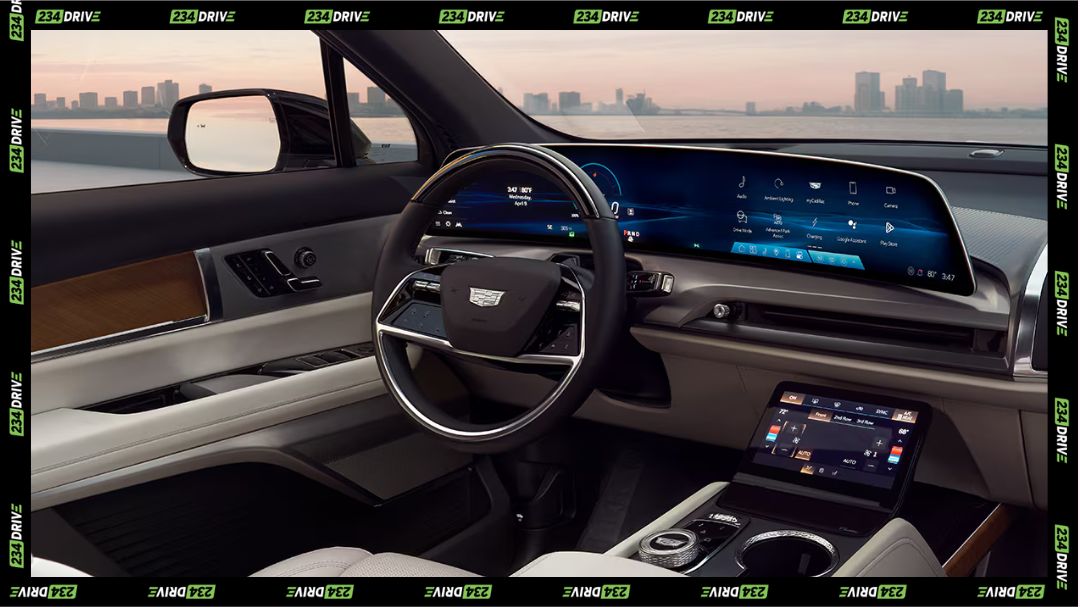
Inside, these trims provide a high baseline of comfort, featuring heated, ventilated, and massaging front seats upholstered in high-quality materials. The centrepiece of the cabin is the 33-inch curved LED display that seamlessly integrates the instrument cluster and infotainment system with Google built-in functionality. Performance is equally impressive across both models, with a dual-motor all-wheel-drive system producing a formidable 615 horsepower and 650 lb-ft of torque. This allows the SUV to sprint from 0-60 mph in just 3.7 seconds, offering a level of responsiveness that is highly competitive in the luxury EV market. Despite its performance credentials, the focus remains on a serene driving experience, supported by a 102 kWh battery that delivers an EPA-estimated range of 305 miles.
The Premium Luxury Trim
Moving up to the Premium Luxury trim, which starts at $91,895, the Vistiq adopts a more stately appearance with larger 22-inch wheels and additional exterior refinements. The inclusion of a fixed third-row glass roof complements the panoramic dual-pane sunroof, ensuring the cabin feels airy and expansive for all seven occupants. This trim balances the sharp, modern lines of the Vistiq with classic luxury cues, such as unique grille textures and polished accents, making it appear at home in both urban high streets and countryside estates. The attention to detail extends to the lighting, which performs a choreographed sequence as the driver approaches, adding a sense of occasion to every journey.
The interior of the Premium Luxury model is significantly elevated through the use of quilted Nouveauluxe upholstery and open-pore wood trim, creating a tactile and visual feast for the senses. Technology is a major focus here, with the addition of an augmented reality head-up display and Night Vision, which uses infrared sensors to detect hazards beyond the reach of the LED headlamps. This trim also benefits from technical upgrades such as Air Ride Adaptive Suspension and Active Rear Steering. These features drastically improve the driving dynamics, making the large SUV feel more nimble in tight corners and during parking manoeuvres while providing a “magic carpet” ride quality that irons out road imperfections with ease.
The Platinum Flagship
The Platinum trim, starting at $96,495, represents the pinnacle of the Vistiq range, combining the best elements of the Sport and Premium Luxury trims into a single, cohesive package. It is visually distinguished by unique body-colour moldings and high-performance Brembo brakes with black calipers, hinting at the vehicle’s considerable mechanical capabilities even when stationary. This flagship model sits on 22-inch wheels as standard, with 23-inch options available for those seeking maximum visual impact. The exterior design is carefully curated to reflect its near-six-figure price tag, ensuring it stands out as a top-tier contender that can hold its own against the most expensive European electric SUVs.
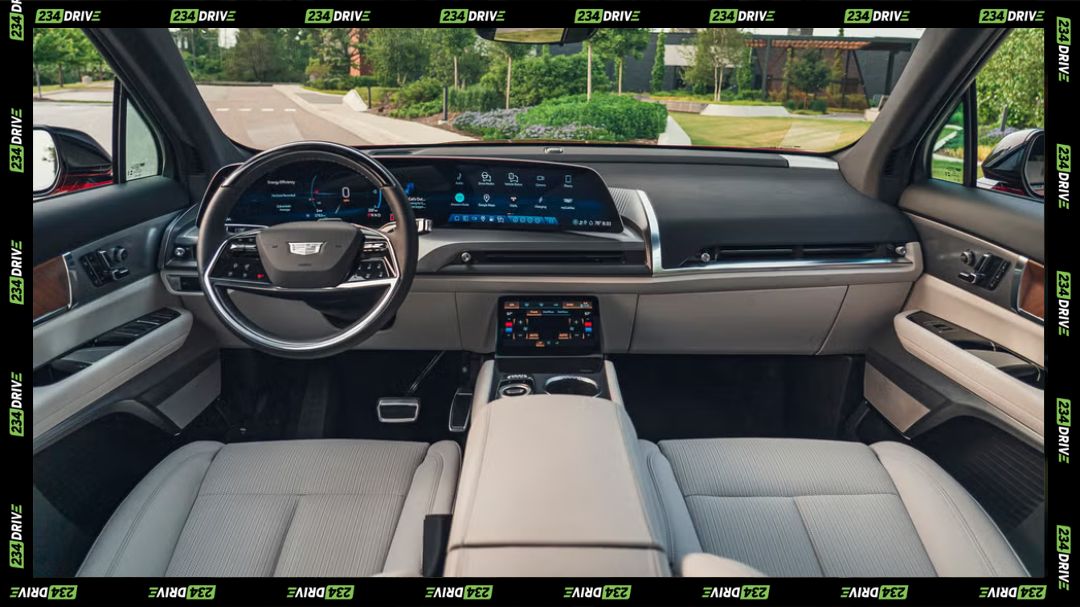
Occupants in the Platinum trim are treated to the most opulent environment Cadillac currently offers, including custom quilting on the seats and a luxurious sueded microfiber headliner. The audio experience is handled by a 23-speaker AKG Studio system with Dolby Atmos integration, featuring speakers embedded in the headrests for a truly immersive soundscape. In terms of performance, the Platinum maintains the 615 hp output but leverages its advanced suspension and braking systems to deliver the most refined and controlled driving experience in the lineup. It also includes the full suite of Super Cruise hands-free driving technology as standard, complemented by a three-year OnStar plan, allowing for effortless long-distance travel on compatible motorways and dual carriageways.
Regional Relevance and Lifestyle Integration
In the context of the UK and wider European driving environments, the Cadillac Vistiq presents an interesting proposition. While its generous dimensions are tailored for the wide boulevards of North America, its advanced Active Rear Steering and high-definition surround vision cameras make it surprisingly manageable on more constrained European roads and in multi-storey car parks. The EPA-estimated range of 305 miles is more than adequate for the UK’s geography, where long-distance journeys are typically shorter than those in the US. Furthermore, the inclusion of 190 kW DC fast charging allows for significant range replenishment during a standard motorway service stop, adding approximately 80 miles of range in just 10 minutes.
Practical considerations such as the UK’s temperate but occasionally harsh climate are well-handled by the Vistiq’s thermal management system for the 102 kWh battery. The vehicle’s all-wheel-drive system provides confidence during winter months, while the bidirectional Vehicle-to-Home (V2H) charging capability offers a unique lifestyle benefit, allowing the car to act as a backup power source for the home during potential outages. This level of utility, combined with the vehicle’s high prestige and the availability of a three-year maintenance plan, ensures that the ownership experience remains premium. The Vistiq is not just a car but a versatile tool for the modern lifestyle, providing a luxury sanctuary that is equally suited for a school run as it is for a high-profile arrival at a business engagement.
Comparative Analysis: Standing Out in a Crowded Field
When compared to its primary segment rivals, the Cadillac Vistiq occupies a strategic middle ground. At a starting price of roughly £62,000 (equivalent), it significantly undercuts the Tesla Model X, which has faced scrutiny as Tesla abandons its traditional luxury pillars in favour of a more autonomous-focused future. Against the Volvo XC90, the Vistiq offers more horsepower and a more engaging driving experience, though the Volvo remains a strong contender for those who prefer understated Scandinavian design. The Rivian R1S provides more off-road capability, but the Cadillac counters with the sophisticated Super Cruise system and a more refined on-road ride.
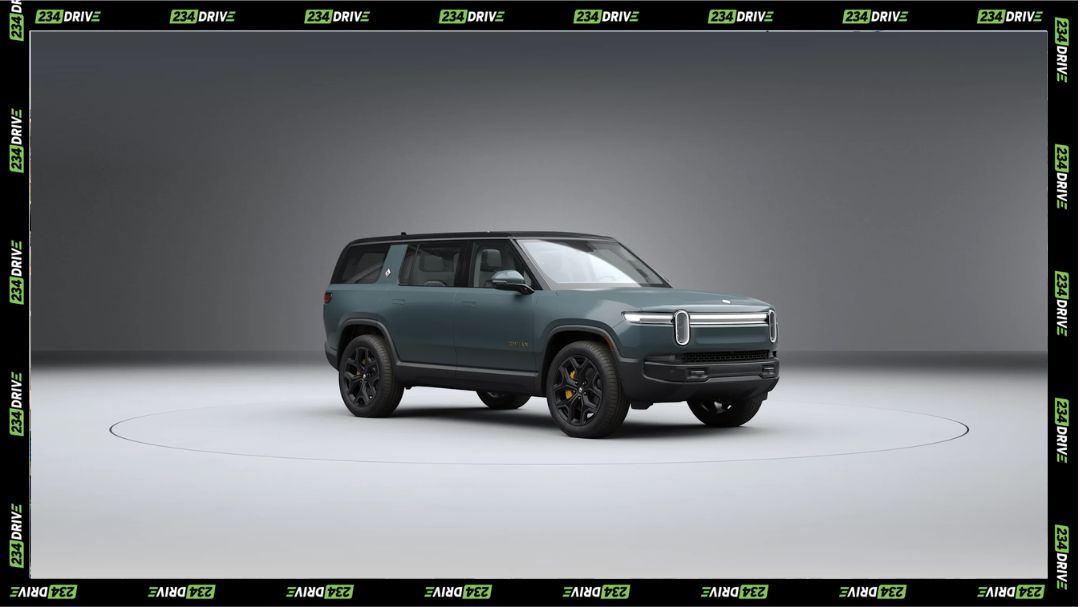
The competitive positioning of the Vistiq is further strengthened by its interior packaging. While rivals like the Lucid Gravity focus on extreme efficiency and aerodynamic styling, the Vistiq prioritises passenger comfort, particularly in the second row, which offers legroom that surpasses many in its class. The main drawback for some may be the lack of Apple CarPlay and Android Auto, as Cadillac has opted for a Google-integrated ecosystem. However, for most users, the native Google Maps and Spotify integration provide a seamless experience that reduces reliance on smartphone mirroring. Ultimately, the Vistiq’s blend of competitive pricing, high-end standard features, and iconic branding makes it a formidable opponent in the luxury three-row EV sector, likely ensuring a slower rate of depreciation compared to less established marques.
Conclusion
The 2026 Cadillac Vistiq is a masterclass in modern American luxury, offering a compelling package that balances performance, technology, and family-oriented practicality. From the accessible yet well-equipped Luxury trim to the opulent Platinum flagship, the Vistiq provides a clear path for Cadillac loyalists and new customers alike to enter the electric era without compromise. Its strengths lie in its serene cabin, impressive 615 hp output, and the effortless convenience of Super Cruise. While the lack of smartphone mirroring and the slightly slower DC charging compared to some rivals are points for consideration, they do little to diminish the vehicle’s overall appeal as a premium, versatile SUV.
What are your thoughts on Cadillac’s latest electric offering? Does the Vistiq’s blend of tradition and technology make it a more attractive option than the minimalist rivals from Tesla or the rugged alternatives from Rivian? We invite you to share your comments and join the conversation about the future of luxury family travel.