
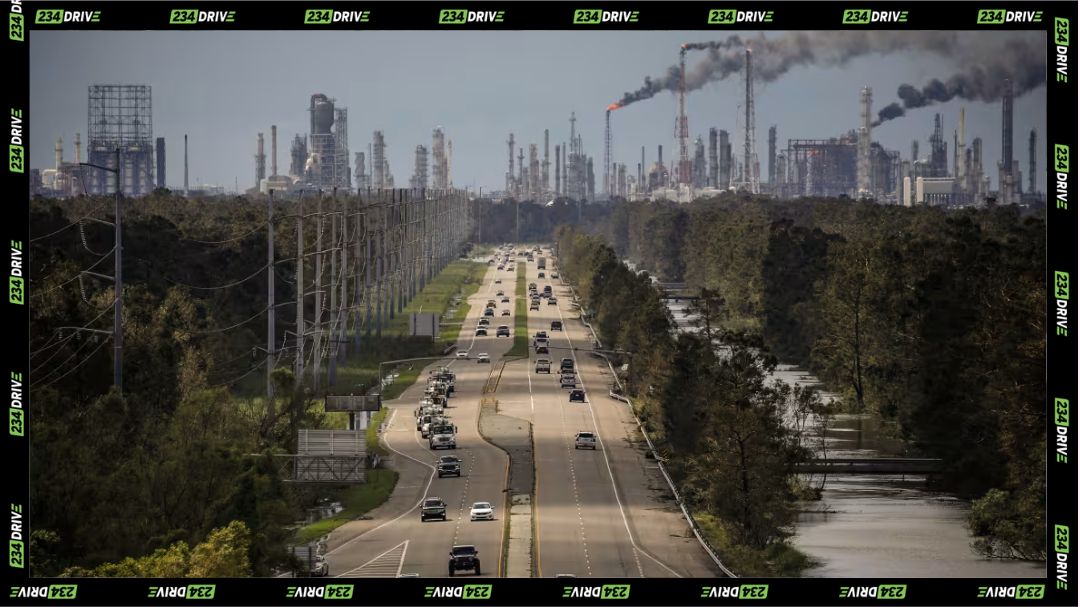
The legal foundations of the American climate agenda have been dismantled in a single stroke, signalling a massive economic pivot that prioritises immediate consumer savings over long-term environmental mandates.
On 12 February 2026, the Trump administration, led by President Donald Trump and EPA Administrator Lee Zeldin, finalised the repeal of the 2009 Greenhouse Gas Endangerment Finding. This historic move eliminates the legal basis for federal greenhouse gas emission regulations on all vehicles and engines from model years 2012 to 2027 and beyond. By stripping away these mandates, the administration aims to save taxpayers over $1.3 trillion, effectively lowering the average price of a new vehicle by approximately $2,400. This deregulation also scraps off-cycle credits for features such as stop-start systems—a technology the administration described as universally disliked by motorists—in an effort to restore consumer choice and reduce the upfront cost of traditional petrol-powered cars.
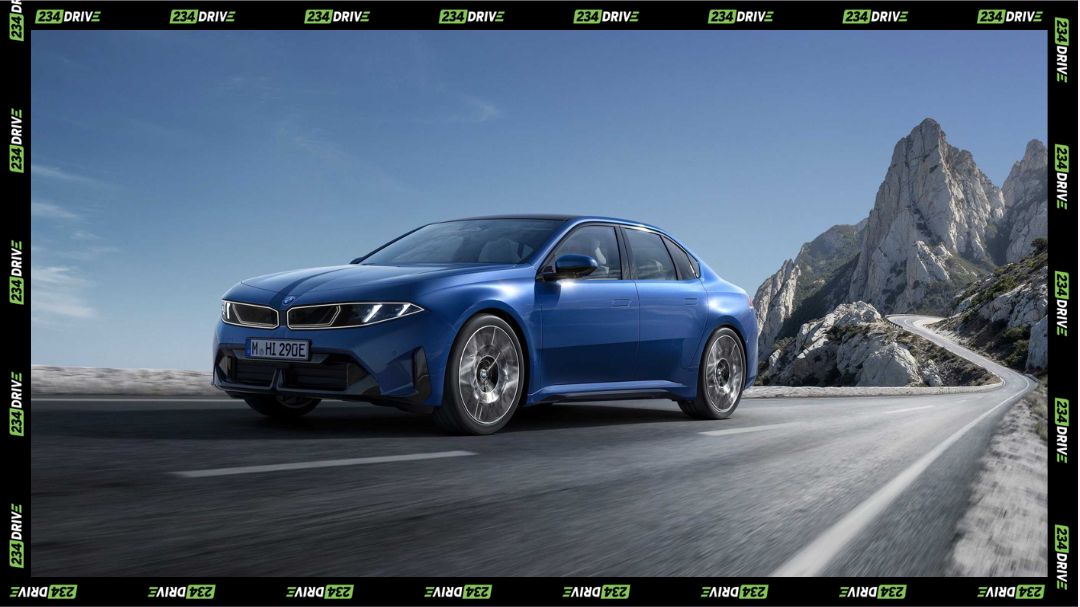
Amidst this regulatory retreat, Rivian Automotive is pushing forward with its own market-driven initiative: the launch of the R2 SUV. Scheduled for a second-quarter 2026 rollout, the R2 is positioned as a mass-market contender with a price point of roughly $45,000. It features a dual-motor all-wheel-drive system, over 300 miles of range, and is set to receive advanced Gen 3 autonomy features by late 2026. This vehicle represents a critical bet on the scale of consumer demand, aiming to prove that electric vehicles can thrive through design and utility rather than government coercion.
While the federal government is focused on lowering the barrier to entry for internal combustion engines, manufacturers like Rivian must now shoulder the burden of scaling infrastructure and technology without the cushion of federal EV tax credits, which have already been eliminated. In response, states such as California are attempting to manage the fallout by allocating state funds—including a proposed $200 million budget—to offset the loss of federal incentives, creating a complex regulatory patchwork that manufacturers must navigate.
This shift signals a fundamental change in business strategy from compliance-driven production to software-led profitability. Rivian’s recent financial results illustrate this pivot; despite a sequential dip in deliveries following the end of tax credits, the company achieved its first annual gross profit of $144 million in 2025. This success was largely driven by a 109 per cent surge in software and services revenue, suggesting that the future of the electric vehicle industry lies in securing recurring digital income streams rather than relying on hardware subsidies or regulatory mandates.
When compared to the previous decade of climate-focused policy, the current pace of deregulation is unprecedented. While European and Asian markets continue to tighten emission standards, the United States is rapidly diverging, creating a market where traditional fossil-fuel vehicles are expected to be significantly more affordable in the short term. This has led to economic projections suggesting that the lack of federal pressure could reduce the electric vehicle market share by nearly 60 per cent by 2030, unless innovation can close the price gap without government intervention.
Rivian’s execution details reveal a company moving quickly to adapt; within months of the tax credit expiry, they have managed to stabilise their financial position through a joint venture with Volkswagen and a rigorous focus on the R2 production ramp. The company forecasts a jump in deliveries to between 62,000 and 67,000 vehicles in 2026, a nearly 50 per cent increase from the previous year. This rapid transition from a niche, high-end manufacturer to a mass-market competitor is being watched closely as a benchmark for the entire sector.
The track record for these policies dates back to the 2007 Supreme Court ruling that first classified greenhouse gases as pollutants, a precedent that the current administration is now directly challenging. For years, the industry operated under the assumption that the transition to electric power was a legal inevitability. However, the current rollback of Biden-era subsidies and the repeal of the Endangerment Finding have returned the industry to a state of high uncertainty, where the long-term costs of climate change—such as increased insurance premiums and health expenses—are being weighed against the immediate desire for cheaper mobility.
This marks a definitive shift from an era of government-led ‘green’ hype to a period of raw, fleet-scale market operations. As the R2 prepares for its debut in a subsidy-light environment, it raises a fundamental question for the coming years: should regulators eventually treat charging networks and sustainable technology as essential public infrastructure to speed adoption, or will the market’s demand for innovation naturally overcome these significant policy headwinds?