
The Peugeot 406 occupies a storied position in the history of the Nigerian automotive market, representing an era where French engineering perfectly met the demands of West African roads. Launched as the successor to the already popular 405, the 406 quickly established itself as the preferred choice for middle-class professionals, corporate fleets, and government agencies. Its public image is defined by a unique combination of executive understated elegance and a mechanical robustness that has allowed it to remain a common sight on Nigerian roads decades after production ceased in 2004.
For many Nigerian motorists, the 406 is more than just a vehicle; it is a symbol of a career milestone and a testament to enduring European build quality. Known for its supple ride and spacious cabin, it earned a reputation for being a “road-hugger,” a trait highly valued during long interstate journeys between cities like Lagos, Abuja, and Kaduna. This article explores the various body styles and engine configurations of the 406, examining why it remains one of the most sought-after used cars in the country and how its legacy continues to shape local driving tastes and ownership experiences today.
The Peugeot 406 Saloon (Executive Trim)
The exterior of the Peugeot 406 Saloon is a masterclass in timeless, clean-lined design. Eschewing the aggressive styling of modern rivals, the 406 features a sleek, low-slung profile with a distinctively narrow front grille and elongated headlamps that provide a sophisticated road presence. Its silhouette is aerodynamically efficient, which not only contributes to its fuel-saving capabilities but also gives it a balanced, planted look that exudes a sense of calm authority. Even in the second-hand market, a well-maintained Saloon in a classic silver or dark blue finish retains a level of prestige that few other cars from the late 1990s can match.
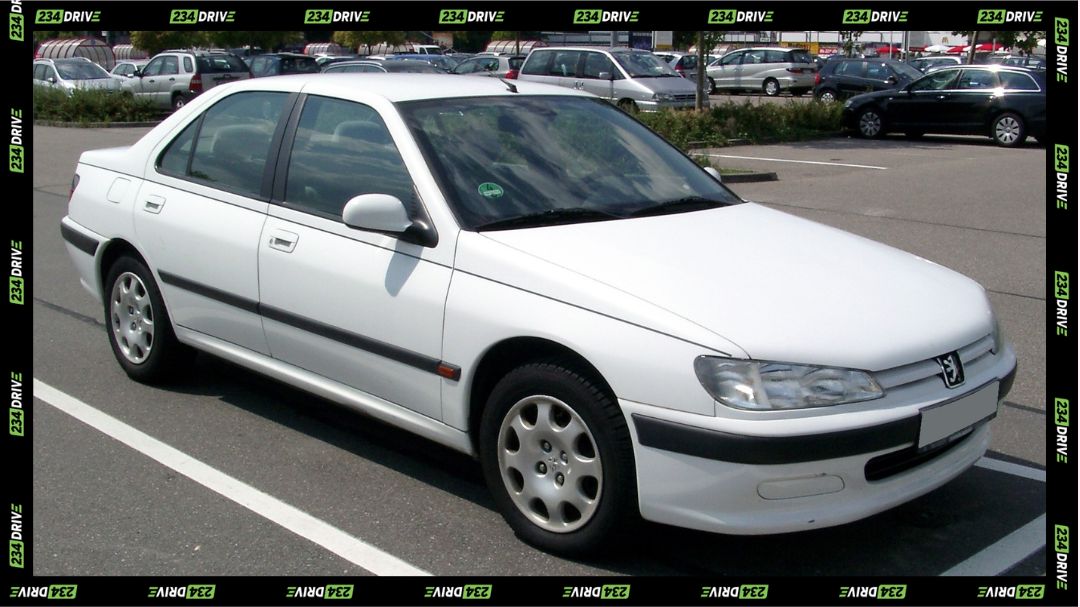
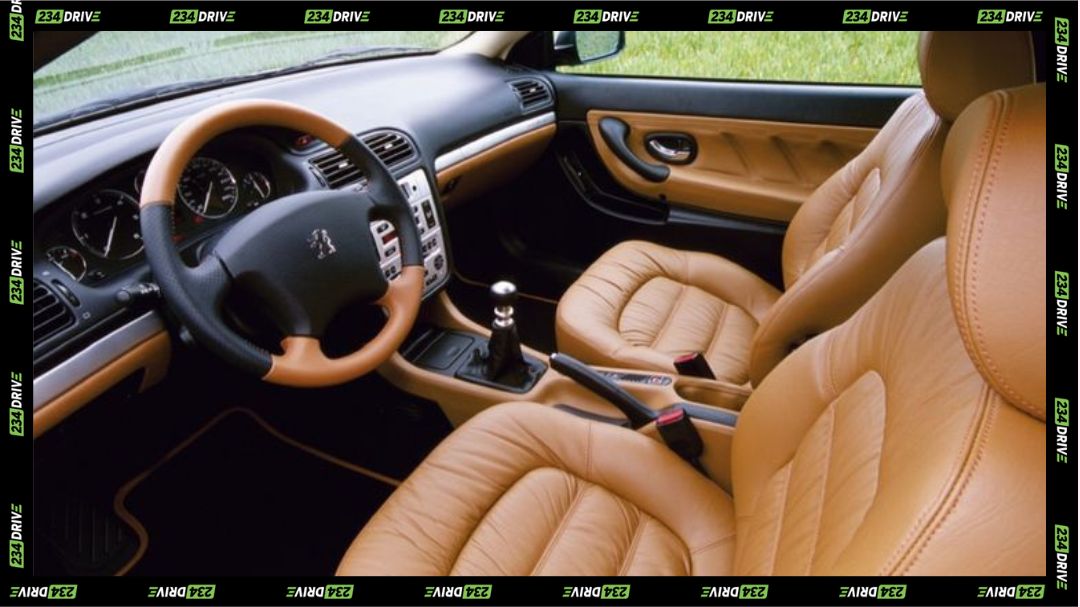
Inside, the Saloon offers a refined and spacious environment designed for long-distance comfort. The seats are famously soft, often described as “armchairs on wheels,” providing exceptional lumbar support that is essential for navigating Nigeria’s often congested urban traffic. Performance-wise, the 2.0-litre petrol engine is the most common variant, delivering a smooth and predictable driving experience that balances power and economy. According to comprehensive second-hand assessments, the Saloon’s suspension remains its greatest asset, absorbing road imperfections with a level of grace that modern entry-level cars struggle to replicate. Prices for a clean Nigerian-used Saloon typically range from ₦3.5 million to ₦5.5 million.
The Peugeot 406 Coupé (Pininfarina Design)
The Peugeot 406 Coupé is widely regarded as one of the most beautiful cars ever produced, thanks to its bespoke styling by the Italian design house Pininfarina. Unlike many other coupés of its era, it shares no external body panels with the saloon or estate versions, resulting in a unique, flowing aesthetic that is both sporty and incredibly elegant. Its exterior is defined by a sweeping roofline, frameless windows, and a wider, more aggressive front fascia that gives it a significant “head-turning” road presence. In Nigeria, this variant is a rare and prestigious find, often owned by enthusiasts who appreciate its artistic heritage.
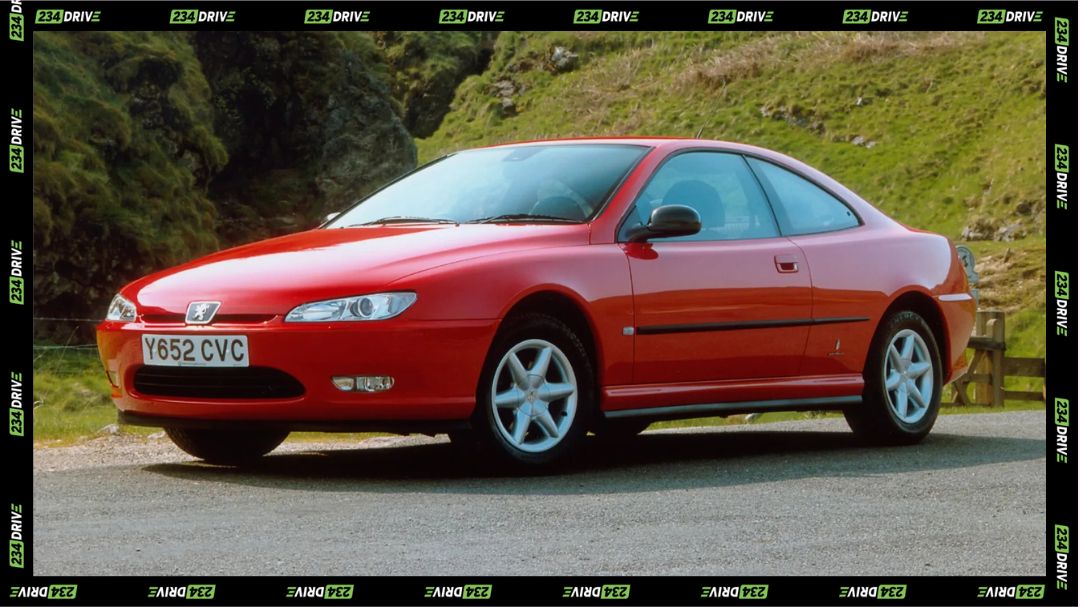
The interior of the Coupé mirrors its exterior sophistication, often featuring premium leather upholstery and a more driver-centric cockpit layout. While it retains the legendary comfort of the 406 range, the Coupé offers a firmer, more engaging driving dynamic, particularly when equipped with the 3.0-litre V6 engine. This powerplant delivers a refined 190 to 210 horsepower, allowing for effortless overtaking on highways. As noted in this detailed classical review, the Coupé successfully bridges the gap between a practical daily driver and a genuine modern classic. Prices for these rare units in Nigeria can vary significantly, usually fetching between ₦4 million and ₦6.5 million for high-spec versions.
The Peugeot 406 Estate (Family & Utility)
The 406 Estate variant prioritises utility and volume without sacrificing the sleek DNA of the Peugeot brand. Its exterior design manages to incorporate a massive rear cargo area while maintaining a cohesive and attractive profile. The long roofline and vertical rear hatch provide a sense of scale and purpose, making it a popular choice for large families and small business owners who require a vehicle that can double as a cargo carrier. Its road presence is one of quiet functionality, signalling a driver who values practical capability and mechanical dependability over stylistic flair.
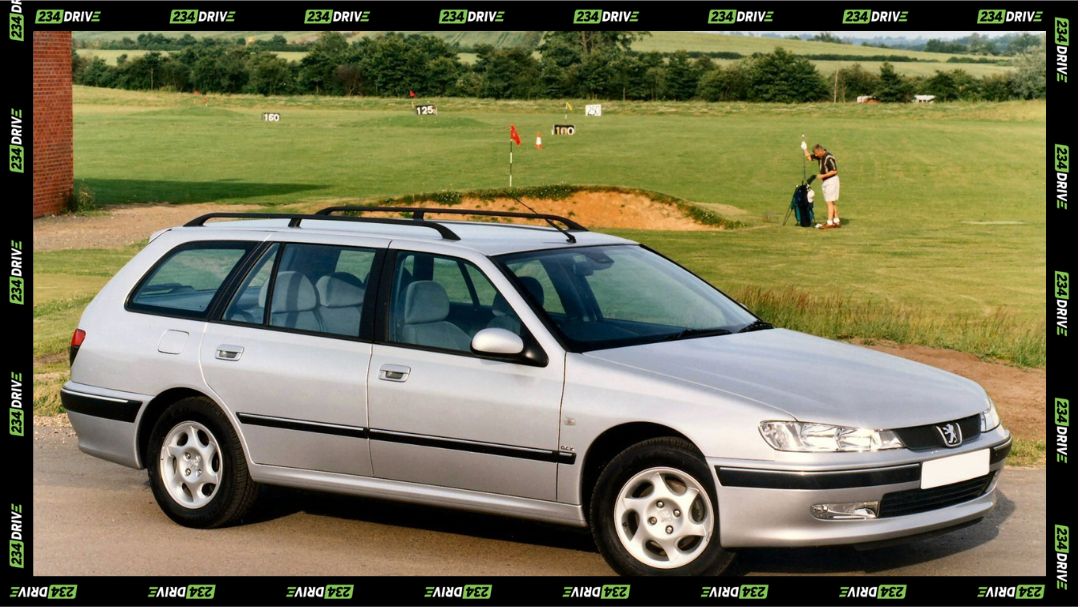
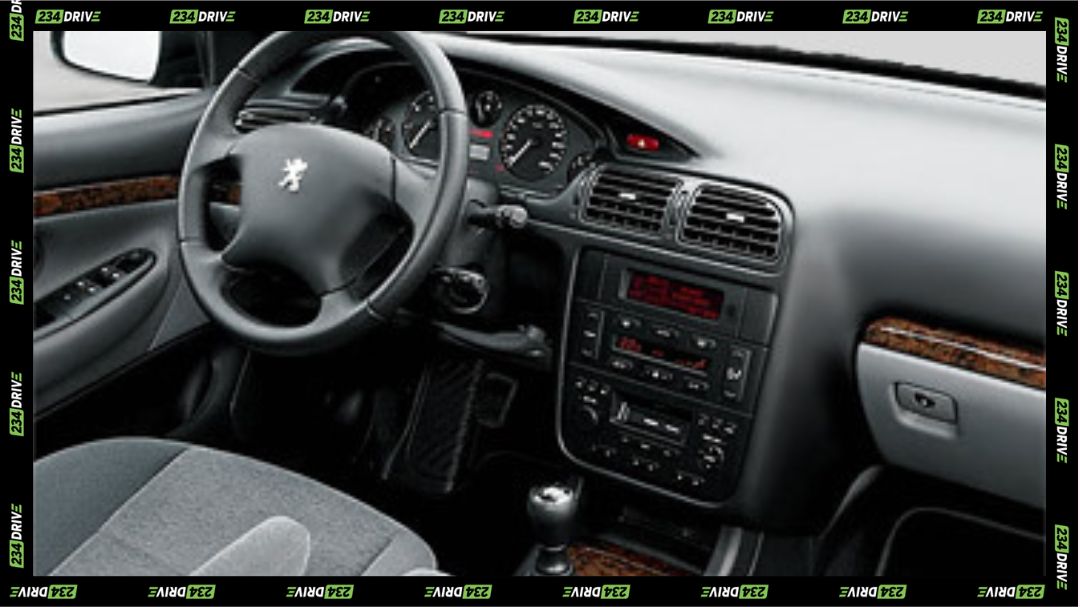
Inside, the Estate is a cavernous transporter, offering one of the largest boot capacities in its class, which is easily accessible through a wide-opening tailgate. The interior remains focused on passenger comfort, with ample legroom for five adults and the same soft-touch materials found in the saloon. Mechanically, the Estate often features heavy-duty rear suspension to cope with increased loads, ensuring it remains level and stable even when fully packed. This robustness is a key factor in its enduring popularity, with current listings in Nigeria showing a steady demand for these versatile workhorses. Prices for the Estate usually align with the Saloon, depending on the engine and condition.
The HDi Turbodiesel (High Performance)
The HDi variants of the Peugeot 406 represent the pinnacle of the model’s performance and efficiency. While the exterior remains identical to the standard models, the HDi badge on the boot lid signifies the presence of a high-pressure common-rail diesel engine that revolutionised the segment. These engines offer a more muscular road presence through their torque-heavy acceleration, which is particularly useful when the vehicle is fully loaded or towing. The 2.0-litre and 2.2-litre HDi units are favoured for their ability to maintain high speeds with minimal effort, making them the gold standard for interstate travel in Nigeria.
The real magic of the HDi lies in its interior refinement and engine longevity. These diesel units are exceptionally quiet for their era and provide a surge of torque that makes city driving effortless. With fuel efficiency figures often exceeding 40 mpg, the HDi is arguably the most cost-effective 406 to run, provided it is maintained with high-quality diesel. Owners frequently report mileages exceeding 300,000 kilometres without major mechanical failure, a fact supported by our local used price guide. A clean “Tokunbo” (foreign-used) HDi model can command prices at the higher end of the spectrum, often reaching ₦6 million to ₦7 million.
Why the 406 Matters Here (and What It’s Like to Own One)
The Peugeot 406’s relevance to the Nigerian driving environment is rooted in its incredible suspension and cooling systems. Nigerian roads are famous for their unpredictable surfaces, ranging from smooth highways to pothole-riddled side streets. The 406’s suspension was engineered with a degree of travel and damping that allows it to “float” over irregularities that would cause discomfort in many modern, stiffer crossovers. Furthermore, the car’s cooling system is notoriously robust, a vital feature in the intense tropical heat of Nigeria, where stop-and-go traffic can easily lead to engine overheating in less resilient vehicles.
From a lifestyle perspective, the 406 offers a level of prestige that remains surprisingly intact. In many parts of Nigeria, owning a “clean” Peugeot 406 is still seen as a sign of a sensible, mature individual who values substance over trends. The availability of maintenance is another massive advantage; the car has been in the country for so long that almost every mechanic from Ladipo in Lagos to the Panteka market in Kaduna is familiar with its architecture. This widespread expertise, combined with a vast secondary market for spare parts, makes the 406 one of the easiest and most affordable “big” cars to keep on the road for everyday use.
Competitive Positioning and Market Comparison
When compared to its primary rivals of the era—the Toyota Camry (Tiny Light) and the Honda Accord (Baby Boy)—the Peugeot 406 positions itself as a more comfortable and refined alternative. While the Japanese competitors often have a slight edge in terms of absolute electronic reliability, the 406 offers a superior ride quality and a heavier, more “Germanic” feel at high speeds. In terms of cost, the 406 is often more accessible in the second-hand market than the Toyota, providing a higher level of executive luxury for a lower initial investment.
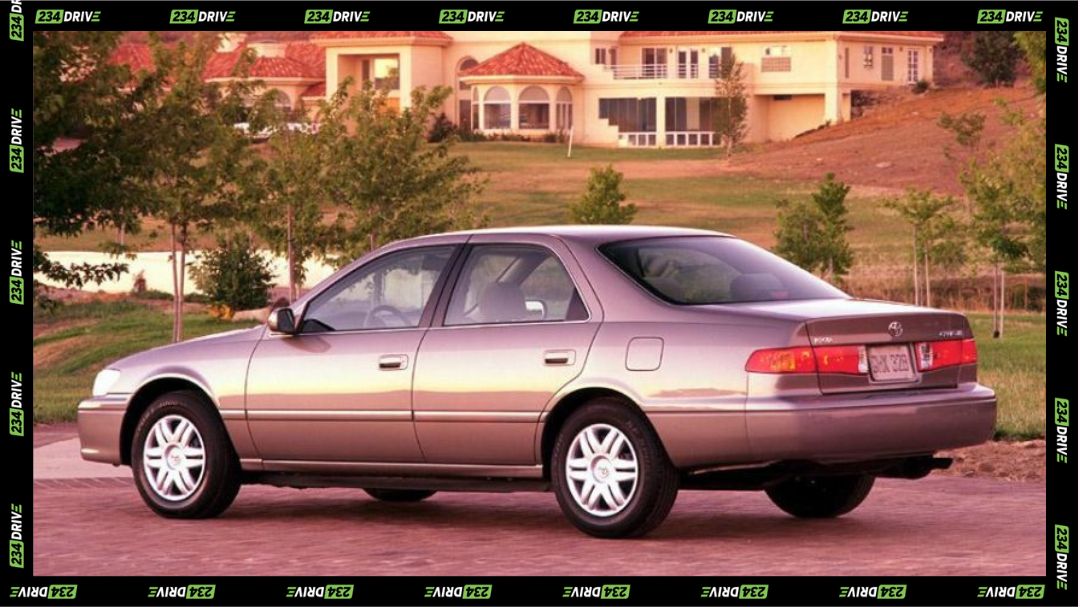
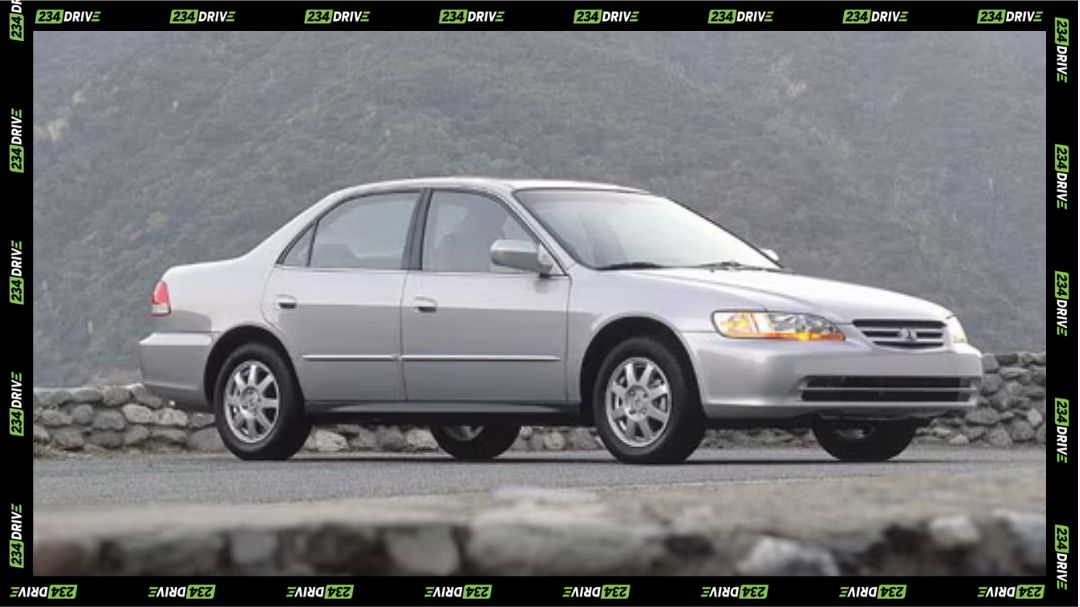
In the current Nigerian market, the 406’s resale value remains remarkably stable because it is viewed as a “safe” purchase. Its durability on rough roads means that even older units do not suffer from the structural “rattles” that plague many of its contemporaries. For those searching for verified Nigerian used units, the 406 stands out for its low maintenance costs relative to its size. While newer cars offer more tech, the 406’s blend of mechanical simplicity and premium comfort ensures it remains a top-tier choice for value-conscious buyers who refuse to compromise on driving experience.
Conclusion
In summary, the Peugeot 406 is a rare automotive icon that has successfully transcended its production years to become a permanent fixture of Nigerian culture. Whether in Saloon, Coupé, or Estate form, it offers a level of comfort and durability that is perfectly attuned to the local landscape. Its legacy of reliability, combined with its timeless design and efficient HDi engines, ensures that it will continue to be a beloved choice for Nigerian families and professionals for years to come.
Are you a fan of the classic Peugeot 406 ride, or do you prefer the modern features of its successors? We invite you to share your experiences and thoughts in the comments below!