
Kenya’s automotive market is a dynamic landscape where practicality and reliability take precedence over sheer luxury. With the Kenya used car market valued at over USD 1.2 billion, the majority of motorists rely on high-quality second-hand imports, primarily from Japan. These vehicles must navigate a unique blend of modern multi-lane highways like the Nairobi Expressway and the challenging, unpaved feeder roads of rural counties. Consequently, the Kenyan consumer has developed a refined taste for vehicles that offer low fuel consumption, exceptional parts availability, and a robust build quality that can withstand the local terrain.
The preference for Japanese brands is not merely a matter of habit but a strategic choice driven by the widespread expertise of local mechanics and the affordability of spares on Nairobi’s Kirinyaga Road. As fuel prices hover around the KSh 200 per litre mark, the demand for efficient hatchbacks and hybrid crossovers has surged. This guide explores the five most popular second-hand options currently dominating the Kenyan roads, providing an in-depth analysis of their design, performance, and suitability for the local market. By understanding the nuances of these reliable models and smart buying tips, prospective buyers can make an informed investment in a vehicle that balances cost-effectiveness with long-term durability.
1. Toyota Vitz
The Toyota Vitz, also known globally as the Yaris, is the quintessential urban hatchback in Kenya. Its exterior design is focused on compact efficiency, featuring a rounded, aerodynamic silhouette that makes it exceptionally agile in the heavy traffic of Nairobi’s Central Business District. The 2015 to 2020 models boast a modern front fascia with sleek headlamps and a modest grille, presenting a tidy and approachable road presence. Its small footprint is a significant advantage for parking in congested city areas, while the high build quality ensures the body panels remain rattle-free even after years of use on uneven surfaces.
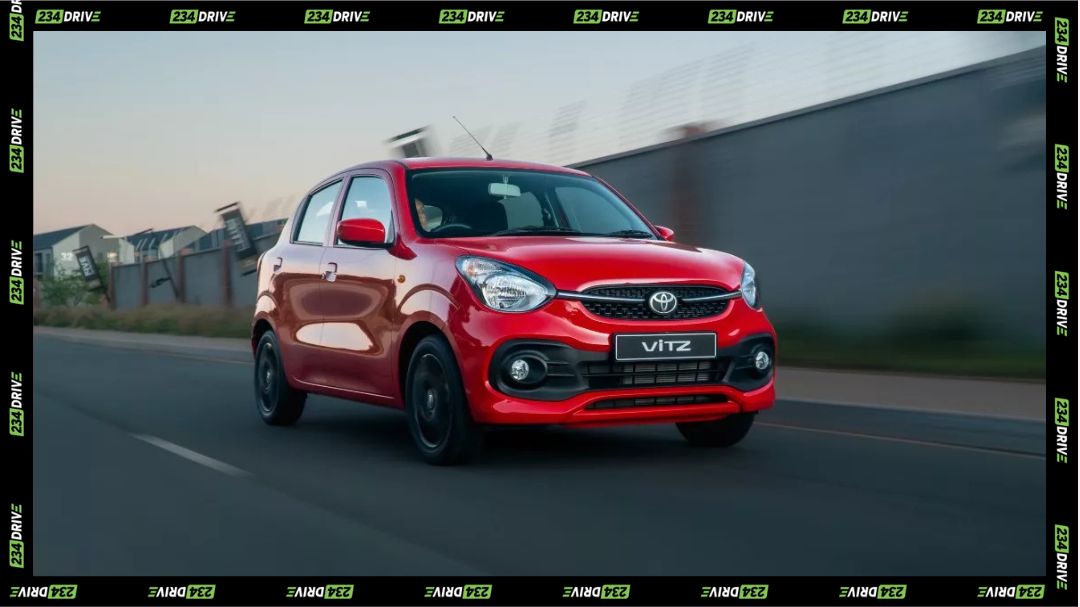
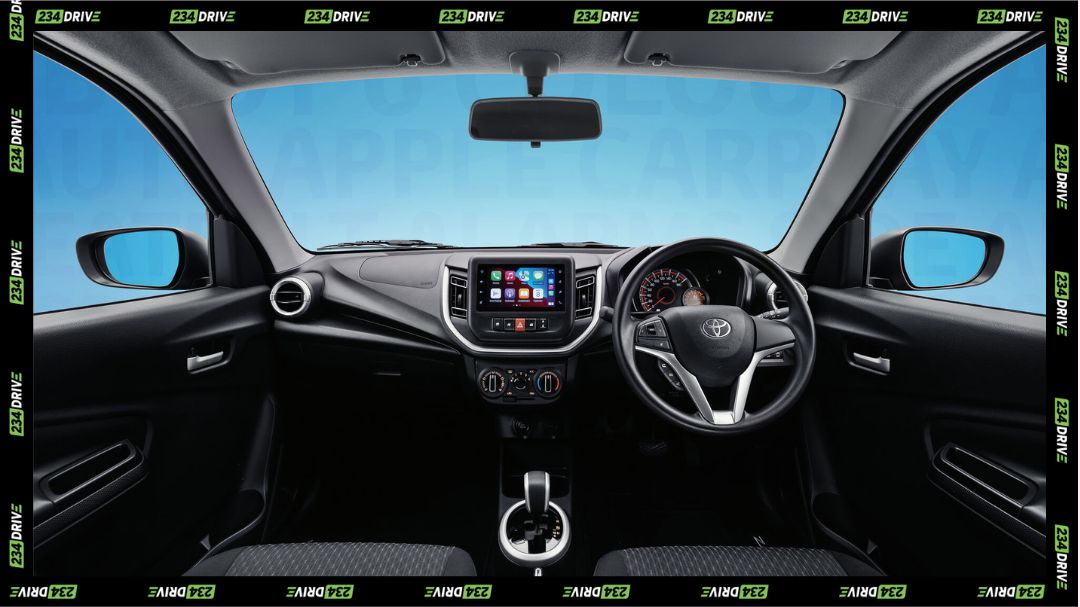
Inside, the Vitz offers a surprisingly ergonomic cabin that prioritises functional simplicity. While the interior materials are predominantly durable plastics, the layout is intuitive, often featuring a touchscreen infotainment system in newer imports. Performance is handled by a range of 1.0-litre to 1.3-litre engines, with the hybrid variants becoming increasingly popular for their ability to achieve up to 30 km/L. Delivering between 99 and 109 horsepower, the Vitz provides sufficient pep for city commuting and short inter-county trips. With second-hand prices ranging from KSh 750,000 to KSh 1.3 million, it remains the go-to choice for first-time buyers and ride-hailing entrepreneurs.
2. Honda Fit
The Honda Fit stands out in the Kenyan hatchback segment for its clever packaging and sharp, contemporary styling. The exterior features a “one-motion” design where the bonnet and windscreen follow a nearly continuous line, giving it a sleek and slightly futuristic profile. Its large glass area provides excellent 360-degree visibility, which is highly valued by drivers navigating the chaotic matatu-filled streets of Kenyan towns. The Fit’s road presence is defined by its height, which is slightly taller than a standard hatchback, hinting at the vast interior space available within.
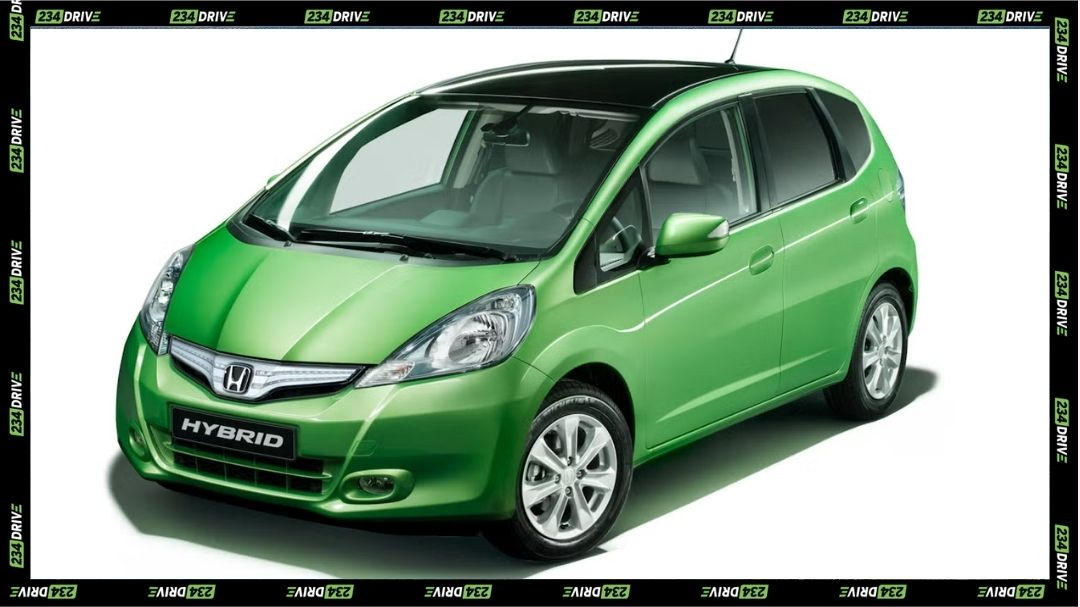
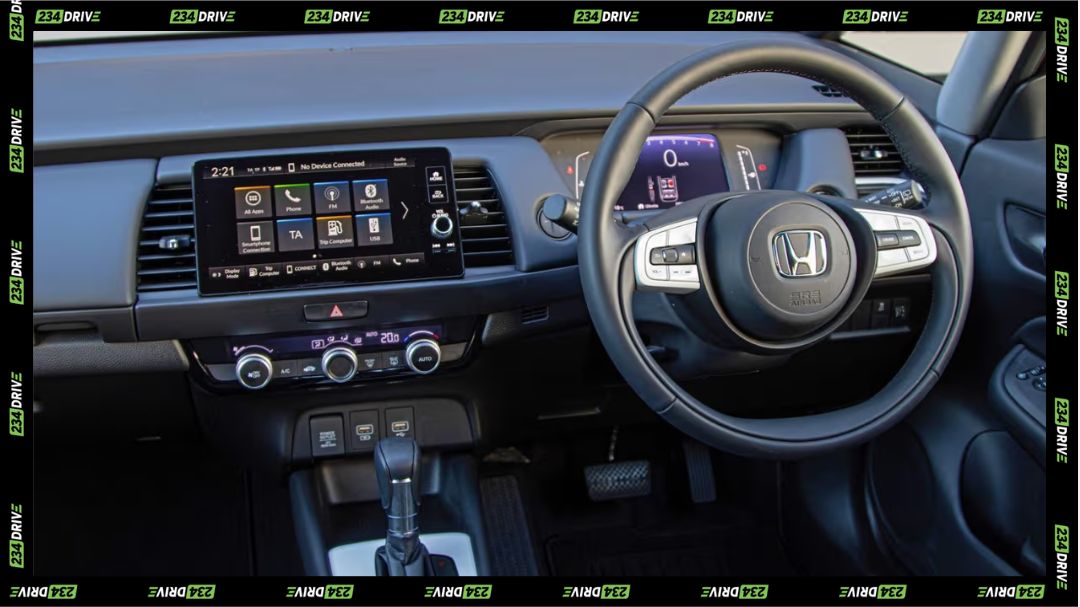
The interior is the Fit’s strongest selling point, specifically the famous “Magic Seats” that can be configured in various ways to accommodate bulky items or long loads. This versatility makes it a favourite for small business owners and urban families who need more cargo space than a traditional small car provides. The 1.3-litre to 1.5-litre engines are smooth and efficient, delivering a driving experience that feels more substantial than its dimensions suggest. Tech-wise, it often comes equipped with climate control and keyless entry, making it feel more premium than its rivals. Prices typically range from KSh 900,000 to KSh 3.3 million depending on the year and trim, offering a spacious and reliable alternative to the Vitz.
3. Mazda Demio
The Mazda Demio is frequently cited as the most stylish option in the compact category, thanks to Mazda’s “Kodo” design language. Its exterior is characterised by flowing lines, a prominent signature grille, and an aggressive stance that sets it apart from more utilitarian hatchbacks. The Demio’s road presence is sophisticated and agile, appealing to young professionals who desire a vehicle that looks as good as it performs. The paint finishes on these Japanese imports are often high-quality, maintaining a deep lustre even under the intense Kenyan sun.
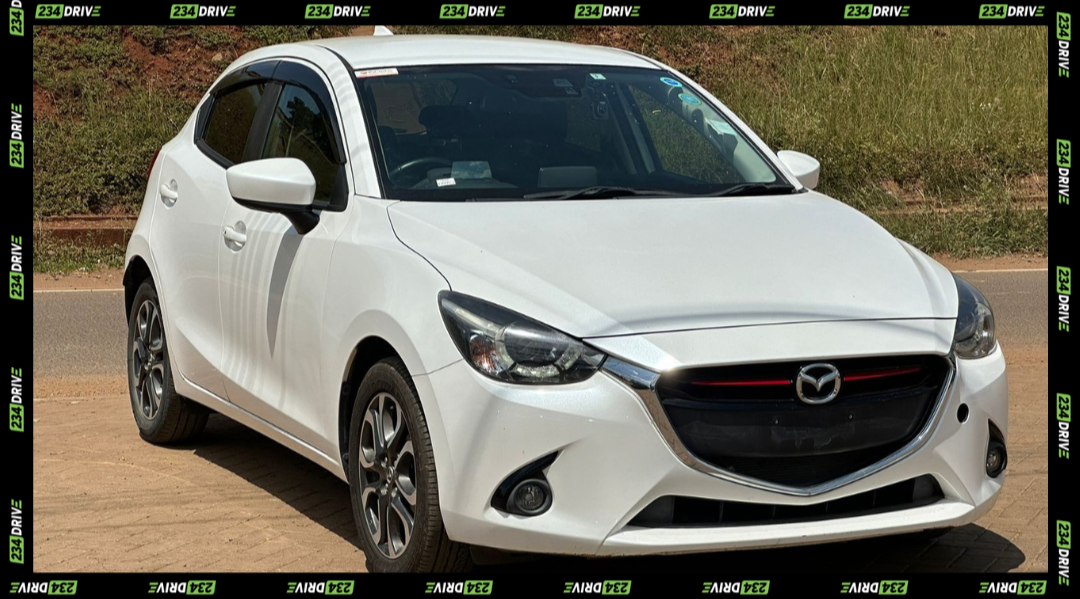
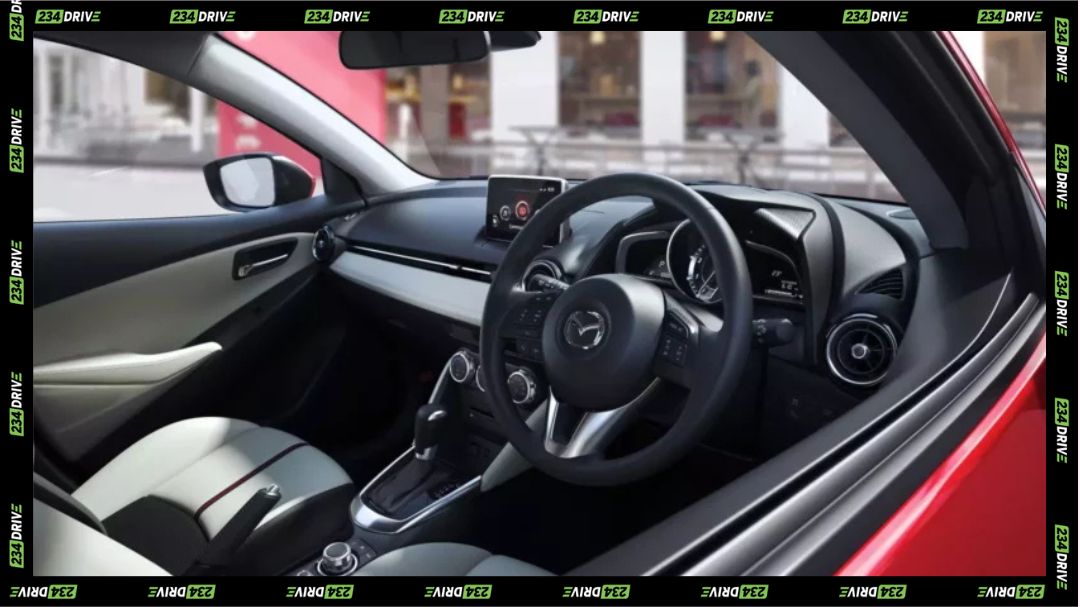
Under the bonnet, the Demio utilises Skyactiv technology to optimise performance and fuel economy. The 1.3-litre and 1.5-litre petrol engines are exceptionally responsive, while the 1.5-litre diesel variant is a hidden gem for long-distance commuters, offering impressive torque and up to 23 km/L. The interior is driver-centric, featuring a clean dashboard layout and comfortable seating that provides good lateral support during spirited cornering. Despite its premium feel, the Demio remains affordable to maintain, with prices in the second-hand market falling between KSh 800,000 and KSh 1.6 million, making it a competitive and trendy choice for the modern Kenyan driver.
4. Toyota Fielder
The Toyota Fielder is an iconic sight on Kenyan roads, serving as the ultimate multi-purpose wagon. Its exterior design is long and functional, with a focus on maximising rear cargo volume without sacrificing the sleek profile of a passenger car. The Fielder’s road presence is one of quiet competence; it is a vehicle that signals reliability and practicality. Its high ground clearance, particularly in newer models, allows it to handle the rougher terrain of Kenya’s agricultural zones with ease, making it as much at home in a tea plantation as it is on a highway.
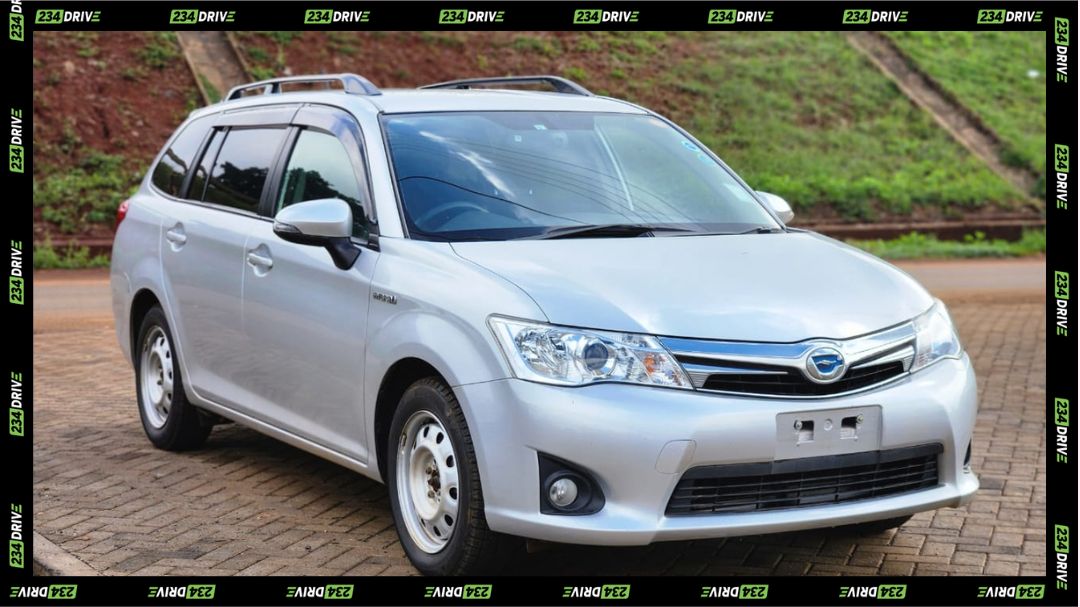
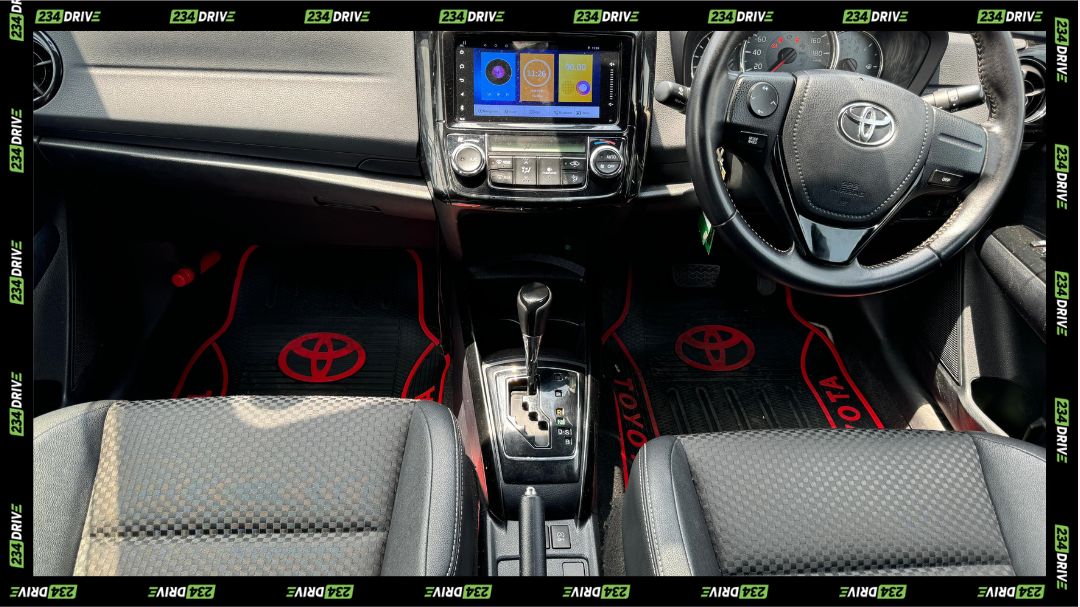
Interior comfort in the Fielder is excellent for both passengers and cargo, featuring a spacious rear bench and a flat load floor when the seats are folded. It is a vehicle designed for heavy use, with hard-wearing upholstery and a simple but effective dashboard. Performance is anchored by the venerable 1.5-litre 1NZ-FE engine or its newer hybrid successors, which are famous for reaching hundreds of thousands of kilometres with only basic maintenance. Because it is one of the vehicles with the highest resale value in Kenya, it is a safe financial bet. Second-hand units are currently priced between KSh 1.38 million and KSh 3 million, reflecting its immense popularity among families and commercial users alike.
5. Subaru Forester
The Subaru Forester is the vehicle of choice for those who require genuine off-road capability without the bulk of a full-sized SUV. Its exterior is rugged and muscular, featuring wide wheel arches, a functional bonnet scoop on turbocharged models, and a substantial 220mm of ground clearance. The Forester commands a strong road presence, often associated with speed and adventurous lifestyles in Kenya. It is built to tackle the muddy tracks of the Rift Valley or the sandy roads of the coast, providing a sense of security that few other crossovers can match.
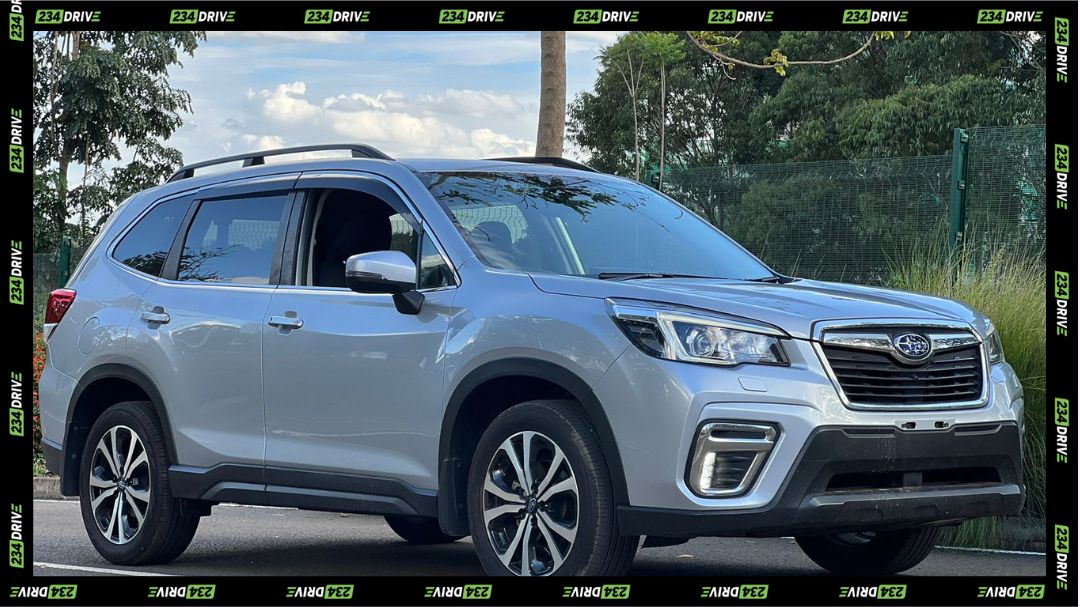
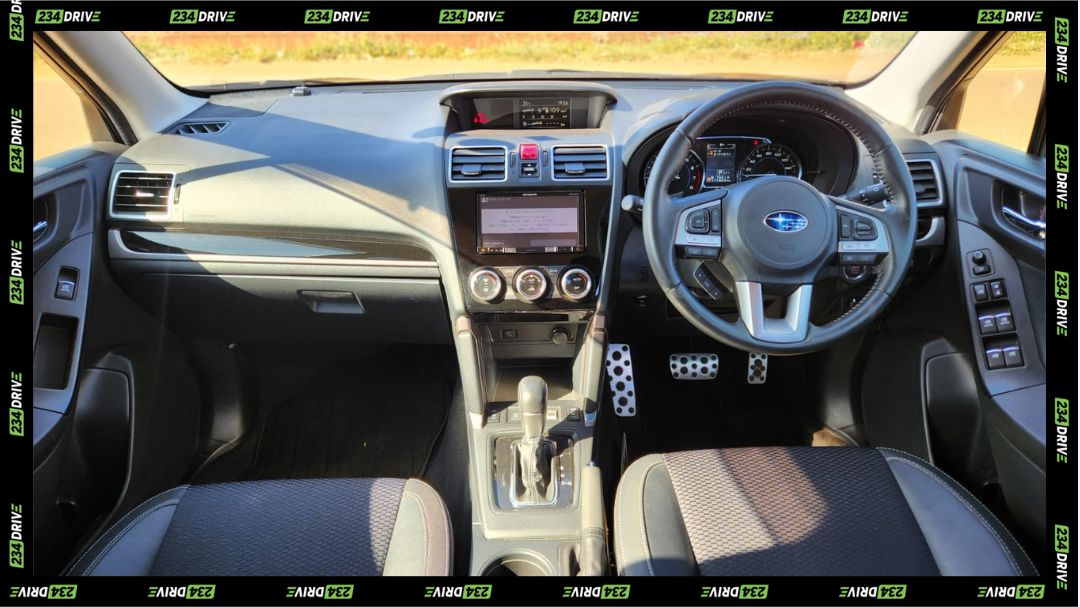
The interior is designed for durability and safety, featuring Subaru’s EyeSight driver assist technology in many newer second-hand imports. The cabin is spacious, with ample head and legroom for five adults and a large boot for camping gear or supplies. Powered by a 2.0-litre or 2.5-litre Boxer engine and Subaru’s Symmetrical All-Wheel Drive, the Forester offers exceptional stability and traction on slippery surfaces. While its fuel consumption is higher than the hatchbacks on this list (averaging 12-15 km/L), its performance in adverse conditions is peerless. Used models can be found starting from KSh 890,000 for older generations, while newer, low-mileage units can exceed KSh 4.5 million.
Regional Relevance and Ownership Lifestyle
In the Kenyan context, vehicle ownership is heavily influenced by the prevailing road conditions and the high cost of fuel. The dominance of Japanese imports is a direct result of their ability to handle “wash-board” gravel roads and deep potholes without requiring frequent, expensive repairs. Furthermore, the tropical climate, particularly in coastal regions like Mombasa, requires vehicles with efficient cooling systems and robust electrical components. Buyers are increasingly aware of the hidden things to look out for during the purchase process, such as undercarriage rust from salt air or suspension wear from rough upcountry terrain.
Prestige also plays a role, with brands like Subaru and Toyota carrying significant social weight. However, practical considerations like the availability of mechanics who understand CVT transmissions or hybrid batteries are becoming more critical as the fleet modernises. The ownership experience in Kenya is unique because a car is often a shared family asset or a secondary source of income via digital taxi platforms. This necessitates a vehicle that is not only reliable but also easy to insure and register through the NTSA’s TIMS portal, ensuring a seamless transition from the showroom to the road.
Competitive Positioning and Market Comparison
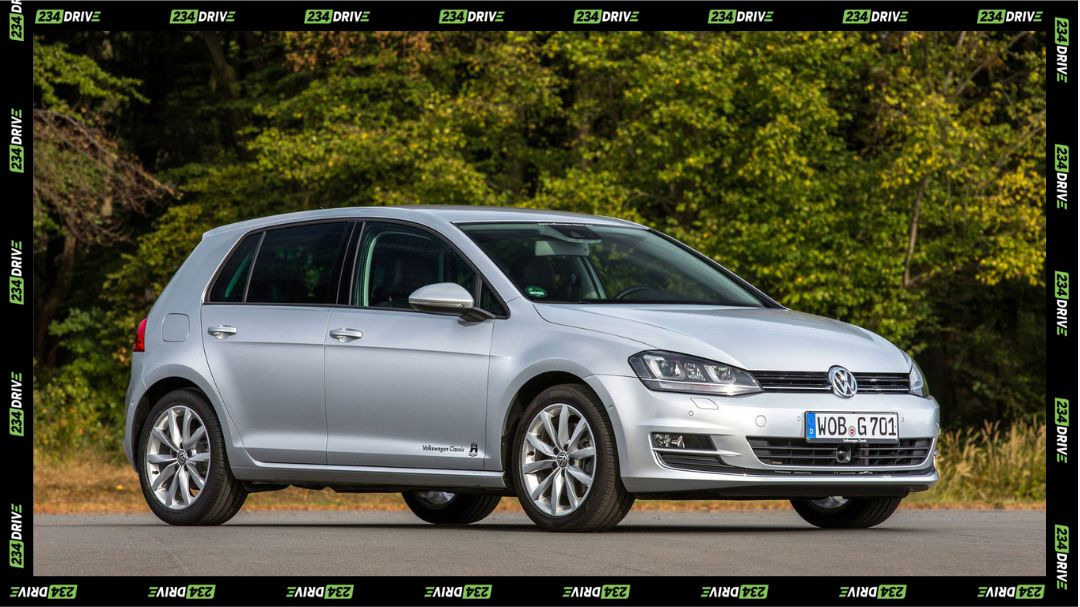
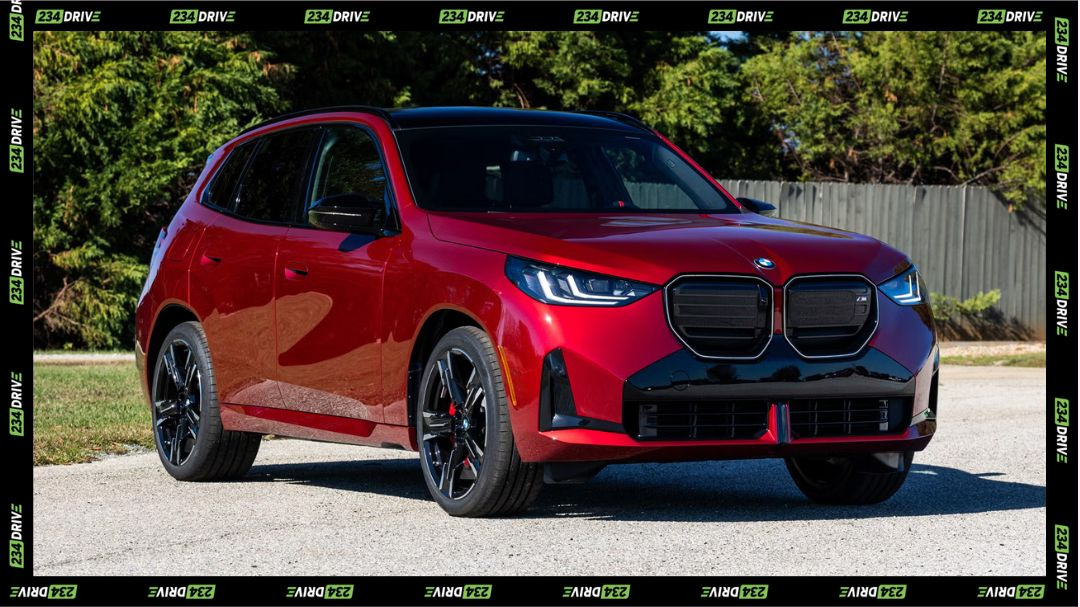
When comparing these vehicles to their European counterparts, such as the Volkswagen Golf or BMW X3, the Japanese models consistently win on the grounds of maintenance costs and resale value. While European cars offer superior driving dynamics and interior materials, the scarcity of specialised diagnostic tools and expensive spare parts makes them a risky choice for those outside major cities. The Toyota Fielder and Forester, in particular, hold their value far better than segment rivals from Ford or Hyundai, often selling for nearly their purchase price even after several years of local use.
Furthermore, the rising threat of buying used car scams has led consumers toward more “common” models where parts are interchangeable and history is easier to verify. The competitive positioning of these five cars is solidified by their “universal” nature; a mechanic in a small town like Narok is far more likely to have a spare air filter for a Vitz than for a Peugeot. This ecosystem of support, combined with their proven track record on Kenyan soil, ensures that they remain the most sensible financial and lifestyle choices for the vast majority of the population.
Summary
In summary, the Toyota Vitz, Honda Fit, Mazda Demio, Toyota Fielder, and Subaru Forester represent the most reliable and sought-after second-hand vehicles in the Kenyan market. Each model caters to a specific demographic, from the urban commuter and the small business owner to the off-road adventurer. Their shared strengths of fuel efficiency, robust engineering, and high resale value make them the gold standard for anyone looking to navigate the diverse roads of East Africa’s largest economy.
Are you considering one of these Japanese imports for your next purchase, or do you believe a European alternative offers better value? We invite you to share your thoughts and ownership experiences in the comments below!