
In Nigeria’s dynamic automotive landscape, buying a car is rarely just a purchase; it is a strategic financial decision. As of 2026, with the naira fluctuating around ₦1,600 to the dollar and import duties pushing new vehicle prices into the stratosphere, the ability of a car to retain its value has become the paramount concern for buyers. The quest for vehicles with superior resale value is driven by economic necessity, where a vehicle acts as a liquid asset that can be sold to fund a business, pay school fees, or upgrade to a newer model without a crushing loss.
This guide focuses on the “Smart Money List” the five vehicles that defy typical depreciation curves in the Nigerian market: the Toyota Corolla, Toyota Camry, Honda Accord, Lexus RX 350, and Toyota Highlander. Drawing from market trends and sales data, these models are not just transport; they are financial safety nets. Whether sourced as “Tokunbo” (foreign-used) or locally owned, their dominance is built on a foundation of parts availability, mechanic familiarity, and an unshakeable cultural trust that they will start every morning, regardless of the fuel quality or road conditions.
1. Toyota Corolla
The Liquid Asset (e.g., 2010–2020 Models)
The Toyota Corolla is widely regarded as the “king of resale” in Nigeria, holding a status akin to currency. Its exterior design, particularly in the 2014–2020 generations, strikes a balance between modesty and modernity. It does not demand attention with flashy grilles, but its compact, aerodynamic silhouette commands respect as a sensible choice. On the road, it blends seamlessly into the chaotic traffic of Lagos or the expressways of Abuja, projecting an image of pragmatic efficiency. Its ubiquity is its greatest strength; a clean Corolla attracts buyers instantly, often selling within days of listing.
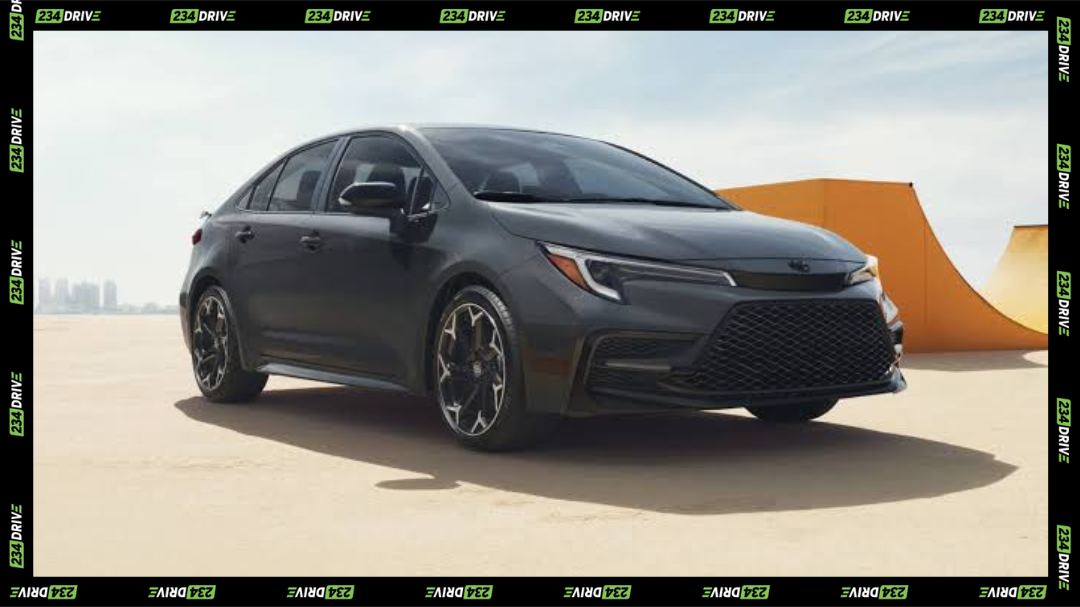
Inside, the Corolla prioritises durability over luxury, which is exactly what the secondary market desires. The dashboard layout is intuitive, avoiding complex electronics that are prone to failure in humid climates. Performance is delivered by the legendary 1.8-litre 4-cylinder engine, renowned for sipping fuel at a rate of 12–15 km/l. This efficiency is a major selling point as petrol prices rise. In terms of value, a well-maintained 2011–2015 model commands between ₦8 million and ₦12 million, while newer 2021+ versions can fetch ₦35–50 million. This incredible retention—often 70–80% after five years—makes it the gold standard for first-time buyers and ride-hailing investors.
2. Toyota Camry
The Executive Standard (e.g., “Muscle” to 2026 Models)
The Toyota Camry steps up the game, offering a more substantial road presence that appeals to professionals and families alike. From the “Muscle” era to the sleek 2026 designs, the Camry features a wider stance and a more aggressive front fascia that hints at its durability. It sits confidently on the road, absorbing bumps with a suspension tuned for comfort, making it a favourite for interstate travel. Its reputation as a durable daily driver ensures that even models with high mileage remain desirable, provided the engine has been serviced regularly.
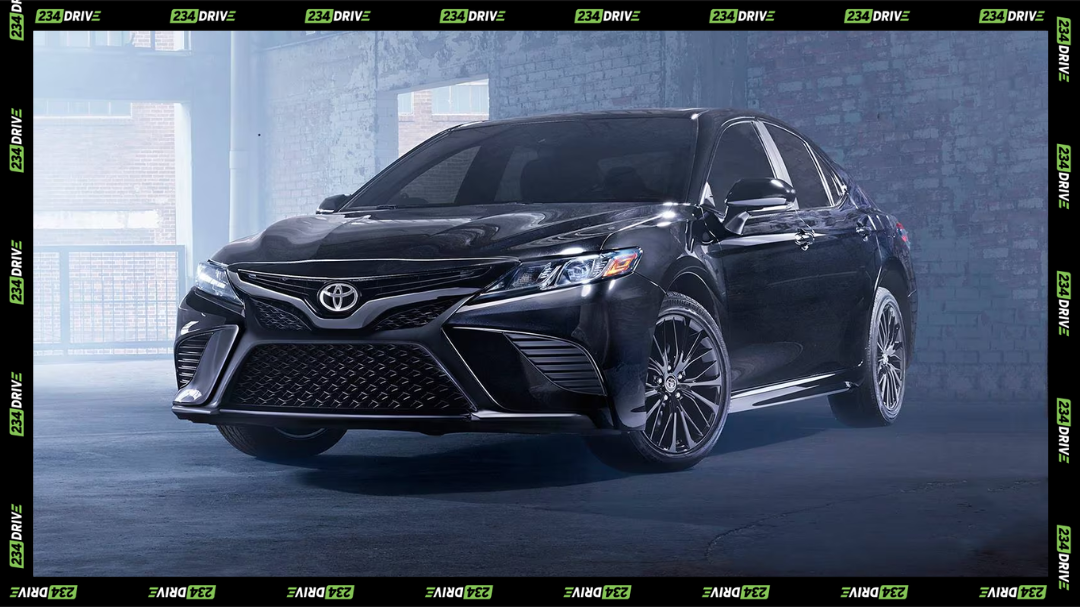
The cabin of the Camry offers a significant upgrade in space and refinement, featuring plush seating and better noise isolation than its smaller sibling. Under the bonnet, the available V6 engines in older models provide robust power, while newer 4-cylinder and hybrid options push fuel efficiency up to 18 km/l. This blend of comfort and economy keeps demand high. Prices reflect this prestige: a 2011–2015 Camry sells for ₦9–15 million, while the latest models range from ₦90–120 million. It remains one of the best-selling used cars because it offers near-luxury comfort without the scary maintenance bills.
3. Honda Accord
The Sporty Alternative (e.g., “Evil Spirit” to Recent Hybrids)
The Honda Accord has carved out a niche for buyers who want reliability but refuse to sacrifice driving engagement. Its exterior styling is consistently sharper and more athletic than the Camry, featuring aggressive lines and a lower profile that appeals to a younger demographic. On the road, the Accord feels planted and responsive, shedding the “boring” tag often associated with family sedans. While it historically faced criticism for ball joint issues in older generations, modern iterations have resolved this, solidifying its reputation as a robust contender.

Interior-wise, the Accord often leads the class in technology and design flair, with recent models boasting Apple CarPlay and premium materials that age well. Performance is spirited, with 1.5-litre turbo or hybrid powertrains delivering 15–20 km/l, crucial for long-term ownership costs. Although it depreciates slightly faster than Toyotas due to a perception of delicate suspension, it still retains 60–75% of its value. Used prices for 2011–2015 models sit between ₦9 million and ₦14 million, making it a fantastic value proposition for those seeking a modern driving experience with solid second hand value.
4. Lexus RX 350
The Premium Benchmark (e.g., 2010–2022 Models)
In the SUV segment, the Lexus RX 350 is the undisputed heavyweight of resale value. It manages to balance the “status symbol” appeal with the ruggedness required for Nigerian roads. Its exterior is unmistakable, featuring the signature spindle grille and a high riding stance that signals wealth and capability. Unlike European luxury SUVs that are feared for their fragility, the RX 350 is seen as “Japanese muscle”—luxurious but tough. This dual nature makes it the preferred vehicle for executives who need to visit construction sites or travel to the village.
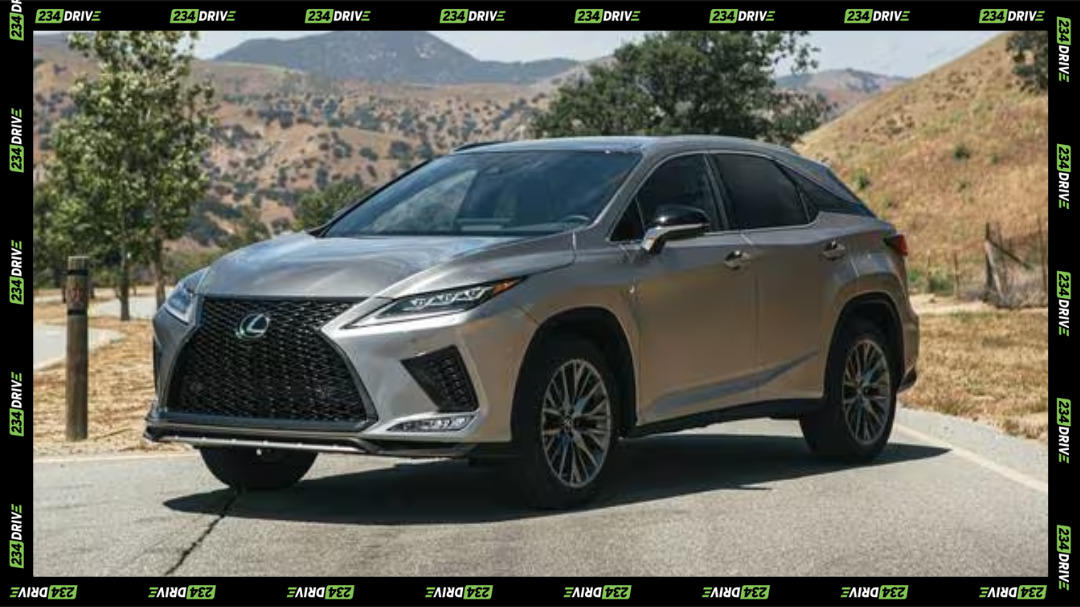
The interior is a cocoon of leather and wood, offering a level of comfort that rivals German competitors. Standard features like all-wheel drive and potent V6 engines (approx. 295 hp) provide confidence in all weather conditions, though fuel consumption is higher at 8–12 km/l. Despite the higher running costs, the resale market is voracious. A 2011–2015 RX 350 can still command ₦18–29 million, while newer versions push past ₦100 million. The market perception is clear: you are buying a Toyota with a tuxedo, ensuring reliability alongside prestige.
5. Toyota Highlander
The Family Fortress (e.g., 2012–2024 Models)
Rounding out the list is the Toyota Highlander, the definitive family hauler for the Nigerian middle class. Its exterior is boxy, muscular, and imposing, designed to maximise interior volume while maintaining a commanding view of the road. It lacks the sheer luxury of the Lexus but makes up for it with a “go-anywhere” attitude. The Highlander’s high ground clearance and robust suspension setup make it ideal for the pothole-ridden routes of Lagos suburbs, contributing to its highest resale value among non-luxury SUVs.
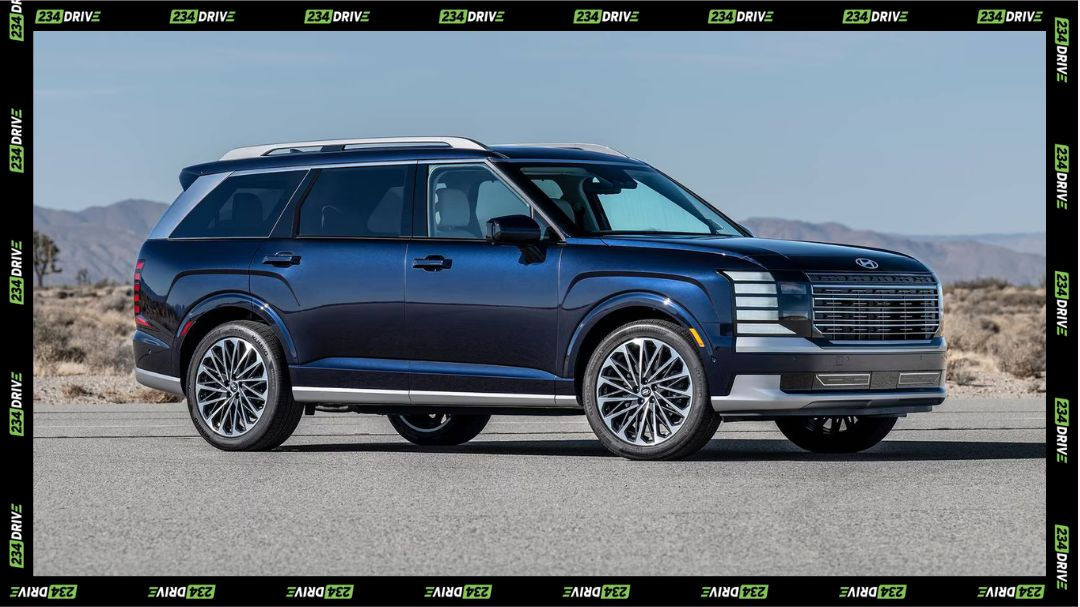
Inside, the Highlander is all about practicality, offering three rows of seats to accommodate 7-8 passengers. This versatility makes it a prime target for large families and transport businesses alike. Modern models feature turbocharged engines that offer better torque (317 lb-ft) and improved efficiency (10–14 km/l). The demand for 7-seaters ensures that depreciation is painfully slow for buyers but excellent for sellers. A used 2011–2015 model retains a value of ₦14–30 million, proving that utility is a major driver of asset retention in Nigeria.
Relevance to the Nigerian Driving Environment
The exceptional resale value of these five vehicles is not accidental; it is a direct response to the Nigerian driving environment. In a country where road infrastructure can change from smooth asphalt to cratered earth in a few kilometres, durability is the primary currency. These cars excel because their suspension systems can withstand abuse that would sideline more delicate European rivals. Furthermore, the tropical climate necessitates air conditioning systems that are nothing short of industrial-grade—an area where Toyota and Honda consistently outperform others.
Crucially, the “parts ecosystem” dictates value. For these top five cars, replacement parts are available in every corner of the country, from Ladipo Market in Lagos to Kugbo in Abuja. A mechanic in a remote village can fix a Corolla or a Highlander with his eyes closed, whereas a breakdown in a niche brand could mean weeks of waiting for imported parts. This ease of maintenance lowers the “fear factor” for second-hand buyers, keeping demand and prices perpetually high.
Japanese Dominance vs. The Rest
When compared to their segment rivals, the dominance of these five cars becomes stark. In the sedan category, the Toyota Corolla and Camry consistently outsell and out-price competitors like the Hyundai Elantra or Kia Optima on the used market. While Korean cars have improved massively, they still suffer from a perception of lower long-term engine durability, leading to steeper depreciation curves. Similarly, the Honda Accord fights off the Mazda 6, winning on brand recognition and parts availability despite the Mazda’s often superior driving dynamics.
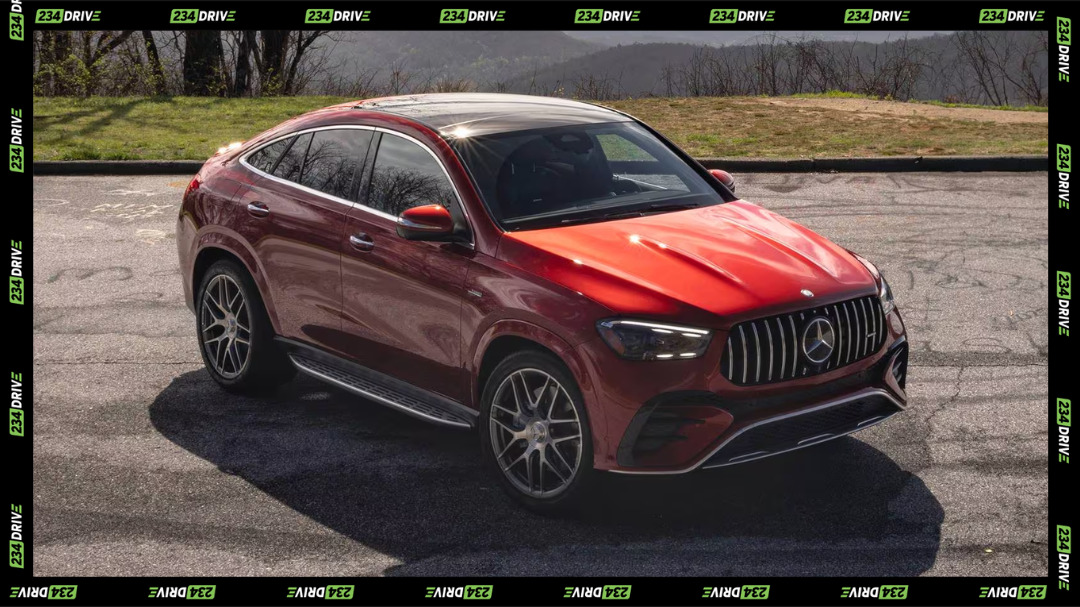
In the premium SUV space, the Lexus RX 350 destroys the resale value of the Mercedes-Benz ML/GLE or BMW X5. While the German cars offer superior performance and brand snobbery, they are plagued by the “money pit” reputation once they leave the warranty period. Buyers actively avoid these car brands in the used market if they are on a budget, causing their values to plummet by 40–50% faster than the Lexus. The Toyota Highlander stands almost alone; its only real rival is the Honda Pilot, which trails slightly in resale due to occasional transmission complaints in older models. Ultimately, the market penalises complexity and rewards simplicity.
Conclusion
In the economic reality of 2026, purchasing a vehicle in Nigeria is an investment exercise. The Toyota Corolla, Camry, Honda Accord, Lexus RX 350, and Toyota Highlander represent the safest bets in a volatile market. They offer a unique combination of durability, affordable maintenance, and liquid demand that protects the owner’s capital better than almost any other consumer good.
While they may not always be the fastest or the most technologically advanced options available, their ability to retain 60–80% of their value after years of use makes them champions of the Nigerian road. As you consider your next purchase, remember that in Nigeria, the true cost of a car is not just what you pay to buy it, but what you get back when you sell it.