
Kenya’s automotive landscape is uniquely defined by a deep-rooted reliance on Japanese imports, which currently account for over 80% of the vehicles on the road. This dominance is driven by a combination of legendary reliability, exceptional fuel efficiency, and the widespread availability of spare parts across the country. In 2026, new regulations have shifted the market significantly, restricting vehicle imports to right-hand-drive units first registered in 2019 or later. This eight-year age limit ensures that the used car fleet is modern, safer, and more environmentally friendly, though it has naturally influenced price points and availability for the average Kenyan motorist.
For the modern Kenyan driver, selecting a vehicle is a balance between navigating Nairobi’s dense traffic and enduring the rugged terrains of rural counties. The Japanese ‘Big Five’ Toyota Vitz, Toyota Probox, Honda Fit, Toyota Hilux, and Nissan X-Trail have emerged as the preferred choices for their ability to withstand local conditions while retaining strong resale value. Whether for personal commuting, family adventures, or small business logistics, these models represent the pinnacle of practical automotive engineering. This guide explores their technical specifications, local costs, and why they remain the gold standard in a competitive used car market.
Toyota Vitz: The Urban Agility Champion
The Toyota Vitz, known globally as the Yaris, remains a staple on Kenyan streets due to its compact dimensions and nimble handling. The 2019-2022 models feature a modern, streamlined exterior with sharp LED headlamps and a distinctive front grille that gives it a contemporary road presence. Despite its small stature, the Vitz offers a surprisingly solid stance, making it ideal for squeezing through tight city lanes and finding parking in congested areas like the Nairobi Central Business District. Its lightweight body contributes to its agility, ensuring a responsive driving experience that appeals to first-time owners and urban professionals alike.
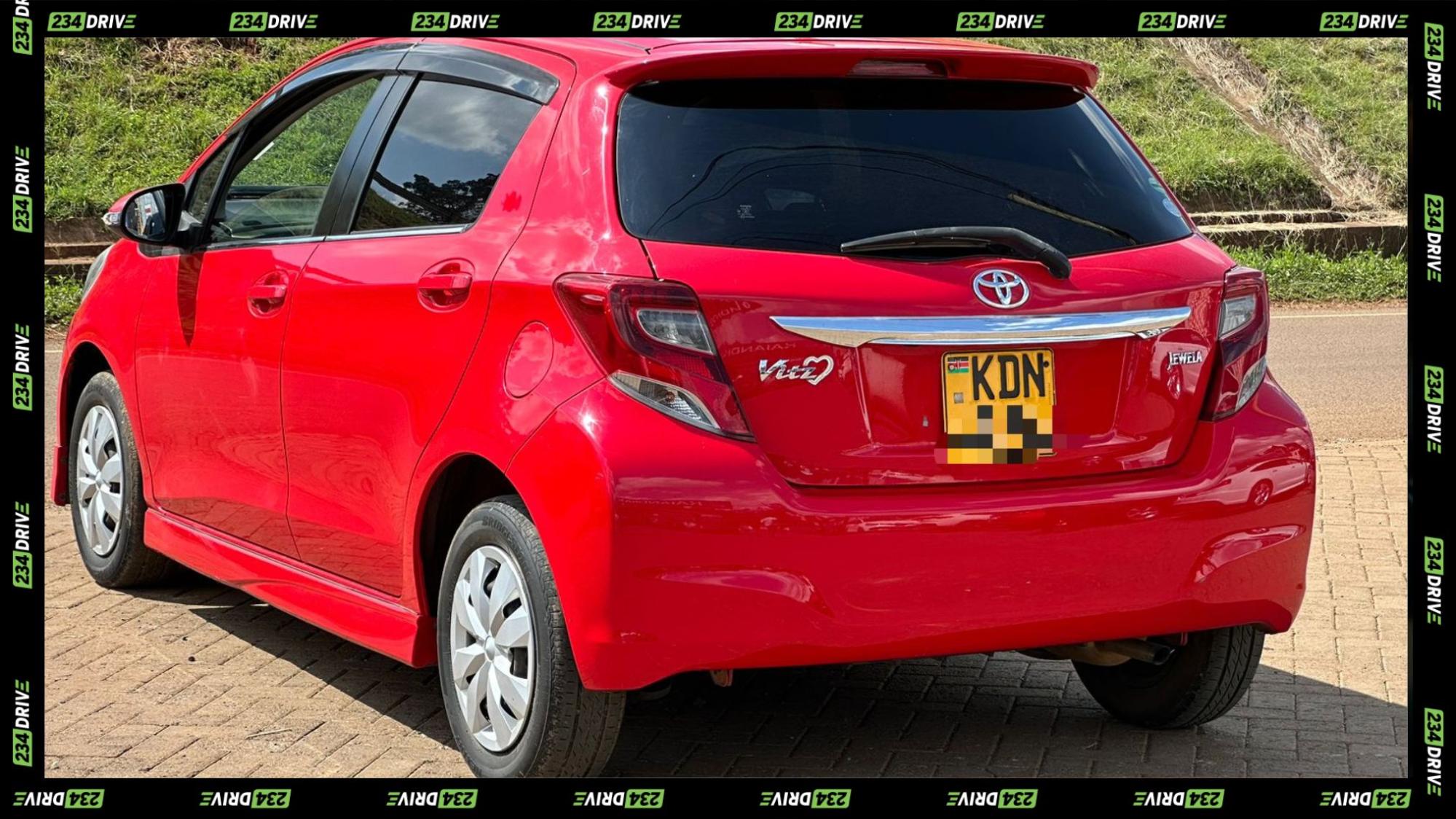
Inside, the Vitz prioritises functionality and driver ergonomics, featuring a clean dashboard layout and intuitive infotainment options. Most models available in the 2026 market come equipped with 1.0L to 1.5L engines, delivering a balance of power and exceptional fuel economy ranging from 16 to 26 km/l. The driving dynamics are tuned for comfort, with a soft suspension that handles speed bumps and minor potholes with relative ease. For those seeking more detail, a Toyota Vitz guide helps explain why prices range from KSh 400,000 to KSh 1.5 million depending on the specific trim and mileage.
Toyota Probox: The Indestructible Workhorse
The Toyota Probox is perhaps the most recognisable commercial vehicle in Kenya, celebrated for its utilitarian design and uncompromising durability. Its exterior is intentionally minimalist, featuring a boxy silhouette that maximises internal volume and a high ground clearance suited for poorly paved roads. The 2019+ models have seen slight refinements in styling, but the focus remains on a rugged build quality that can withstand heavy daily use. Its simple panels and sturdy bumpers make it less prone to expensive bodywork repairs, a critical factor for business owners operating in demanding environments.
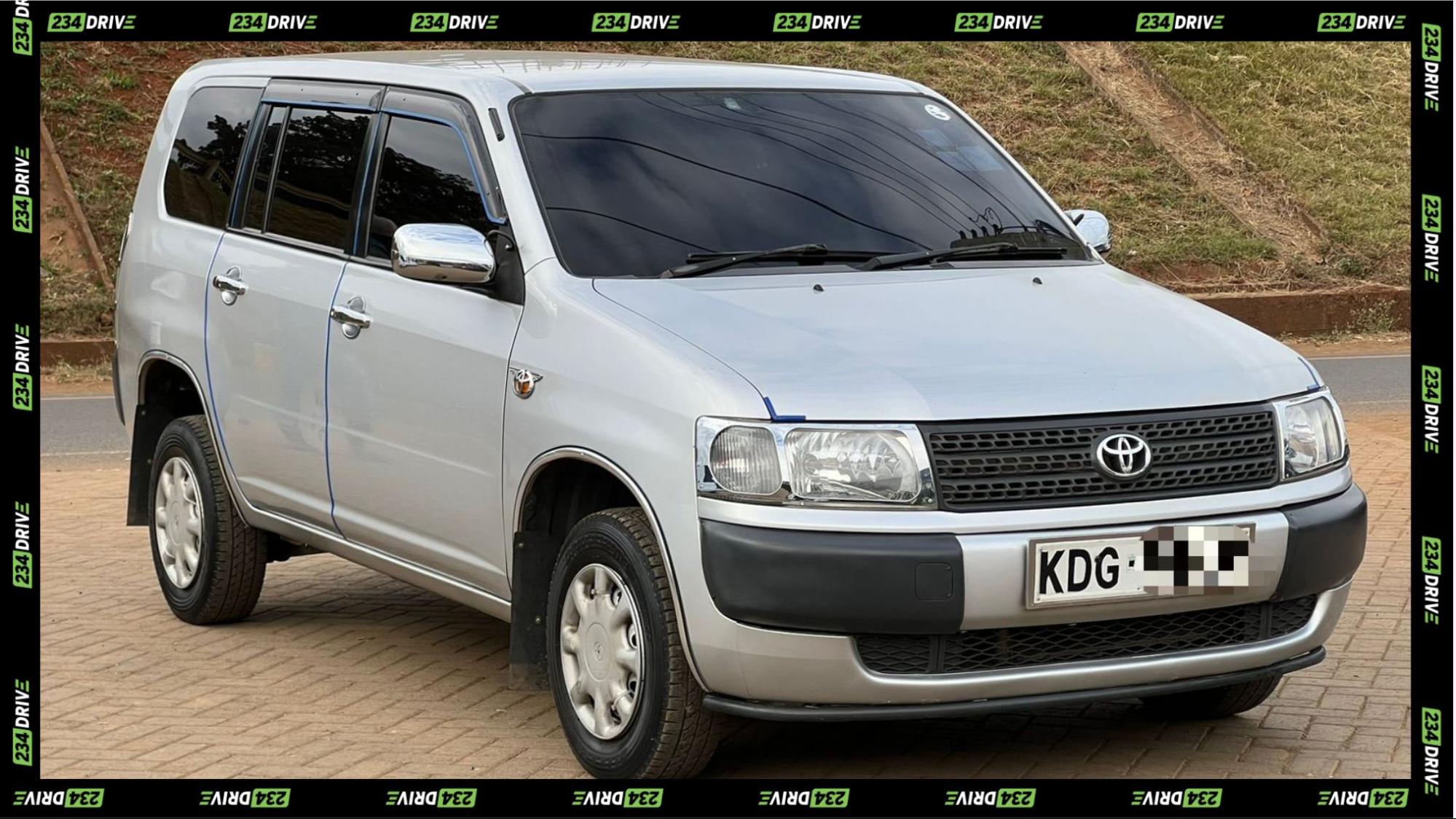
The interior of the Probox is designed for maximum utility, offering a vast cargo area that can easily be configured to carry everything from agricultural produce to hardware supplies. It is powered by a reliable 1.3L or 1.5L engine, with hybrid variants becoming increasingly popular in 2026 for their impressive 22-26 km/l fuel efficiency. The driving experience is straightforward and robust, engineered to maintain stability even when carrying significant payloads. According to a 2021 Probox review, the car currently retails between KSh 1 million and KSh 1.5 million, offering a value proposition based on generating income with minimal maintenance.
Honda Fit: The Sophisticated Family Hatchback
The Honda Fit, or Jazz, is the primary rival to the Toyota Vitz, offering a more premium feel and innovative space management. Its exterior design is sleek and aerodynamic, featuring a large glass area that provides excellent visibility for the driver. The 2019 and later generations boast a more aggressive front fascia and sculpted side lines that give it a sophisticated, modern edge over more traditional hatchbacks. It carries a certain level of prestige in the Kenyan market, often viewed as the ‘thinking person’s’ car due to its clever engineering and stylish execution.
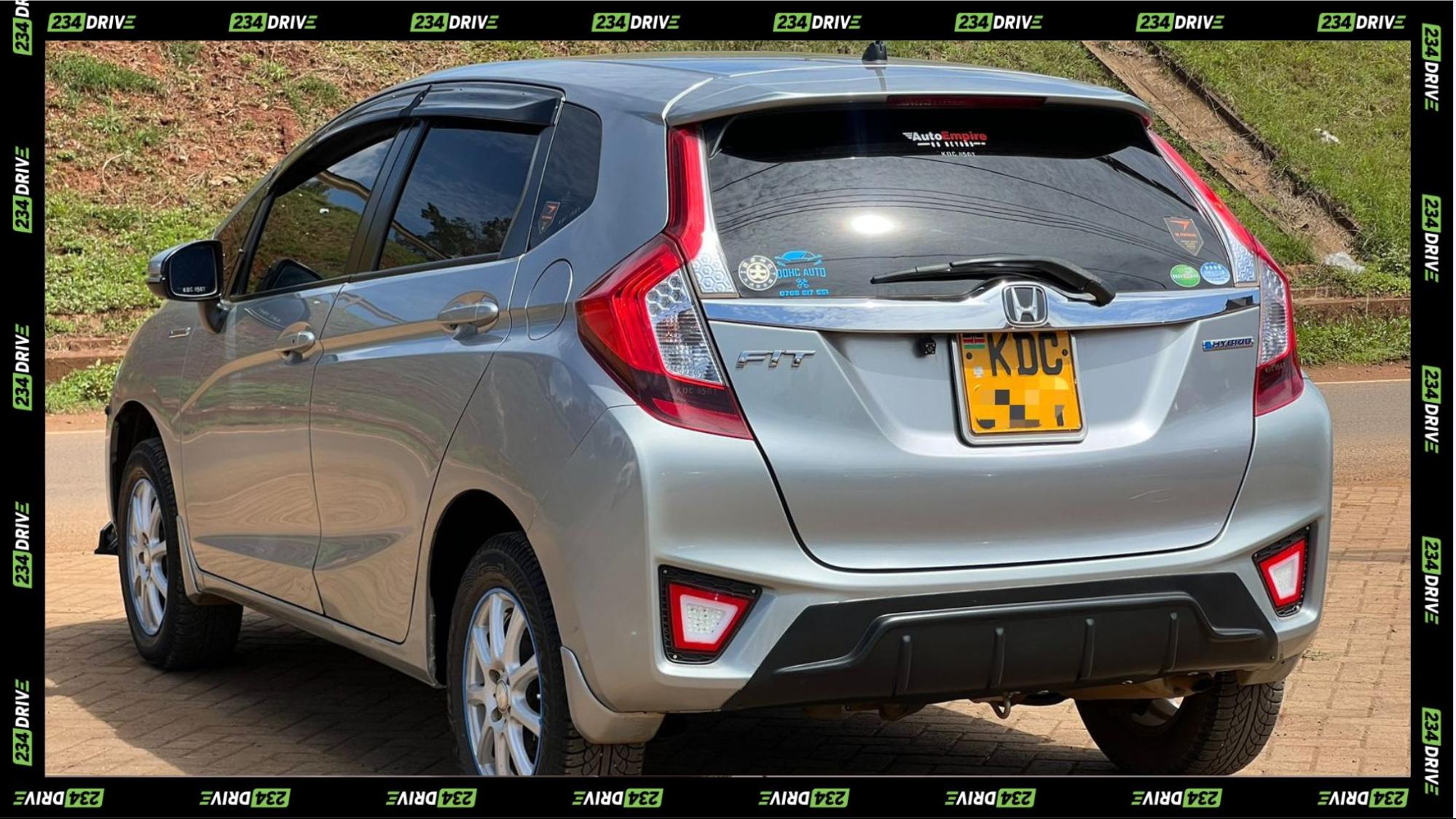
The interior is famous for Honda’s ‘Magic Seats’ system, which allows the rear seats to fold flat or flip up, accommodating tall or bulky items that would typically require a much larger vehicle. Under the bonnet, the Fit usually features a 1.3L or 1.5L i-VTEC engine, often paired with a hybrid system that can achieve up to 30 km/l under optimal conditions. The cabin technology is a step up from its competitors, often featuring digital climate control and advanced safety suites like Honda SENSING. Prices for these models in Kenya generally fall between KSh 600,000 and KSh 1.2 million, reflecting its position as a high-value family vehicle.
Toyota Hilux: The Rugged King of the Off-Road
The Toyota Hilux is the undisputed leader in Kenya’s pickup segment, synonymous with toughness and longevity. Its exterior design is imposing, characterised by a massive front grille, flared wheel arches, and a high-riding profile that commands respect on any road. The eighth-generation models (2019+) offer a blend of work-ready durability and lifestyle-oriented aesthetics, making them equally at home on a construction site or at a high-end mall. Its reinforced cargo bed and heavy-duty suspension are built to handle the harshest terrains the Kenyan interior has to offer.
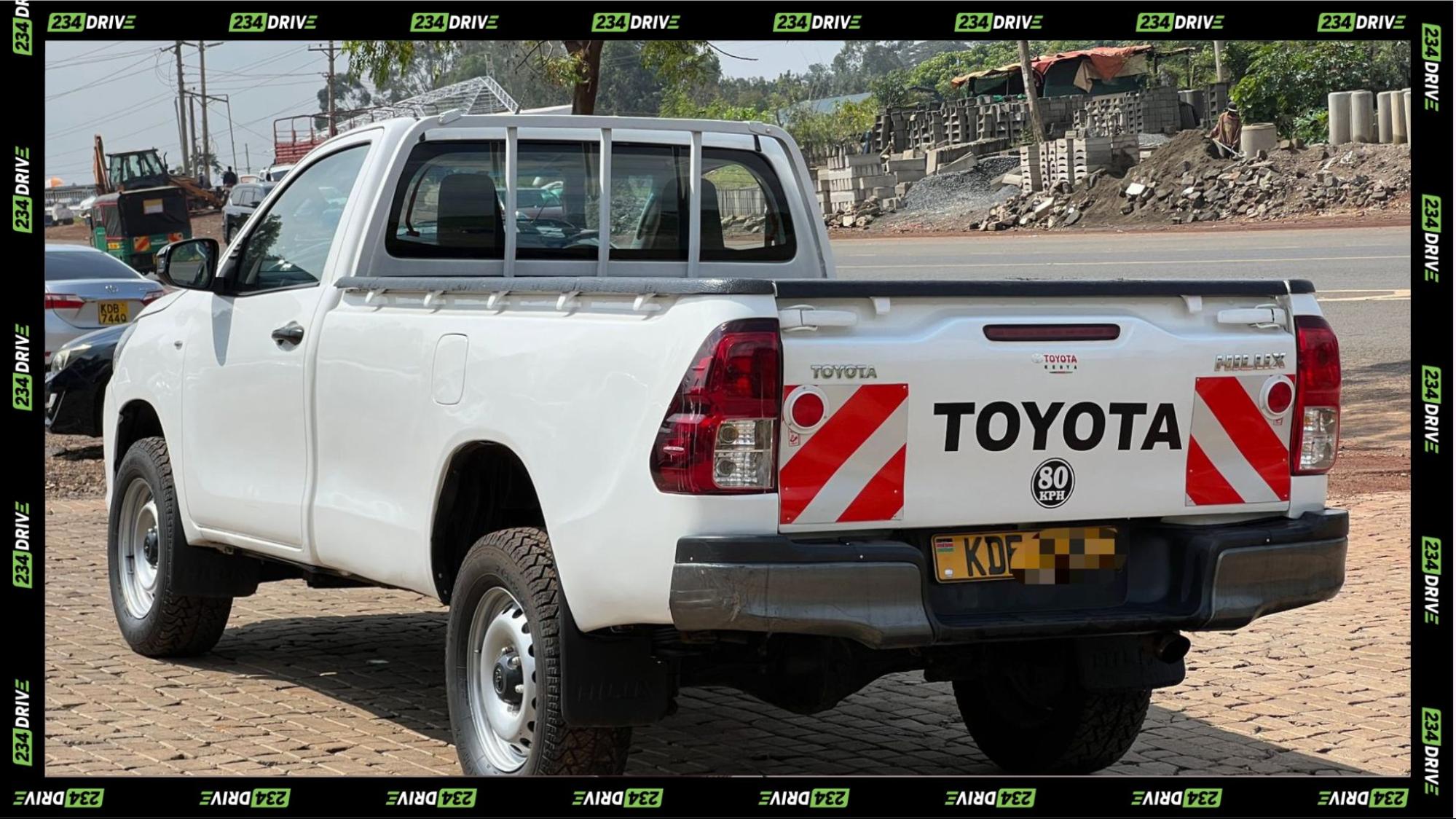
Performance is driven by powerful 2.4L or 2.8L diesel engines that provide the torque necessary for heavy towing and off-road traversal. While the interior has traditionally been basic, newer models imported under current regulations feature surprisingly refined cabins with leather accents, touchscreen interfaces, and modern climate control. As noted in a Toyota Hilux review, the driving feel is secure and authoritative, with a 4WD system that can conquer mud, sand and rocky paths. Recently, technological shifts have seen the Toyota Hilux go hybrid, further enhancing its appeal in a fuel-conscious market.
Nissan X-Trail: The Versatile Family Crossover
The Nissan X-Trail occupies a vital niche in Kenya as a versatile SUV that balances urban comfort with light off-road capability. Its exterior design is elegant and fluid, featuring Nissan’s signature V-motion grille and stylish alloy wheels that provide a premium aesthetic. The T32 generation, which dominates the 2026 import market, offers a larger footprint than a hatchback but remains manageable in city traffic. Its All-Mode 4×4-i system provides confidence during the rainy season when Kenyan roads can become slick and unpredictable.
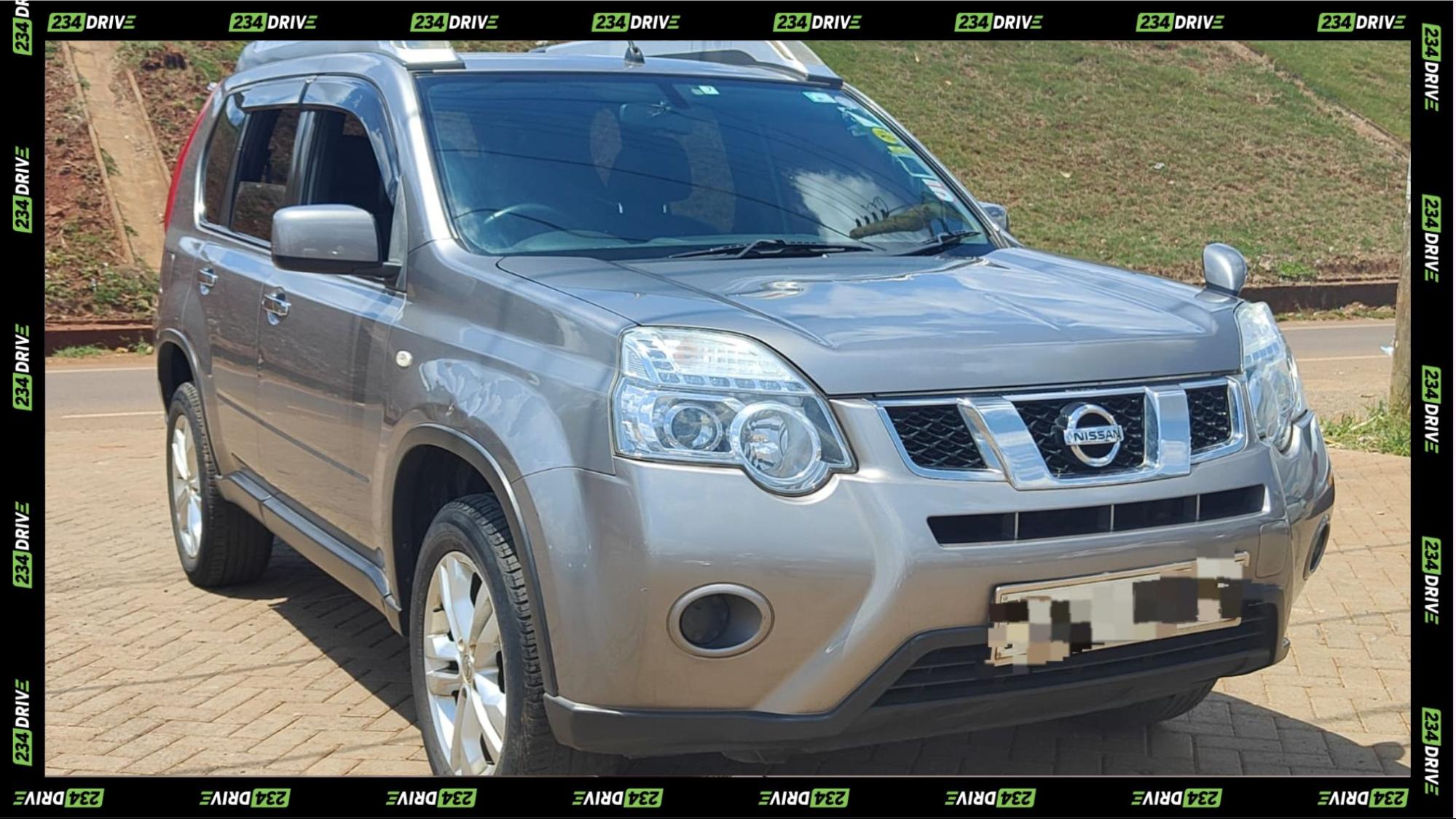
The interior of the X-Trail focuses on passenger comfort and tech-savviness, offering a spacious cabin with high-quality materials and optional seven-seat configurations. It typically utilises a 2.0L or 2.5L engine, achieving a respectable 7-12 km/l, though hybrid models can push this significantly higher. A Nissan X-Trail review highlights that while the car is praised for its smooth CVT, local mechanics emphasize regular fluid changes for longevity. Regional interest remains high as the Nissan X-Trail 2025 launches in neighbouring markets, setting the stage for future used imports.
Practicality and Lifestyle Suitability in Kenya
The relevance of this specific collection of Japanese vehicles is deeply tied to Kenya’s unique infrastructure and economic climate. With petrol prices often fluctuating around KSh 200 per litre, the high fuel efficiency of the Vitz and Fit provides essential relief for daily commuters. Furthermore, Kenya’s tropical climate and occasionally dusty conditions demand vehicles with robust air conditioning and air filtration systems areas where Japanese manufacturers excel. The prevalence of Toyota and Nissan service centres across the country, from Mombasa to Kisumu, ensures that maintenance is never a logistical nightmare, regardless of where the owner resides.
From a prestige perspective, owning a 2019 or newer model under the 2026 regulations carries significant social weight, signaling both financial stability and a commitment to safety. The Hilux and X-Trail, in particular, are viewed as status symbols that also offer the practical clearance needed to navigate deep potholes or unpaved driveways during the ‘long rains’. Meanwhile, Probox and Vitz serve as the backbone of the economy, facilitating ‘hustle culture’ through mobile businesses and ride-sharing apps. This blend of reliability and social utility makes these vehicles the most logical choice for the majority of the population.
Competitive Positioning and Market Rivalry
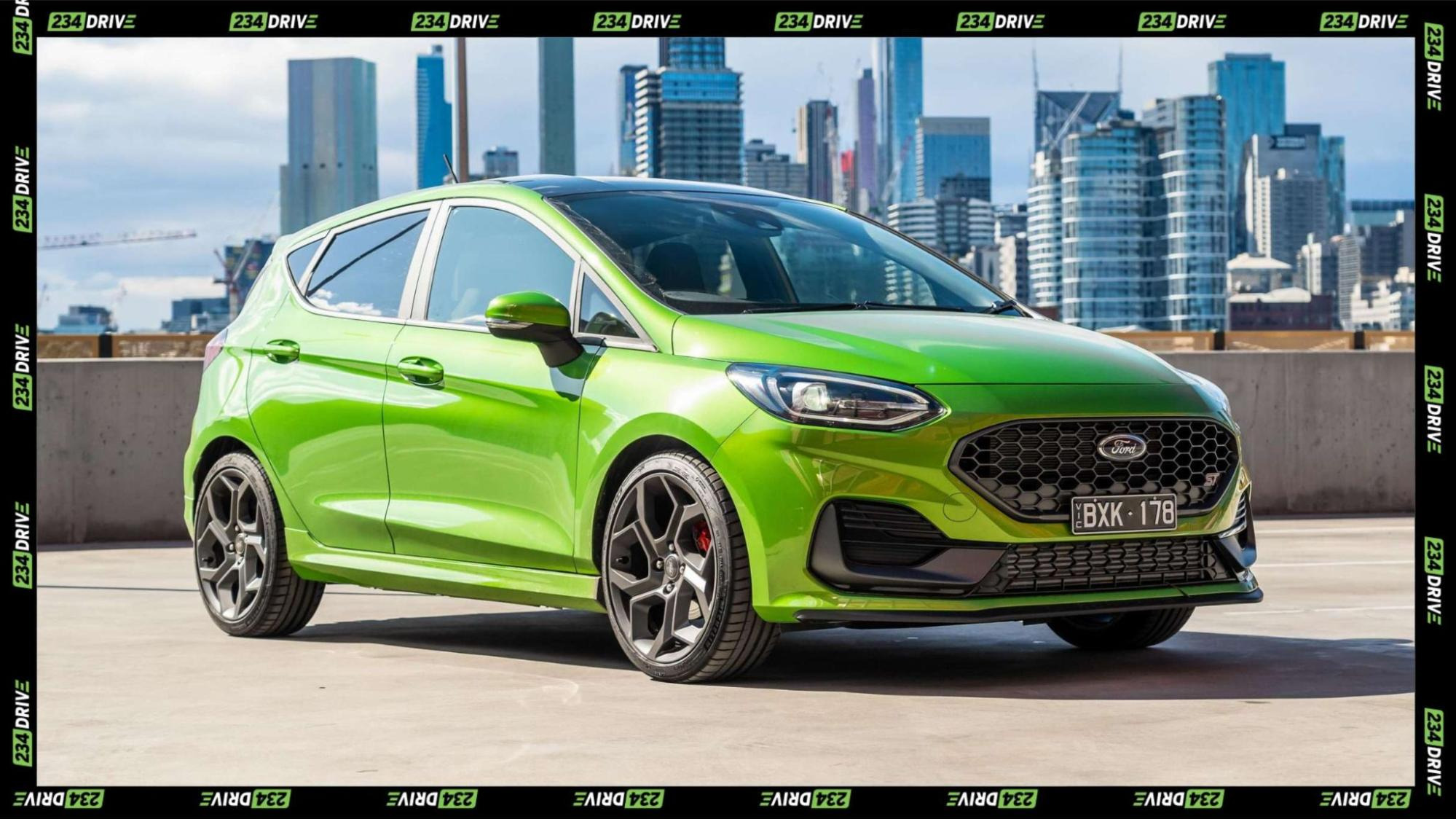
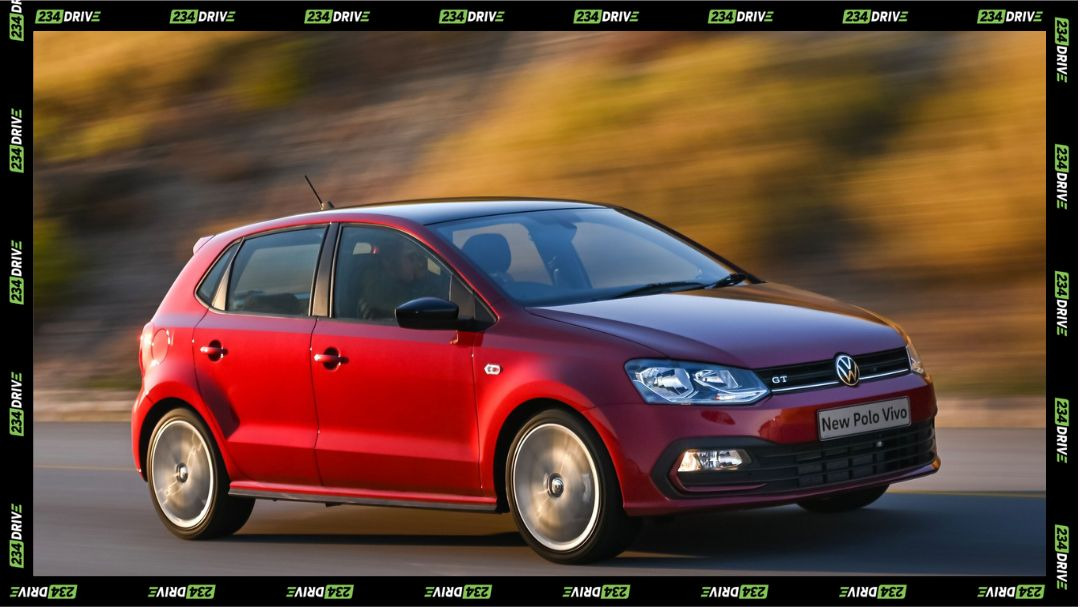
When compared to European or American counterparts, these Japanese models offer a significantly lower total cost of ownership. For instance, while a Volkswagen Polo or Ford Fiesta review might suggest a more spirited driving experience, their maintenance costs in Kenya are often 30-50% higher due to the scarcity of specialised parts and technicians. In the SUV segment, the Nissan X-Trail competes against the Subaru Forester; however, the X-Trail often wins on fuel economy and ‘all-rounder’ appeal, whereas the Forester targets performance enthusiasts. The Toyota Hilux remains virtually unchallenged in resale value, often retaining 75% of its purchase price after several years of use, far outperforming rivals like the Mitsubishi L200 or Isuzu D-Max in the used market.
Durability is where the Japanese segment truly separates itself from rivals. While modern Chinese brands are entering the Kenyan market with lower initial price points, they have yet to prove their longevity over a decade of use on Kenyan roads, the Toyota Probox and Hilux have achieved many times over. The ‘Toyota Tax’, the premium paid for the brand name, is justified by the ease of resale; a well-maintained Vitz can often be sold within 48 hours on local marketplaces. For the pragmatic Kenyan buyer, the peace of mind offered by these established Japanese brands far outweighs the allure of cheaper, unproven alternatives.
Summary
The 2026 Kenyan used car market remains firmly anchored by these five Japanese icons. From the fuel-sipping Toyota Vitz and Honda Fit to the commercial reliability of the Probox and the rugged dominance of the Hilux and X-Trail, these vehicles meet the diverse needs of a growing nation. Their combination of affordability, parts availability, and suitability for local terrain makes them the smartest investment for any buyer. We would love to hear your experiences. Which of these models would be your top pick for Kenyan roads? Share your thoughts and join the conversation in the comments below!